👉 Register for Free. How to Diagnose Sleep Apnea Faster in Primary Care – FREE Webinar by Dr. Audrey Wells. – Friday, April 24 at 12 PM ET


Best CPAP Mask for Every Sleeper in 2026
You finally got your CPAP machine. The box is open, the humidifier is filled, and everything is ready to go. Then you hold up the mask and wonder: is this really this really the best CPAP mask?
Dr. Avinesh Bhar who himself is a CPAP mask user answers this question since he has helped thousands of people optimize their machine for better sleep.
Nearly half of all CPAP users struggle with mask comfort during their first few months, and poor mask fit is one of the leading reasons people abandon their therapy altogether. The mask is the part of your CPAP setup that touches your face, seals against your skin, and stays with you for hours every night. Getting it right changes everything.
This guide walks you through the main types of CPAP masks, explains which designs match different sleep styles, and helps you understand what to look for when choosing or switching your mask.
Struggling with choosing the best CPAP mask for you? Book an appointment with our sleep doctors at SLIIIP and we can help you with your settings and mask fit.
Why Your CPAP Mask Matters More Than Your Machine
Your CPAP machine delivers a steady stream of pressurized air to keep your airway open while you sleep. But the machine is only half of the equation. The mask is the interface between you and your therapy. If it leaks, pinches, or shifts during the night, the air pressure cannot do its job effectively.
A poorly fitting mask can cause dry eyes, skin irritation, red marks on the face, and frustration that leads to skipping therapy nights.
Modern auto-adjusting CPAP machines rely on consistent airflow data to calibrate pressure breath by breath. When a mask leaks, it disrupts these algorithms, skewing therapy data and potentially reducing the quality of your sleep. Choosing a mask that seals properly and feels comfortable is the single most important decision you can make for long-term CPAP success.
If you are currently managing your CPAP therapy and want personalized guidance on mask selection, the sleep specialists at SLIIIP can help you optimize your CPAP setup through virtual consultations.
Understanding the Three Main Types of CPAP Masks
Every CPAP mask on the market falls into one of three broad categories: nasal masks, nasal pillow masks, and full-face masks. Each type has a different design philosophy, and each works best for specific sleepers. There is no single “best” mask for everyone, but there is almost certainly a best mask for you.
Nasal Masks
A nasal mask covers only your nose, extending from the bridge of the nose to just above the upper lip. It creates a triangular or oval seal around the nostrils and delivers pressurized air exclusively through the nasal passages. This design offers a balance between coverage and compactness, making it one of the most popular choices for CPAP users worldwide.
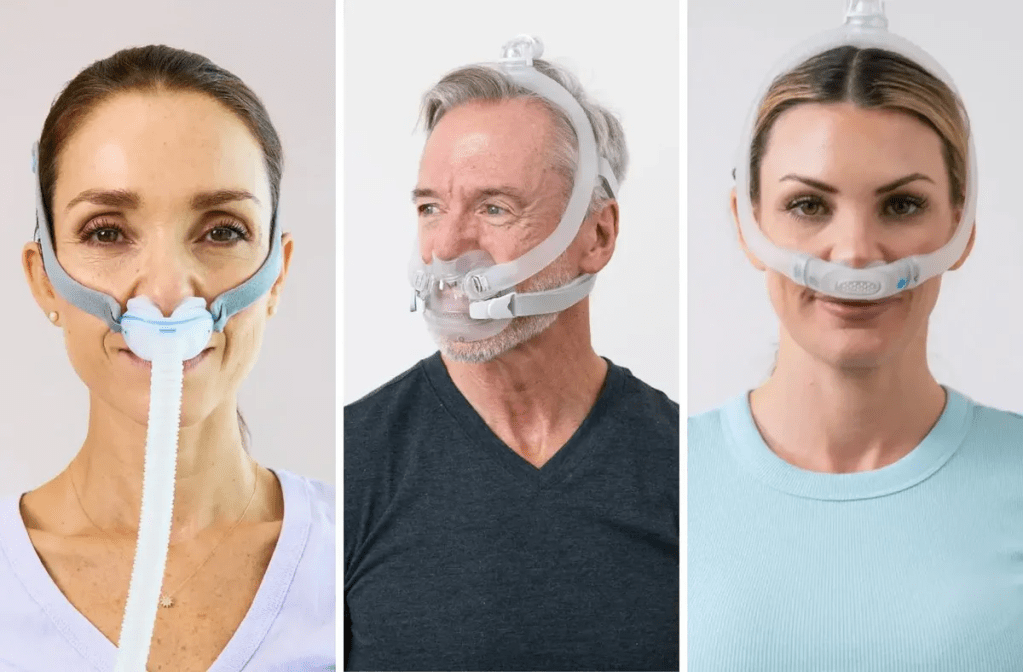
Nasal masks are generally well suited for people who breathe primarily through their nose during sleep. They provide a stable seal at moderate to high pressure settings and tend to cause less claustrophobia than full-face options. Side sleepers often find nasal masks comfortable because the lower profile allows the mask to stay in place during position changes.
The main limitation of nasal masks is that they do not work well for habitual mouth breathers. If you regularly open your mouth during sleep, air escapes through the mouth and the therapy loses effectiveness. Some users pair a nasal mask with a chin strap to encourage mouth closure, though this does not work for everyone.
Popular models in this category include the ResMed AirFit N20, the Fisher and Paykel Eson 2, and the Philips DreamWisp. These masks feature soft silicone cushions that conform to different nose shapes and lightweight headgear for all-night comfort.
Nasal Pillow Masks
Nasal pillow masks are the most minimalist CPAP masks available. Instead of covering the nose, they use small, soft silicone inserts that rest just inside or at the entrance of the nostrils. The design is lightweight, compact, and leaves most of the face uncovered.

This type of mask is ideal for people who feel confined or uncomfortable with larger masks. Because nasal pillows make minimal contact with the face, they cause less skin irritation, fewer pressure marks, and virtually no interference with glasses or reading before bed. They are also a strong choice for stomach sleepers and active sleepers who change positions frequently, since the low profile reduces the chance of the mask shifting or catching on the pillow.
People with facial hair often prefer nasal pillow masks because the seal happens at the nostrils rather than against the skin around the nose, where stubble can cause leaks in other mask types. The ResMed AirFit P10 is one of the most widely recommended nasal pillow masks, known for its quiet operation and trampoline-style cushion that adjusts with movement.
Nasal pillow masks may not be comfortable at higher pressure settings, as the direct airflow into the nostrils can feel intense. People prone to nasal congestion or dryness may also find this style less comfortable than a standard nasal mask.
Full-Face Masks
A full-face mask covers both the nose and mouth, creating a seal that accommodates breathing through either airway. This is the go-to choice for mouth breathers, people with chronic nasal congestion, and those who require higher pressure levels from their CPAP therapy.
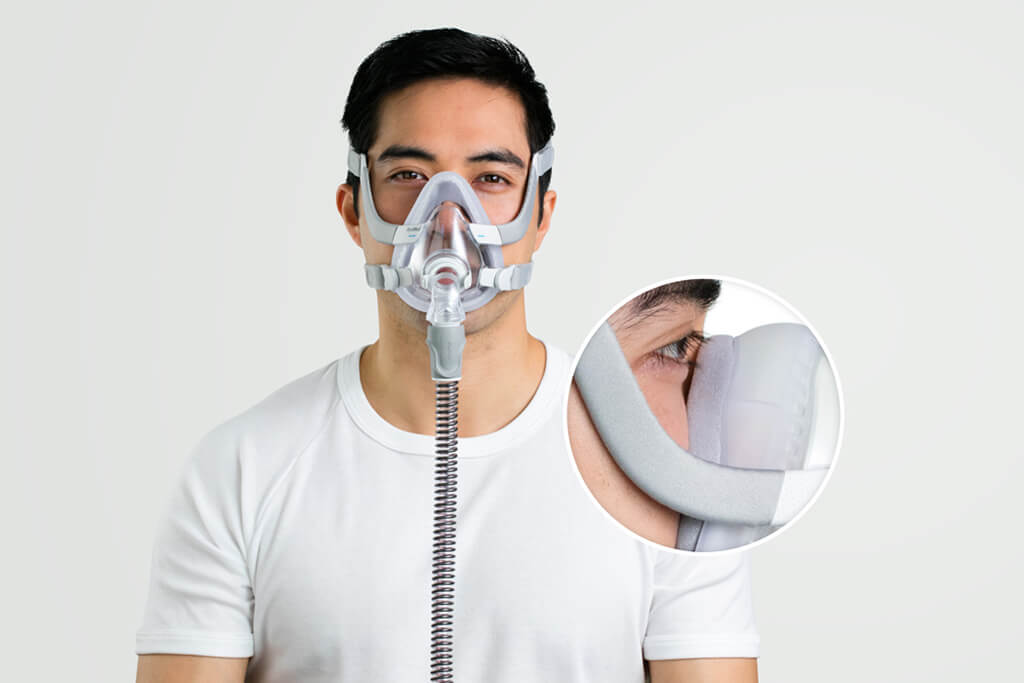
Full-face masks have evolved significantly in recent years. Older models were often bulky and heavy, with large cushions that sealed over the bridge of the nose and under the chin. Current designs, like the ResMed AirFit F30i, use under-the-nose cushions and top-of-head tubing to reduce bulk, improve field of vision, and minimize the claustrophobic feeling that older full-face masks sometimes caused.
Memory foam cushions, featured in masks like the ResMed AirTouch F20, represent another advance in full-face comfort. The foam contours gently to the shape of the face, creating a personalized seal without the need for excessive tightening of headgear straps. This reduces red marks and skin irritation, which are common complaints with silicone-only cushions.
The tradeoff with full-face masks is size. Even with modern slimline designs, these masks are larger and heavier than nasal options.
Side sleepers may find that the mask shifts during the night, and some people feel restricted by the additional material on their face. However, for anyone who breathes through their mouth or needs robust pressure delivery, a full-face mask is often the most reliable option.
Hybrid Masks: A Growing Alternative
Hybrid masks combine elements of nasal pillow and full-face designs, typically featuring nasal pillows paired with a small mouth cushion. The ResMed AirFit F30i and the Philips DreamWear Full Face Hybrid are examples of this category. They cover the mouth and seal at the nostrils without covering the bridge of the nose, offering full-face therapy in a more compact package.
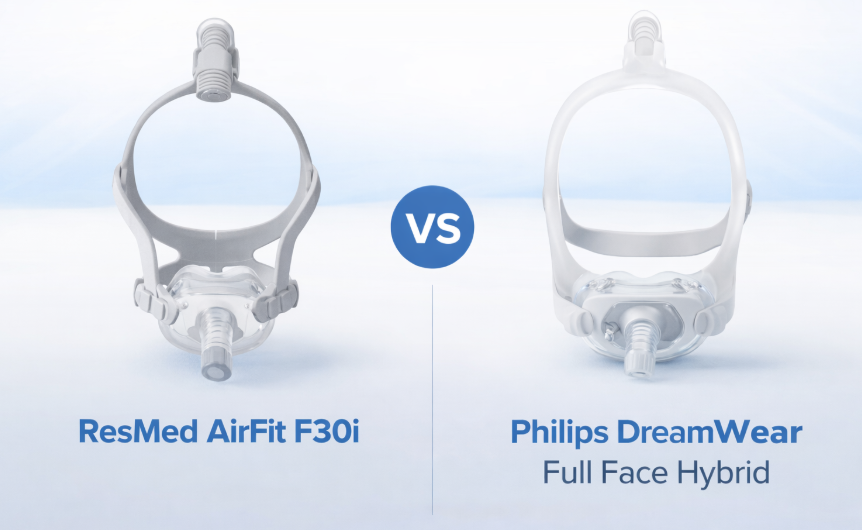
Hybrid designs are gaining popularity among CPAP users who need mouth coverage but find traditional full-face masks too heavy or claustrophobic. They offer a good middle ground, though the seal can be less forgiving than dedicated nasal or full-face masks at very high pressure settings.
How to Choose the Right CPAP Mask for Your Sleep Style
Selecting a mask starts with understanding three key factors: how you breathe, how you sleep, and what pressure level your therapy requires.
Match Your Mask to Your Breathing Pattern
If you breathe exclusively through your nose while sleeping, a nasal mask or nasal pillow mask will serve you well. These designs are lighter, quieter, and cause less facial contact. If you breathe through your mouth, or if you open your mouth during the night, a full-face or hybrid mask is the safer choice. Your bed partner can often tell you whether you mouth breathe, or you may notice a dry mouth when you wake up without a full-face mask.
Match Your Mask to Your Sleeping Position
Back sleepers have the widest range of options, since any mask type works well in this position. The mask sits evenly against the face, and gravity helps maintain the seal. Side sleepers should lean toward low-profile masks, nasal pillow styles, or masks with flexible headgear that does not press into the face against the pillow. Stomach sleepers need the smallest possible mask. Nasal pillow masks with top-of-head tubing connections are typically the best fit, as they allow the face to rest closer to the pillow without disrupting the seal.
If you have questions about which sleep position works best with your current CPAP therapy, SLIIIP has a detailed guide on CPAP pillows that also covers how pillow design and sleeping position affect mask performance.
Match Your Mask to Your Pressure Needs
Higher CPAP pressure settings demand a more secure seal. Nasal pillow masks work beautifully at lower pressures but may feel uncomfortable or blow out at higher levels. Full-face masks and standard nasal masks generally handle higher pressures better because the seal area is larger, distributing the force across more skin surface.
Your sleep specialist will prescribe a specific pressure range based on your sleep study results. If your prescribed pressure is above 12 cm H2O, a full-face or standard nasal mask is usually recommended. If your pressure is lower, you have more flexibility to choose the mask style that feels most comfortable.
Getting the Right Fit: Sizing and Adjustment Tips
Even the best-designed mask will fail if it does not fit properly. Most CPAP masks come in multiple sizes, typically small, medium, and large, and some include sizing templates to help you measure your face before choosing.
When fitting your mask, put it on while lying down, not while standing.
Gravity changes the way soft tissues sit on your face, and a mask that feels perfect while upright may leak when you recline. Tighten the headgear just enough to stop air from escaping around the seal. Overtightening is a common mistake that causes more problems than it solves, including skin irritation, pressure sores, and marks that take hours to fade.
Replace mask cushions on the schedule recommended by the manufacturer, typically every one to three months depending on the material. Silicone cushions last longer but may lose their shape over time. Memory foam cushions, like those on the AirTouch F20, should be replaced monthly for optimal performance.
Understanding the full range of CPAP supplies and replacement schedules can help you maintain consistent therapy quality over time.
Common CPAP Mask Problems and How to Solve Them
Air Leaks
Leaks are the most frequent complaint among CPAP users. They happen when the mask does not seal properly against the face, allowing pressurized air to escape around the edges. Common causes include the wrong mask size, worn-out cushions, overtightened straps, facial hair interfering with the seal, and sleeping in positions that shift the mask.
To troubleshoot leaks, start by checking cushion condition and headgear tension. If the problem persists, consider whether your mask type matches your breathing pattern and sleep position. Switching from a full-face mask to a nasal pillow mask, or vice versa, sometimes eliminates chronic leak issues entirely.
Skin Irritation and Red Marks
Red marks from CPAP masks are usually caused by straps that are too tight or cushions that are past their replacement date. Loosening the headgear slightly and ensuring the cushion surface is clean and supple will resolve most cases. People with sensitive skin may benefit from cloth-based masks, like the Circadiance SleepWeaver, which replace silicone with breathable fabric.
Dry Mouth
Waking up with a dry mouth while using a nasal mask suggests you are opening your mouth during sleep and losing humidified air. A chin strap may help, but switching to a full-face mask is often the more effective solution. Ensuring your CPAP humidifier is set to an appropriate level also makes a significant difference.
Claustrophobia
Feeling confined by a CPAP mask is more common with full-face designs that cover a larger portion of the face. If claustrophobia is an issue, try a nasal pillow mask or a hybrid design that uses under-the-nose coverage. Wearing the mask for short periods during the day while watching television or reading can also help your brain adjust to the sensation before you use it for a full night of sleep.
When to Consult a Sleep Specialist About Your Mask
If you have tried multiple masks and still cannot achieve a comfortable fit, or if your CPAP data shows persistent leak rates above acceptable thresholds, it may be time to speak with a sleep specialist. A professional can evaluate your facial anatomy, review your therapy data, and recommend specific mask models or even alternative therapies like oral appliance therapy if CPAP is not a good fit for your situation.
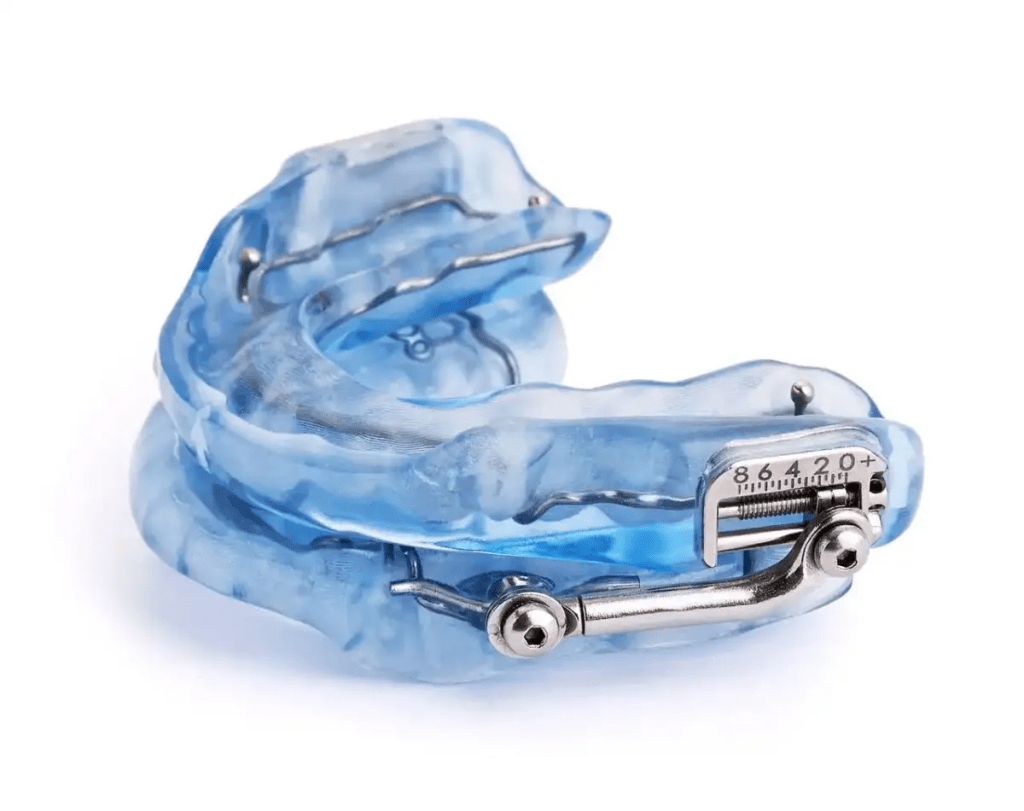
Some users benefit from combination approaches, wearing an oral appliance to reduce required CPAP pressure, which then allows them to use a smaller, more comfortable mask. These decisions should always be made with professional guidance based on your individual sleep study results.
If cost is a concern, understanding how insurance covers CPAP machines and masks can help you plan your investment wisely. Most insurance plans cover CPAP masks as durable medical equipment, and replacement supplies are typically included on a scheduled basis.
CPAP Mask Maintenance: Keeping Your Mask in Top Shape
A clean mask performs better and lasts longer. Wash your mask cushion daily with warm water and mild soap, and allow it to air dry completely before your next use. Headgear straps should be washed weekly. Avoid using harsh chemicals, alcohol-based cleaners, or scented soaps, as these can degrade silicone and memory foam materials.
Inspect your mask regularly for signs of wear, including yellowing of silicone, loss of cushion firmness, fraying headgear straps, and cracked frame components. Replacing parts on schedule prevents gradual degradation in therapy quality that you might not notice until a mask that once sealed perfectly starts leaking every night.
For a detailed look at keeping your equipment clean, SLIIIP provides a comprehensive guide to CPAP cleaning machines that covers both manual and automated cleaning options.
Frequently Asked Questions
What is the best CPAP mask for side sleepers?
Nasal pillow masks and low-profile nasal masks with top-of-head tubing are generally the most comfortable choices for side sleepers, as they minimize bulk against the pillow and reduce the chance of the mask shifting during the night.
Can I use any CPAP mask with any CPAP machine?
Most CPAP masks connect to machines through a standard 22mm hose fitting, making them compatible across brands. The ResMed AirMini travel CPAP is a notable exception, requiring specific ResMed masks or a third-party adapter.
How often should I replace my CPAP mask?
Mask cushions should be replaced every one to three months, depending on the material. Memory foam cushions need monthly replacement. Full mask assemblies, including the frame and headgear, are typically replaced every six to twelve months.
Why does my CPAP mask leak at night?
Common causes include incorrect mask size, worn-out cushions, overtightened straps, facial hair near the seal, and sleeping positions that shift the mask. Trying a different mask style may resolve chronic leak issues.
Is a full-face mask better than a nasal mask?
Neither type is inherently better. Full-face masks are necessary for mouth breathers and higher pressure settings. Nasal masks are lighter and more comfortable for nose breathers. The best choice depends on your breathing pattern and sleep habits.
What is a nasal pillow mask?
A nasal pillow mask uses small silicone inserts that rest at the entrance of your nostrils, delivering air directly without covering the nose or face. It is the most minimalist CPAP mask type.
Can facial hair affect my CPAP mask seal?
Yes. Beards and mustaches can interfere with the seal on nasal and full-face masks. Nasal pillow masks are often the best option for people with facial hair because the seal is at the nostrils rather than against the skin.
What is the quietest CPAP mask?
Nasal pillow masks, particularly the ResMed AirFit P10, are among the quietest options due to their diffused venting systems that break up exhaled air into small, quiet streams.
How do I know if my CPAP mask fits correctly?
A well-fitting mask seals without excessive tightness, leaves no deep red marks after removal, and shows minimal leak data on your CPAP machine or app. Always fit your mask while lying in your typical sleep position.
Can I try different CPAP masks before committing?
Many CPAP suppliers offer trial periods or mask fit guarantees. Consulting with a sleep specialist can also help narrow down the best options before you purchase.
What is a hybrid CPAP mask?
A hybrid mask combines nasal pillows with a small mouth cushion, offering full-face therapy in a more compact design. It is a good option for people who need mouth coverage but dislike traditional full-face masks.
Do CPAP masks cause wrinkles?
Prolonged pressure from mask cushions against the face may contribute to skin creases over time. Choosing a well-fitting mask and avoiding overtightening can minimize this effect.
What is the best CPAP mask for people with allergies?
Hypoallergenic silicone cushions and cloth-based mask designs can reduce allergic reactions. Keeping the mask clean and replacing parts on schedule also helps prevent buildup of allergens.
Can I wear glasses with a CPAP mask?
Nasal pillow masks and under-the-nose nasal masks leave the area around the eyes completely clear, making them compatible with glasses for reading or watching television before sleep.
What should I do if my CPAP mask gives me a dry nose?
Increasing the humidifier setting on your CPAP machine is the most effective solution. Saline nasal sprays before bed can also help keep nasal passages moist throughout the night.
Are memory foam CPAP mask cushions better than silicone?
Memory foam cushions conform more closely to facial contours and may feel softer against the skin. However, they require more frequent replacement, typically every 30 days, compared to silicone cushions that last one to three months.
How do I clean my CPAP mask properly?
Wash the cushion daily with warm water and mild soap. Clean headgear weekly. Allow all parts to air dry. Avoid alcohol-based cleaners and harsh chemicals, which can degrade mask materials.
Can I travel with my CPAP mask?
Yes. Most masks are compact enough for travel. Consider having a dedicated travel mask or a mask case to protect components during transit. For travel-specific CPAP solutions, the ResMed AirMini is a popular travel CPAP option.
Why does my CPAP mask make noise?
Mask noise typically comes from air leaks or from the exhalation port. Ensuring a proper seal and checking for worn cushion edges can reduce noise. Masks with diffused venting, like the ResMed P10 series, are designed for quieter operation.
What CPAP mask is best for claustrophobia?
Nasal pillow masks offer the least facial coverage and are typically the most comfortable choice for people who experience claustrophobia with larger mask designs.
Strategic SEO Summary
This article targets the high-volume, commercially valuable keyword “best CPAP mask,” which generates significant search interest from CPAP users evaluating their options. SLIIIP currently has extensive content about CPAP pillows, CPAP supplies, CPAP costs, and CPAP cleaning, but no dedicated guide addressing best CPAP masks by type and sleep style. This gap represents a strong content opportunity.
The article satisfies informational and commercial search intent by educating readers on mask types, helping them match masks to their specific needs, and naturally guiding them toward SLIIIP consultation services. Internal links to verified SLIIIP pages for CPAP therapy, CPAP supplies, CPAP pillows, CPAP cleaning, insurance coverage, oral appliance therapy, and travel CPAP strengthen topical authority and improve site navigation.
The conversational, expert tone supports high engagement and readability while maintaining full compliance with wellness-safe language throughout. No medical claims or therapeutic promises are made.
Latest posts
-
The Connection Between Chronic Cough and Obstructive Sleep Apnea
A chronic cough that drags on for weeks can carry a surprising sleep angle, says Dr. Avinesh Bhar, Board-Certified Sleep Physician at SLIIIP.com, because research links some stubborn coughs to…
-
Terminal Insomnia: Why You Keep Waking Up at 4 AM and Can’t Get Back to Sleep
Terminal insomnia is the name for waking in the small hours and not being able to drift back off, says Dr. Avinesh Bhar, Board-Certified Sleep Physician at SLIIIP.com, and the…
-
Sleep Apnea and Asthma: The Dangerous “Overlap Syndrome” Explained
Sleep apnea and asthma can feed into each other at night, with trouble in one making the other harder to keep under control, says Dr. Avinesh Bhar, Board-Certified Sleep Physician…
Get updates
Spam-free subscription, we guarantee. This is just a friendly ping when new content is out.

