👉 Register for Free. Peri/Menopause at Midnight: Why You Wake Up Hot, Wired, and Wide Awake at 3AM. – Friday, March 27th, 3:00 AM ET with Dr. Audrey Wells.


Can I Take a Break from CPAP Machine Safely
Using CPAP while sick can feel challenging, especially when nasal congestion or skin irritation makes it uncomfortable. You might wonder, can I take a break from CPAP machine use for one night or a short period?
However, skipping CPAP therapy even occasionally can allow untreated sleep apnea to return, causing daytime fatigue, mood changes, and elevated heart rate. Consistent use of your CPAP machine is essential for addressing sleep apnea and preventing health risks such as heart disease and high blood pressure. Let’s Explore.
SLIIIP.COM provides personalized sleep treatment solutions to help you manage sleep apnea effectively. Our team offers guidance on using your CPAP machine correctly, preventing complications, and improving overall sleep quality. Call us today at 478-238-3552 to schedule a consultation and take the first step toward better rest.
Why Consistent CPAP Use Matters
Using your CPAP machine consistently is key to effectively treating sleep apnea. Missing CPAP therapy, even occasionally, can cause sleep apnea to return and lead to regular sleep disruptions, oxygen levels dropping, and daytime fatigue.
Research suggests that untreated sleep apnea increases the risk of severe sleep apnea complications, including heart disease, high blood pressure, and brain damage. Following your CPAP therapy treatment plan helps keep your airway open, prevents accidental injuries, and supports your overall health.
Challenges of Using CPAP While Sick
Nasal congestion, throat irritation, or skin irritation can make using your CPAP machine uncomfortable during illness. You may feel tempted to stop using it for one night or take a short break, especially during colds or allergies.
However, even minor effects from skipping CPAP therapy can disrupt your sleep study results, reduce oxygen levels, and worsen severe sleep apnea. Talk with your healthcare provider for guidance, and explore alternative treatments, such as a chin strap or adjusting your mask for better comfort

Tips to Use Your CPAP Machine Correctly
- Ensure your CPAP machine correctly fits every night to prevent sleep apnea returns.
- Maintain consistent use even during illness or travel to avoid falling asleep with untreated sleep apnea.
- Avoid skipping therapy for an extended period, as this can increase health risks and shorten your lifespan.
- Check mask, tubing, and pressure settings regularly to maximize comfort and effectiveness.
- Use saline rinses, nasal sprays, or a chin strap if congestion or skin irritation makes using your CPAP difficult.
- Plan for trips or short breaks, but return to your regular CPAP routine promptly to protect overall health.
Risks of Skipping CPAP Therapy
Skipping CPAP therapy, even occasionally, is a bad idea for people with obstructive sleep apnea. One night without treatment can cause your body to stop breathing multiple times, leading to an elevated heart rate, mood changes, daytime fatigue, and even unintentional sleep. Over long periods, missing CPAP therapy can allow sleep apnea to return, increasing the risk of heart disease, brain damage, and shortening your lifespan.
Even a single night off can cause regular sleep disruptions and snoring, making both you and your bed partner wake multiple times. Consistent cpap therapy as part of your sleep medicine plan ensures proper management, keeps your airway open, and protects your overall health from long-term effects.
Practical Tips to Continue CPAP While Sick
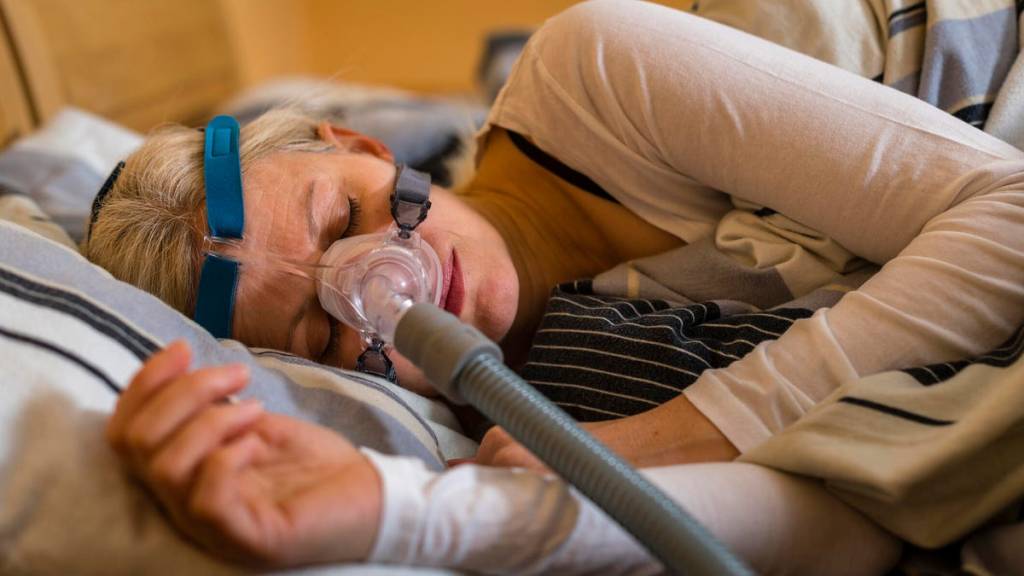
If nasal congestion, a stuffy throat, or skin irritation makes using your CPAP machine difficult, try saline rinses, a steroid nasal spray, or safe short-term decongestants. Using your mask properly and adding a chin strap can help reduce minor effects and improve comfort.
Even during a weekend trip or with an old machine, maintaining consistent use is essential. Research suggests that using your CPAP machine at full force while sick helps maintain oxygen levels, prevents sleep apnea from returning, and keeps your airway open. While it’s okay to safely skip one night or take a short break from your CPAP, plan to return to regular habit use for long-term benefits.
Making an Informed Decision
Sometimes, taking a short break or using your CPAP occasionally is necessary, but it should always be done with your healthcare provider. Proper management prevents untreated sleep apnea from causing regular sleep disruptions, daytime fatigue, and multiple nighttime awakenings.
Remember, the goal is a good night’s sleep and overall health. Even if you safely skip one night, return to cpap therapy consistently to keep severe sleep apnea under control and protect your body from various health risks over the long term.
Final Thought
Taking a break from your CPAP machine should always be an informed decision. SLIIIP.COM is here to help you understand the risks and maintain consistent CPAP therapy to prevent sleep apnea returns and a shorter lifespan. Contact our experts at 478-238-3552 for guidance on safely managing sleep apnea, preventing daytime fatigue, and protecting your heart, brain, and overall well-being.
Latest posts
-
How Do I Fix My Circadian Rhythm?
How do I fix my circadian rhythm? When your internal biological clock falls out of sync with the natural world, every aspect of your health suffers. From daytime exhaustion to…
-
Why Do I Wake Up Anxious?
Why do I wake up anxious? Opening your eyes to a racing heart, tight chest, or a sense of impending doom is a distressing way to start the day. While…
-
Do I Have Sleep Apnea Without Snoring?
Do I have sleep apnea without snoring? While heavy snoring is the most famous red flag for sleep-disordered breathing, thousands of patients suffer from significant nighttime oxygen drops and fragmented…
Get updates
Spam-free subscription, we guarantee. This is just a friendly ping when new content is out.

