

Sleeping On Stomach Sleep Apnea: Can It Be Cured?
Why Stomach Sleeping Can´t Cure Sleep Apnea?
When you have sleep apnea, your airway becomes partially or fully blocked during sleep. This blockage can occur due to the relaxation of the muscles in your throat, leading to breathing interruptions. These interruptions can cause you to wake up multiple times during the night, often without even realizing it. Different sleeping positions can enhance blood flow and reduce snoring, improving overall sleep quality. Sleeping on your stomach is one such position, and while it may help reduce airway obstruction for some, it can also lead to neck strain and is often considered the worst sleeping position for people with sleep apnea due to increased discomfort and potential for misalignment. “Can sleep apnea be cured by stomach sleeping? While stomach sleeping may help reduce snoring, including loud snoring, it is not a cure for sleep apnea, which requires proper diagnosis and treatment. Many people with sleep apnea still do not feel rested or achieve a good night’s rest, even if they try sleeping on their stomach, and for some, this position may actually worsen symptoms.” Achieving a good night’s sleep requires more than just changing sleep positions; it often needs a professional diagnosis and personalized recommendations to address sleep apnea effectively.
According to Dr. Avinesh Bhar, a board-certified sleep doctor at Sliiip.com, stomach sleeping cannot cure sleep apnea. Some people have felt a reduction in symptoms when lying on the side but this is for very mild sleep apnea. For most sleep apnea sufferers, a home sleep apnea test is needed so they can get the treatment they need.
Understanding Sleep Apnea and Sleeping Positions
Stomach sleepers (prone position) can help reduce the frequency of these airway obstructions compared to sleeping on your back, but it’s not a cure. This position helps because gravity pulls the tongue and other soft tissues forward, away from the airway, which can help keep the airways open and prevent airway collapse. Keeping the airways open in this way can alleviate some of the obstructions that occur during sleep, particularly in obstructive sleep apnea (OSA), and reduce pressure on the airway. While many people have a favorite sleeping position, understanding optimal positions can benefit those with sleep apnea. It’s also important to be able to change positions to find the most effective sleep posture.

Risks and Complications Associated with Sleep Apnea
Sleep apnea is more than just a nightly nuisance; it’s a serious sleep disorder that can have significant consequences on your overall health and sleep health if left untreated. One of the most alarming risks is the increased likelihood of developing cardiovascular diseases. Conditions like high blood pressure, heart failure, and stroke are more common in individuals with sleep apnea. This is because the repeated interruptions in breathing can strain the heart and blood vessels, and can also affect your body’s ability to breathe efficiently during sleep. By doing a home sleep apnea test you can
Cognitive impairment is another serious complication. The constant sleep disruptions can affect your attention, memory, and decision-making skills, making everyday tasks more challenging. Mood disorders like depression and anxiety are also more prevalent among those with sleep apnea, likely due to the chronic fatigue and stress caused by poor sleep. Nasal congestion can further worsen sleep apnea symptoms or complicate therapy, especially for those using PAP therapy.
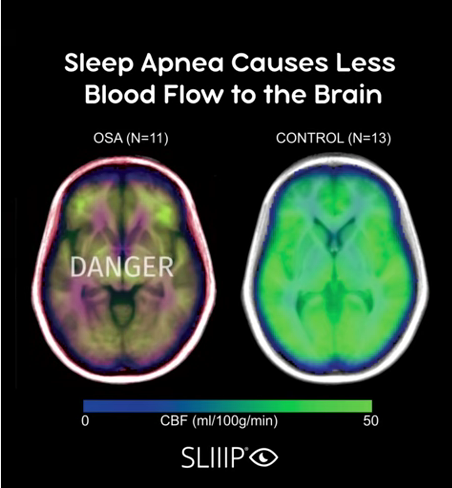
Here is a video showing what your brain looks like with sleep apnea and WITHOUT sleep apnea.
Lastly, sleep apnea can increase the risk of accidents and injuries. Excessive daytime sleepiness can impair your ability to concentrate and react quickly, making activities like driving particularly dangerous.
Given these risks, it’s essential to seek medical attention if you suspect you have sleep apnea. Proper diagnosis and treatment, including managing nasal congestion and considering PAP therapy, can help alleviate symptoms and reduce the risk of these serious complications. It is important to get treatment of a sleep expert so that you can manage your sleep apnea symptoms.
Why Stomach Sleeping Isn’t a Cure
While sleeping on your stomach might reduce the severity of your symptoms, it doesn’t address the underlying causes of sleep apnea. The effectiveness of sleeping on your stomach can vary from person to person, and for some, it may not provide a good night’s rest due to discomfort or neck pain. Additionally, this position can lead to other issues, such as neck pain or discomfort, which can affect your overall sleep quality. For those looking to avoid back sleeping, using a tennis ball sewn into the back of a shirt can be an effective positional therapy tool. Optimizing your head position, such as turning your head to the side or elevating it, can help improve breathing and reduce sleep apnea symptoms.
Achieving a good night’s sleep involves more than just changing sleep positions. For example, sleeping with your head elevated can help keep your airway open, reduce snoring, and may also alleviate symptoms of acid reflux. Using a wedge pillow to elevate your head and upper body can further improve breathing and help keep the airway open for sleep apnea sufferers. Moreover, sleep apnea is often caused by multiple factors, including obesity, the structure of your airway, and even genetic factors. Simply changing your sleep position is unlikely to be enough to resolve the condition entirely. Treatment options such as CPAP machines are often necessary to manage sleep apnea effectively and help you feel rested. Finding the best head position and using supportive pillows can further improve sleep apnea symptoms and contribute to better sleep.
If these symptoms resonate with you, it may be time to take a closer look at your sleep patterns. “A home sleep test can help diagnose potential sleep disorders like sleep apnea or restless legs syndrome,” suggests Dr. Bhar. Our team of expert sleep doctors will provide personalized recommendations to enhance your sleep quality and help you achieve a good night’s rest.
Best Sleeping Position for Sleep Apnea Treatment
Positional therapy is a non-invasive treatment option for sleep apnea that focuses on training yourself to sleep in positions that keep your airway open. This approach can be particularly effective for those whose sleep apnea is more pronounced when sleeping on their back. It is important to avoid sleeping on your back or stomach, as these positions can worsen airway obstruction and breathing difficulties. According to the Sleep Foundation, choosing the right sleep position is crucial for managing sleep apnea and improving overall sleep health, as they provide trusted advice on the best positions to reduce breathing disorders and enhance sleep quality.
One of the simplest techniques is to sleep on your side. This position helps keep the airway open and can significantly reduce snoring and apnea episodes. Sleeping on your stomach is generally considered a less optimal position compared to side sleeping, as it can cause neck strain and may not effectively prevent airway collapse. Back sleeping is often the worst sleeping position for individuals with sleep apnea, as gravity can cause the tongue and soft tissues to block the airway. If you’re not naturally a side sleeper, using a body pillow can help you maintain this position throughout the night or help you change positions as needed to find the most effective sleep posture.
Positional therapy can be a valuable part of a comprehensive sleep apnea treatment plan. It works well in conjunction with other treatments like continuous positive airway pressure (CPAP) therapy, providing a multi-faceted approach to managing sleep apnea symptoms.

Comprehensive Management of Sleep Apnea
To effectively manage sleep apnea and improve sleep health, a combination of treatments is usually necessary. These may include oral appliance therapy:
- CPAP Therapy: CPAP machines deliver pressurized air at the appropriate air pressure through a mask while you sleep, helping to keep your airway open and prevent airway collapse. This form of pap therapy is highly effective for many people. Mask options include a nasal mask, which can be suitable for those who prefer a less bulky fit. However, nasal congestion can sometimes make CPAP use challenging, so addressing nasal issues is important for effective therapy.
- Weight Management: Maintaining a healthy weight can reduce the severity of sleep apnea by decreasing the amount of fat around the neck and throat, lowering the risk of airway obstructions.
- Lifestyle Changes: Avoiding alcohol, smoking, and sedatives can also help manage symptoms, as these substances can relax the muscles around your airway and contribute to airway collapse.
- Positional Therapy: This involves training yourself to sleep in a position that reduces airway obstruction, which can complement other treatments. Using a tennis ball sewn into the back of your shirt or placed in your back pocket can discourage back sleeping. Additionally, sleeping with your upper body or head elevated can help keep the airway open, reduce snoring, and promote healthy blood flow.
- Surgery: In some cases, surgery may be recommended to remove or reduce tissue in the throat that obstructs the airway.
The overall goal of treatment is to help you feel rested, achieve a good night’s rest, and support your long-term sleep health.
So, while stomach sleeping can help reduce the symptoms of sleep apnea, it is not a cure. Proper management and treatment require a comprehensive approach that addresses the condition’s underlying causes, such as airway obstructions and airway collapse. If you suspect you have sleep apnea or if you’re struggling with sleep, it’s essential to consult with a healthcare professional to explore the best treatment options for you.
Maintaining a Healthy Weight to Reduce Sleep Apnea Risk
Maintaining a healthy weight is crucial for reducing the risk of sleep apnea. Excess weight, especially around the neck and throat, can increase the likelihood of airway obstruction, making sleep apnea symptoms worse.
A Cleveland Clinic study shows weight-loss surgery is associated with a 42% reduction in risk of heart complications and 37% reduction in risk of death in patients with obstructive sleep apnea

To achieve and maintain a healthy weight, start with a balanced diet. Focus on foods that are low in saturated fats and high in fruits, vegetables, and whole grains. These foods not only help you manage your weight but also provide essential nutrients that support overall health.
Regular exercise is another key component. Activities like walking, jogging, or even yoga can help burn calories and improve muscle tone, which can reduce the severity of sleep apnea symptoms. Aim for at least 30 minutes of moderate exercise most days of the week.
By maintaining a healthy weight, you can significantly reduce the risk of sleep apnea and improve your overall sleep quality. If you suspect you have sleep apnea, consult with a healthcare professional for a proper diagnosis and treatment plan.
Put an end to the suffering. Sleep Soundly. Wakeup Energized
Why Stomach Sleeping Can´t Cure Sleep Apnea?
When you have sleep apnea, your airway becomes partially or fully blocked during sleep. This blockage can occur due to the relaxation of the muscles in your throat, leading to breathing interruptions. These interruptions can cause you to wake up multiple times during the night, often without even realizing it. Different sleeping positions can enhance blood flow and reduce snoring, improving overall sleep quality. Sleeping on your stomach is one such position, and while it may help reduce airway obstruction for some, it can also lead to neck strain and is often considered the worst sleeping position for people with sleep apnea due to increased discomfort and potential for misalignment. “Can sleep apnea be cured by stomach sleeping? While stomach sleeping may help reduce snoring, including loud snoring, it is not a cure for sleep apnea, which requires proper diagnosis and treatment. Many people with sleep apnea still do not feel rested or achieve a good night’s rest, even if they try sleeping on their stomach, and for some, this position may actually worsen symptoms.” Achieving a good night’s sleep requires more than just changing sleep positions; it often needs a professional diagnosis and personalized recommendations to address sleep apnea effectively.
According to Dr. Avinesh Bhar, a board-certified sleep doctor at Sliiip.com, stomach sleeping cannot cure sleep apnea. Some people have felt a reduction in symptoms when lying on the side but this is for very mild sleep apnea. For most sleep apnea sufferers, a home sleep apnea test is needed so they can get the treatment they need.
Understanding Sleep Apnea and Sleeping Positions
Stomach sleepers (prone position) can help reduce the frequency of these airway obstructions compared to sleeping on your back, but it’s not a cure. This position helps because gravity pulls the tongue and other soft tissues forward, away from the airway, which can help keep the airways open and prevent airway collapse. Keeping the airways open in this way can alleviate some of the obstructions that occur during sleep, particularly in obstructive sleep apnea (OSA), and reduce pressure on the airway. While many people have a favorite sleeping position, understanding optimal positions can benefit those with sleep apnea. It’s also important to be able to change positions to find the most effective sleep posture.
Side Sleeping Position
The best sleeping positions for managing sleep apnea are those that help keep the airway open. Sleeping on your side is particularly beneficial for individuals with obstructive sleep apnea. For many people with sleep apnea, side sleeping is considered the best sleep position to promote airflow and reduce symptoms. Experts often recommend the best sleep positions, such as side or left-side sleeping, to improve airflow and alleviate sleep apnea symptoms. The left sided sleeping position, in particular, offers specific advantages for sleep apnea by helping to keep the airway open, reducing breathing disruptions, and promoting healthy blood flow. Left side sleeping can also help maintain open airways and is considered one of the best positions for sleep apnea sufferers. Side sleepers are less likely to snore and experience airway obstruction compared to back sleepers, who often face more challenges due to back sleeping increasing the risk of airway collapse. For those with sleep apnea, it is best to avoid sleeping on the back to minimize symptoms and improve sleep quality. Research shows that this position, especially when your spine remains aligned, can greatly decrease the number of breathing interruptions you experience throughout the night. Using specialized pillows can also help keep your head and neck aligned, supporting open airways and reducing sleep apnea symptoms.
So the question, “can sleep apnea be cured by stomach sleeping” is an unfortunate, no. According to Dr. Avinesh Bhar, “the best type of treatment of sleep apnea is CPAP or oral appliance therapy. In some individuals losing weight through diet or bariatric surgery also can do wonders.”
Risks and Complications Associated with Sleep Apnea
Sleep apnea is more than just a nightly nuisance; it’s a serious sleep disorder that can have significant consequences on your overall health and sleep health if left untreated. One of the most alarming risks is the increased likelihood of developing cardiovascular diseases. Conditions like high blood pressure, heart failure, and stroke are more common in individuals with sleep apnea. This is because the repeated interruptions in breathing can strain the heart and blood vessels, and can also affect your body’s ability to breathe efficiently during sleep. By doing a home sleep apnea test you can
Cognitive impairment is another serious complication. The constant sleep disruptions can affect your attention, memory, and decision-making skills, making everyday tasks more challenging. Mood disorders like depression and anxiety are also more prevalent among those with sleep apnea, likely due to the chronic fatigue and stress caused by poor sleep. Nasal congestion can further worsen sleep apnea symptoms or complicate therapy, especially for those using PAP therapy.
Here is a video showing what your brain looks like with sleep apnea and WITHOUT sleep apnea.
Lastly, sleep apnea can increase the risk of accidents and injuries. Excessive daytime sleepiness can impair your ability to concentrate and react quickly, making activities like driving particularly dangerous.
Given these risks, it’s essential to seek medical attention if you suspect you have sleep apnea. Proper diagnosis and treatment, including managing nasal congestion and considering PAP therapy, can help alleviate symptoms and reduce the risk of these serious complications. It is important to get treatment of a sleep expert so that you can manage your sleep apnea symptoms.
Why Stomach Sleeping Isn’t a Cure
While sleeping on your stomach might reduce the severity of your symptoms, it doesn’t address the underlying causes of sleep apnea. The effectiveness of sleeping on your stomach can vary from person to person, and for some, it may not provide a good night’s rest due to discomfort or neck pain. Additionally, this position can lead to other issues, such as neck pain or discomfort, which can affect your overall sleep quality. For those looking to avoid back sleeping, using a tennis ball sewn into the back of a shirt can be an effective positional therapy tool. Optimizing your head position, such as turning your head to the side or elevating it, can help improve breathing and reduce sleep apnea symptoms.
Achieving a good night’s sleep involves more than just changing sleep positions. For example, sleeping with your head elevated can help keep your airway open, reduce snoring, and may also alleviate symptoms of acid reflux. Using a wedge pillow to elevate your head and upper body can further improve breathing and help keep the airway open for sleep apnea sufferers. Moreover, sleep apnea is often caused by multiple factors, including obesity, the structure of your airway, and even genetic factors. Simply changing your sleep position is unlikely to be enough to resolve the condition entirely. Treatment options such as CPAP machines are often necessary to manage sleep apnea effectively and help you feel rested. Finding the best head position and using supportive pillows can further improve sleep apnea symptoms and contribute to better sleep.
If these symptoms resonate with you, it may be time to take a closer look at your sleep patterns. “A home sleep test can help diagnose potential sleep disorders like sleep apnea or restless legs syndrome,” suggests Dr. Bhar. Our team of expert sleep doctors will provide personalized recommendations to enhance your sleep quality and help you achieve a good night’s rest.
Best Sleeping Position for Sleep Apnea Treatment
Positional therapy is a non-invasive treatment option for sleep apnea that focuses on training yourself to sleep in positions that keep your airway open. This approach can be particularly effective for those whose sleep apnea is more pronounced when sleeping on their back. It is important to avoid sleeping on your back or stomach, as these positions can worsen airway obstruction and breathing difficulties. According to the Sleep Foundation, choosing the right sleep position is crucial for managing sleep apnea and improving overall sleep health, as they provide trusted advice on the best positions to reduce breathing disorders and enhance sleep quality.
One of the simplest techniques is to sleep on your side. This position helps keep the airway open and can significantly reduce snoring and apnea episodes. Sleeping on your stomach is generally considered a less optimal position compared to side sleeping, as it can cause neck strain and may not effectively prevent airway collapse. Back sleeping is often the worst sleeping position for individuals with sleep apnea, as gravity can cause the tongue and soft tissues to block the airway. If you’re not naturally a side sleeper, using a body pillow can help you maintain this position throughout the night or help you change positions as needed to find the most effective sleep posture.
Positional therapy can be a valuable part of a comprehensive sleep apnea treatment plan. It works well in conjunction with other treatments like continuous positive airway pressure (CPAP) therapy, providing a multi-faceted approach to managing sleep apnea symptoms.
Comprehensive Management of Sleep Apnea
To effectively manage sleep apnea and improve sleep health, a combination of treatments is usually necessary. These may include oral appliance therapy:
- CPAP Therapy: CPAP machines deliver pressurized air at the appropriate air pressure through a mask while you sleep, helping to keep your airway open and prevent airway collapse. This form of pap therapy is highly effective for many people. Mask options include a nasal mask, which can be suitable for those who prefer a less bulky fit. However, nasal congestion can sometimes make CPAP use challenging, so addressing nasal issues is important for effective therapy.
- Weight Management: Maintaining a healthy weight can reduce the severity of sleep apnea by decreasing the amount of fat around the neck and throat, lowering the risk of airway obstructions.
- Lifestyle Changes: Avoiding alcohol, smoking, and sedatives can also help manage symptoms, as these substances can relax the muscles around your airway and contribute to airway collapse.
- Positional Therapy: This involves training yourself to sleep in a position that reduces airway obstruction, which can complement other treatments. Using a tennis ball sewn into the back of your shirt or placed in your back pocket can discourage back sleeping. Additionally, sleeping with your upper body or head elevated can help keep the airway open, reduce snoring, and promote healthy blood flow.
- Surgery: In some cases, surgery may be recommended to remove or reduce tissue in the throat that obstructs the airway.
The overall goal of treatment is to help you feel rested, achieve a good night’s rest, and support your long-term sleep health.
So, while stomach sleeping can help reduce the symptoms of sleep apnea, it is not a cure. Proper management and treatment require a comprehensive approach that addresses the condition’s underlying causes, such as airway obstructions and airway collapse. If you suspect you have sleep apnea or if you’re struggling with sleep, it’s essential to consult with a healthcare professional to explore the best treatment options for you.
Maintaining a Healthy Weight to Reduce Sleep Apnea Risk
Maintaining a healthy weight is crucial for reducing the risk of sleep apnea. Excess weight, especially around the neck and throat, can increase the likelihood of airway obstruction, making sleep apnea symptoms worse.
A Cleveland Clinic study shows weight-loss surgery is associated with a 42% reduction in risk of heart complications and 37% reduction in risk of death in patients with obstructive sleep apnea
To achieve and maintain a healthy weight, start with a balanced diet. Focus on foods that are low in saturated fats and high in fruits, vegetables, and whole grains. These foods not only help you manage your weight but also provide essential nutrients that support overall health.
Regular exercise is another key component. Activities like walking, jogging, or even yoga can help burn calories and improve muscle tone, which can reduce the severity of sleep apnea symptoms. Aim for at least 30 minutes of moderate exercise most days of the week.
By maintaining a healthy weight, you can significantly reduce the risk of sleep apnea and improve your overall sleep quality. If you suspect you have sleep apnea, consult with a healthcare professional for a proper diagnosis and treatment plan.
Put an end to the suffering. Sleep Soundly. Wakeup Energized

2 responses to “Sleeping On Stomach Sleep Apnea: Can It Be Cured?”
[…] https://sliiip.com/can-sleep-apnea-be-cured-by-stomach-sleeping/ […]
[…] when sleeping on their back, a condition called positional sleep apnea. Training yourself to sleep on your side (can significantly reduce breathing interruptions for these individuals. Special pillows, […]