👉 Register for Free. Peri/Menopause at Midnight: Why You Wake Up Hot, Wired, and Wide Awake at 3AM. – Friday, March 27th, 3:00 AM ET with Dr. Audrey Wells.


Can Sleep Apnea Cause Heart Disease? The Dangerous Connection Your Doctor May Not Have Explained
If you snore loudly, wake up gasping for air, or feel exhausted despite a full night of sleep, you may be among the 30 million Americans with undiagnosed sleep apnea. You may be wondering, can sleep apnea cause heart disease?
Quick Answer: Yes, sleep apnea significantly increases your risk of heart disease. According to the American Heart Association, untreated obstructive sleep apnea doubles your risk of heart attack, increases heart failure risk by 140%, and raises stroke risk by 60%. Sleep apnea contributes to approximately 38,000 cardiovascular deaths in the United States each year.
“Sleep apnea is not just a sleep problem. It is a cardiovascular problem,” explains Dr. Avinesh Bhar, founder of SLIIIP and board-certified sleep medicine physician.
“Every time you stop breathing at night, your heart pays the price. Over years, this damage accumulates, often without any obvious symptoms until something serious happens.”
The Numbers: How Sleep Apnea Affects Your Heart
Research from major medical institutions reveals the scope of this problem:
Heart Failure: Sleep apnea increases heart failure risk by 140% (Sleep Heart Health Study).
Stroke Risk: Untreated sleep apnea raises stroke risk by 60% (Sleep Heart Health Study).
Atrial Fibrillation: Sleep apnea patients are 4x more likely to develop AFib (Sleep Heart Health Study).
Young Adults at Risk: Adults under 40 with sleep apnea have 3x the risk of cardiovascular events (UT Southwestern Medical Center).
Coronary Heart Disease: Sleep apnea increases coronary heart disease risk by 30% (Sleep Heart Health Study).
Critical fact: Sleep apnea contributes to approximately 38,000 cardiovascular deaths annually in the United States. Sleep apnea remains widely underdiagnosed, with up to 80% of cases undetected.”
How Sleep Apnea Damages Your Heart: The 6 Biological Mechanisms
When you stop breathing during sleep, your body triggers a cascade of harmful responses:
- Intermittent Hypoxia (Oxygen Deprivation)
Each apnea event drops your blood oxygen levels. Your body responds to this oxygen starvation by constricting blood vessels and increasing blood pressure. Over time, this damages arterial walls and accelerates atherosclerosis.
- Sympathetic Nervous System Activation
When you stop breathing, your brain triggers a “fight or flight” response to wake you up. This floods your body with stress hormones like cortisol and adrenaline. Your heart races, blood pressure spikes, and inflammation increases. This happens dozens or even hundreds of times per night.
- Chronic Inflammation
Sleep apnea causes persistent elevation of inflammatory markers like C-reactive protein (CRP) and interleukin-6 (IL-6). Chronic inflammation damages blood vessel walls and promotes plaque formation in arteries, increasing heart attack and stroke risk.
- Oxidative Stress
The repeated cycles of oxygen deprivation and reoxygenation create free radicals that damage cells throughout your cardiovascular system. This oxidative stress accelerates aging of the heart and blood vessels.
- Endothelial Dysfunction
The endothelium is the lining inside your blood vessels that regulates blood flow and prevents clots. Sleep apnea damages this lining, making blood vessels stiff and prone to blockages.
- Intrathoracic Pressure Changes
When you try to breathe against a closed airway, massive negative pressure develops in your chest. This pulls on your heart walls and can enlarge heart chambers over time, leading to reduced ejection fraction and heart failure.
Are You at Risk? If you snore, wake up tired, or have been told you stop breathing at night, a simple home sleep test can determine if you have sleep apnea before it damages your heart.
Specific Heart Conditions Linked to Sleep Apnea
Hypertension (High Blood Pressure)
Sleep apnea is the leading cause of resistant hypertension, which is high blood pressure that does not respond to three or more medications. Studies show 83% of patients with resistant hypertension have undiagnosed sleep apnea. Treating the sleep apnea often brings blood pressure under control.
Atrial Fibrillation (AFib)
Sleep apnea dramatically increases your risk of developing atrial fibrillation, a dangerous heart rhythm disorder that increases stroke risk fivefold. Even more concerning: if you have AFib and untreated sleep apnea, cardioversion and ablation procedures are twice as likely to fail.
Coronary Artery Disease
The inflammation and oxidative stress caused by sleep apnea accelerate plaque buildup in coronary arteries. This process, called atherosclerosis, restricts blood flow to your heart muscle and can lead to heart attacks.
Heart Failure
Untreated sleep apnea strains your heart night after night. Over time, this can cause heart muscle damage and reduced pumping ability. Research shows treating sleep apnea can improve ejection fraction and reduce heart failure symptoms.
The Good News: Treatment Protects Your Heart
Here is what the research shows about treatment benefits:
CPAP therapy reduces cardiovascular event risk by 64% in compliant users
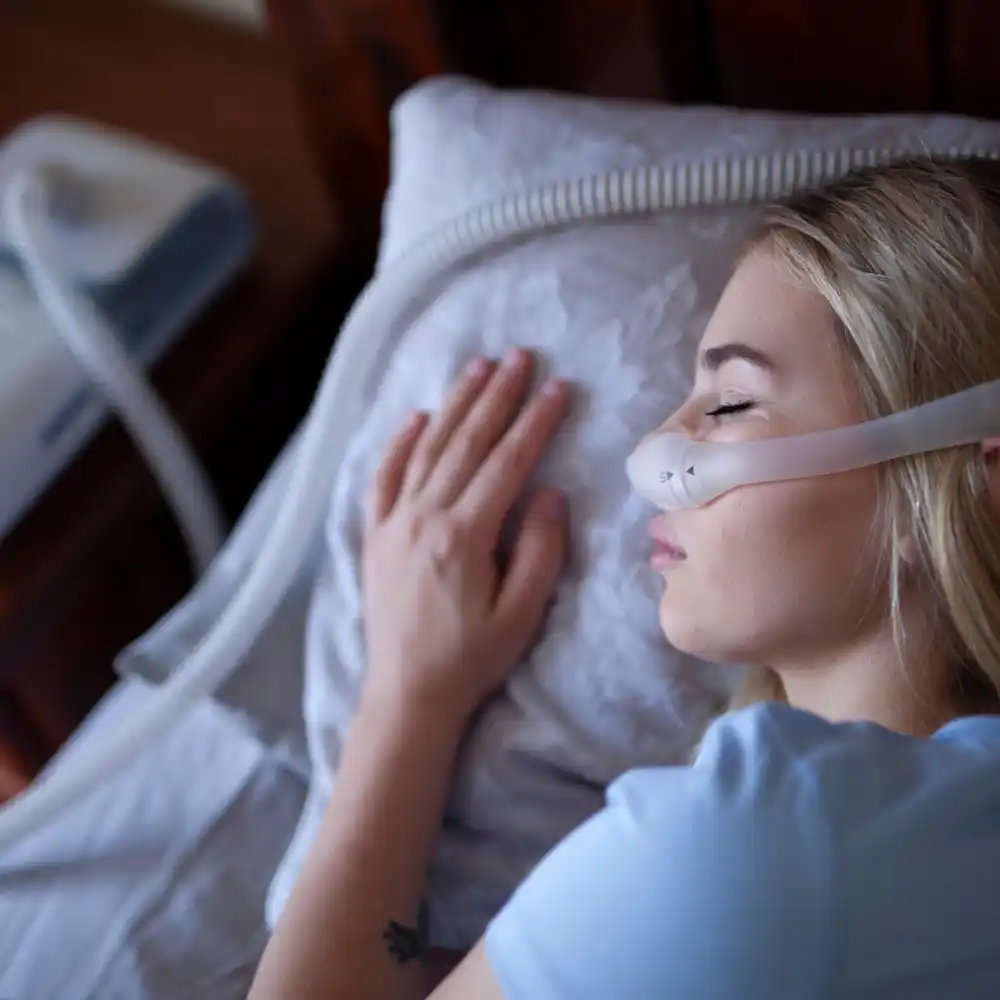
Treatment improves blood pressure control, often reducing or eliminating the need for medications
Patients with AFib who treat their sleep apnea have better outcomes from cardiac procedures
Early diagnosis and treatment can reverse some cardiovascular damage before it becomes permanent
“The cardiovascular benefits of treating sleep apnea are significant and well-documented,” says Dr. Bhar. “But timing matters. The earlier we catch and treat sleep apnea, the more heart damage we can prevent. Do not wait for a cardiac event to be the wake-up call.”
Frequently Asked Questions
Q: Can sleep apnea cause sudden cardiac death?
A: Yes. Research shows people with severe sleep apnea have significantly higher rates of sudden cardiac death, particularly during nighttime sleeping hours (12am to 6am) when apnea events are most severe.
Q: How long does it take for sleep apnea to damage your heart?
A: Cardiovascular damage can begin within months of developing sleep apnea. However, many patients have the condition for years before diagnosis, allowing significant damage to accumulate.
Q: Will treating sleep apnea reverse heart damage?
A: Treatment can improve blood pressure, reduce inflammation, and halt further damage. Some cardiac improvements, like better ejection fraction, have been documented with consistent CPAP use. However, advanced damage like heart failure may be partially but not fully reversible.
Q: I have a healthy heart. Do I still need to worry about sleep apnea?
A: Absolutely. Sleep apnea causes damage over time. A healthy heart today does not protect you from future problems if sleep apnea goes untreated. Early treatment is prevention.
Warning Signs You Should Not Ignore
Get evaluated for sleep apnea if you experience:
- Loud snoring, especially with witnessed pauses in breathing
- Waking up gasping or choking
- Excessive daytime sleepiness despite adequate sleep time
- Morning headaches
- High blood pressure that is difficult to control
- Night sweats not explained by other causes
Protect Your Heart: Get Tested for Sleep Apnea SLIIIP makes sleep apnea diagnosis convenient with home sleep testing and telemedicine consultations. Our board-certified sleep medicine physicians can evaluate your risk and create a treatment plan tailored to your needs. Do not wait for a heart problem to discover you have sleep apnea. Start your evaluation at sliiip.com or call 478-238-3552
Latest posts
-
Why CBT-I Works Even When Medications Don’t
Why CBT-I works when medications do not comes down to one fundamental difference: CBT-I addresses the neural and behavioral patterns that maintain insomnia, while medications suppress symptoms without changing the…
-
CBT-I vs Sleep Medications: What Patients Need to Know
CBT-I vs sleep medications is one of the most important comparisons in sleep medicine today. CBT-I, or Cognitive Behavioral Therapy for Insomnia, is a structured, evidence-based program that addresses the…
-
Sleep Apnea and Depression: What the Research Actually Shows
Sleep apnea and depression share a bidirectional biological relationship that most patients and clinicians do not fully recognize. A Sliiip board-certified sleep physician explains the mechanism, why treatment resistance is…
Get updates
Spam-free subscription, we guarantee. This is just a friendly ping when new content is out.

