
Circadian Rhythm Sleep Disorder: Why Your Sleep Feels Off
Feeling tired even after enough sleep can be frustrating. Many people try better sleep habits, an earlier typical bedtime, or sleep med options, but still feel off. This can happen when your sleep-wake cycle is not in sync with your internal clock. A circadian rhythm sleep disorder affects how your brain regulates sleep, wake times, and sleep quality. When timing is off, daily life feels harder than it should. Let’s explore.
SLIIIP.COM offers personalized care for people struggling with circadian rhythm sleep disorder and other sleep timing problems. Our team focuses on identifying the cause of your sleep issues and creating a treatment plan that fits your lifestyle. Call 478-238-3552 today to schedule support and start feeling rested again.
How the Internal Clock Controls Your Sleep
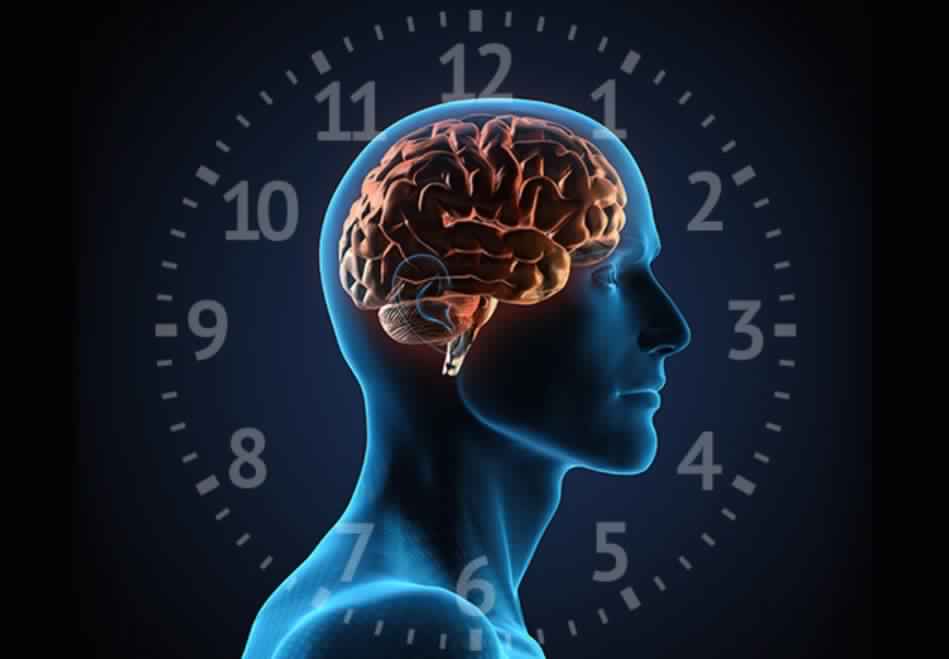
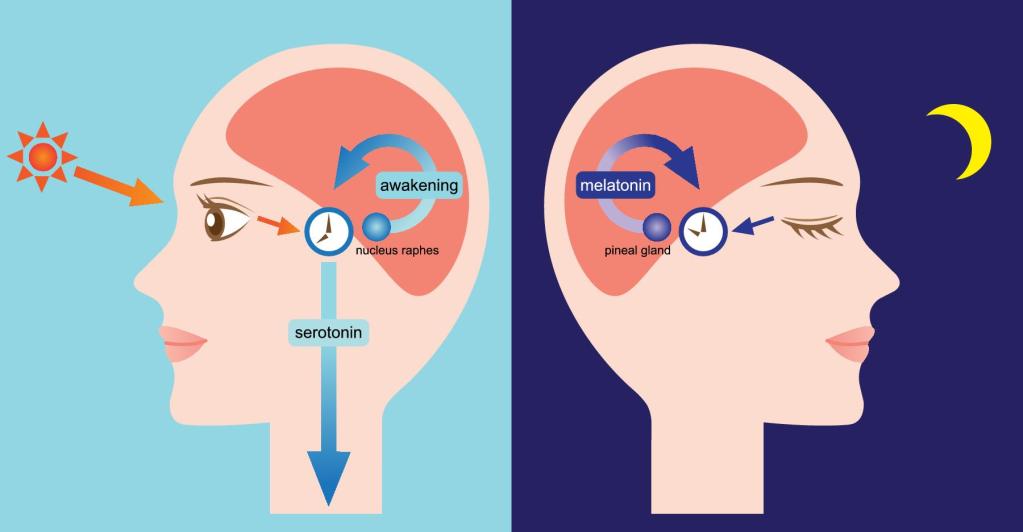
Your internal clock, also called the biological clock, controls your sleep cycle and wake patterns. This central clock sits in the suprachiasmatic nucleus of the brain and responds to the light-dark cycle. It helps manage body temperature, hormone secretion, and melatonin rhythms across long periods.
In a normal person, this circadian system supports consolidated sleep at night and alertness during the day. But constant light, irregular sleep habits, or risk factors like shift work can disrupt internal circadian rhythms and overall circadian regulation.
Common Types of Circadian Sleep Disorders
There is more than one circadian rhythm disorder, also called sleep-wake rhythm disorder or sleep-wake phase disorder. These include delayed sleep phase disorder (delayed sleep phase syndrome), advanced sleep phase disorder, and irregular sleep-wake rhythm.
Young adults often struggle with delayed sleep onset and trouble waking at the desired sleep time. Others wake earlier than planned, experience early-morning awakenings, or experience disturbed sleep and excessive daytime sleepiness.
Sleep Patterns, Wake Times, and Daily Function
When sleep patterns do not align with the day-night cycle, people may struggle to fall asleep or wake up earlier than needed. This can cause excessive sleepiness, sleep inertia, poor sleep quality, and trouble with daily tasks.
Over time, poor control of sleep schedules affects wake patterns, sleep regulation, and metabolic disorders. Without enough sleep, people feel worn down, even if they spend long periods in bed.
Shift Work, Jet Lag, and Lifestyle Causes
Shift workers often experience shift work sleep disorder, also known as shift work disorder, due to exposure to bright light at night and limited morning light exposure. Constant schedule changes confuse the human circadian clock and circadian period.
Severe jet lag or jet lag disorder also disrupts the sleep-wake cycle. Crossing time zones quickly affects melatonin rhythms, hormone secretion, and sleep onset, leading to excessive daytime sleepiness and disturbed sleep.

How Circadian Rhythm Sleep Disorder Affects Daily Life
- Disrupts the natural sleep-wake cycle, making it hard to fall asleep or wake on time.
- Causes excessive daytime sleepiness, even after enough sleep.
- Leads to trouble waking, sleep inertia, and low energy during the day.
- Affects sleep quality and creates irregular sleep patterns.
- It can interfere with work, school, and social routines.
- Often worsens with poor sleep habits, shift work, or constant exposure to light.
- May increase stress and reduce overall well-being when untreated.
Tracking Sleep and Getting the Right Diagnosis
Keeping a sleep log helps show typical bedtime and wake times, sleep patterns, and trends toward waking earlier. This data helps a sleep medicine specialist understand wake patterns, sleep cycle timing, and sleep quality issues.
Sleep medicine clinics follow clinical practice guideline standards to diagnose circadian sleep disorders. Proper review helps accurately identify irregular sleep-wake rhythm, delayed sleep phase disorder, or advanced sleep phase disorder.
Treatment Options That Support Better Sleep Timing
Treatment focuses on resetting the internal circadian rhythms. Light therapy, or light treatment, uses bright light exposure, especially morning light, to reset the internal clock and circadian system.
Some patients use melatonin supplements or other sleep med options to support melatonin rhythms. With guidance from a sleep medicine specialist, better sleep habits, stable wake times, and the right plan can restore a healthy sleep-wake rhythm.
Final Thought
If your sleep feels off and daily tiredness is affecting your life, help is available. Circadian rhythm sleep disorder can be treated with the proper guidance and care. The team at SLIIIP.COM is ready to support your sleep health journey. Call 478-238-3552 to speak with a specialist and take the next step toward better sleep and better days.
Latest posts
-
Melatonin and Sleepytime Tea: Better Sleep Benefits
When it’s been a long day, and your mind won’t rest, finding a natural sleep aid can make all the difference. Melatonin and Sleepytime Tea are popular choices to help…
-
Waking Up at 2AM? Causes and Solutions Explained
Waking up at 2AM can be frustrating, especially when it happens night after night. Middle-of-the-night awakenings may be caused by sleep apnea, sleep-onset insomnia, or sleep-maintenance insomnia. Poor sleep hygiene,…
-
What to Expect Using a CPAP Machine for Snoring
Using a CPAP machine for snoring can feel strange at first, but it is one of the most effective ways to treat sleep apnea and improve sleep quality. Continuous positive…
Get updates
Spam-free subscription, we guarantee. This is just a friendly ping when new content is out.
