

A Complete Guide to Choosing a CPAP Cleaning Machine
Why Clean Your CPAP Machine?
For those managing sleep apnea with a CPAP (Continuous Positive Airway Pressure) machine, proper maintenance is essential to ensure both the machine’s performance and your well-being. CPAP machines deliver a steady flow of air through a mask worn over the nose or mouth, helping you breathe more easily while you sleep. Using a CPAP machine not only improves sleep quality but also plays a crucial role in reducing the risk of serious health issues linked to untreated sleep apnea, such as heart disease, high blood pressure, stroke, and even diabetes.

However, without regular cleaning, your CPAP equipment can become a breeding ground for bacteria, mold, and allergens, which may compromise your health. Keeping your device clean ensures that it continues to work effectively, helping you avoid respiratory infections and other complications. CPAP cleaning machines offer a convenient, efficient way to maintain your device’s hygiene, allowing you to focus on getting restful sleep without the hassle.
In this guide, we’ll explain how to properly clean your CPAP equipment and offer tips on selecting the right cleaning machine. By maintaining your CPAP system, you can continue to experience the full benefits of improved sleep and long-term health..
Why a CPAP Cleaning Machine is Important?
Manually cleaning your CPAP equipment with mild soap and distilled water is effective but time-consuming, and it may not remove all bacteria and pathogens. A CPAP cleaning machine, on the other hand, provides a convenient way to sanitize CPAP equipment by using advanced technologies like ozone or UV light. Popular models like SoClean 3 and VirtuCLEAN are well-known, but there are many other excellent options to consider.
Expert Insights: Dr. Avinesh Bhar on CPAP
Dr. Avinesh Bhar, a renowned sleep specialist and expert in CPAP therapy, frequently emphasizes the importance of regular cleaning to maintain a CPAP machine’s hygiene and performance.
3. “Many of my patients find it challenging to keep up with daily cleaning, which is why I often recommend a reliable CPAP cleaner. These machines provide a hassle-free solution for keeping your device germ-free and in optimal condition,” Dr. Bhar explains.

If you’re feeling overwhelmed by the maintenance process or have questions about how to get the most out of your CPAP therapy, don’t hesitate to reach out to a CPAP expert. Booking an appointment with a professional can help you optimize your CPAP settings, improve your comfort, and reduce any anxiety or issues you might be facing.
Top 5 CPAP Cleaners
When looking for the best sanitizing machines for your CPAP equipment, there are plenty of options to suit various needs. Here’s a look at 5 highly-rated CPAP cleaners that you might want to consider.
1. NuWave CPAP Sanitizer
One of the most popular CPAP cleaners, the Nuwave Sanitizer is designed as a portable option and for everyday home use that uses ozone to clean your CPAP. It’s battery-operated, making it convenient for users on the go, and it cleans your equipment in about 30 minutes. It’s a great choice for frequent travelers or anyone who needs a lightweight solution.

2. Liviliti Paptizer UV Sanitizer
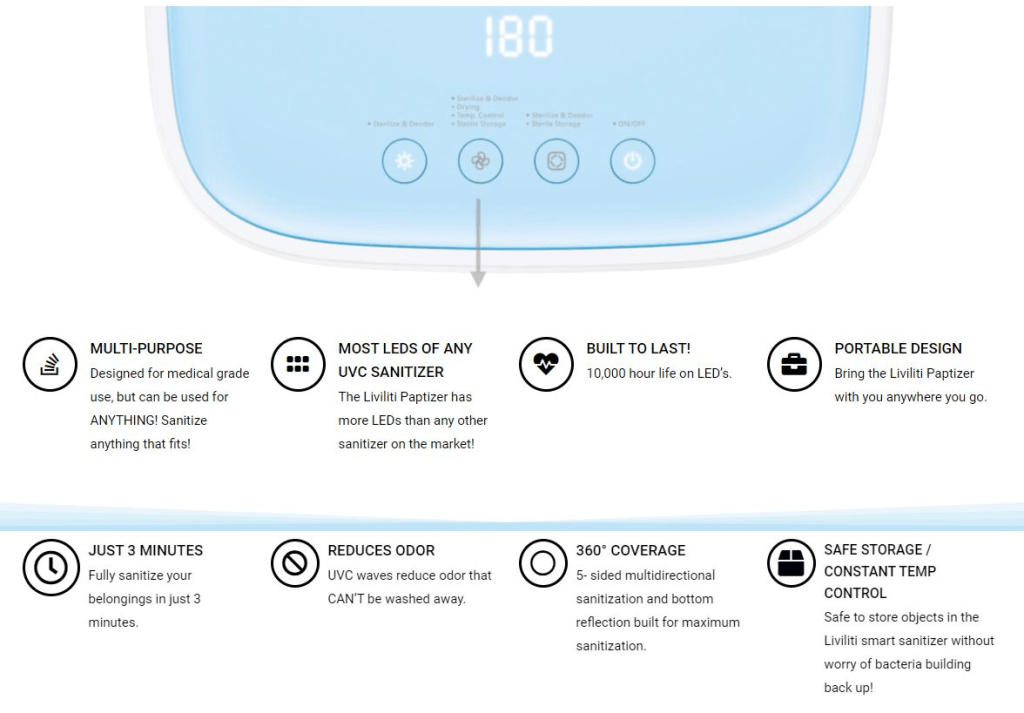
The Liviliti Paptizer is a versatile and one of the most popular UV-based cleaners that can be used for various items, including CPAP masks and hoses. It has a large capacity, allowing you to clean multiple items at once. It’s a great multi-use option for households looking to sanitize more than just CPAP supplies.
3. Purify O3
The Purify O3 and Purify O3 Elite use ozone to sanitize your CPAP equipment. It’s designed to be user-friendly with one-button operation and an automatic shutoff once the cleaning cycle is complete. It’s compact and travel-friendly, plus it offers a battery life that lasts up to several cleaning cycles.


4. SoClean 3
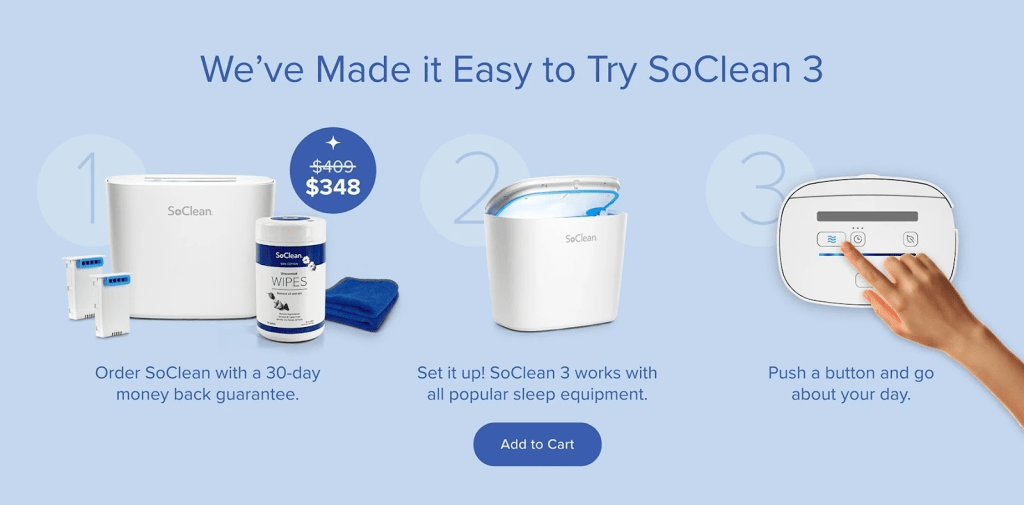
The SoClean 3 uses activated oxygen (ozone) to sanitize your machine without water or chemicals. It’s compatible with most CPAP machines, including those with heated humidifiers. Many users like its ease of use and hassle-free design.
5. iSonic Ultrasonic Cleaner
The iSonic cleaner uses ultrasonic sound waves to clean your CPAP mask, water chamber, and nasal pillows. It’s an excellent option for those who prefer water-based cleaning methods, though it doesn’t sanitize with ozone or UV light. Pair it with a sanitizer like the Lumin for complete cleanliness.

Conclusion
Maintaining a clean and properly functioning CPAP machine is essential not only for the equipment’s longevity but also for your overall health and comfort. Investing in a CPAP cleaning machine can help you simplify your routine, ensuring that your CPAP equipment is always sanitized and ready to use. From the SoClean 3 to the Coral UV Sanitizer and other options, finding the right CPAP cleaner can make a significant difference in how effective and hassle-free your therapy is.
Take control of your sleep therapy today. Schedule a consultation with a CPAP expert to help you achieve a smoother, healthier experience with your CPAP machine!
Why Clean Your CPAP Machine?
For those managing sleep apnea with a CPAP (Continuous Positive Airway Pressure) machine, proper maintenance is essential to ensure both the machine’s performance and your well-being. CPAP machines deliver a steady flow of air through a mask worn over the nose or mouth, helping you breathe more easily while you sleep. Using a CPAP machine not only improves sleep quality but also plays a crucial role in reducing the risk of serious health issues linked to untreated sleep apnea, such as heart disease, high blood pressure, stroke, and even diabetes.
However, without regular cleaning, your CPAP equipment can become a breeding ground for bacteria, mold, and allergens, which may compromise your health. Keeping your device clean ensures that it continues to work effectively, helping you avoid respiratory infections and other complications. CPAP cleaning machines offer a convenient, efficient way to maintain your device’s hygiene, allowing you to focus on getting restful sleep without the hassle.
In this guide, we’ll explain how to properly clean your CPAP equipment and offer tips on selecting the right cleaning machine. By maintaining your CPAP system, you can continue to experience the full benefits of improved sleep and long-term health..
Why a CPAP Cleaning Machine is Important?
Manually cleaning your CPAP equipment with mild soap and distilled water is effective but time-consuming, and it may not remove all bacteria and pathogens. A CPAP cleaning machine, on the other hand, provides a convenient way to sanitize CPAP equipment by using advanced technologies like ozone or UV light. Popular models like SoClean 3 and VirtuCLEAN are well-known, but there are many other excellent options to consider.
Expert Insights: Dr. Avinesh Bhar on CPAP
Dr. Avinesh Bhar, a renowned sleep specialist and expert in CPAP therapy, frequently emphasizes the importance of regular cleaning to maintain a CPAP machine’s hygiene and performance.
3. “Many of my patients find it challenging to keep up with daily cleaning, which is why I often recommend a reliable CPAP cleaner. These machines provide a hassle-free solution for keeping your device germ-free and in optimal condition,” Dr. Bhar explains.
If you’re feeling overwhelmed by the maintenance process or have questions about how to get the most out of your CPAP therapy, don’t hesitate to reach out to a CPAP expert. Booking an appointment with a professional can help you optimize your CPAP settings, improve your comfort, and reduce any anxiety or issues you might be facing.
How to Clean CPAP Equipment: Step-by-Step
1. Disassemble Your CPAP Machine: Unplug the machine and disconnect the mask, hose, and water chamber.
2. Clean with Mild Soap: Wash the mask, hose, and water chamber using mild soap and warm running water. Avoid using harsh chemicals that can damage the parts.
3. Rinse Thoroughly: Be sure to rinse all components thoroughly to remove any soap residue.
4. Dry the Equipment: Let all parts air-dry completely before reassembling your CPAP machine. Use a clean towel or drying rack to avoid contamination.
5. Sanitize the Equipment: After drying, place the parts into a CPAP cleaning machine to ensure thorough sanitization. This step is crucial for eliminating any lingering germs or bacteria.
6. Reassemble: Once all components are clean and dry, reassemble your CPAP machine.
Top 5 CPAP Cleaners
When looking for the best sanitizing machines for your CPAP equipment, there are plenty of options to suit various needs. Here’s a look at 5 highly-rated CPAP cleaners that you might want to consider.
1. NuWave CPAP Sanitizer
One of the most popular CPAP cleaners, the Nuwave Sanitizer is designed as a portable option and for everyday home use that uses ozone to clean your CPAP. It’s battery-operated, making it convenient for users on the go, and it cleans your equipment in about 30 minutes. It’s a great choice for frequent travelers or anyone who needs a lightweight solution.
2. Liviliti Paptizer UV Sanitizer
The Liviliti Paptizer is a versatile and one of the most popular UV-based cleaners that can be used for various items, including CPAP masks and hoses. It has a large capacity, allowing you to clean multiple items at once. It’s a great multi-use option for households looking to sanitize more than just CPAP supplies.
3. Purify O3
The Purify O3 and Purify O3 Elite use ozone to sanitize your CPAP equipment. It’s designed to be user-friendly with one-button operation and an automatic shutoff once the cleaning cycle is complete. It’s compact and travel-friendly, plus it offers a battery life that lasts up to several cleaning cycles.
4. SoClean 3
The SoClean 3 uses activated oxygen (ozone) to sanitize your machine without water or chemicals. It’s compatible with most CPAP machines, including those with heated humidifiers. Many users like its ease of use and hassle-free design.
5. iSonic Ultrasonic Cleaner
The iSonic cleaner uses ultrasonic sound waves to clean your CPAP mask, water chamber, and nasal pillows. It’s an excellent option for those who prefer water-based cleaning methods, though it doesn’t sanitize with ozone or UV light. Pair it with a sanitizer like the Lumin for complete cleanliness.
Conclusion
Maintaining a clean and properly functioning CPAP machine is essential not only for the equipment’s longevity but also for your overall health and comfort. Investing in a CPAP cleaning machine can help you simplify your routine, ensuring that your CPAP equipment is always sanitized and ready to use. From the SoClean 3 to the Coral UV Sanitizer and other options, finding the right CPAP cleaner can make a significant difference in how effective and hassle-free your therapy is.
Take control of your sleep therapy today. Schedule a consultation with a CPAP expert to help you achieve a smoother, healthier experience with your CPAP machine!

3 responses to “A Complete Guide to Choosing a CPAP Cleaning Machine”
[…] open the air passage by sticking onto a nosepiece or the mask held onto the sleeping patient. Often CPAP products are required to keep the machine […]
[…] depends upon the severity and type of condition. The most common is a CPAP machine which requires CPAP products or a sleep apnea mouth guard. Probably for most sufferers, lifestyle measures such as reducing […]
So according to the article above, you still have to wash and rinse the CPAP componets by hand, let them dry and then use the cleaning machine. How does this save me ANY time at all over washing them by hand only.