👉 Register for Free. Peri/Menopause at Midnight: Why You Wake Up Hot, Wired, and Wide Awake at 3AM. – Friday, March 27th, 3:00 AM ET with Dr. Audrey Wells.

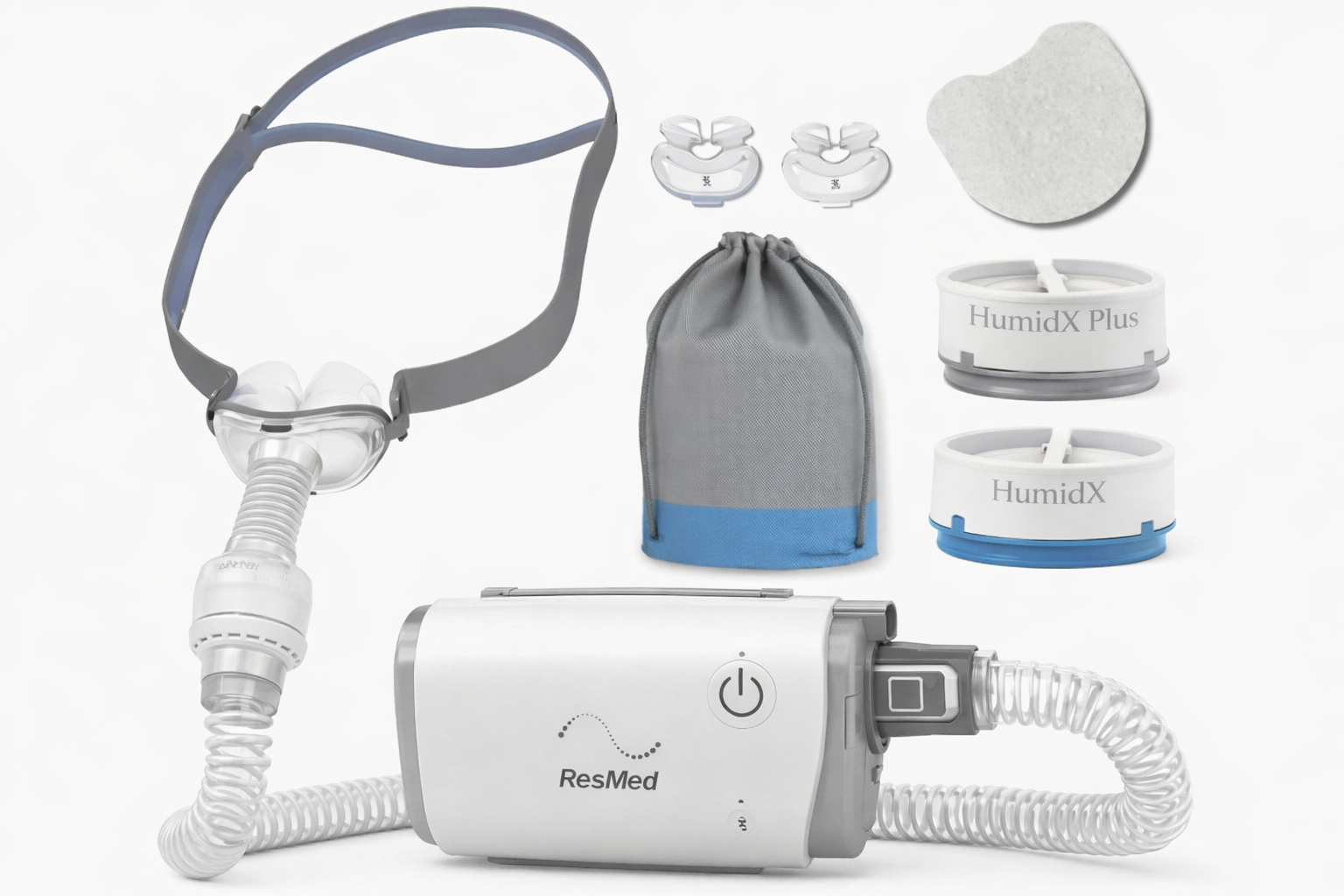
CPAP Machine Costs Explained: A Complete Buyer’s Guide for 2026
If you have been diagnosed with sleep apnea and prescribed CPAP therapy, understanding the costs involved is an important part of planning your journey toward better rest. CPAP machines represent a significant investment, and prices can vary considerably depending on the type of device, its features, and whether you use insurance or pay out of pocket.
Dr. Avinesh Bhar, the Founder of SLIIIP is also a sleep apnea sufferer. He has helped thousands get sleep apnea treatment and he and his team of sleep medicine physicians can help you too. This guide breaks down everything you need to know about CPAP machine costs explained so you can make the best decision.
CPAP Machine Prices: What to Expect
The cost of a CPAP machine typically ranges from $500 to $1,500 when purchased without insurance, with most popular models falling between $700 and $1,100. Several factors influence pricing, including the type of machine, brand reputation, included features, and whether you purchase a current model or an older generation device.
Standard CPAP machines that deliver air at a single fixed pressure tend to be the most affordable option. These devices work well for many people and provide the basic functionality needed for effective sleep therapy. Prices for basic CPAP models generally start around $400 to $600.
Do you need a new CPAP? If you are struggling with CPAP compliance, mask leaks, or you feel it’s jist not working. We can help. Our team of board-certified sleep doctors are experts in CPAP setup and can help you maximize the benefits of your CPAP.
Auto-adjusting CPAP machines, often called APAP or AutoPAP devices, use sensors to automatically adjust air pressure throughout the night based on your breathing patterns. This technology provides more personalized therapy and may be more comfortable for some users. APAP machines typically cost between $600 and $1,600.
BiPAP machines, which provide different pressure levels for inhaling and exhaling, represent the highest-cost category. These devices are usually prescribed for more complex breathing needs and range from $900 to $3,000 or more.
Popular CPAP Models and Their Costs

Among the most popular CPAP machines currently available, the ResMed AirSense 11 AutoSet typically retails for approximately $900 to $1,100. This flagship auto-adjusting device includes an integrated humidifier and advanced comfort features that many users appreciate.
The previous generation ResMed AirSense 10 AutoSet remains widely available at lower prices, generally ranging from $700 to $900. While it lacks some newer features, it remains an effective and reliable option for CPAP therapy.
Philips Respironics DreamStation 2 machines typically fall in the $800 to $1,100 range depending on the specific model and features. Other reputable brands like Luna and Z1 offer quality machines at varying price points to suit different budgets.
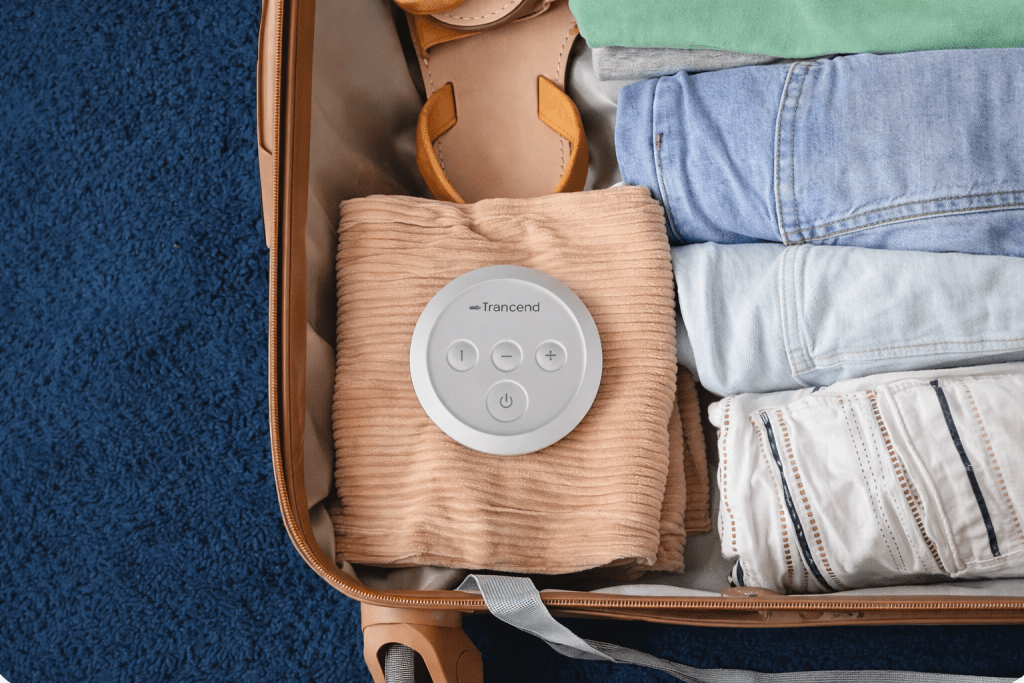
Travel CPAP machines, which are smaller and lighter for portability, often cost between $700 and $1,200. These compact devices may appeal to frequent travelers but typically lack some features found in full-sized models.
Essential CPAP Supplies and Ongoing Costs
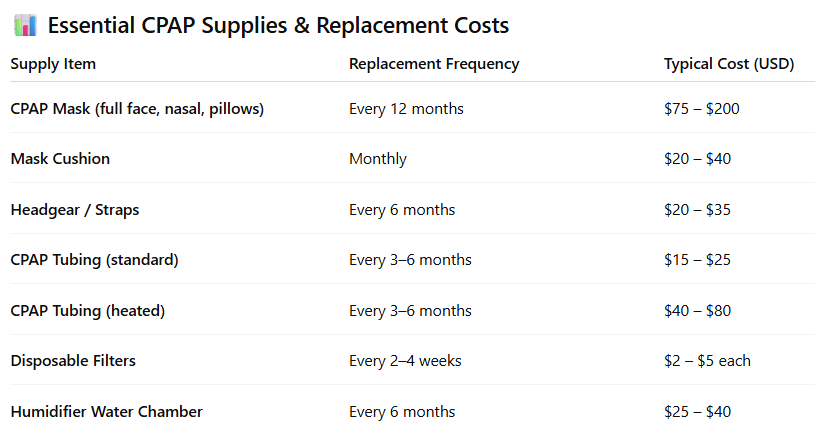
The CPAP machine itself represents only part of your total investment. Essential supplies needed for effective therapy include masks, cushions, headgear, tubing, filters, and humidifier water chambers. These components require regular replacement to maintain hygiene and performance.
CPAP masks are among the most significant ongoing expenses. Depending on the style you choose, masks typically cost between $75 and $200 each. Full face masks that cover both the nose and mouth tend to cost more than nasal masks or nasal pillow styles. Most manufacturers recommend replacing masks every 12 months, though cushions should be replaced more frequently.
Mask cushions, which create the seal between your face and the mask, generally need monthly replacement. These typically cost $20 to $40 each. Headgear straps should be replaced every six months or when they lose elasticity, at a cost of $20 to $35.
CPAP tubing connects your mask to the machine and should be replaced every three to six months. Standard tubing costs approximately $15 to $25, while heated tubing that helps prevent condensation may cost $40 to $80.
Air filters prevent dust and particles from entering your CPAP machine and your airway. Disposable filters typically cost $2 to $5 each and need replacement every two weeks to a month. Reusable filters that can be washed last longer but still need periodic replacement.
Humidifier water chambers should be replaced every six months and typically cost $25 to $40. Regular replacement helps prevent mineral buildup and maintains effective humidification.
When you add up these ongoing costs, annual CPAP supply expenses typically range from $300 to $800 depending on your specific equipment and replacement frequency. Following manufacturer guidelines for replacement helps ensure your therapy remains effective and hygienic.
CPAP Costs With Insurance Coverage
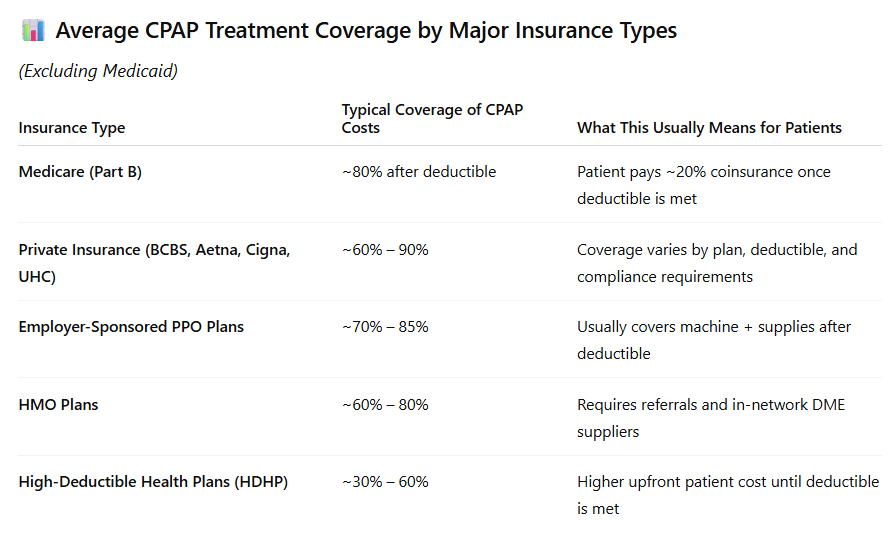
Most health insurance plans, including Medicare and Medicaid, provide at least partial coverage for CPAP machines and supplies when prescribed for diagnosed sleep apnea. However, coverage specifics vary significantly between plans, so understanding your particular policy matters.
Insurance coverage for CPAP equipment typically requires a formal sleep apnea diagnosis from a qualified healthcare provider. Many insurers require documentation from a sleep study confirming your diagnosis and the medical necessity of CPAP therapy.
At SLIIIP we can ship you a home sleep study that you would wear for 2-3 nights. After you have done the test, our board-certified sleep specialists will review the data and prepare the documentation for your insurance to approve a CPAP.
Example of Sleep Study that SLIIIP ships patients to test for sleep apnea.

Some insurance plans cover CPAP machines as a direct purchase, while others use a rent-to-own arrangement where you make monthly payments until the device becomes yours. Rent-to-own periods typically last 10 to 13 months.
Even with insurance, you may still face out-of-pocket expenses. Deductibles, which you must pay before insurance coverage begins, can range from hundreds to thousands of dollars depending on your plan. Once your deductible is met, coinsurance typically requires you to pay a percentage of costs, often 20 to 40 percent.
Compliance monitoring is another consideration with insurance coverage. Many insurers require proof that you are using your CPAP machine regularly before continuing coverage. This typically means using the device for at least four hours per night on 70 percent of nights during an initial trial period. If compliance requirements are not met, coverage may be reduced or terminated.
For more details about what insurance typically covers, the insurance coverage guide provides comprehensive information about navigating CPAP insurance benefits.
Buying CPAP Without Insurance: Pros and Cons
🛒 When Paying Out of Pocket Makes Sense
☐ I prefer immediate ownership of my CPAP machine
☐ I want no compliance monitoring or usage requirements
☐ I want freedom to choose any brand, model, or vendor
☐ My insurance has a high deductible, making coverage less helpful
☐ I want to avoid insurance paperwork, authorizations, and claims
⭐ Advantages of Buying Without Insurance
☐ No restrictions from insurance-approved suppliers
☐ Full access to advanced or premium features
☐ No rental or rent-to-own periods
☐ Faster access to equipment
☐ Less administrative hassle overall
⚠️ Consider the Downsides
☐ I am comfortable paying the full cost upfront
☐ I understand supplies (masks, tubing, filters) are also out-of-pocket
☐ I won’t receive insurance reimbursement
Ways to Save on CPAP Equipment
Whether you use insurance or pay out of pocket, several strategies can help reduce your CPAP costs.
Consider purchasing slightly older generation machines that offer similar core functionality at lower prices. While the newest models include the latest features, previous generation devices from reputable manufacturers remain effective and reliable options for therapy.
Using a Flexible Spending Account (FSA) or Health Savings Account (HSA) allows you to pay for CPAP equipment with pre-tax dollars, effectively reducing your cost by your marginal tax rate. CPAP machines and supplies are eligible expenses for both account types.
Buying supplies in bulk or subscribing to regular replacement programs from CPAP retailers often provides discounts compared to purchasing items individually. Many suppliers offer subscription services that automatically ship replacement supplies at discounted prices.
Shopping during sales events like Black Friday, holiday promotions, or clearance sales can yield significant savings. Signing up for email newsletters from CPAP retailers often provides access to exclusive discount codes.
Refurbished CPAP machines offer another cost-saving option. These devices have been professionally restored to working condition and typically come with warranties. Prices for refurbished machines can be 30 to 50 percent lower than new equipment.
Some charitable organizations offer assistance programs for people who cannot afford CPAP equipment. The American Sleep Apnea Association and other groups provide resources for those facing financial barriers to sleep therapy.
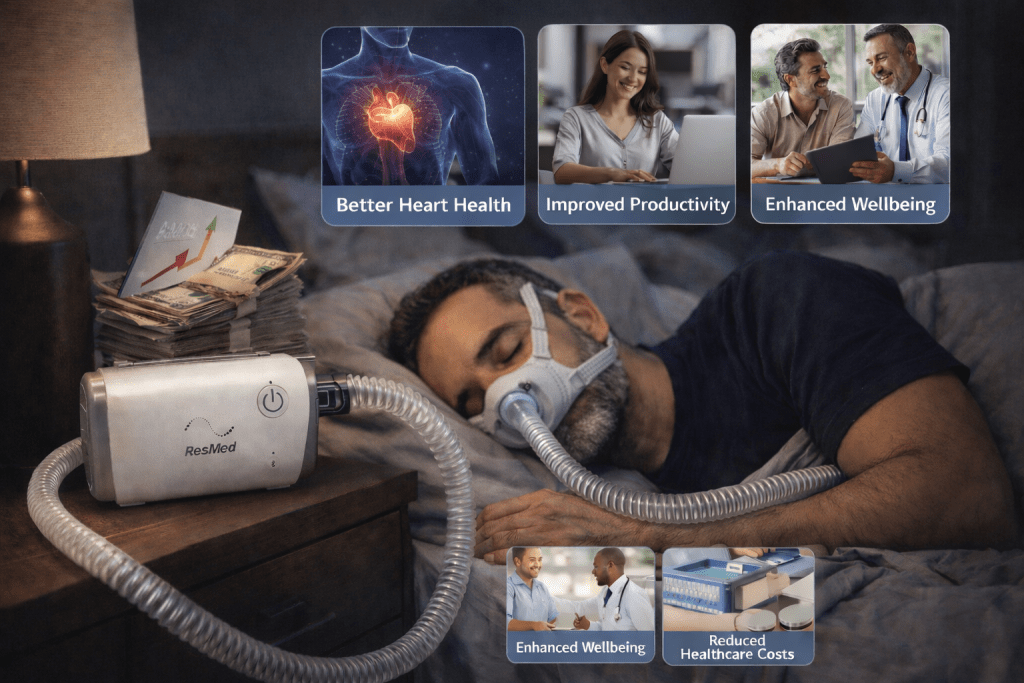
Understanding the Value of CPAP Investment
While CPAP costs can seem substantial, it helps to consider the value of effective sleep apnea management in terms of overall wellbeing and quality of life. Untreated sleep apnea can affect energy levels, cognitive function, mood, and daily productivity.
Research has suggested that addressing sleep apnea with CPAP therapy may provide benefits that extend beyond better sleep, potentially supporting heart health and reducing risks associated with untreated breathing difficulties during sleep.
From a purely financial perspective, some estimates suggest that treating sleep apnea effectively could save thousands of dollars annually through reduced healthcare costs, improved productivity, and fewer accidents related to fatigue. While individual results vary, the investment in quality CPAP equipment often pays dividends in improved daily functioning.
Getting Started With CPAP Therapy
If you are considering CPAP therapy, the first step is obtaining a proper diagnosis through a qualified sleep specialist. A sleep medicine professional can evaluate your symptoms, order appropriate testing, and provide a prescription if CPAP therapy is appropriate for your situation.
Once you have a prescription, you can explore your options for obtaining equipment through insurance, purchasing directly, or a combination approach. Many people find it helpful to work with sleep professionals who can guide them through equipment selection and proper setup.
Proper mask fitting is crucial for successful CPAP therapy. An ill-fitting mask can cause discomfort, air leaks, and poor therapy results. Many CPAP suppliers offer fitting assistance to help you find the right mask style and size for your face shape and sleeping position.
Frequently Asked Questions
How much does a CPAP machine cost without insurance?
CPAP machines typically cost between $500 and $1,500 without insurance, with most popular models ranging from $700 to $1,100 depending on features and brand.
Does insurance cover CPAP machines?
Most health insurance plans, Medicare, and Medicaid provide at least partial coverage for CPAP machines when prescribed for diagnosed sleep apnea. Coverage details vary by plan.
How much do CPAP supplies cost per year?
Annual CPAP supply costs typically range from $300 to $800 depending on the specific masks, filters, and accessories you need and how often you replace them.
Can I buy a CPAP machine without a prescription?
No, CPAP machines are classified as medical devices by the FDA and require a prescription from a licensed healthcare provider.
Is it cheaper to buy CPAP through insurance or out of pocket?
The answer depends on your specific insurance plan. With high-deductible plans, paying out of pocket may cost less. With low-deductible plans and good coverage, insurance may provide savings.
How often do CPAP machines need to be replaced?
CPAP machines typically last 5 to 7 years with proper care. Insurance companies often cover replacement every 5 years if medical necessity continues.
What is the most affordable type of CPAP machine?
Standard fixed-pressure CPAP machines are generally the most affordable, with prices starting around $400 to $600 for basic models.
How much do CPAP masks cost?
CPAP masks typically range from $75 to $200 depending on the style, with full face masks generally costing more than nasal masks or nasal pillows.
Do I need a humidifier with my CPAP machine?
While not strictly required, humidifiers help prevent dryness and discomfort. Many modern CPAP machines include integrated humidifiers.
What is CPAP compliance monitoring?
Compliance monitoring tracks how often and how long you use your CPAP machine. Insurance companies often require meeting usage thresholds to continue coverage.
Are travel CPAP machines more expensive?
Travel CPAP machines typically cost $700 to $1,200 and may not be covered by insurance since they are often considered non-essential.
Can I use FSA or HSA funds for CPAP equipment?
Yes, CPAP machines and supplies are eligible expenses for both Flexible Spending Accounts and Health Savings Accounts.
How much does BiPAP cost compared to CPAP?
BiPAP machines are significantly more expensive than CPAP, typically ranging from $900 to $3,000 due to their more advanced technology.
What ongoing costs should I expect with CPAP therapy?
Ongoing costs include replacement masks, cushions, filters, tubing, and humidifier chambers. Budget approximately $25 to $75 per month for supplies.
Are refurbished CPAP machines a good option?
Refurbished machines from reputable sellers can be a cost-effective option, typically offering 30 to 50 percent savings compared to new equipment.
Does Medicare cover CPAP machines?
Yes, Medicare Part B typically covers CPAP machines and supplies for qualifying beneficiaries with diagnosed sleep apnea who meet compliance requirements.
How can I reduce my CPAP costs?
Compare prices across retailers, consider older generation machines, use FSA/HSA funds, buy supplies in bulk, and watch for sales and promotions.
What is the average monthly cost of CPAP therapy?
After the initial machine purchase, monthly supply costs typically range from $25 to $75 depending on replacement frequency and specific supplies needed.
Do I need heated tubing for my CPAP machine?
Heated tubing helps prevent condensation and may improve comfort, but standard tubing works adequately for many users at lower cost.
Where can I get help paying for CPAP equipment?
Assistance programs through organizations like the American Sleep Apnea Association, charitable foundations, and some manufacturers may help those facing financial barriers.
Thank you for reading this article.
Latest posts
-
Why Can’t I Shut My Brain Off at Night?
If you cannot shut your brain off at night, your nervous system is in a state of physiological hyperarousal. This is not anxiety in the casual sense. It is a…
-
A Week-by-Week Guide to What CBT-I Actually Feels Like
This week-by-week guide to CBT-I describes what patients experience during each phase of Cognitive Behavioral Therapy for Insomnia treatment. Most patients feel worse before they feel better. Knowing what to…
-
Why CBT-I Works Even When Medications Don’t
Why CBT-I works when medications do not comes down to one fundamental difference: CBT-I addresses the neural and behavioral patterns that maintain insomnia, while medications suppress symptoms without changing the…
Get updates
Spam-free subscription, we guarantee. This is just a friendly ping when new content is out.

