👉 Register for Free. Snoring, Heart Risks & Relationships: The Valentine’s Day Sleep Talk
– Upcoming Webinar on Feb 13th with Dr. Wells.

If you’ve been struggling for some time to have a good night’s sleep, you may have considered undergoing a sleep apnea test at home. Home sleep apnea tests are covered by most insurances and can be done in 1 night. They are evaluated by a sleep specialist on the online call, highlighting the importance of accurate testing methods in clinical sleep medicine.
With the at-home sleep test from SLIIIP, that’s exactly what you can do. We make it easy to receive a home sleep study within 48 hours. You will also have a telemedicine consultation with a board-certified sleep doctor. You’ll receive an at-home sleep test device delivered directly to you, then data is collected to provide you a clinical diagnosis by a sleep doctor.
Home sleep apnea tests (HSATs) offer a more convenient, flexible, and cost-effective option compared to traditional in-lab tests, though they may have some accuracy concerns and should be analyzed by a qualified expert.
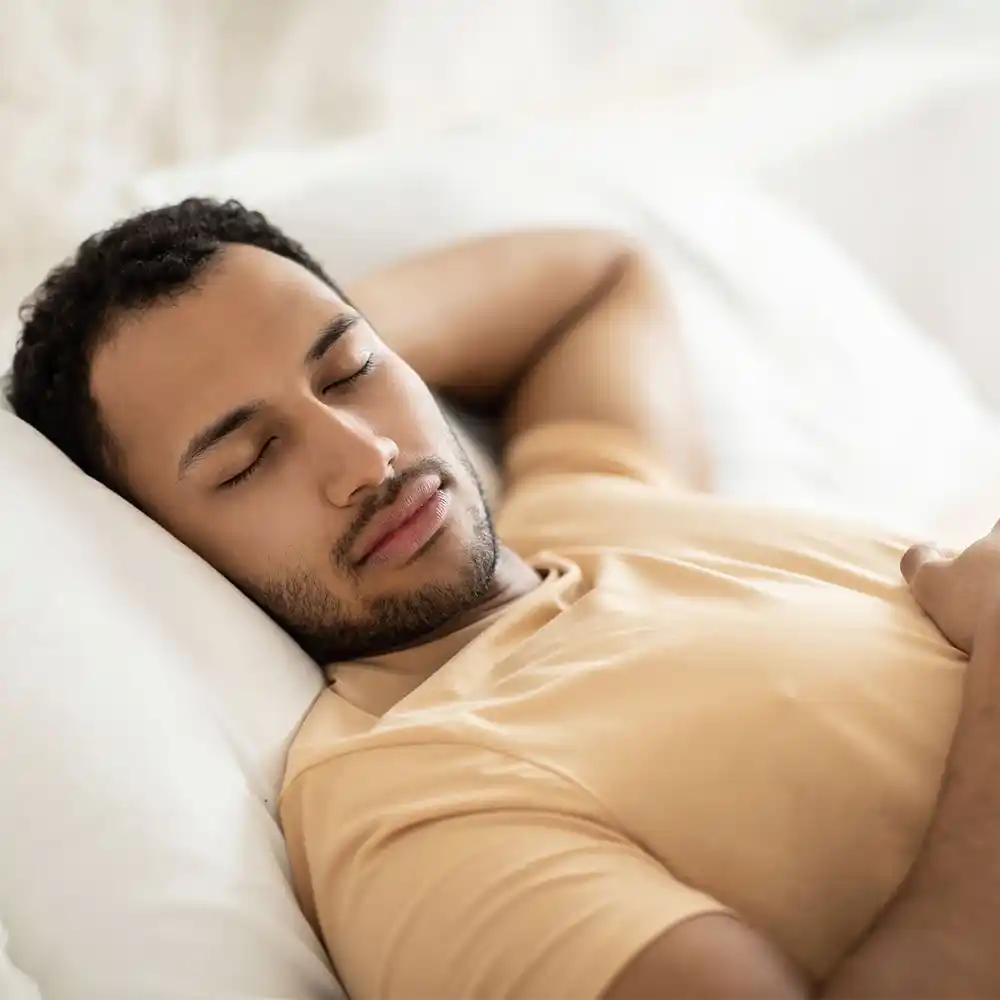
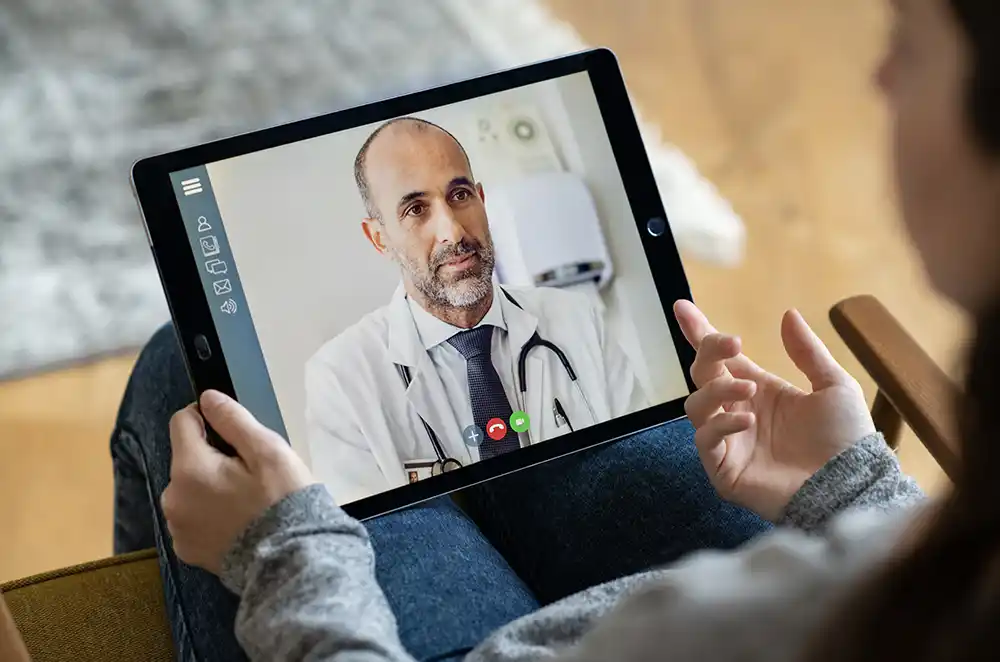
A home sleep test is a simple-to-perform diagnostic procedure that is done in the comfort of your own home. While you sleep, the home sleep test device monitors your breathing and records pauses in your breathing known as Apneas.
What can you expect from SLIIIP and your home sleep test?
The Apnea-Hypopnea Index (AHI) is a crucial measure used to diagnose and assess the severity of sleep apnea, a disorder characterized by repeated interruptions in breathing during sleep. These interruptions, known as apneas (complete cessation of airflow) and hypopneas (partial reduction in airflow), can significantly impact sleep quality and overall health. The AHI quantifies the number of apneas and hypopneas per hour of sleep, providing a numerical value that helps in the sleep apnea diagnosis.
To diagnose sleep apnea, a sleep apnea test is conducted, which can be done with our home sleep apnea tests (HSAT). The results of these tests, particularly the AHI, determine the severity of the condition.
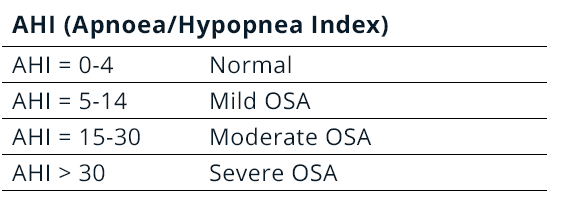
AHI Categories:
Severe Sleep Apnea: AHI of over 30 events per hour.
Mild Sleep Apnea: AHI of 5-15 events per hour.
Moderate Sleep Apnea: AHI of 15-30 events per hour.

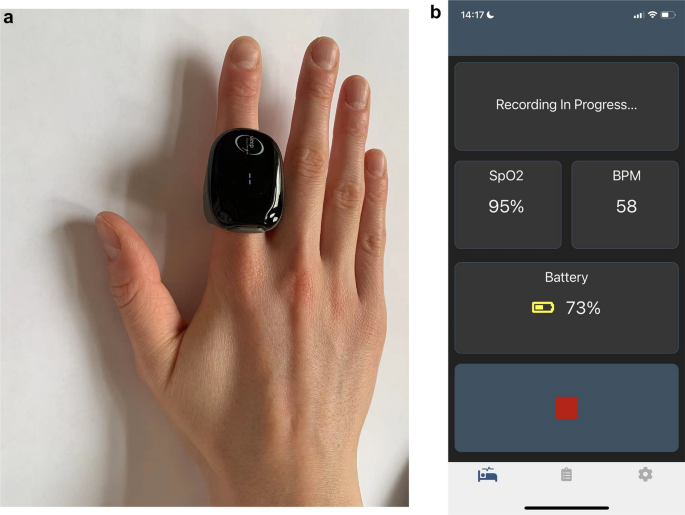
HSATs are increasingly used for their convenience and cost-effectiveness. These tests allow patients to undergo sleep studies in the comfort of their own homes. A home sleep apnea test typically includes sensors that measure airflow, blood oxygen levels, heart rate, and respiratory effort. Home sleep apnea testing can effectively diagnose obstructive sleep apnea (OSA), particularly in patients with a high pre-test probability of moderate to severe OSA. Clinical sleep medicine emphasizes the importance of accurate testing methods and plays a crucial role in evaluating HSAT results.
What Is Sleep Apnea?
Sleep Apnea is a condition where you stop breathing during sleep. An individual with sleep apnea may not be aware of having this difficulty breathing. Sleep apnea, if left untreated, can lead to excessive daytime sleepiness and fatigue, as well as serious health problems such as high blood pressure, heart problems, diabetes and stroke. The good news is, however, that treatment options are available for every sleep apnea sufferer!
Obstructive sleep apnea (OSA) is a significant form of this disorder, and timely diagnosis is crucial to prevent serious health conditions associated with it.
Sleep apnea is characterized by pauses in breathing or shallow breaths during sleep. It is important to differentiate sleep apnea from other sleep disorders, such as insomnia, to provide a comprehensive understanding of a patient’s sleep health.
The Process of Home Sleep Apnea Studies
Apnea Diagnosis: Based on the AHI and other findings, the sleep specialist can make an apnea diagnosis and recommend appropriate apnea therapy.
Preparation: Patients receive a home sleep apnea test kit, often after an initial consultation with a sleep specialist.
Setup: The patient sets up the testing equipment at home, following detailed instructions. The setup usually involves placing sensors on the body to monitor breathing patterns, oxygen levels, and other relevant parameters.
Testing: The patient sleeps with the equipment for one or more nights to collect sufficient data.
Analysis: The data from the home sleep apnea test is analyzed by a sleep specialist to calculate the AHI and determine the presence and severity of sleep apnea.
What if I have severe obstructive sleep apnea?
Patients diagnosed with severe obstructive sleep apnea (OSA) typically have an AHI of over 30 events per hour. This condition requires prompt and effective treatment to prevent serious health complications, such as cardiovascular diseases, daytime fatigue, and cognitive impairments. Common treatments include continuous positive airway pressure (CPAP) therapy, oral appliances, and lifestyle changes.
Why is a home study better?
A home sleep study is often better than a lab study because it allows patients to sleep in their own bed, ensuring more natural sleep patterns compared to a sleep lab. Unlike an in-lab study, which can be uncomfortable and disruptive, a home sleep study avoids the need for an overnight stay in a lab sleep environment. This convenience can lead to more accurate results for diagnosing conditions like sleep apnea. Once your sleep disorder test is complete, we make returning it to us easy. Just place the three components along with the recording device into the box that it came in along with the enclosed shipping label. Ship it back, and we will have the results within 48 hours of receiving the device. If you conducted your test at a sleep center, follow their specific return instructions.
What happens once SLIIIP has the data from my sleep test?
Dr. Bhar and the rest of the team of board-certified sleep medicine doctors at SLIIIP will review the data collected by from the home sleep apnea test. Using it along with the information they’ve collected through your telemedicine consultation to reach a diagnosis. Within 48 hours, SLIIIP will consult with you on your home sleep results and work with you to develop a personalized remote treatment plan. It is important to have a formal sleep apnea diagnosis before starting any treatment.