👉 Register for Free. Snoring, Heart Risks & Relationships: The Valentine’s Day Sleep Talk
– Upcoming Webinar on Feb 13th with Dr. Wells.


How to Get Rid of CPAP Lines Quickly
Waking up with lines on your face from CPAP therapy can be frustrating, but it’s common for many CPAP users. If you’re wondering how to get rid of CPAP lines, the good news is that it’s possible without affecting your continuous favorable airway pressure treatment.
These CPAP mask marks often appear from headgear straps, an overly tight mask, or certain sleeping habits. By choosing the right mask style and making minor adjustments, you can minimize marks and protect your skin. Let’s explore.
At SLIIIP.COM, we provide personalized solutions for sleep therapy, helping CPAP users manage sleep apnea symptoms and improve nightly rest. Get started today by calling 478-238-3552 to protect your skin and enhance your continuous favorable airway pressure treatment.
Adjust Your Mask Fit and Straps
A poor mask fit or an overly tight mask can cause pressure marks, red marks, and skin indentations. Start by checking your mask size and mask type, whether it’s nasal masks, nasal pillow masks, or full face masks. Make sure your mask seal is adequate but not too tight, and adjust headgear tension for comfort.
Proper strap covers or strap pads can reduce friction and help avoid CPAP marks. If your mask leaves marks on your face, try adjusting straps slightly or testing a different mask or smaller mask for a snug fit. This helps reduce pressure while keeping a proper seal for sleep therapy.
Use Mask Liners and Cushions
Mask liners, mask cushions, or gel pads can protect your skin from pressure points and skin irritation. They act as a protective barrier between your skin and headgear straps, helping minimize marks during CPAP therapy.
You can also use mask padding or nasal cushions to improve comfort and prevent pressure sores. Anti-leak mask stabilizers and seal effectiveness accessories help maintain mask contact without leaving red marks. These small additions reduce CPAP strap marks, improve mask fit, and prevent mask leaks.

Maintain Healthy Skin
Hydration and skincare play a significant role in preventing skin indentations and unsightly marks. Apply a hydrating cream or a skin barrier before bedtime, and consider using mild soap to clean your face. Avoid excess facial oils that may interfere with the mask seal.
Regularly checking for allergic reactions or irritation is essential. Using protective barriers, gel pads, or strap pads can prevent pressure marks and skin irritation. Healthy skin helps reduce pressure from mask contact and keeps facial marks from becoming permanent.
Tips to Reduce CPAP Mask Lines
- Use CPAP mask padding or mask cushions to protect your skin and reduce pressure marks.
- Make sure your mask has a proper fit to prevent unsightly marks and improve mask seal.
- Adjust headgear straps gently; too-tight straps can reduce blood flow and leave red marks.
- Monitor for sleep apnea symptoms, such as morning fatigue or headaches, and discuss them with your sleep specialist.
- Rotate sleeping positions and consider a CPAP pillow to reduce mask contact and pressure points.
- Keep mask liners and strap pads clean to maintain comfort and protect your skin.
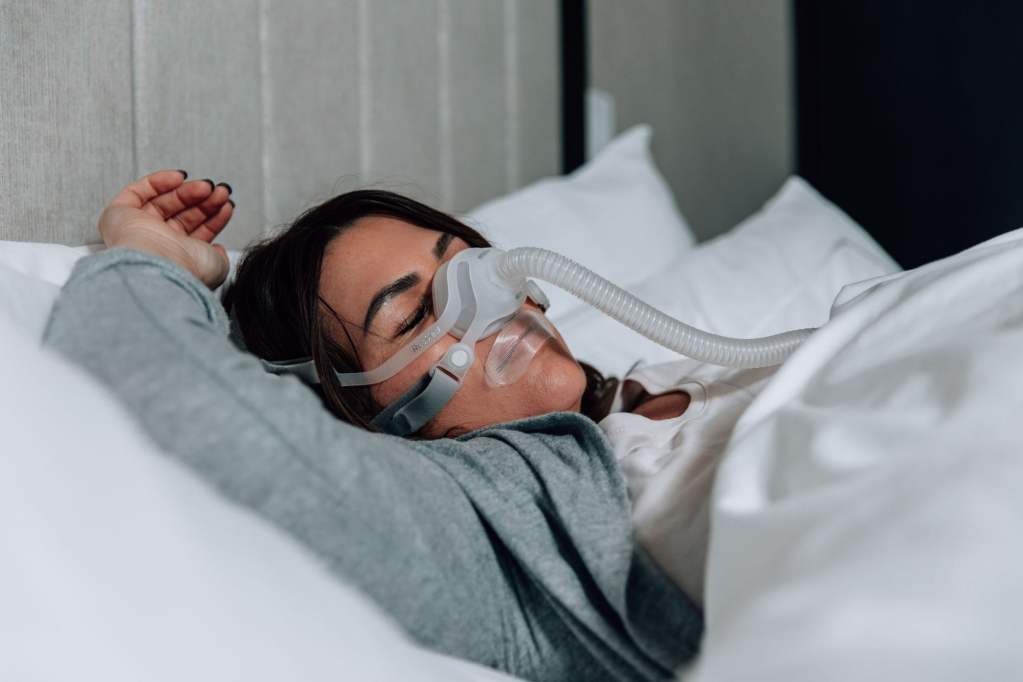
Optimize Your Sleeping Habits
Your sleeping habits and various sleeping positions can affect mask marks. Stomach sleepers may notice more pressure points on their face, while back sleepers often experience fewer lines on their face. Adjust your position to reduce the risk of pressure sores.
Also, consider cpap pillows designed to relieve mask contact and air leaks. Using a snug fit without a tighter mask prevents mask leaks while protecting skin. Changing mask designs or mask options for better comfort can also help avoid CPAP marks during the night.
Keep Your CPAP Equipment Clean and Functional
Regularly cleaning your CPAP machine, mask, and nasal cushions with mild soap helps prevent skin irritation and allergic reactions. Dirty equipment can worsen pressure marks, and skin barriers may lose effectiveness over time, affecting your continuous positive airway pressure therapy.
Check your mask fit, mask type, and mask size often. Replace worn-out mask liners, mask cushions, or strap covers. Proper maintenance ensures an appropriate seal, reduces mask leaks, and prevents unsightly marks, allowing CPAP users to enjoy effective sleep therapy without pressure sores or red marks.
Final Thought:
Taking care of your CPAP mask fit and your sleep habits can dramatically reduce facial lines and improve comfort. For personalized advice, mask options, and sleep therapy support, contact SLIIIP.COM at 478-238-3552. Our sleep specialists are ready to help you enjoy effective CPAP therapy while keeping your skin healthy and protected.
Latest posts
-
Sleep Apnea Symptoms: Complete Guide to Warning Signs in Men, Women, and Children
Medically reviewed by SLIIIP Board-Certified Sleep Medicine Specialists | Last Updated: January 2026 Sleep apnea is a serious sleep disorder that causes your breathing to repeatedly stop and start during…
-
Do I Have Sleep Apnea?
Take This Clinically-Based Sleep Apnea Risk Assessment Based on the STOP-BANG Questionnaire and Epworth Sleepiness Scale | Last Updated: January 2026 IMPORTANT: The quiz “Do I Have Sleep Apnea” is…
-
CPAP Machine Costs Explained: A Complete Buyer’s Guide for 2026
If you have been diagnosed with sleep apnea and prescribed CPAP therapy, understanding the costs involved is an important part of planning your journey toward better rest. CPAP machines represent…
·
Get updates
Spam-free subscription, we guarantee. This is just a friendly ping when new content is out.

