👉 Register for Free. How to Diagnose Sleep Apnea Faster in Primary Care – FREE Webinar by Dr. Audrey Wells. – Friday, April 24 at 12 PM ET


Can CPAP Cause Bloating? How to Manage Bloating and Flatulence on CPAP
Why Does Air Swallowing Happen?
As an online sleep doctor, with sleep telemedicine services in Georgia, Florida and Virginia, I have seen many patients struggling with this issue. Common causes of CPAP bloating and gas in my practice are:
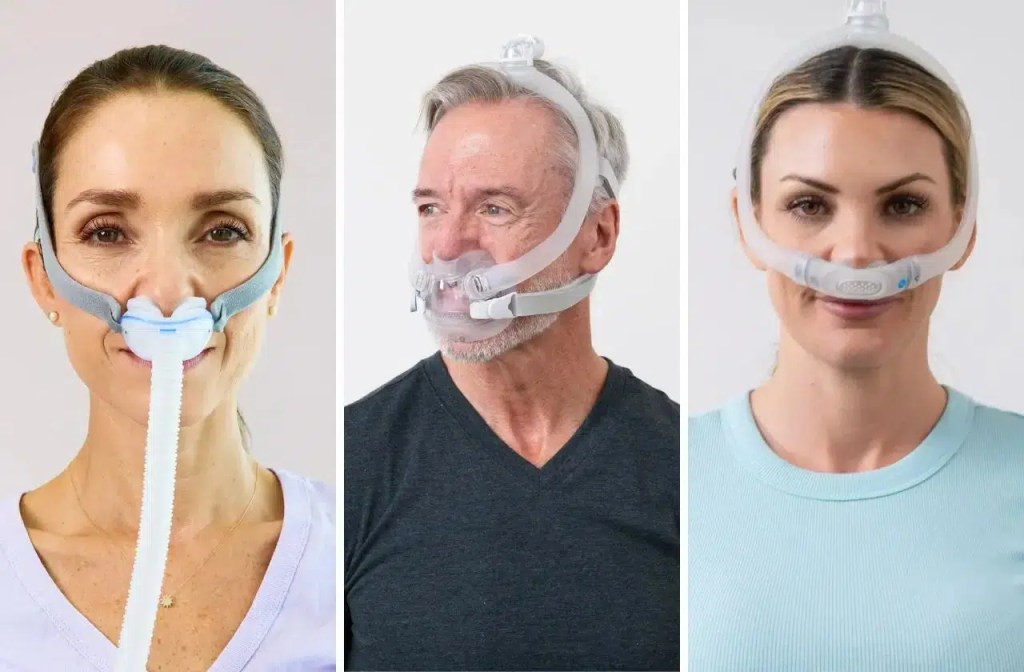
- CPAP mask. The type of CPAP mask you wear may cause gas and bloating. A full-face CPAP mask (covers mouth and nose) requires a higher pressure to keep the airway open, leading to pressure transmitted to the stomach. Full-face CPAP masks that cover both the nose and mouth can increase the risk of swallowing too much air and extra air entering the stomach, which may result in excessive gas, excess gas, and stomach discomfort. Ensuring a proper CPAP mask fit is important to minimize these side effects.
- Head of Bed. The higher the position of your head (more pillows) relative to the rest of your body, the lower the pressure required to keep your airway open. The pressure tested during a sleep study may differ from your home needs as a result of changing the head elevation. This is especially true if using a CPAP instead of an Auto-CPAP.
- Expiratory Pressure Release/C-Flex. This setting allows the CPAP to drop its pressure when you exhale. High pressures to keep your airway open (when inhaling) may be too high when breathing out.
- CPAP. A continuous PAP (or CPAP) provides one set pressure, which is usually set at the highest pressure needed to keep your airway open. This occurs mainly when we sleep on our back or are in deep sleep (REM sleep).

Since we have different sleep positions and sleep phases, the CPAP set pressure may be too high for most of the night. The constant stream of pressurized air from continuous positive airway pressure (CPAP) machines is designed to keep the upper airway open and maintain an open upper airway, but can also lead to air entering the gastrointestinal system.
Positive airway pressure CPAP therapy delivers air pressure to maintain an open upper airway, but if the CPAP pressure or air pressure is set too high, it can result in excessive gas, excess gas, and stomach discomfort. These are gastrointestinal symptoms resulting from excess air. Swallowing air during CPAP therapy is called aerophagia, a medical term also known as air eating. CPAP usage and improper CPAP settings can contribute to CPAP related aerophagia, with symptoms of aerophagia such as bloating, belching, and abdominal pain.
Aerophagia is diagnosed primarily through clinical assessment of symptoms like bloating and discomfort. A weak sphincter, specifically the lower esophageal sphincter, can allow stomach acid to escape into the esophagus, leading to gastroesophageal reflux and acid reflux, which may be worsened by CPAP therapy. Making adjustments to reduce bloating can help improve comfort and adherence to therapy.

CPAP Machine Settings and Aerophagia Management
When using a CPAP machine to treat obstructive sleep apnea, some users experience aerophagia—a condition where excess air is swallowed during sleep. CPAP treatment can sometimes lead to aerophagia and related symptoms, such as bloating and abdominal discomfort, especially if the therapy is not properly optimized. This can lead to uncomfortable symptoms such as bloating, abdominal pain, and a feeling of fullness. Aerophagia occurs when the positive airway pressure from your CPAP device forces more air than your body can comfortably handle, especially if the pressure settings are too high for your needs.
Managing aerophagia starts with understanding how your CPAP machine settings impact the amount of air delivered. Monitoring your CPAP use and its impact on comfort is important. If the pressure is set higher than necessary, it can increase the risk of swallowing air, resulting in excess air in the digestive tract. Features like ramp settings, which gradually increase pressure as you fall asleep, and expiratory pressure relief (EPR or C-Flex), which lowers pressure during exhalation, can help reduce the likelihood of excessive air swallowing.
If you notice aerophagia symptoms such as frequent bloating, abdominal discomfort, or waking up with a distended stomach, it’s important to review your CPAP therapy settings. Work with your sleep doctor or clinical sleep medicine provider to ensure your pressure level is optimized for your current needs. Sometimes, a small adjustment in pressure level or switching to an auto-adjusting CPAP (APAP) device can make a significant difference in comfort and symptom relief.
When working with your provider, discuss strategies to reduce aerophagia, such as adjusting the pressure level, changing your mask type, or considering alternative PAP devices. These approaches can help minimize swallowed air and improve your overall comfort with CPAP treatment.
Remember, effective management and treatment of aerophagia may require a combination of device adjustments and other interventions. Effective management not only improves your comfort but also helps you stick with your CPAP therapy, ensuring you get the full benefits of treating sleep apnea. If you continue to experience symptoms despite adjustments, consult your healthcare provider for further evaluation and support.
What Can I Do About It?
Below are some steps to address CPAP gas and bloating:
- Switch to a nasal mask. You may need a chin strap if you tend to mouth breath. If you wake up with a dry mouth on CPAP using a nasal mask, then you definitely need a chin strap. It’s important to address sleeping with your mouth open, as this can cause air leak and dry mouth, reducing the effectiveness of your therapy.
- Check for air leak. Improper mask fit can cause air leak, leading to discomfort, dry eyes, and even potential eye infections due to airflow escaping around the mask edges. Make sure your mask fits properly to prevent these issues.
- Address nasal congestion. Nasal congestion from allergies, colds, or flu is a common barrier to effective CPAP therapy. It can force you to breathe through your mouth, leading to air leak and reduced treatment effectiveness. Managing nasal congestion is important for optimal results.
- More head pillows. If you have an Auto-CPAP this may be an easy fix. Make sure your torso (not just your neck) is elevated, which may require a wedge pillow + regular pillow.
- Auto-CPAP. If your machine has the auto-titrating CPAP feature, use it. If your CPAP is over five years old, you could benefit from an upgrade to a new APAP pap device, which may help reduce side effects like aerophagia compared to traditional CPAP machines.
- EPR/C-Flex. Have your equipment provider adjust this setting (or YouTube it).
- Gas-X. Some of my patients have benefitted from using this medication. Over-the-counter medications like Gas-X can help manage symptoms such as gas and bloating, but CPAP users should consult a healthcare provider before use.
- Confirm pressure settings. I have come across this mistake on many occasions. The settings prescribed by your provider is not what is currently used on the device.
- Sleep study. An in-laboratory sleep study with CPAP titration (to assess best pressure). This will allow for insurance coverage if a switch to an advanced device like Bi-Level is needed to address this problem.
- Reduce air swallowing. CPAP users can reduce air swallowing by adjusting habits (such as eating slowly and avoiding talking while eating) and device settings to minimize the amount of air swallowed during sleeping.
- Avoid chewing gum and carbonated beverages. CPAP users should avoid chewing gum and drinking carbonated beverages, especially before bed, to minimize swallowed air and reduce bloating and discomfort.
- Adjust sleeping position. Changing your sleeping position, such as sleeping on your side or with your head elevated, can help reduce bloating and improve comfort during sleep therapy.
- At-home test. If you are unsure whether you have sleep apnea, an at-home test is available for diagnosing the condition.
- Consider different treatments. There are a variety of treatments available for managing CPAP-related bloating, including device adjustments, mask changes, and medical interventions. Consult your healthcare provider to find the best approach for your needs.
CHECK OUT OUR VIDEO ON BLOATING & FLATULENCE ON CPAP

Written by Dr. Avinesh Bhar, MD MBA
Board-certified Sleep and Pulmonary Physician
LEARN MORE ABOUT SLEEP TELEMEDICINE AT SLIIIP.COM
Visit our sleep telemedicine website to learn how our online sleep doctor can help you from the comfort of anywhere.
To find out more or to schedule a visit: call 478-238-3552.
HOW TO MANAGE BLOATING AND FLATULENCE ON CPAP THERAPY
Does CPAP make you fart? Many suffer silently from gas and feeling bloated. Most are far too embarrassed to bring this up to their DME or sleep provider.
Bloating burping and gas are common CPAP side effects experienced by many users, making aerophagia a frequent issue among people who use CPAP therapy.
CPAP is often prescribed to treat sleep apnea, a condition that can cause excessive daytime sleepiness and add to heart disease issues.
Why Does Air Swallowing Happen?
As an online sleep doctor, with sleep telemedicine services in Georgia, Florida and Virginia, I have seen many patients struggling with this issue. Common causes of CPAP bloating and gas in my practice are:
- CPAP mask. The type of CPAP mask you wear may cause gas and bloating. A full-face CPAP mask (covers mouth and nose) requires a higher pressure to keep the airway open, leading to pressure transmitted to the stomach. Full-face CPAP masks that cover both the nose and mouth can increase the risk of swallowing too much air and extra air entering the stomach, which may result in excessive gas, excess gas, and stomach discomfort. Ensuring a proper CPAP mask fit is important to minimize these side effects.
- Head of Bed. The higher the position of your head (more pillows) relative to the rest of your body, the lower the pressure required to keep your airway open. The pressure tested during a sleep study may differ from your home needs as a result of changing the head elevation. This is especially true if using a CPAP instead of an Auto-CPAP.
- Expiratory Pressure Release/C-Flex. This setting allows the CPAP to drop its pressure when you exhale. High pressures to keep your airway open (when inhaling) may be too high when breathing out.
- CPAP. A continuous PAP (or CPAP) provides one set pressure, which is usually set at the highest pressure needed to keep your airway open. This occurs mainly when we sleep on our back or are in deep sleep (REM sleep).
Since we have different sleep positions and sleep phases, the CPAP set pressure may be too high for most of the night. The constant stream of pressurized air from continuous positive airway pressure (CPAP) machines is designed to keep the upper airway open and maintain an open upper airway, but can also lead to air entering the gastrointestinal system.
Positive airway pressure CPAP therapy delivers air pressure to maintain an open upper airway, but if the CPAP pressure or air pressure is set too high, it can result in excessive gas, excess gas, and stomach discomfort. These are gastrointestinal symptoms resulting from excess air. Swallowing air during CPAP therapy is called aerophagia, a medical term also known as air eating. CPAP usage and improper CPAP settings can contribute to CPAP related aerophagia, with symptoms of aerophagia such as bloating, belching, and abdominal pain.
Aerophagia is diagnosed primarily through clinical assessment of symptoms like bloating and discomfort. A weak sphincter, specifically the lower esophageal sphincter, can allow stomach acid to escape into the esophagus, leading to gastroesophageal reflux and acid reflux, which may be worsened by CPAP therapy. Making adjustments to reduce bloating can help improve comfort and adherence to therapy.
CPAP Machine Settings and Aerophagia Management
When using a CPAP machine to treat obstructive sleep apnea, some users experience aerophagia—a condition where excess air is swallowed during sleep. CPAP treatment can sometimes lead to aerophagia and related symptoms, such as bloating and abdominal discomfort, especially if the therapy is not properly optimized. This can lead to uncomfortable symptoms such as bloating, abdominal pain, and a feeling of fullness. Aerophagia occurs when the positive airway pressure from your CPAP device forces more air than your body can comfortably handle, especially if the pressure settings are too high for your needs.
Managing aerophagia starts with understanding how your CPAP machine settings impact the amount of air delivered. Monitoring your CPAP use and its impact on comfort is important. If the pressure is set higher than necessary, it can increase the risk of swallowing air, resulting in excess air in the digestive tract. Features like ramp settings, which gradually increase pressure as you fall asleep, and expiratory pressure relief (EPR or C-Flex), which lowers pressure during exhalation, can help reduce the likelihood of excessive air swallowing.
If you notice aerophagia symptoms such as frequent bloating, abdominal discomfort, or waking up with a distended stomach, it’s important to review your CPAP therapy settings. Work with your sleep doctor or clinical sleep medicine provider to ensure your pressure level is optimized for your current needs. Sometimes, a small adjustment in pressure level or switching to an auto-adjusting CPAP (APAP) device can make a significant difference in comfort and symptom relief.
When working with your provider, discuss strategies to reduce aerophagia, such as adjusting the pressure level, changing your mask type, or considering alternative PAP devices. These approaches can help minimize swallowed air and improve your overall comfort with CPAP treatment.
Remember, effective management and treatment of aerophagia may require a combination of device adjustments and other interventions. Effective management not only improves your comfort but also helps you stick with your CPAP therapy, ensuring you get the full benefits of treating sleep apnea. If you continue to experience symptoms despite adjustments, consult your healthcare provider for further evaluation and support.
What Can I Do About It?
Below are some steps to address CPAP gas and bloating:
- Switch to a nasal mask. You may need a chin strap if you tend to mouth breath. If you wake up with a dry mouth on CPAP using a nasal mask, then you definitely need a chin strap. It’s important to address sleeping with your mouth open, as this can cause air leak and dry mouth, reducing the effectiveness of your therapy.
- Check for air leak. Improper mask fit can cause air leak, leading to discomfort, dry eyes, and even potential eye infections due to airflow escaping around the mask edges. Make sure your mask fits properly to prevent these issues.
- Address nasal congestion. Nasal congestion from allergies, colds, or flu is a common barrier to effective CPAP therapy. It can force you to breathe through your mouth, leading to air leak and reduced treatment effectiveness. Managing nasal congestion is important for optimal results.
- More head pillows. If you have an Auto-CPAP this may be an easy fix. Make sure your torso (not just your neck) is elevated, which may require a wedge pillow + regular pillow.
- Auto-CPAP. If your machine has the auto-titrating CPAP feature, use it. If your CPAP is over five years old, you could benefit from an upgrade to a new APAP pap device, which may help reduce side effects like aerophagia compared to traditional CPAP machines.
- EPR/C-Flex. Have your equipment provider adjust this setting (or YouTube it).
- Gas-X. Some of my patients have benefitted from using this medication. Over-the-counter medications like Gas-X can help manage symptoms such as gas and bloating, but CPAP users should consult a healthcare provider before use.
- Confirm pressure settings. I have come across this mistake on many occasions. The settings prescribed by your provider is not what is currently used on the device.
- Sleep study. An in-laboratory sleep study with CPAP titration (to assess best pressure). This will allow for insurance coverage if a switch to an advanced device like Bi-Level is needed to address this problem.
- Reduce air swallowing. CPAP users can reduce air swallowing by adjusting habits (such as eating slowly and avoiding talking while eating) and device settings to minimize the amount of air swallowed during sleeping.
- Avoid chewing gum and carbonated beverages. CPAP users should avoid chewing gum and drinking carbonated beverages, especially before bed, to minimize swallowed air and reduce bloating and discomfort.
- Adjust sleeping position. Changing your sleeping position, such as sleeping on your side or with your head elevated, can help reduce bloating and improve comfort during sleep therapy.
- At-home test. If you are unsure whether you have sleep apnea, an at-home test is available for diagnosing the condition.
- Consider different treatments. There are a variety of treatments available for managing CPAP-related bloating, including device adjustments, mask changes, and medical interventions. Consult your healthcare provider to find the best approach for your needs.
CHECK OUT OUR VIDEO ON BLOATING & FLATULENCE ON CPAP
Written by Dr. Avinesh Bhar, MD MBA
Board-certified Sleep and Pulmonary Physician
LEARN MORE ABOUT SLEEP TELEMEDICINE AT SLIIIP.COM
Visit our sleep telemedicine website to learn how our online sleep doctor can help you from the comfort of anywhere.
To find out more or to schedule a visit: call 478-238-3552.


2 responses to “Can CPAP Cause Bloating? How to Manage Bloating and Flatulence on CPAP”
Ever knew this and I don't think my fr dose neither cause I told him and he just look at me and why do you think you do that going have to find one that knows something dose insurance cover your telemedicine visit
[…] Gradual Pressure Adjustment: Start with a low pressure setting and gradually increase it as you become more accustomed to the therapy. […]