👉 Register for Free. Peri/Menopause at Midnight: Why You Wake Up Hot, Wired, and Wide Awake at 3AM. – Friday, March 27th, 3:00 AM ET with Dr. Audrey Wells.


Insomnia Treatment and Methods
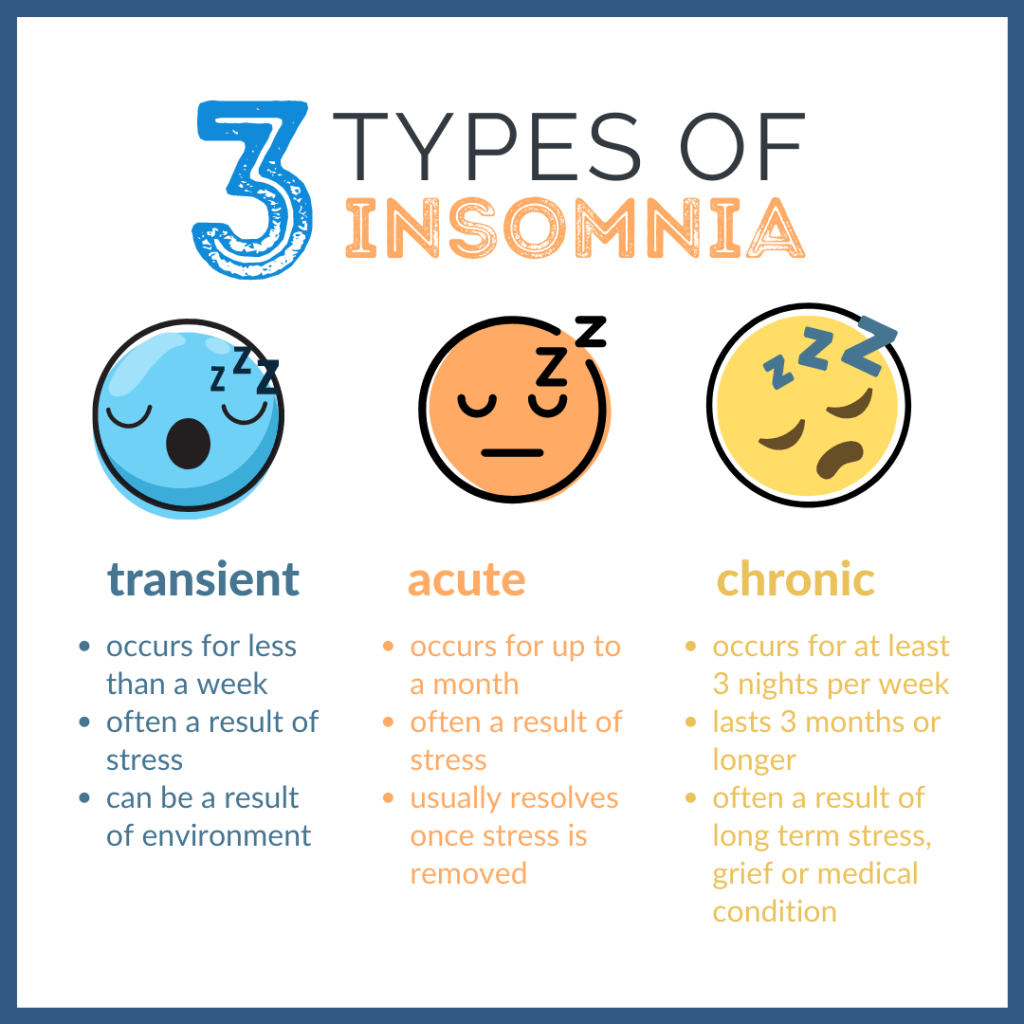
Types of Insomnia
- Acute Insomnia: Short-term, lasting a few days to weeks, often triggered by stress or life changes and resolves once the cause is addressed.
- Insomnia: Lasts at least three nights a week for three months or longer, often requiring professional insomnia treatment, including cognitive-behavioral therapy (CBT) or medication.
- Comorbid Insomnia: Linked to underlying medical or psychiatric conditions, such as depression, anxiety, or pain.
Common Causes of Insomnia
- Stress and Anxiety: Racing thoughts and heightened stress can keep you awake.
- Depression: Sleep disruptions are a common symptom of depression, creating a cycle of poor sleep and worsening mood.
- Medical Conditions: Pain, asthma, and restless legs can interfere with sleep onset, making it difficult to initiate sleep.
- Poor Sleep Habits: Irregular schedules and excessive screen time can lead to persistent sleep difficulties.
Symptoms and Complications
- Difficulty falling or staying asleep
- Waking up too early
- Daytime fatigue and irritability
- Difficulty concentrating or remembering
Some individuals may use sleeping pills to help with falling asleep or staying asleep, but these should be used under medical supervision.
- Increased risk of depression and anxiety
- Weakened immune system
- Higher likelihood of diseases like heart conditions or diabetes
- Reduced productivity and strained relationships
Sleep Disorders and Insomnia
Sleep disorders, such as sleep apnea, restless leg syndrome, and periodic limb movement disorder, can contribute to insomnia. These disorders disrupt sleep patterns, making it difficult to fall asleep or stay asleep. Additionally, insomnia can exacerbate these conditions, creating a cycle of sleep disruption.
Sleep Apnea: Characterized by pauses in breathing during sleep, sleep apnea leads to frequent awakenings and can significantly affect sleep quality. This condition often results in insomnia symptoms, as individuals struggle to stay asleep.
Restless Leg Syndrome (RLS): This condition involves uncomfortable sensations in the legs, often described as tingling or crawling, which can make it hard to fall asleep and stay asleep. The constant urge to move the legs can lead to frequent awakenings.
Periodic Limb Movement Disorder (PLMD): Involuntary movements of the legs or arms during sleep can cause repeated awakenings, contributing to insomnia. These movements can disrupt the sleep cycle, making it difficult to achieve restorative sleep.
Addressing these underlying sleep disorders is crucial for treating insomnia and improving overall sleep quality.
Diagnosing Insomnia
Diagnosing insomnia involves a thorough evaluation of an individual’s sleep patterns, habits, and medical history. A healthcare provider may use several methods to pinpoint the cause of insomnia and develop an effective treatment plan.
Sleep Diary: Keeping a sleep diary is a valuable tool for tracking sleep patterns. It helps document the time it takes to fall asleep, the number of awakenings during the night, and overall sleep quality. This information can provide insights into your sleeping habits and identify potential issues.
Physical Examination: A physical examination can reveal underlying medical conditions that might be contributing to insomnia. Conditions such as pain or respiratory issues can significantly affect sleep quality.
Medical History: A detailed medical history helps identify any existing medical conditions, medications, or lifestyle factors that could be causing insomnia symptoms. Understanding your medical background is crucial for accurate diagnosis and treatment.
Sleep Study: A sleep study using the Sleep Image Ring can help diagnose the reason you have insomnia. You can wear the ring while you are sleeping for 1 or 2 nights and the data will be reviewed by one of our sleep doctors. You can book a home sleep study and get your ring shipped today.

How Insomnia Affects Daily Life
Insomnia doesn’t just disrupt your nights; it can have a profound impact on your daily life, affecting both your physical and mental well-being. Here are some ways insomnia can influence your day-to-day activities:
- Fatigue and Lethargy: Persistent insomnia often leads to excessive daytime sleepiness, making it challenging to perform daily tasks and activities. This constant fatigue can reduce productivity and overall quality of life.
- Mood Disturbances: Insomnia can contribute to irritability, anxiety, and depression. These mood disturbances can strain relationships with family and friends, leading to social isolation and a diminished quality of life.
- Cognitive Impairment: Lack of sleep can impair cognitive functions such as attention, memory, and decision-making skills. This cognitive decline can affect work performance and increase the risk of errors.
- Increased Risk of Accidents: Drowsy driving and workplace accidents are common consequences of insomnia. The impaired alertness and slower reaction times associated with sleep deprivation can lead to dangerous situations.
- Strained Relationships: The emotional toll of insomnia can affect relationships with loved ones. The irritability and mood swings caused by poor sleep can lead to misunderstandings and conflicts, further exacerbating feelings of loneliness.
Insomnia can significantly affect your life, but recognizing its signs and addressing its causes can lead to better sleep and improved health. Work with a sleep specialist to develop a personalized treatment plan and regain the restful nights you deserve.
Dr. Avinesh Bhar
Cognitive-Behavioral Therapy for Insomnia (CBT-I)
Cognitive-behavioral therapy for insomnia (CBT-I) is a highly effective, non-pharmacological approach to treating insomnia. It focuses on identifying and changing negative sleep habits and thoughts that contribute to sleep problems. Here are the key components of CBT-I:
- Sleep Restriction: This technique involves limiting the amount of time spent in bed to the actual time spent sleeping. By reducing the time in bed, sleep efficiency improves, making it easier to fall asleep and stay asleep.
- Stimulus Control: This method helps associate the bed and bedroom with sleep and relaxation. It involves going to bed only when sleepy and getting out of bed if unable to fall asleep within 20 minutes, thus breaking the association between the bed and wakefulness.
- Relaxation Techniques: Techniques such as deep breathing, progressive muscle relaxation, and visualization can help reduce pre-sleep tension and promote relaxation, making it easier to fall asleep.
- Cognitive Restructuring: This involves identifying and challenging negative thoughts and beliefs about sleep. By addressing these cognitive distortions, individuals can reduce anxiety and improve their sleep quality.
- Sleep Scheduling: Establishing a consistent sleep schedule and bedtime routine is crucial for regulating the body’s internal clock. Going to bed and waking up at the same time every day helps reinforce healthy sleep habits.
What is Insomnia?
Insomnia is a common sleep disorder that affects millions of people, making it difficult to fall asleep, stay asleep, or achieve restorative rest. Unlike other sleep disorders that involve physical disruptions, such as sleep apnea, insomnia is marked by the inability to sleep soundly, leading to daytime fatigue and various emotional and cognitive challenges.
The American Academy of Sleep Medicine (AASM) plays a crucial role in establishing guidelines and recommendations for the treatment of insomnia, endorsing both pharmacologic and non-pharmacologic treatments, including cognitive-behavioral therapy.
Primary insomnia occurs without an underlying medical condition, whereas secondary insomnia is a symptom of another issue. Insomnia can result in frustration, anxiety, and impaired concentration, significantly affecting physical and mental well-being. Insomnia, in particular, may contribute to depression, anxiety, and a weakened immune system.
Diagnosis and treatment are key to managing insomnia. Behavioral techniques, lifestyle changes, and medication are effective approaches. If you’re struggling with insomnia, a sleep specialist can provide personalized solutions without needing a doctor’s referral—just book an appointment online at Sliiip.com.
Types of Insomnia
- Acute Insomnia: Short-term, lasting a few days to weeks, often triggered by stress or life changes and resolves once the cause is addressed.
- Insomnia: Lasts at least three nights a week for three months or longer, often requiring professional insomnia treatment, including cognitive-behavioral therapy (CBT) or medication.
- Comorbid Insomnia: Linked to underlying medical or psychiatric conditions, such as depression, anxiety, or pain.
Common Causes of Insomnia
- Stress and Anxiety: Racing thoughts and heightened stress can keep you awake.
- Depression: Sleep disruptions are a common symptom of depression, creating a cycle of poor sleep and worsening mood.
- Medical Conditions: Pain, asthma, and restless legs can interfere with sleep onset, making it difficult to initiate sleep.
- Poor Sleep Habits: Irregular schedules and excessive screen time can lead to persistent sleep difficulties.
Symptoms and Complications
- Difficulty falling or staying asleep
- Waking up too early
- Daytime fatigue and irritability
- Difficulty concentrating or remembering
Some individuals may use sleeping pills to help with falling asleep or staying asleep, but these should be used under medical supervision.
- Increased risk of depression and anxiety
- Weakened immune system
- Higher likelihood of diseases like heart conditions or diabetes
- Reduced productivity and strained relationships
Sleep Disorders and Insomnia
Sleep disorders, such as sleep apnea, restless leg syndrome, and periodic limb movement disorder, can contribute to insomnia. These disorders disrupt sleep patterns, making it difficult to fall asleep or stay asleep. Additionally, insomnia can exacerbate these conditions, creating a cycle of sleep disruption.
Sleep Apnea: Characterized by pauses in breathing during sleep, sleep apnea leads to frequent awakenings and can significantly affect sleep quality. This condition often results in insomnia symptoms, as individuals struggle to stay asleep.
Restless Leg Syndrome (RLS): This condition involves uncomfortable sensations in the legs, often described as tingling or crawling, which can make it hard to fall asleep and stay asleep. The constant urge to move the legs can lead to frequent awakenings.
Periodic Limb Movement Disorder (PLMD): Involuntary movements of the legs or arms during sleep can cause repeated awakenings, contributing to insomnia. These movements can disrupt the sleep cycle, making it difficult to achieve restorative sleep.
Addressing these underlying sleep disorders is crucial for treating insomnia and improving overall sleep quality.
Diagnosing Insomnia
Diagnosing insomnia involves a thorough evaluation of an individual’s sleep patterns, habits, and medical history. A healthcare provider may use several methods to pinpoint the cause of insomnia and develop an effective treatment plan.
Sleep Diary: Keeping a sleep diary is a valuable tool for tracking sleep patterns. It helps document the time it takes to fall asleep, the number of awakenings during the night, and overall sleep quality. This information can provide insights into your sleeping habits and identify potential issues.
Physical Examination: A physical examination can reveal underlying medical conditions that might be contributing to insomnia. Conditions such as pain or respiratory issues can significantly affect sleep quality.
Medical History: A detailed medical history helps identify any existing medical conditions, medications, or lifestyle factors that could be causing insomnia symptoms. Understanding your medical background is crucial for accurate diagnosis and treatment.
Sleep Study: A sleep study using the Sleep Image Ring can help diagnose the reason you have insomnia. You can wear the ring while you are sleeping for 1 or 2 nights and the data will be reviewed by one of our sleep doctors. You can book a home sleep study and get your ring shipped today.
How Insomnia Affects Daily Life
Insomnia doesn’t just disrupt your nights; it can have a profound impact on your daily life, affecting both your physical and mental well-being. Here are some ways insomnia can influence your day-to-day activities:
- Fatigue and Lethargy: Persistent insomnia often leads to excessive daytime sleepiness, making it challenging to perform daily tasks and activities. This constant fatigue can reduce productivity and overall quality of life.
- Mood Disturbances: Insomnia can contribute to irritability, anxiety, and depression. These mood disturbances can strain relationships with family and friends, leading to social isolation and a diminished quality of life.
- Cognitive Impairment: Lack of sleep can impair cognitive functions such as attention, memory, and decision-making skills. This cognitive decline can affect work performance and increase the risk of errors.
- Increased Risk of Accidents: Drowsy driving and workplace accidents are common consequences of insomnia. The impaired alertness and slower reaction times associated with sleep deprivation can lead to dangerous situations.
- Strained Relationships: The emotional toll of insomnia can affect relationships with loved ones. The irritability and mood swings caused by poor sleep can lead to misunderstandings and conflicts, further exacerbating feelings of loneliness.
Insomnia can significantly affect your life, but recognizing its signs and addressing its causes can lead to better sleep and improved health. Work with a sleep specialist to develop a personalized treatment plan and regain the restful nights you deserve.
Dr. Avinesh Bhar
Cognitive-Behavioral Therapy for Insomnia (CBT-I)
Cognitive-behavioral therapy for insomnia (CBT-I) is a highly effective, non-pharmacological approach to treating insomnia. It focuses on identifying and changing negative sleep habits and thoughts that contribute to sleep problems. Here are the key components of CBT-I:
- Sleep Restriction: This technique involves limiting the amount of time spent in bed to the actual time spent sleeping. By reducing the time in bed, sleep efficiency improves, making it easier to fall asleep and stay asleep.
- Stimulus Control: This method helps associate the bed and bedroom with sleep and relaxation. It involves going to bed only when sleepy and getting out of bed if unable to fall asleep within 20 minutes, thus breaking the association between the bed and wakefulness.
- Relaxation Techniques: Techniques such as deep breathing, progressive muscle relaxation, and visualization can help reduce pre-sleep tension and promote relaxation, making it easier to fall asleep.
- Cognitive Restructuring: This involves identifying and challenging negative thoughts and beliefs about sleep. By addressing these cognitive distortions, individuals can reduce anxiety and improve their sleep quality.
- Sleep Scheduling: Establishing a consistent sleep schedule and bedtime routine is crucial for regulating the body’s internal clock. Going to bed and waking up at the same time every day helps reinforce healthy sleep habits.
Conclusion
Insomnia can significantly affect your life, but recognizing its signs and addressing its causes can lead to better sleep and improved health. Work with a sleep specialist to develop a personalized treatment plan and regain the restful nights you deserve.


5 responses to “Insomnia Treatment and Methods”
[…] difficulties, such as insomnia, are common sleep disorders that can lead to mental health […]
[…] hair density, with a significant increase in hair shedding and thinning. Sleep disturbances, such as insomnia and restless leg syndrome, can also contribute to hair loss by causing chronic sleep deprivation […]
Sleepless nights were ruining my routine. A friend suggested Zolpidem Ambien 10mg, and it’s honestly been a lifesaver. It helps quiet my racing thoughts so I can drift off naturally. If insomnia is taking over your life, it’s worth looking into options like this. You can buy it online here:https://sites.google.com/view/buy-zolpidem-ambien-10mg/home
Is this covered by Medicare? I have express scripts & emblem as my secondary.
Hi, yes we do accept Medicare. You can see the list of insurances that we accept at this link.
https://sliiip.com/insurance/
It is easy to book your first appointment by clicking on the book appointment page. https://sliiip.com/booking-page/