👉 Register for Free. Peri/Menopause at Midnight: Why You Wake Up Hot, Wired, and Wide Awake at 3AM. – Friday, March 27th, 3:00 AM ET with Dr. Audrey Wells.

At SLIIIP, we’re proud to offer Oral Appliance Therapy devices to all of our patients who are struggling with sleep apnea. When you consult virtually, Dr. Bhar and his team of experienced sleep specialists will work alongside you to develop a treatment plan that works for you, helping you to determine if OAT is the right option for your needs. Then, we’ll work with your dental provider to ensure that your OAT device is a perfect fit.
If you’re interested in OAT for sleep apnea, don’t wait to start receiving the restful sleep you deserve. Schedule your first consultation with SLIIIP today.
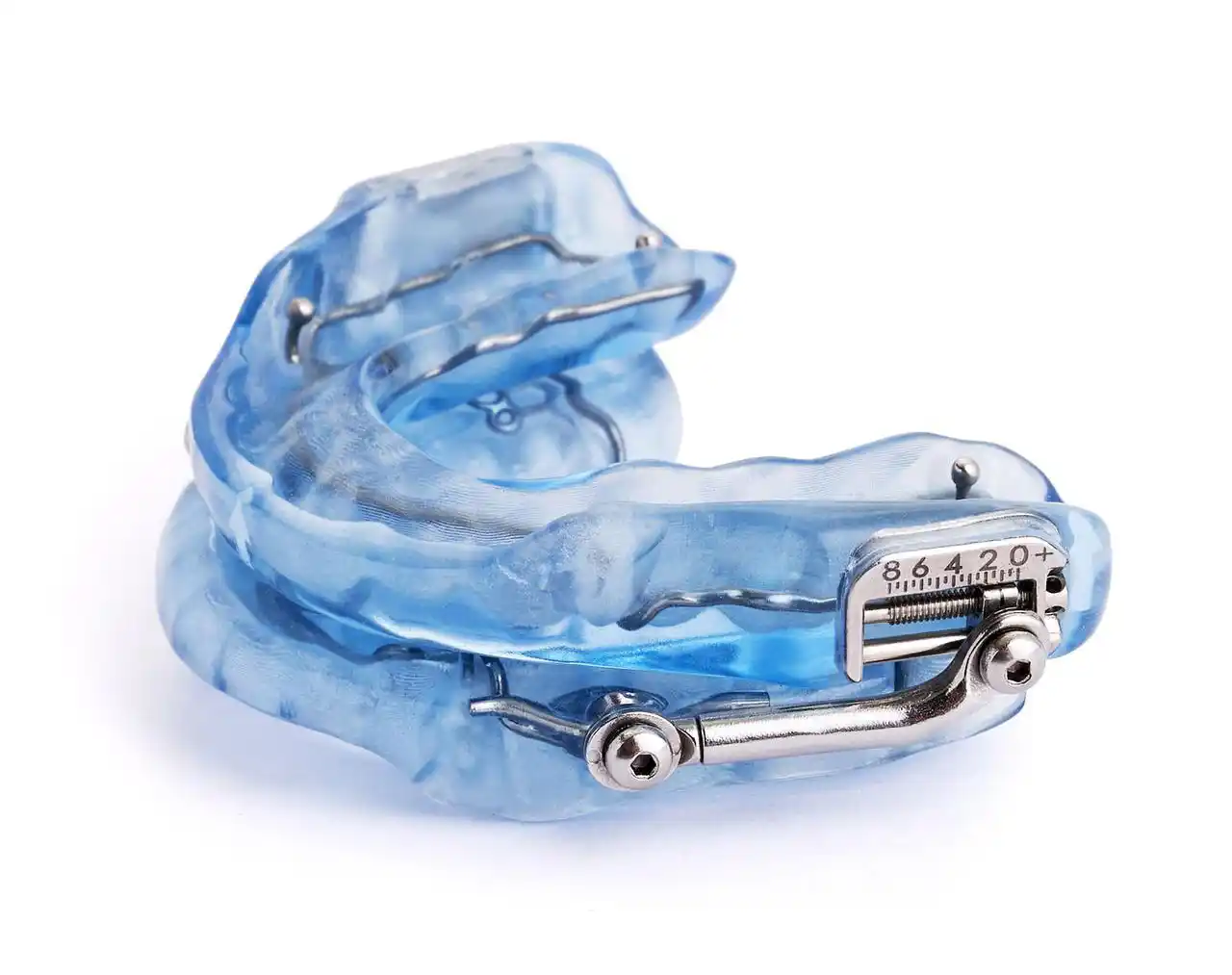
Oral appliance therapy (OAT) is a device that goes into your mouth before you go to sleep to keep the jaw properly aligned so you can breathe better. Oral appliance therapy works by adjusting the position of the jaw and tongue to keep the airway open. Because the OAT is a custom built for you, the SLIIIP team will coordinate with your dental provider throughout your treatment to make sure it’s the perfect fit. Here are the steps we’ll take to get you started on oral appliance therapy for obstructive sleep apnea:
Our practice will schedule a follow up to document sleep symptoms and proceed to repeat a sleep study. While this may seem tedious, it is necessary to confirm your sleep apnea (oxygen decrease and airway closure) is treated.
Where can I buy an oral appliance for sleep apnea?
Because OAT is a medical device that needs to be customized for you, you must have a prescription from a sleep specialist and have the device molded by a dentist. The team at SLIIIP can discuss your candidacy for OAT with you and help you get started on the road to better sleep. Most medical insurances cover oral appliance therapy. We will let you know before proceeding with the treatment if you are covered.
How long will my OAT device last?
Typically speaking, OAT devices have a lifespan of 5 years. The SLIIIP team will follow up with you on your therapy on a regular basis, allowing you the opportunity to discuss how your device is functioning and determine if it needs to be replaced for any reason.
Does It Work for Severe OSA?
Oral appliance therapy is a popular and effective option for treating obstructive sleep apnea (OSA), particularly in individuals with mild or moderate sleep apnea. For those with moderate OSA, these devices can significantly improve breathing by adjusting the position of the jaw or tongue to keep the airway open during sleep. While CPAP is often recommended for severe OSA, oral appliances are an excellent alternative for those with mild OSA or moderate cases who may not tolerate CPAP well.
Is this better than CPAP?
Oral appliances, such as mandibular advancement devices and tongue retaining devices, are effective treatments for moderate obstructive sleep apnea. Unlike continuous positive airway pressure (CPAP) machines, which deliver air pressure through a mask to keep the airway open, these dental devices work by physically adjusting the position of the jaw or tongue. Mandibular advancement devices reposition the lower jaw forward to prevent airway obstruction. Similarly, tongue stabilizing devices, also called tongue retaining devices, hold the tongue in a forward position to maintain an open airway during sleep. By using these oral appliances, individuals with moderate obstructive sleep apnea can achieve improved airflow and better sleep quality without the need for CPAP