

Signs of Sleep Apnea
You wake up exhausted and are wondering what the signs of sleep apnea are. Your partner complains about your snoring keeping them awake. You struggle to stay alert during afternoon meetings. These frustrating experiences might seem like normal parts of a busy life, but they could actually be signs of sleep apnea, a serious sleep disorder that affects an estimated 30 million Americans.
Dr. Avinesh Bhar, CEO of SLIIIP and Sleep MD sees this issue often in his sleep medicine practice. In this article, Dr. Bhar will explain the signs of sleep apnea and what happens to the body when left untreated.
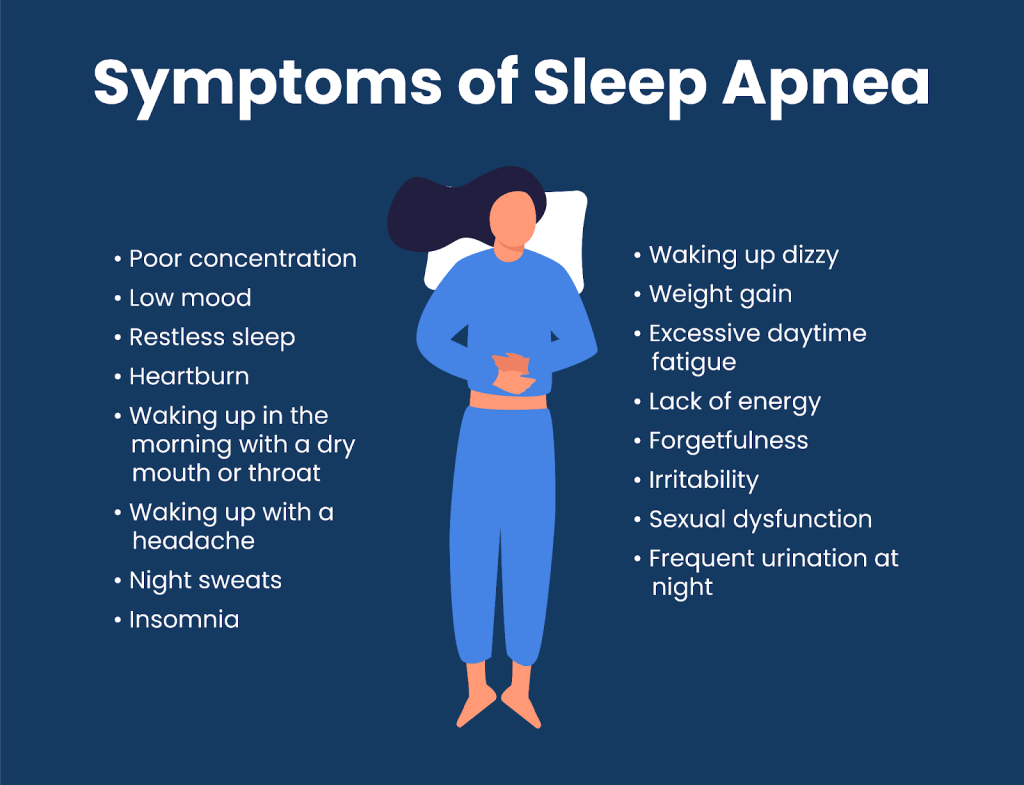
The troubling reality is that approximately 80 percent of people with sleep apnea remain undiagnosed. They dismiss their symptoms as stress, aging, or simply being a loud snorer. Meanwhile, untreated sleep apnea quietly damages their cardiovascular system, impairs their cognitive function, and increases their risk of serious health complications.
Learning to recognize the signs of sleep apnea is the first step toward getting the diagnosis and treatment that can transform your sleep, your energy levels, and your long-term health. This comprehensive guide will help you identify whether your symptoms point to sleep apnea and what you should do next.
What Is Sleep Apnea?
Sleep apnea is a sleep disorder characterized by repeated interruptions in breathing during sleep. These pauses, called apneas, can last from a few seconds to over a minute and may occur dozens or even hundreds of times each night. Every time breathing stops, oxygen levels in your blood drop, prompting your brain to briefly wake you up to restart breathing.
The most common type is obstructive sleep apnea, or OSA, which occurs when the muscles in your throat relax excessively during sleep, causing soft tissues to collapse and block your airway. Central sleep apnea, a less common form, happens when your brain fails to send proper signals to the muscles that control breathing. Some people have complex sleep apnea, which combines elements of both types.

These constant interruptions prevent you from reaching the deep, restorative stages of sleep your body needs. Even if you spend eight or nine hours in bed, you may wake feeling as though you barely slept at all. Over time, this chronic sleep deprivation takes a serious toll on virtually every aspect of your health.
Nighttime Signs of Sleep Apnea
Many signs of sleep apnea occur while you are asleep, which is why bed partners often notice them first. If you sleep alone, you may be completely unaware of these warning signs. Pay attention to what your body tells you when you wake up, and consider asking someone to observe your sleep if possible.
Loud, Chronic Snoring
Snoring is the most recognizable sign of sleep apnea. While not everyone who snores has sleep apnea, loud snoring that can be heard through walls or that disturbs a bed partner is a significant warning sign. The snoring associated with sleep apnea tends to be louder and more disruptive than ordinary snoring.
Check your partner or ask them if you have these Sounds of snoring. It could be sleep apnea and a simple home sleep test that is covered by Medicare and insurance can verify this.
What makes sleep apnea snoring distinctive is the pattern. Listen for snoring that is punctuated by silent pauses followed by gasping, snorting, or choking sounds. These pauses represent moments when breathing has actually stopped. The gasping sound occurs when your brain forces you to partially wake and restart breathing.
Gasping, Choking, or Snorting During Sleep
Waking up suddenly with a gasping, choking, or snorting sound is a classic sign of sleep apnea. This happens when your brain detects dangerously low oxygen levels and forces you awake to restore normal breathing. You may or may not remember these episodes in the morning, but a bed partner will likely notice them.
Some people wake up feeling like they are suffocating or unable to catch their breath. These frightening episodes are your body’s emergency response to airway obstruction. If this happens regularly, it strongly suggests you need evaluation for sleep apnea.
Witnessed Pauses in Breathing
Perhaps the clearest sign of sleep apnea is when someone actually observes you stop breathing during sleep. A bed partner might notice that your chest stops moving, that snoring suddenly goes silent, or that you seem to hold your breath for concerning periods. These witnessed apneas are among the strongest indicators that you need a sleep study.
Restless Sleep and Frequent Awakenings
People with sleep apnea often experience extremely restless sleep. You might toss and turn throughout the night, kick or thrash, or wake up with tangled, disheveled sheets. These movements often occur as your body struggles to find a position that allows easier breathing.
Frequent awakenings during the night, even if you do not remember them, fragment your sleep and prevent you from cycling through complete sleep stages. You may find yourself waking up multiple times to use the bathroom, a symptom called nocturia that is commonly associated with sleep apnea.
Night Sweats
Waking up drenched in sweat, even when your bedroom is cool, can be a sign of sleep apnea. The physical effort of trying to breathe against an obstructed airway, combined with the stress response triggered by drops in oxygen, can cause excessive sweating during sleep.
Daytime Signs of Sleep Apnea
The consequences of disrupted sleep do not stay confined to the nighttime hours. Sleep apnea produces a range of daytime symptoms that can significantly impair your quality of life, work performance, and relationships. These symptoms often bring people to seek medical attention, though they may not initially connect them to a sleep disorder.
Excessive Daytime Sleepiness and Fatigue
Feeling exhausted despite spending adequate time in bed is the hallmark daytime symptom of sleep apnea. You might wake up feeling unrefreshed, as though you never really slept at all. This fatigue persists throughout the day, no matter how much coffee you drink or how early you go to bed.
Excessive sleepiness may cause you to nod off during quiet activities like reading, watching television, or sitting in meetings. In severe cases, people with untreated sleep apnea fall asleep while driving, making this a potentially life-threatening symptom. If you struggle to stay awake during the day despite adequate sleep time, sleep apnea could be the cause.
Morning Headaches
Waking up with headaches, particularly headaches that improve as the day progresses, is a common sign of sleep apnea. These headaches result from the fluctuating oxygen and carbon dioxide levels that occur during apnea episodes. The repeated drops in oxygen and the strain of struggling to breathe can also increase blood pressure, contributing to morning head pain.
Dry Mouth and Sore Throat Upon Waking
When your airway becomes obstructed during sleep, you often compensate by breathing through your mouth. This mouth breathing dries out your oral tissues, causing you to wake with a dry mouth, sticky saliva, or a sore throat. If you consistently wake up needing water or feeling like your mouth is parched, sleep apnea may be the reason.
Difficulty Concentrating and Memory Problems
Sleep apnea impairs cognitive function in multiple ways. You may find it hard to concentrate, notice your attention wandering frequently, or struggle to complete tasks that require sustained mental effort. Memory problems are also common, particularly difficulty with short-term memory and learning new information.
These cognitive effects result from both sleep deprivation and the repeated drops in oxygen that occur during apnea episodes. Your brain needs quality sleep and consistent oxygen supply to function optimally. When sleep apnea deprives it of both, mental performance suffers.
Mood Changes and Irritability
Chronic sleep deprivation affects emotional regulation, often causing irritability, mood swings, and a shorter temper. People with untreated sleep apnea may find themselves snapping at family members, feeling overwhelmed by minor stressors, or experiencing unexplained emotional volatility.
Depression and anxiety are also more common in people with sleep apnea. The relationship works both ways: poor sleep contributes to mood disorders, and mood disorders can worsen sleep quality. Treating sleep apnea often produces significant improvements in mood and emotional wellbeing.
Decreased Libido and Sexual Dysfunction
Sleep apnea can significantly impact sexual health. Reduced interest in sex and sexual dysfunction are common among people with untreated sleep apnea. These effects result from hormonal changes caused by disrupted sleep, fatigue that leaves little energy for intimacy, and the impact of low oxygen on physical function.
Recognize These Signs? Get Tested from Home.
If you are experiencing multiple signs of sleep apnea, the next step is a sleep study to confirm the diagnosis. At SLIIIP, we offer convenient FDA-approved home sleep apnea tests that are shipped directly to your door. You complete the test in the comfort of your own bed, then mail it back with a prepaid label. Within 48 hours, a board-certified sleep doctor will review your results with you via telemedicine and discuss your treatment options.
Insurance Coverage: Home sleep tests are covered by Medicare, Tricare, and most major health insurance plans. We accept coverage from most major insurers and handle the paperwork for you. No referral is needed to get started.

Who Is at Risk for Sleep Apnea?
While anyone can develop sleep apnea, certain factors increase your risk. Understanding these risk factors can help you assess your likelihood of having the condition and motivate you to seek evaluation if you have multiple warning signs.
Excess weight is one of the strongest risk factors for obstructive sleep apnea. Fat deposits around the upper airway can obstruct breathing, and a larger neck circumference (greater than 17 inches in men or 16 inches in women) is associated with higher risk. However, it is important to note that sleep apnea also occurs in people who are not overweight.
Men are more likely to develop sleep apnea than women, though the risk for women increases significantly after menopause. Age is another factor, with sleep apnea becoming more common in middle age and beyond. Family history plays a role, as the condition tends to run in families.
Anatomical factors can also contribute. A naturally narrow airway, enlarged tonsils or adenoids, a recessed chin, or a deviated septum can all increase sleep apnea risk. Lifestyle factors like smoking, alcohol use, and sedative medications can worsen the condition by relaxing airway muscles.
Why You Should Not Ignore the Signs of Sleep Apnea
Untreated sleep apnea is far more than an inconvenience. It significantly increases your risk of serious, potentially life-threatening health condition
The repeated drops in blood oxygen and the chronic sleep deprivation caused by sleep apnea create stress throughout your body.
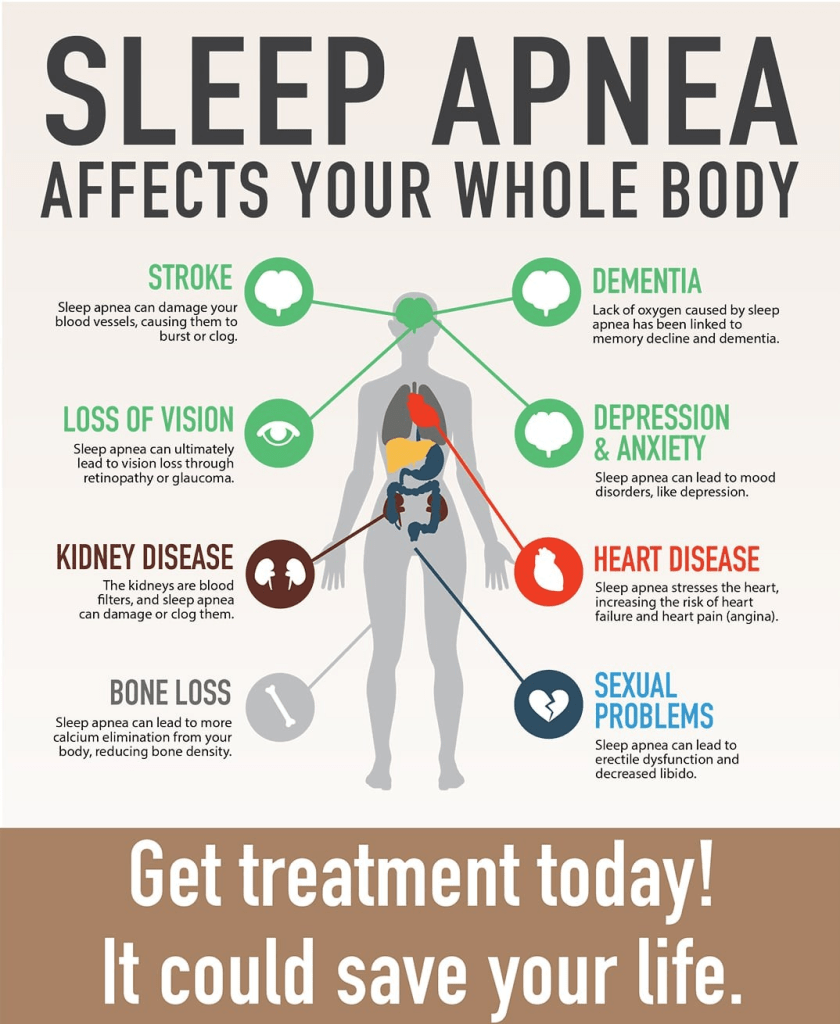
Cardiovascular disease is the most serious consequence. People with untreated sleep apnea have significantly elevated risks of high blood pressure, coronary artery disease, heart attack, heart failure, irregular heart rhythms, and stroke. The relationship is so strong that the American Heart Association recognizes sleep apnea as a cardiovascular risk factor.
Type 2 diabetes risk increases with sleep apnea, as disrupted sleep impairs insulin sensitivity and glucose metabolism. Weight gain becomes more likely and weight loss more difficult when you have untreated sleep apnea, creating a vicious cycle where the condition worsens over time.
How Is Sleep Apnea Diagnosed?
If you recognize multiple signs of sleep apnea in yourself, the next step is getting a proper diagnosis through a sleep study. This testing measures your breathing patterns, oxygen levels, heart rate, and other factors while you sleep to determine whether you have sleep apnea and how severe it is.
Home sleep apnea tests have made diagnosis more convenient than ever. These portable devices allow you to complete your sleep study in your own bed rather than spending a night in a sleep laboratory. You wear a small device that monitors your breathing and oxygen levels while you sleep normally at home.

The results of your sleep study produce an Apnea-Hypopnea Index, or AHI, which measures how many times per hour your breathing is interrupted. An AHI of 5 to 15 indicates mild sleep apnea, 15 to 30 indicates moderate sleep apnea, and above 30 indicates severe sleep apnea. This information guides treatment decisions.
Effective Treatments for Sleep Apnea
The good news is that sleep apnea is highly treatable. With appropriate treatment, most people experience dramatic improvement in their symptoms, sleep quality, energy levels, and overall health. Several treatment options are available depending on the severity of your condition and your personal preferences.
CPAP Therapy
Continuous positive airway pressure, or CPAP, is the gold standard treatment for obstructive sleep apnea. A CPAP machine delivers a steady stream of pressurized air through a mask you wear during sleep. This air pressure keeps your airway open, preventing the collapse that causes breathing interruptions.

Modern CPAP devices are quieter, smaller, and more comfortable than older models. Auto-adjusting machines, called Auto-PAP or APAP, automatically vary the pressure throughout the night based on your needs. Many people notice significant improvement in their sleep quality and energy levels within the first few nights of treatment.
Oral Appliance Therapy
For people with mild to moderate sleep apnea, or those who cannot tolerate CPAP, oral appliances offer an effective alternative. These custom-fitted dental devices reposition your lower jaw or tongue to keep your airway open during sleep. They are small, silent, portable, and easy to travel with.

Oral appliances achieve success rates of approximately 70 percent for appropriate candidates. If you are interested in exploring this option, you can learn more about the best oral appliances for sleep apnea and whether you might be a good candidate.
Lifestyle Modifications
Certain lifestyle changes can improve sleep apnea symptoms, particularly for mild cases. Weight loss can significantly reduce or even eliminate sleep apnea in some people. Sleeping on your side rather than your back
Avoiding alcohol, especially close to bedtime, prevents the excessive muscle relaxation that worsens airway obstruction. Quitting smoking reduces inflammation and fluid retention in the airway. These changes work best in combination with medical treatment for moderate to severe sleep apnea.
Taking the Next Step
If you recognize the signs of sleep apnea in yourself or a loved one, do not wait to seek evaluation. Early diagnosis and treatment can prevent serious health complications and transform your quality of life. Many people are amazed at how much better they feel once their sleep apnea is properly treated.
Sleep Telemedicine has made accessing specialized sleep care easier than ever. You can consult with a board-certified sleep specialist from the comfort of your home, receive a home sleep test delivered to your door, and develop a personalized treatment plan without time-consuming office visits or overnight stays in sleep laboratories.
Get Your Sleep Apnea Diagnosis from Home with SLIIIP
At SLIIIP, we specialize in diagnosing and treating sleep apnea through convenient telemedicine. Our board-certified sleep doctors have helped over 10,000 patients get the restful sleep they deserve. Here is how our simple process works:
Step 1: Book a virtual consultation with a sleep specialist. No referral needed and no long wait times.
Step 2: Receive your FDA-approved home sleep test kit shipped directly to your door within days.
Step 3: Complete the overnight test in your own bed and return it with the prepaid shipping label.
Step 4: Review your results with your sleep doctor within 48 hours and start your personalized treatment plan.
Insurance Accepted: We accept coverage from Medicare, Tricare, and most major health insurance plans. We handle all insurance paperwork and prior authorizations for you. For cash payments, initial consultations are $225 and follow-up appointments are $125.
Ready to find out if you have sleep apnea?
Do Not Let Sleep Apnea Go Undiagnosed
The signs of sleep apnea are your body’s way of telling you something is wrong. Loud snoring, gasping during sleep, excessive daytime fatigue, morning headaches, and difficulty concentrating are not normal parts of aging or busy life. They are warning signs of a treatable condition that is putting your health at risk.
With proper diagnosis and treatment, most people with sleep apnea experience dramatic improvements in their sleep quality, energy levels, mental clarity, and overall health. Many wish they had sought help years earlier, before the condition took such a toll on their wellbeing.
You deserve to wake up feeling refreshed and energized. You deserve to get through the day without fighting to stay awake. You deserve to protect your heart and brain from the damage that untreated sleep apnea causes. Take the first step today by getting evaluated for sleep apnea.
Latest posts
-
Melatonin and Sleepytime Tea: Better Sleep Benefits
When it’s been a long day, and your mind won’t rest, finding a natural sleep aid can make all the difference. Melatonin and Sleepytime Tea are popular choices to help…
-
Waking Up at 2AM? Causes and Solutions Explained
Waking up at 2AM can be frustrating, especially when it happens night after night. Middle-of-the-night awakenings may be caused by sleep apnea, sleep-onset insomnia, or sleep-maintenance insomnia. Poor sleep hygiene,…
-
What to Expect Using a CPAP Machine for Snoring
Using a CPAP machine for snoring can feel strange at first, but it is one of the most effective ways to treat sleep apnea and improve sleep quality. Continuous positive…
Get updates
Spam-free subscription, we guarantee. This is just a friendly ping when new content is out.
