👉 Register for Free. Snoring, Heart Risks & Relationships: The Valentine’s Day Sleep Talk
– Upcoming Webinar on Feb 13th with Dr. Wells.


Types of Insomnia: A Complete Guide to Understanding Your Sleep Patterns
Lying awake at night when you desperately want to sleep is one of the most frustrating experiences many people encounter. Whether you struggle to fall asleep at the beginning of the night or find yourself wide awake at 3 AM with no hope of drifting back off, sleep difficulties can leave you feeling exhausted and foggy during the day. Understanding the different types of insomnia can help you recognize your own patterns and take steps toward better rest.
Insomnia is not a single condition but rather a category of sleep difficulties that can manifest in different ways. Some people experience brief episodes during stressful periods, while others deal with ongoing challenges that persist for months or years. By learning about the various forms of insomnia, you can gain insight into what might be affecting your sleep and explore wellness approaches that may support improvement.
Understanding Insomnia and Sleep Difficulties
Before exploring the specific types, it helps to understand what characterizes insomnia in general. Insomnia involves difficulty falling asleep, staying asleep, or waking too early, combined with daytime consequences like fatigue, difficulty concentrating, or mood changes. The key factor is that the sleep difficulty occurs despite having adequate time and opportunity for rest.
Many people experience occasional nights of poor sleep without having insomnia. Travel, exciting events, or temporary stress can all disrupt sleep for a night or two. Insomnia typically refers to more persistent patterns that affect daily functioning and wellbeing over time.
Sleep specialists now generally categorize insomnia based on how long it lasts and how it affects sleep patterns. This classification helps identify appropriate approaches for supporting better rest and understanding when professional guidance might be beneficial.
Acute Insomnia: Short-Term Sleep Difficulties
Acute insomnia, sometimes called adjustment insomnia, is the most common type of sleep difficulty. It typically lasts from a few days to a few weeks and often develops in response to identifiable events or changes in life circumstances.
Common triggers for acute insomnia include stressful life events like job changes, relationship difficulties, or the loss of a loved one. Environmental changes such as sleeping in an unfamiliar location, travel across time zones, or adjustments to your home environment can also prompt short-term sleep difficulties. Physical discomfort from illness, pain, or changes in medication may contribute as well.
The good news about acute insomnia is that it often resolves on its own once the triggering situation passes or you adapt to new circumstances. Many people find that their sleep patterns naturally return to normal within a few weeks without requiring specific intervention.
However, how you respond to acute insomnia matters. Developing anxiety about sleep or adopting unhelpful sleep habits during this period can sometimes cause short-term difficulties to become more persistent. Maintaining regular sleep schedules and healthy routines during stressful periods may help prevent acute insomnia from extending into something more chronic.
Chronic Insomnia: Persistent Sleep Challenges
When sleep difficulties persist for three months or longer and occur at least three nights per week, sleep specialists typically classify them as chronic insomnia. This form of insomnia represents an ongoing pattern rather than a temporary disruption.
Chronic insomnia can develop gradually from acute episodes that never fully resolve, or it may emerge without an obvious triggering event. Various factors can contribute to chronic sleep difficulties, including underlying wellness concerns, lifestyle factors, persistent stress, or patterns of thinking about sleep that have become problematic over time.
People with chronic insomnia often describe a frustrating cycle where difficulty sleeping leads to worry about sleep, which then makes falling asleep even harder. This perpetuating cycle can make chronic insomnia feel particularly challenging to address.

If you have experienced persistent sleep difficulties for several months, speaking with a sleep specialist can help identify contributing factors and explore appropriate approaches. Various wellness strategies and behavioral techniques have shown promise in supporting people with chronic insomnia.
Sleep Onset Insomnia: Difficulty Falling Asleep
Sleep onset insomnia specifically describes difficulty falling asleep at the beginning of the night. People with this type of insomnia may lie in bed for 30 minutes or more, unable to drift off despite feeling tired. Their minds may race with thoughts, worries, or to-do lists, making relaxation seem impossible.
This form of insomnia is often associated with heightened mental activity at bedtime. Stress, anxiety, excitement about upcoming events, or simply the habit of using evenings for stimulating activities can all contribute to difficulty transitioning from wakefulness to sleep.
Caffeine consumption, particularly later in the day, frequently plays a role in sleep onset difficulties. Caffeine has a half-life of about five to six hours, meaning that coffee consumed at 4 PM may still be affecting your system at 10 PM. Screen exposure before bed can also contribute, as the blue light from devices may interfere with natural melatonin production.
Creating a consistent wind-down routine in the hour before bed can support easier sleep onset. This might include dimming lights, engaging in calming activities like reading or gentle stretching, and avoiding stimulating content or intense conversations close to bedtime.
Sleep Maintenance Insomnia: Waking During the Night
Sleep maintenance insomnia involves difficulty staying asleep throughout the night. People with this type of insomnia may fall asleep without much trouble but then wake repeatedly during the night or wake for extended periods in the middle of their sleep time.
Waking briefly during the night is actually normal and happens to most people without them fully realizing it. Sleep maintenance insomnia becomes a concern when these wakings are prolonged, when you have difficulty returning to sleep, or when they result in feeling unrested the next day.
Various factors can contribute to nighttime wakings, including environmental disturbances like noise or temperature changes, physical discomfort, or the need to use the bathroom. Stress and worry can also cause people to wake during the night and then struggle to fall back asleep as their minds become active.
Certain sleep conditions may contribute to sleep maintenance difficulties. For example, sleep apnea can cause brief awakenings throughout the night that fragment sleep, even if you do not fully remember waking. If you consistently wake during the night feeling unrested, a professional sleep assessment may help identify underlying factors.
Early Morning Awakening Insomnia
Some people experience insomnia in the form of waking too early in the morning and being unable to fall back asleep. You might find yourself alert at 4 or 5 AM, hours before you intended to wake, with no hope of getting more rest despite still feeling tired.
Early morning awakening can sometimes be associated with mood changes or seasonal patterns. The body’s natural circadian rhythms also shift with age, which may contribute to earlier wake times in older adults. However, when early waking causes significant fatigue or affects daily functioning, it represents a form of insomnia worth addressing.
Light exposure plays an important role in regulating wake times. If your bedroom receives early morning light, blackout curtains may help you sleep longer. Conversely, getting bright light exposure during the day helps maintain healthy circadian rhythms and may support more regular sleep patterns.
Mixed Insomnia: Overlapping Difficulties
Many people do not experience just one type of insomnia but rather a combination of difficulties. You might struggle both to fall asleep and to stay asleep, or your patterns might shift over time from one type to another.
Mixed insomnia is actually quite common and reflects how sleep difficulties rarely fit neatly into single categories. The good news is that general wellness approaches for supporting better sleep often help regardless of the specific type of insomnia you experience.
If your sleep difficulties include multiple types of disruption, keeping a sleep diary for a week or two can help you identify patterns. Noting when you go to bed, how long it takes to fall asleep, when you wake during the night, and when you finally get up can provide useful information for understanding your unique situation.
Supporting Better Sleep: Wellness Approaches
Regardless of which type of insomnia you experience, certain foundational sleep hygiene practices support better rest. These approaches address the environmental, behavioral, and lifestyle factors that influence sleep quality.
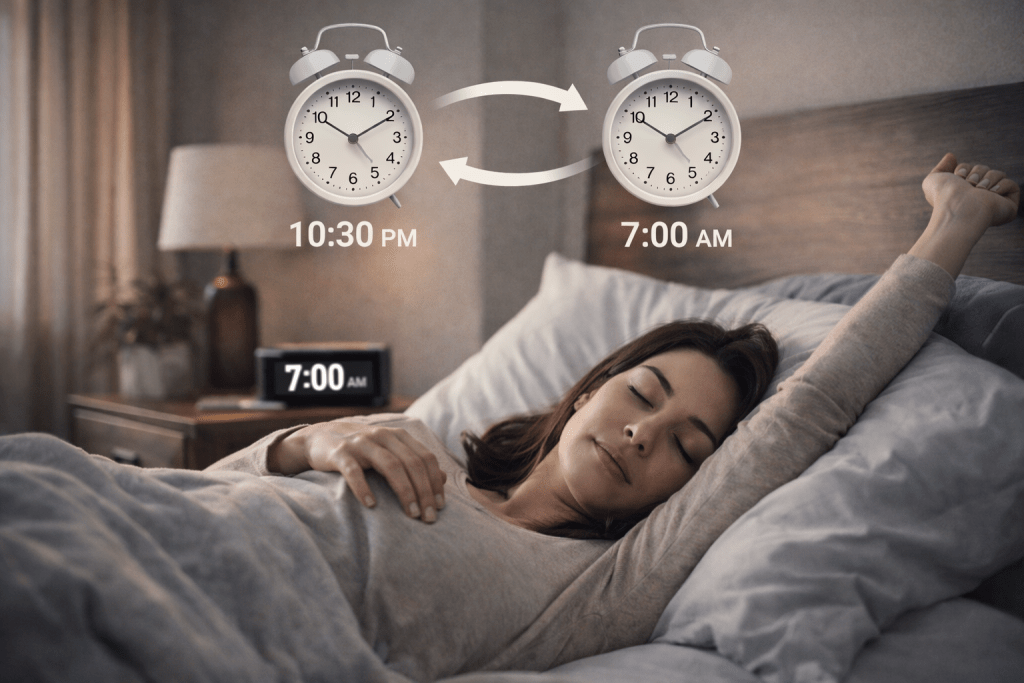
Maintaining a consistent sleep schedule ranks among the most important habits for healthy sleep. Going to bed and waking at roughly the same time each day helps regulate your body’s internal clock and can make falling asleep easier over time. While it may be tempting to sleep in on weekends, keeping wake times consistent helps maintain this rhythm.
Your sleep environment matters significantly. A cool, dark, and quiet bedroom promotes uninterrupted sleep. If noise is an issue, white noise machines or fans can help mask disruptive sounds. Temperature also affects sleep quality, with most people sleeping best in rooms between 60 and 67 degrees Fahrenheit.
Limiting caffeine, alcohol, and large meals in the hours before bed can support better sleep. While alcohol may seem to help you relax initially, it actually disrupts sleep architecture later in the night and can contribute to nighttime wakings.
Physical activity during the day generally supports better sleep at night, though exercising too close to bedtime may be stimulating for some people. Stress management techniques like relaxation exercises, deep breathing, or guided meditation may also help calm an active mind before bed.
When to Seek Professional Support
While occasional sleep difficulties are normal, persistent insomnia that affects your daily life deserves professional attention. Consider speaking with a healthcare provider or sleep specialist if your sleep difficulties have lasted more than a few weeks, if you feel consistently fatigued despite spending adequate time in bed, or if sleep problems are affecting your mood, relationships, or work performance.
Sleep specialists can help identify factors contributing to your insomnia and recommend appropriate approaches. For many people with chronic insomnia, cognitive behavioral therapy for insomnia has shown significant benefits in supporting lasting improvements in sleep quality.
Research published by the National Institutes of Health suggests that approximately 30 percent of adults report one or more symptoms of insomnia, making it one of the most common wellness concerns. Professional guidance can help you understand your specific situation and develop a personalized approach to better rest.
Frequently Asked Questions
What are the main types of insomnia?
The main types include acute (short-term) insomnia, chronic (long-term) insomnia, sleep onset insomnia (difficulty falling asleep), sleep maintenance insomnia (difficulty staying asleep), and early morning awakening insomnia.
How long does acute insomnia typically last?
Acute insomnia usually lasts from a few days to a few weeks and often resolves once the triggering stressor passes or you adapt to new circumstances.
What is considered chronic insomnia?
Insomnia is typically classified as chronic when sleep difficulties occur at least three nights per week for three months or longer.
Can stress cause insomnia?
Yes, stress is one of the most common triggers for both acute and chronic insomnia. Stressful life events, work pressure, and relationship difficulties can all affect sleep quality.
Why do I wake up at 3 AM every night?
Consistent nighttime wakings can result from various factors including stress, environmental disturbances, sleep conditions, or natural sleep cycle transitions. Keeping a sleep diary may help identify patterns.
Is it normal to have trouble sleeping occasionally?
Yes, occasional sleep difficulties are completely normal and experienced by most people at some point. Persistent patterns that affect daily functioning warrant more attention.
What is sleep onset insomnia?
Sleep onset insomnia refers specifically to difficulty falling asleep at the beginning of the night, often involving lying awake for 30 minutes or more despite feeling tired.
Can insomnia be caused by medical conditions?
Yes, various health conditions can contribute to or cause insomnia. Speaking with a healthcare provider can help identify any underlying factors affecting your sleep.
What is the best sleep position for insomnia?
There is no single best position for insomnia, though finding a comfortable position that supports relaxation is important. Side sleeping is generally recommended for overall wellness.
Does caffeine cause insomnia?
Caffeine can significantly affect sleep, particularly when consumed in the afternoon or evening. Its stimulating effects can last for several hours after consumption.
How can I stop my mind from racing at night?
Relaxation techniques, writing down worries before bed, establishing a consistent wind-down routine, and limiting stimulating activities in the evening may help calm an active mind.
Is insomnia hereditary?
Research suggests that some people may have a genetic predisposition to insomnia, though environmental and behavioral factors also play significant roles in sleep quality.
Can anxiety cause insomnia?
Yes, anxiety and insomnia often occur together. Worry and anxious thoughts can make it difficult to fall asleep and may cause nighttime wakings.
What is sleep maintenance insomnia?
Sleep maintenance insomnia involves difficulty staying asleep throughout the night, characterized by repeated wakings or extended periods of wakefulness during the night.
How much sleep do adults need?
Most adults need between 7 and 9 hours of sleep per night for optimal functioning, though individual needs can vary somewhat.
Can insomnia cause weight gain?
Poor sleep has been associated with changes in appetite hormones and metabolism, which may contribute to weight changes over time.
What is behavioral insomnia of childhood?
This refers to sleep difficulties in children related to bedtime habits, such as needing specific conditions or having difficulty with sleep boundaries set by parents.
Does exercise help with insomnia?
Regular physical activity generally supports better sleep, though timing matters. Exercising too close to bedtime may be stimulating for some individuals.
What should I do if I cannot sleep?
If you have been lying awake for 20 minutes or more, getting out of bed and doing a calm activity until you feel sleepy may be more helpful than continuing to try to force sleep.
When should I see a doctor about insomnia?
Consider seeking professional guidance if sleep difficulties persist for more than a few weeks, significantly affect your daily functioning, or if you suspect an underlying sleep condition.
Latest posts
-
Sleep Apnea Symptoms: Complete Guide to Warning Signs in Men, Women, and Children
Medically reviewed by SLIIIP Board-Certified Sleep Medicine Specialists | Last Updated: January 2026 Sleep apnea is a serious sleep disorder that causes your breathing to repeatedly stop and start during…
-
Do I Have Sleep Apnea?
Take This Clinically-Based Sleep Apnea Risk Assessment Based on the STOP-BANG Questionnaire and Epworth Sleepiness Scale | Last Updated: January 2026 IMPORTANT: The quiz “Do I Have Sleep Apnea” is…
-
CPAP Machine Costs Explained: A Complete Buyer’s Guide for 2026
If you have been diagnosed with sleep apnea and prescribed CPAP therapy, understanding the costs involved is an important part of planning your journey toward better rest. CPAP machines represent…
·
Get updates
Spam-free subscription, we guarantee. This is just a friendly ping when new content is out.

