👉 Register for Free. Peri/Menopause at Midnight: Why You Wake Up Hot, Wired, and Wide Awake at 3AM. – Friday, March 27th, 3:00 AM ET with Dr. Audrey Wells.


Ultimate Guide to the Best Sleep Apnea Pillow
Symptoms and Causes
The symptoms of sleep apnea can vary, but common indicators include loud snoring, gasping for air during sleep, and waking up with a dry mouth or sore throat. It’s also typical for those affected to experience morning headaches or difficulty maintaining attention throughout the day.losObesity, for instance, is a significant risk factor, as excess tissue around the airway can hinder airflow. Moreover, anatomical characteristics, such as a large neck circumference or a narrow airway, might predispose individuals to this condition. A narrow airway can restrict breathing passages, increasing the risk of sleep apnea by limiting airflow during sleep. Accumulating these symptoms and causes should prompt consideration of possible underlying sleep apnea.
Types of Sleep Apnea
Sleep apnea is broadly classified into three types: obstructive sleep apnea (OSA), central sleep apnea (CSA), and complex sleep apnea syndrome. Each type has distinct characteristics and origins, making it essential to identify the specific nature of the condition for appropriate management.

Obstructive Sleep Apnea (OSA)
OSA is the most common form, primarily caused by an obstruction of the airway. This obstruction can occur due to the relaxation of throat muscles during sleep, which collapses the soft tissue of the throat and blocks the airway. As a result, individuals with OSA often snore loudly and experience sudden awakenings with a choking sensation. Positional therapy and using a CPAP pillow or a wedge pillow can sometimes help in alleviating the symptoms of OSA by maintaining a position that supports open airways. Using a pillow for sleep apnea, specifically designed to promote proper alignment and airway support, can further enhance breathing and comfort during sleep.
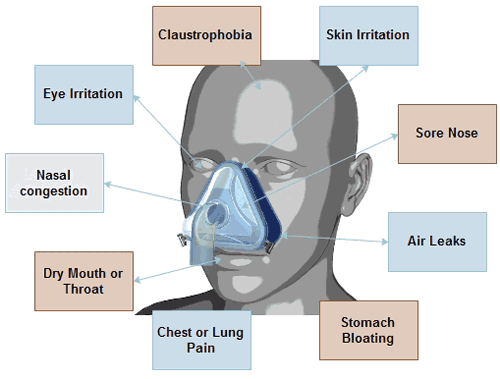
Moreover, adjusting to a CPAP machine can involve a significant learning curve. Users must not only find a comfortable mask fit but also adapt to the sensation of sleeping with continuous airflow. This adjustment period can be frustrating and discouraging for many, impacting sleep quality over time. For some, experimenting with different masks or settings is necessary to find a viable solution, which can lead to annoyance and reluctance to persist with this therapy. Common side effects such as bloating and flatulence can also affect comfort as users adapt to CPAP.
Why Seek Alternatives?
Given the common discomforts associated with CPAP machines, many individuals with sleep apnea seek alternative therapies. While CPAP therapy remains a highly effective treatment, the quest for comfort and ease of use drives people to explore other options. Positional therapy, for instance, can be beneficial for those whose sleep apnea is position-dependent. It involves using specially designed pillows, such as sleep apnea pillows or wedge pillows, which help maintain an open airway.
It is important to note that while these pillow solutions can alleviate symptoms and improve comfort, they do not treat sleep apnea itself and should be used as part of a broader management plan.
These pillow solutions, including memory foam and anti-snore pillows, offer a non-invasive approach to reducing airway obstruction. By encouraging side sleeping or elevating the upper body, these pillows can alleviate some of the burdens without needing a CPAP machine. Additionally, for those dealing with central sleep apnea or complex sleep issues, innovations in adjustable bed wedge pillows provide a tailored experience, catering to individual comfort needs. Whether it’s through the SONA Pillow or the Easy Breather Pillow, the market offers a variety of options that prioritize comfort, aiming to improve sleep quality and adherence to treatment without the drawbacks associated with CPAP machines.
Role of Pillows in Sleep Apnea Management
Sleep apnea is a common but serious sleep disorder characterized by repeated interruptions in breathing during sleep. Management of this condition often involves various therapeutic approaches, and among them, the use of specially designed pillows is gaining popularity. These pillows serve multiple purposes, such as supporting the head and neck, maintaining open airways, and enhancing the effectiveness of other treatments like CPAP therapy. Pillow help can also extend to reducing snoring and maintaining airway openness by utilizing specific pillow designs and positioning. By facilitating an optimal sleeping position, sleep apnea pillows can significantly improve airflow, consequently reducing airway obstructions and enhancing sleep quality.

Importance of Sleep Positioning
The position in which one sleeps can heavily influence the occurrence and severity of sleep apnea episodes. Research indicates that a supine position, or sleeping on one’s back, often exacerbates symptoms by promoting airway collapse. On the other hand, sleeping on the side can help keep the airway open, reducing the risk of obstructions. This is where positional therapy, utilizing pillows, plays a pivotal role. By encouraging side-sleeping, pillows can significantly mitigate apnea events and improve sleep quality. Additionally, elevating the upper body using a wedge pillow can prevent airway collapse and reduce acid reflux, a common accompanying condition. Keeping the head elevated with a wedge pillow or adjustable bed can further help reduce sleep apnea symptoms and improve sleep quality. Thus, effective sleep positioning aided by pillows is essential for managing sleep apnea symptoms.
How Pillows Can Help?
Do sleep apnea pillows really work? While sleep apnea pillows can help improve sleep quality and reduce apnea symptoms, especially when used alongside CPAP therapy or as part of a broader sleep improvement strategy, they are not a cure for sleep apnea and should be chosen with medical advice. These pillows are designed to accommodate CPAP masks, reduce air leaks, and improve comfort, but their effectiveness varies from person to person.
Pillows designed for sleep apnea go beyond simple comfort and provide functional support tailored to the needs of those with this condition. Memory foam pillows, for instance, offer a contoured shape that supports the natural curve of the neck and head, maintaining alignment and preventing airway obstruction. CPAP pillows, specifically engineered to accommodate CPAP masks, reduce mask pressure and minimize mask leaks, thus maximizing the therapy’s effectiveness.
Additionally, wedge pillows elevate the upper body, reducing gravitational pressure on the airway and decreasing the likelihood of collapse. Anti-snoring pillows are another option that lightly cradle the head, aligning the airway to facilitate unobstructed breathing. These pillow solutions, such as the Easy Breather Pillow or the Allsett Health Bed Wedge Pillow, are designed to encourage healthier sleep patterns and improve overall sleep quality for individuals with sleep apnea. By integrating sleep study insights and prioritizing ergonomic designs, these specialized pillows prove to be an integral part of a comprehensive sleep apnea management plan.
Types of Sleep Apnea Pillows
Sleep apnea pillows are specifically designed to alleviate symptoms of this common sleep disorder, providing comfort and support to improve sleep quality. There are various pillows for sleep apnea, each designed to address specific needs such as improving breathing, reducing snoring, and enhancing comfort for those using CPAP masks. These pillows are crafted to address airway obstructions and facilitate better breathing during the night. By encouraging proper spinal alignment and supporting the neck and head, sleep apnea pillows can help users experience fewer disturbances and a more restful night’s sleep. They come in various forms such as contour, wedge, memory foam, CPAP, and cervical pillows, each offering distinct benefits. Selecting the right type of sleep apnea pillow—and ensuring you use a proper pillow for your individual sleep concerns—could make a significant difference for individuals dealing with sleep-related concerns.
Contour Pillows
Contoured pillows are uniquely shaped, ergonomically designed pillows—often referred to as a contoured pillow—to support the natural curves of the body, specifically targeting the neck and head. These pillows are often made of memory foam, a material known for its ability to conform to individual body shapes, ensuring personalized comfort. The contoured shape helps to maintain spinal alignment, reducing strain on the neck and preventing airway obstruction, which is particularly beneficial for sleep apnea sufferers. By gently cradling the head and neck, contour pillows allow for a more relaxed position and can minimize common issues such as snoring and discomfort, which may contribute to disrupted sleep patterns.

Wedge Pillows
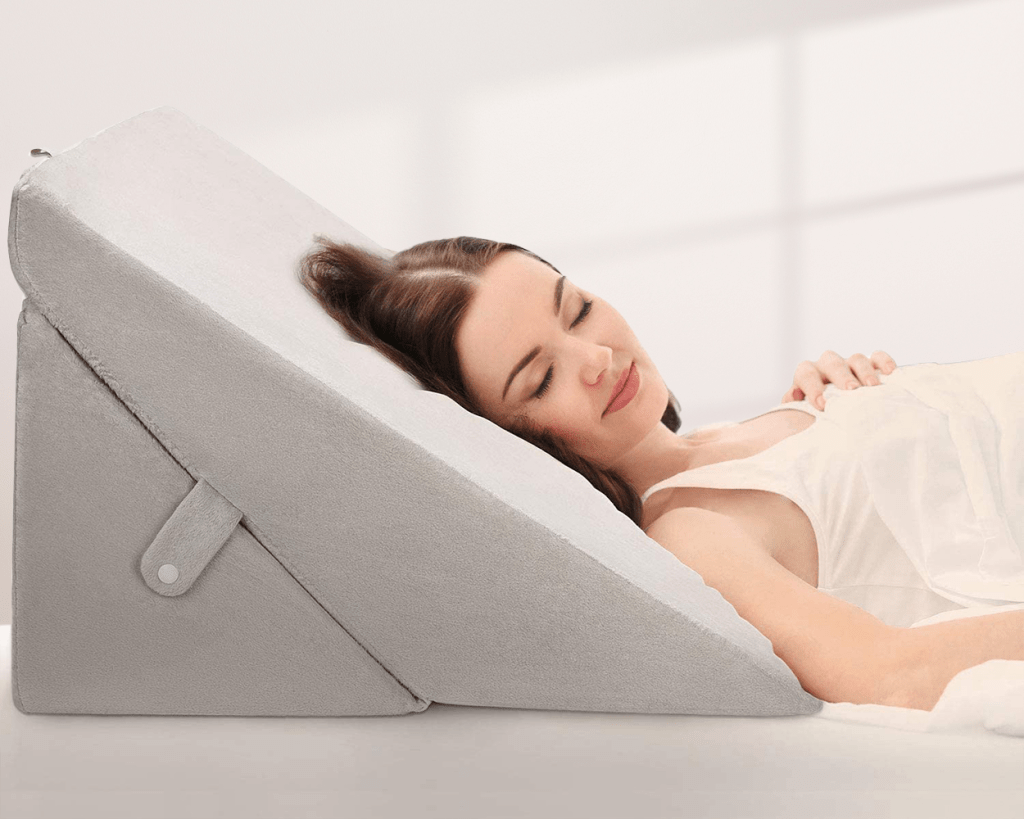
Wedge pillows are characterized by their slightly inclined shape, designed to elevate the upper body during sleep. This elevation can significantly aid in reducing breathing issues associated with sleep apnea by preventing the collapse of the airway. These pillows are also beneficial for conditions like acid reflux and snoring, making them a versatile choice for many sleepers. Additionally, the angled design of wedge pillows is crafted to comfortably accommodate the shoulders and neck, ensuring optimal positioning and support. This helps encourage better blood circulation and reduced pressure on the lower back, enhancing overall comfort. For individuals undergoing positional therapy or dealing with mask leaks from CPAP machines, wedge pillows can provide a practical solution.
Memory Foam Pillows
Memory foam pillows are highly regarded for their ability to mold to an individual’s body shape and provide firm, customized support. This material is particularly effective for sleep apnea pillows as it helps to distribute weight evenly, reducing pressure points that could lead to discomfort or improper positioning during sleep. In addition to memory foam, some sleep apnea pillows use alternative fill materials to provide adjustable support and enhanced comfort. By sustaining a stable alignment of the neck and spine, memory foam pillows can contribute to fewer breathing interruptions and an overall improvement in sleep quality. Their durability and adaptability make them a popular choice among those seeking a reliable and long-lasting pillow solution for managing sleep apnea.
CPAP Pillows
CPAP pillows are specifically designed to accommodate users of Continuous Positive Airway Pressure (CPAP) machines, a common therapy for sleep apnea. These pillows are made to support the CPAP mask and improve comfort for CPAP users by featuring distinct cut-outs or indentations to prevent mask leaks and reduce mask pressure, allowing users to maintain effective therapy throughout the night. By supporting the neck and allowing for various sleeping positions, CPAP pillows ensure comfort and stability. They are a crucial component in enhancing the effectiveness of CPAP therapy, as they promote consistent mask positioning and facilitate unobstructed airway passage, leading to a restful and uninterrupted sleep experience.
Cervical Pillows
Cervical pillows focus on supporting the neck’s curve, promoting proper spine alignment which is vital for alleviating symptoms associated with sleep apnea. These pillows generally have a raised edge to cradle the neck securely, reducing strain and potential airway obstruction. Cervical pillows are engineered to support natural sleeping postures, which not only aids in reducing sleep apnea symptoms but can also help in minimizing neck and shoulder pain. By maintaining proper alignment, cervical pillows can help reduce neck pain for individuals who experience discomfort during sleep. By encouraging a more comfortable and aligned sleeping position, cervical pillows can play a pivotal role in enhancing overall sleep quality and contributing to a healthier sleep environment for those affected by sleep apnea.
Key Features to Consider
Choosing the right sleep apnea pillow can make a significant difference in sleep quality and address issues like airway obstruction and mask leaks. When considering options, it’s important to focus on a pillow’s material, support level, and specific design features that cater to sleep apnea. Memory foam is a popular choice, known for its ability to contour to the individual’s shape, thereby helping to maintain proper alignment during sleep. Additionally, it’s crucial to evaluate features that enhance CPAP therapy, such as pillows designed to minimize mask pressure and accommodate different sleep positions. A well-rounded option should also incorporate elements that improve conditions like Acid Reflux, which can exacerbate sleep apnea symptoms. In sum, identifying the best sleep apnea pillow requires careful consideration of these key aspects to ensure it effectively contributes to better, uninterrupted rest.
Support and Comfort
Support and comfort are pivotal factors in selecting a sleep apnea pillow. A pillow with the right balance will not only enhance sleep quality but also aid in maintaining proper airflow during the night. Memory foam pillows are highly recommended, as they adjust to your contours, offering excellent support. This minimizes unwanted movements that could potentially cause airway obstruction.
A wedge pillow, or a CPAP pillow with a contoured shape, provides strategic support to elevate the head and neck, promoting better breathing and reducing snoring. Additionally, comfortable pillows tend to reduce mask leaks, thus maximizing the efficiency of CPAP therapy. Ultimately, a pillow that prioritizes support and comfort allows for a restful, rejuvenating sleep experience.
Breathability and Temperature Regulation
Breathability and temperature regulation are crucial for a good night’s sleep, particularly for those using CPAP therapy. When considering a sleep apnea pillow, look for materials that are breathable and help dissipate heat. Memory foam pillows, while supportive, can sometimes retain heat, so opting for a gel-infused memory foam or a pillow with a cooling mesh layer can enhance airflow and maintain a comfortable sleeping temperature. Choosing the right materials and design can help users sleep comfortably by minimizing disruptions and maintaining a pleasant temperature. Proper temperature regulation can prevent sleep disruptions caused by overheating and sweating. Additionally, breathable materials help in maintaining a dry environment, essential for those with allergies or sensitive skin, promoting overall comfort and improving sleep quality.

Adjustability and Customization
The ability to adjust and customize your pillow can significantly improve sleep comfort, especially for those coping with sleep apnea. Adjustable pillows, such as the Coop Home Goods Adjustable Loft Pillow, allow users to modify the fill to attain their desired level of firmness and supportive contour. This level of customization is beneficial for individuals requiring specific neck and head support to alleviate airway obstruction. Moreover, options like the Adjustable Bed Wedge Pillow offer varying incline angles, accommodating different sleep positions and needs. Tailoring your pillow to your unique preferences not only enhances comfort and support but also can lead to a more effective positional therapy, potentially reducing symptoms of sleep apnea and contributing to better long-term sleep health.
Expert Recommendations
Choosing the right sleep apnea pillow can substantially improve sleep quality for individuals dealing with this condition. Sleep apnea pillows are designed not only to enhance comfort but also to mitigate symptoms associated with airway obstructions, such as snoring and acid reflux. These pillows often incorporate memory foam and ergonomic designs, facilitating a more favorable sleeping posture that reduces the likelihood of airway obstruction. Additionally, they can assist in minimizing issues like mask leaks and mask pressure during CPAP therapy. By addressing these common issues, sleep apnea pillows contribute to a more restful night’s sleep and reduce the potential for serious health complications associated with poor sleep quality.
Expert Tips for Selection
Selecting the ideal sleep apnea pillow involves several considerations. First, assess the severity of your sleep apnea and related symptoms, such as acid reflux or snoring. Opting for a memory foam pillow can offer substantial support and contouring, which is beneficial for maintaining head and neck alignment. It’s also crucial to consider whether you use CPAP therapy, as specific pillows are designed to minimize mask leaks and pressure, enhancing therapy effectiveness. Evaluate your preferred sleeping position too, as certain pillows are engineered for back sleepers, side sleepers, or stomach sleepers, each aiming to keep the airway open and provide proper alignment and comfort. Some pillows are specifically designed for back and side sleepers, offering adjustable heights and enhanced support to improve sleep apnea symptoms. Back sleepers often benefit from medium-loft or contoured pillows that help maintain proper neck and spinal alignment, as well as airway openness, while side sleepers may prefer ergonomic or firmer pillows for optimal support. Stomach sleepers should look for low-profile, softer pillows to reduce neck strain. The durability and hypoallergenic properties of the pillow material should also be noted, ensuring long-term use without compromising health. With these factors in mind, making an informed choice on a pillow can significantly enhance sleep quality and manage sleep apnea symptoms effectively.
Sleeping Positions for Alleviating Sleep Apnea
Sleep apnea is a common disorder characterized by interruptions in breathing during sleep, often leading to poor sleep quality and a range of health issues. Finding the right sleeping position can be a crucial factor in reducing symptoms and improving overall rest. Certain positions can help keep the airway open and reduce obstructions, which is vital for individuals with obstructive sleep apnea. This section will explore the most effective sleeping positions for managing sleep apnea and discuss some positions that may exacerbate symptoms and should be avoided.

Best Positions for Symptom Relief
For individuals suffering from sleep apnea, sleeping on the side is generally considered the most beneficial position. This position helps keep the airway open, reducing the chances of experiencing apnea episodes. Side sleepers often benefit from using a CPAP pillow or a memory foam pillow to maintain proper neck alignment and reduce mask leaks during CPAP therapy. Additionally, using a wedge pillow can elevate the torso, further promoting unobstructed airflow and preventing airway obstruction. These specialized pillows, when combined with side sleeping, can help reduce sleep apnea symptoms by improving sleep posture and airway alignment. Positional therapy tools, like a body pillow, can help train the body to maintain this beneficial position throughout the night.
Another position that may provide symptom relief is sleeping on the stomach. Although less common, this position can prevent the tongue and soft tissues from collapsing into the airway, thereby reducing blockages. However, it’s essential to ensure the neck and spine are properly supported in this position to avoid discomfort. Utilizing an adjustable loft pillow can help maintain comfort while keeping the airway clear. By prioritizing these sleep positions and using the right pillow, individuals can often reduce sleep apnea symptoms and experience a noticeable improvement in their sleep quality and overall health.
Practices to Avoid
While some sleeping positions can alleviate sleep apnea symptoms, others may worsen them. Sleeping on the back, for example, is generally discouraged for individuals with sleep apnea. This position allows the tongue and soft tissues to fall back into the throat, obstructing the airway and increasing the likelihood of apnea episodes. Additionally, this position can lead to mask pressure and mask leaks during CPAP therapy, reducing the effectiveness of the treatment.
Another practice to avoid is sleeping without proper head and neck support. Improper support can lead to airway obstruction and exacerbate symptoms. It’s essential to use pillows with contoured shapes or adjustable features, such as the Easy Breather Pillow, to ensure proper alignment. Avoiding overly soft pillows that collapse under pressure is also crucial, as they can fail to provide the necessary support for maintaining an open airway. By steering clear of these practices, individuals can minimize apnea episodes and enhance their overall sleep experience.
Enhancing Pillow Effectiveness Through Lifestyle Changes
Sleep apnea pillows are designed to help alleviate symptoms of obstructive and central sleep apnea by supporting correct sleeping positions, reducing airway obstruction, and minimizing mask leaks for users undergoing CPAP therapy. However, their effectiveness can be significantly enhanced when combined with beneficial lifestyle changes. The right pillow, such as a memory foam wedge pillow, forms part of a comprehensive approach toward better sleep quality and overall health. By incorporating healthy habits, individuals can address underlying factors that contribute to sleep apnea, leading to more restorative sleep and improved well-being. In this regard, focusing on diet, exercise, and sleep hygiene practices plays an essential role in augmenting the benefits provided by a sleep apnea pillow.
Diet and Exercise
Diet and exercise are crucial elements in managing sleep apnea effectively. Adopting a healthy diet can help reduce excess weight, which is often a contributing factor to sleep apnea. A balanced diet rich in fruits, vegetables, lean proteins, and whole grains can promote weight loss and reduce fat deposits around the throat, alleviating airway obstruction. Furthermore, limiting caffeine and alcohol intake is advisable as these substances can disrupt sleep.
Regular exercise, such as aerobic activities, strengthens cardiovascular health and assists in maintaining a healthy weight. Exercise also has a positive impact on sleep quality by promoting deeper and more restorative sleep stages. Incorporating exercises like brisk walking, cycling, or swimming into your daily routine can enhance the effectiveness of your sleep apnea pillow by complementing its role in opening the airway. While a pillow provides mechanical support during sleep, the reduction of body fat and improved muscle tone from diet and exercise contribute significantly to alleviating symptoms of sleep apnea.
Sleep Hygiene Practices
Optimal sleep hygiene practices enhance both the direct and indirect benefits of sleep apnea pillows. Establishing a regular sleep schedule helps in regulating the body’s internal clock, ensuring you get sufficient rest. Aim to go to bed and wake up at the same time every day, even on weekends, to stabilize your sleep pattern. Creating a relaxing bedtime routine, such as taking a warm bath or reading before bed, signals to your body that it’s time to unwind.
The sleep environment is another critical factor to consider. Ensure that your sleeping area is conducive to restful sleep by keeping it cool, dark, and quiet. Remove electronic devices that might emit disruptive blue light which interferes with melatonin production. Additionally, maintaining a comfortable bed set-up with clean, soft bedding complements the design of sleep apnea pillows like the CPAP Pillow or contoured shape options, further supporting healthy sleep postures.
Together, these sleep hygiene practices and the use of specialized pillows create a holistic approach to improving sleep for those affected by sleep apnea. By making these adjustments, you not only improve the functionality of your sleep apnea pillow but also foster a sleep environment that supports the management of sleep disorders effectively.


2 responses to “Ultimate Guide to the Best Sleep Apnea Pillow”
[…] within the first year due to discomfort, noise, and travel inconvenience. For those seeking effective alternatives, finding the best oral appliance sleep apnea treatment can transform sleep quality and restore […]
[…] a good night’s sleep involves more than just changing sleep positions. For example, sleeping with your head elevated can help keep your airway open, reduce snoring, and may also alleviate symptoms of acid […]