

What is Core Sleep? The Ultimate Guide to Understanding
What is Core Sleep and Why It Matters?
Sleep is a cornerstone of good health, directly impacting both your physical and mental well-being. It’s not just about the quantity of sleep, but the quality and the different sleep stages that truly count. Core Sleep, an uninterrupted period of deep sleep, is crucial for optimal cognitive function and physical health. Core sleep refers to the essential, restorative phases of the sleep cycle, primarily including deep sleep (Stage 3 NREM) and REM sleep. The relationship between core sleep and deep sleep is important: deep sleep is a specific, restorative stage within the broader category of core sleep. When considering core sleep vs deep sleep, it’s important to note that core sleep encompasses both deep and REM sleep, while deep sleep is just one component focused on physical repair. The core sleep stage is a combination of deep sleep and REM sleep, making it the most restorative part of the sleep cycle. Improving core sleep quality is essential for overall well-being and helps prevent long-term health issues. To truly benefit, it’s important to understand core sleep and its role in restorative processes. Achieving core sleep requires uninterrupted sleep, as continuous, unbroken rest is necessary to complete these vital stages.
What is Core Sleep?
, a board-certified sleep doctor at Sliiip.com. Core Sleep includes the essential deep sleep and REM sleep stages where your body undergoes critical processes such as tissue repair, immune system enhancement, memory consolidation, and hormone regulation. During deep sleep, the body releases growth hormones that are essential for tissue repair, muscle growth, and physical development. Both deep and REM sleep support immune function, helping to reinforce the immune system and overall health. Core Sleep begins with light sleep, where the body and brain start to relax, setting the stage for deeper, more restorative sleep stages. Each sleep stage, including light, deep, and REM, plays a specific role in physical restoration and cognitive processing. After understanding the stages, it’s important to consider how much core sleep is needed for optimal health, as obtaining sufficient core sleep is crucial for mental and physical well-being.
Core Sleep and Sleep Apnea?
If you have trouble falling asleep you may have sleep apnea that can disrupt sleep. These sleep problems, like sleep apnea, are quite dangerous because you stop breathing for sometimes 10 seconds or more. In some instances, sleep apnea can kill you because a person’s breathing doesn’t restart.
Sleep apnea occurs in about 3 percent of normal weight individuals but affects over 20 percent of obese people. The repeated awakenings associated with sleep apnea make core sleep impossible, in turn making severe daytime drowsiness, fatigue and irritability likely. Not getting enough core sleep due to sleep apnea increases the risk of serious health problems, as your body and mind do not get the uninterrupted rest needed for proper restoration. You might have trouble concentrating and find yourself falling asleep at work, while watching TV or even when driving.
Repeated interruptions in breathing can lead to oxygen deprivation, which strains the heart and other vital organs. This restriction in the upper airway can also lead to a heart attack and sudden cardiac death. The best person to treat severe sleep apnea is a sleep doctor rather than your general doctor. Most insurances cover sleep apnea treatment and we also work on cash payments.

Meet with one of these sleep doctors to get your home sleep test.
How to Improve Your Core Sleep ?
- Set a Consistent Sleep Schedule
Actionable Tip: Fix your wake-up time daily, even on weekends. “Consistency in your sleep schedule helps regulate your circadian rhythm and the body’s internal clock, making restful sleep more attainable,” advises Dr. Bhar. Here is a great schedule that I use to keep me motivated and focused every time I wake up.
- Prioritize Sleep Hygiene
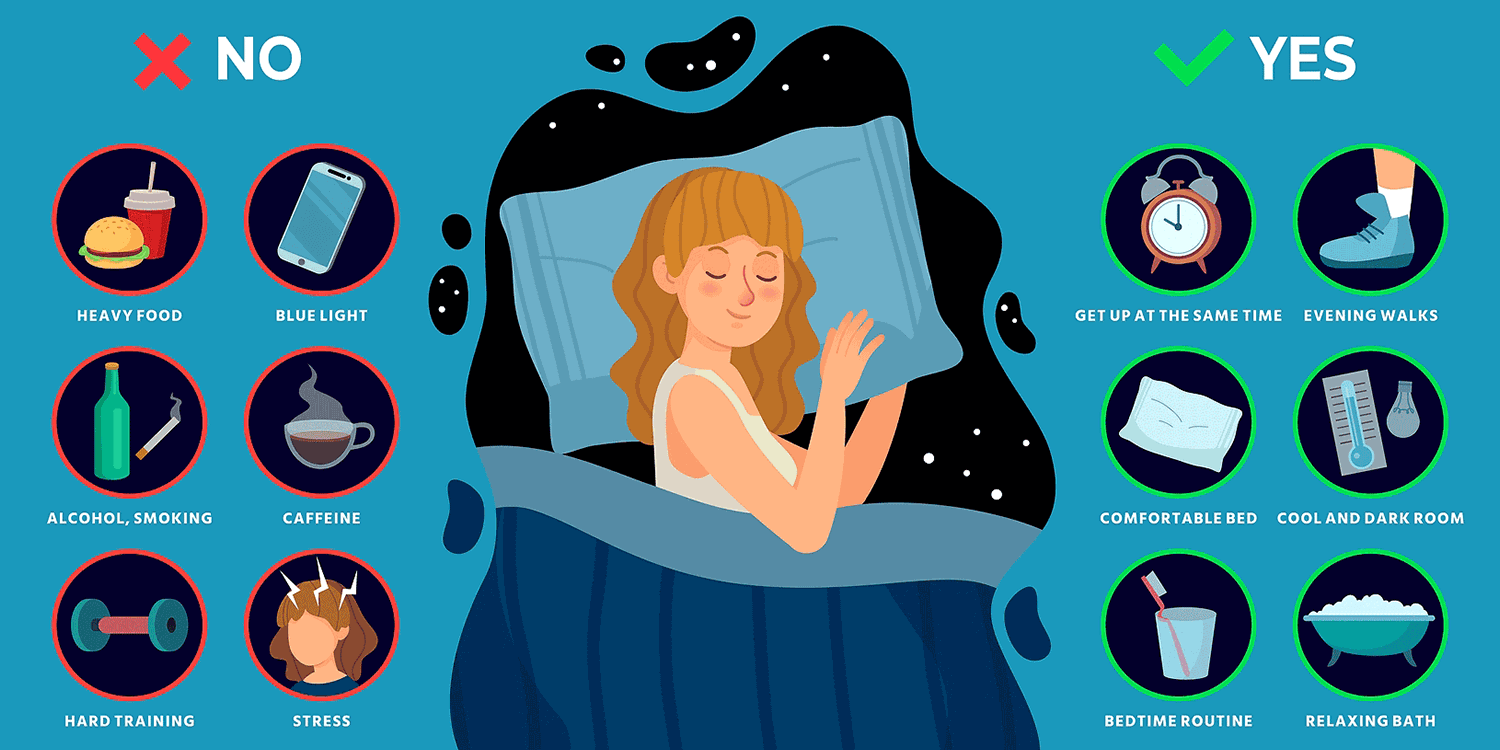
- Actionable Tip: Maintain good sleep hygiene by following consistent routines, creating a relaxing bedtime environment, and managing stress. These habits help optimize sleep quality and promote restorative rest.

- Optimize Your Sleep Environment
- Actionable Tip: Keep your bedroom cool, dark, and quiet. Use blackout curtains, earplugs, or a white noise machine if necessary. “A comfortable environment promotes deeper sleep by minimizing disruptions,” says Dr. Bhar.
- Limit Screen Time Before Bed
- Actionable Tip: Avoid screens at least one hour before bed. “Blue light from screens can suppress melatonin production, making it harder for your body to signal that it’s time for sleep,” warns Dr. Bhar.
- Mind Your Diet
- Actionable Tip: Avoid large meals, caffeine, and alcohol before bed. It is better to have a light, healthy snack if you’re hungry. “These dietary habits can interfere with sleep, so it’s best to be mindful of what you consume before bed,” suggests Dr. Bhar. Here is a list of good things to eat right before going to bed.

- Incorporate Relaxation Techniques
- Actionable Tip: Practice deep breathing, meditation, or progressive muscle relaxation for 5-10 minutes before bed. “Relaxation techniques help reduce stress, making it easier to transition into sleep,” explains Dr. Bhar.Here are some yoga exercises you can do before going to sleep that will help you have a healthy sleep cycle.

- Cultivate a Relaxing Bedtime Routine
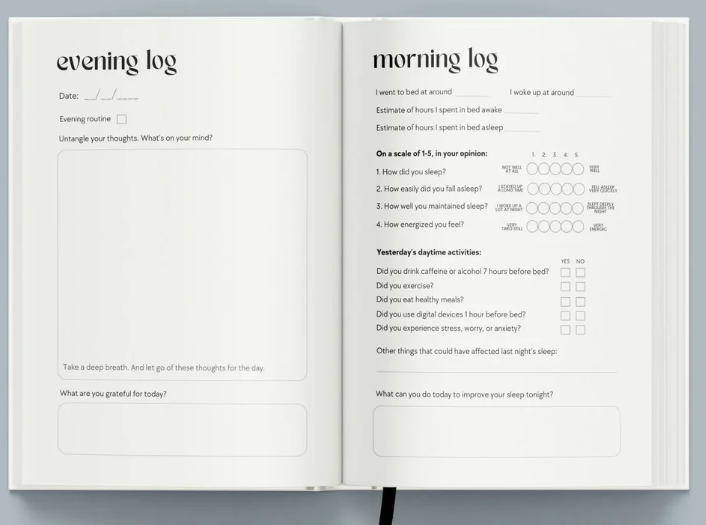
- Actionable Tip: Engage in calming activities such as reading, gentle stretching, or mindfulness exercises to signal to your body that it’s time to wind down. “A relaxing bedtime routine can facilitate a smoother transition into restful sleep,” advises Dr. Bhar.A good way to start getting ready for bed is by creating a sleep journal. Here you can log each evenings sleep pattern and in the morning, how many hours you slept and the quality of sleep. After a while you will see a pattern in your sleeping habits. This journal is also great to share with your sleep specialist, if you feel you may have sleep disorders that are not easily treated.
- Get Regular Exercise
- Actionable Tip: Engage in 30 minutes of moderate exercise most days, but avoid vigorous activity close to bedtime. “Regular physical activity helps you fall asleep faster and achieve deeper sleep,” notes Dr. Bhar.
- Manage Light Exposure
- Establish a Pre-Sleep Routine
- Actionable Tip: Develop a calming bedtime routine, such as journaling or listening to soothing music. “A consistent routine signals to your body that it’s time to wind down, making it easier to fall asleep,” advises Dr. Bhar.
- Limit Naps
- Actionable Tip: If you nap, keep it short (20-30 minutes) and avoid late-afternoon naps. “Long or late naps can interfere with nighttime sleep, so it’s best to nap earlier in the day,” recommends Dr. Bhar. Maintaining proper sleep duration at night is important for overall sleep quality and helps ensure you get enough deep and REM sleep.
- Track Your Core Sleep with Apple Watch
- Actionable Tip: Use an Apple Watch to monitor your core sleep, including heart rate and movement, to track improvements and optimize your sleep habits over time.

Benefits of Improving Core Sleep
Regular sleep patterns help your body move through healthy sleep cycles, which are essential for restorative sleep. Prioritizing better health core sleep leads to improved well-being and systemic health. Health core sleep is the foundation for supporting both physical and mental health, enhancing long-term vitality and overall quality of life.
Identifying Core Sleep Issues and Sleep Apnea
If you experience frequent snoozing, brain fog, irritability, or daytime sleepiness, it could indicate insufficient Core Sleep. “These signs should prompt you to evaluate your sleep habits more closely,” advises Dr. Bhar. You will probably need help from a professional sleep doctor that will put sleep trackers to monitor your sleep pattern for 1 or 2 nights. Getting help is the first step in getting better sleep and feeling better.
If you experience frequent snoozing, brain fog, irritability, or daytime sleepiness, it could indicate insufficient Core Sleep. “These signs should prompt you to evaluate your sleep habits more closely,” advises Dr. Bhar. You will probably need help from a professional sleep doctor that will put sleep trackers to monitor your sleep pattern for 1 or 2 nights. Getting help is the first step in getting better sleep and feeling better.

If these symptoms resonate with you, it may be time to take a closer look at your sleep patterns. “A home sleep test can help diagnose potential sleep disorders like sleep apnea or restless legs syndrome,” suggests Dr. Bhar. Our team of expert sleep doctors will provide personalized recommendations to enhance your sleep quality.
Understanding the Sleep Cycle
The sleep cycle is a fascinating and complex process that our bodies go through each night. It consists of different stages, each playing a unique role in our overall sleep quality and health. The sleep cycle is divided into two main categories: REM (Rapid Eye Movement) sleep and NREM (Non-Rapid Eye Movement) sleep.
REM sleep is characterized by rapid eye movements, increased brain activity, and vivid dreams. This stage is crucial for cognitive functions such as memory consolidation and emotional regulation. On the other hand, NREM sleep is divided into three stages: N1, N2, and N3. N1 and N2 are lighter stages of sleep, where the body begins to relax and prepare for deeper sleep. N3, also known as slow-wave sleep, is the deepest stage of sleep and is essential for physical restoration.
Each sleep cycle lasts around 90-120 minutes, and we typically go through multiple cycles each night. Understanding the sleep cycle is vital for improving sleep quality and addressing any underlying sleep disorders. By recognizing the importance of each stage, we can take steps to ensure we get the restorative sleep our bodies need.
Deep Sleep Stages
Deep sleep stages are the most restorative parts of our sleep cycle, playing a critical role in both physical and mental health. These stages are characterized by slow brain waves, a reduced heart rate, and decreased muscle activity, allowing the body to repair and rejuvenate itself.

There are two primary deep sleep stages: N3 and REM sleep. N3, also known as slow-wave sleep, is the deepest stage of sleep. During this stage, the body focuses on repairing and regenerating tissues, building bone and muscle, and strengthening the immune system. This stage is crucial for physical health and overall well-being.
REM sleep, while not as deep as N3, is equally important. It is characterized by rapid eye movements, increased brain activity, and vivid dreams. REM sleep is essential for cognitive functions, including memory consolidation and emotional regulation. Both deep sleep stages are vital for maintaining optimal physical and mental health.
Why Core Sleep is Crucial?
Scientific research underscores the importance of Core Sleep for cognitive restoration, physical recovery, and overall well-being. Core sleep encompasses various sleep stages, each playing a crucial role in physical and mental restoration. “Insufficient Core Sleep can result in memory problems, difficulty concentrating, and a weakened immune system,” explains Dr. Bhar. This highlights the need to prioritize this phase of sleep for a healthier life.
The Science Behind Core Sleep
Core sleep is the essential part of our sleep that is necessary for physical and mental restoration. It primarily consists of slow-wave sleep and REM sleep, both of which are crucial for maintaining overall health and well-being.

Research has shown that core sleep is indispensable for both physical and mental health. Understanding the science behind core sleep can help us improve our sleep quality and address any underlying sleep disorders. By prioritizing core sleep, we can enhance our overall well-being and lead healthier lives.
Don’t Delay—Start a Relaxing Bedtime Routine Today
“Poor sleep can severely impact your health and well-being,” warns Dr. Bhar. Don’t let it hold you back. Book your home sleep test today and take the first step towards better, restorative sleep.
Repeated interruptions in breathing can lead to oxygen deprivation, which strains the heart and other vital organs. This restriction in the upper airway can also lead to a heart attack and sudden cardiac death. The best person to treat severe sleep apnea is a sleep doctor rather than your general doctor. Most insurances cover sleep apnea treatment and we also work on cash payments.
Put an end to the suffering. Sleep Soundly. Wakeup Energized
What is Core Sleep and Why It Matters?
Sleep is a cornerstone of good health, directly impacting both your physical and mental well-being. It’s not just about the quantity of sleep, but the quality and the different sleep stages that truly count. Core Sleep, an uninterrupted period of deep sleep, is crucial for optimal cognitive function and physical health. Core sleep refers to the essential, restorative phases of the sleep cycle, primarily including deep sleep (Stage 3 NREM) and REM sleep. The relationship between core sleep and deep sleep is important: deep sleep is a specific, restorative stage within the broader category of core sleep. When considering core sleep vs deep sleep, it’s important to note that core sleep encompasses both deep and REM sleep, while deep sleep is just one component focused on physical repair. The core sleep stage is a combination of deep sleep and REM sleep, making it the most restorative part of the sleep cycle. Improving core sleep quality is essential for overall well-being and helps prevent long-term health issues. To truly benefit, it’s important to understand core sleep and its role in restorative processes. Achieving core sleep requires uninterrupted sleep, as continuous, unbroken rest is necessary to complete these vital stages.
What is Core Sleep?
, a board-certified sleep doctor at Sliiip.com. Core Sleep includes the essential deep sleep and REM sleep stages where your body undergoes critical processes such as tissue repair, immune system enhancement, memory consolidation, and hormone regulation. During deep sleep, the body releases growth hormones that are essential for tissue repair, muscle growth, and physical development. Both deep and REM sleep support immune function, helping to reinforce the immune system and overall health. Core Sleep begins with light sleep, where the body and brain start to relax, setting the stage for deeper, more restorative sleep stages. Each sleep stage, including light, deep, and REM, plays a specific role in physical restoration and cognitive processing. After understanding the stages, it’s important to consider how much core sleep is needed for optimal health, as obtaining sufficient core sleep is crucial for mental and physical well-being.
Core Sleep and Sleep Apnea?
If you have trouble falling asleep you may have sleep apnea that can disrupt sleep. These sleep problems, like sleep apnea, are quite dangerous because you stop breathing for sometimes 10 seconds or more. In some instances, sleep apnea can kill you because a person’s breathing doesn’t restart.
Sleep apnea occurs in about 3 percent of normal weight individuals but affects over 20 percent of obese people. The repeated awakenings associated with sleep apnea make core sleep impossible, in turn making severe daytime drowsiness, fatigue and irritability likely. Not getting enough core sleep due to sleep apnea increases the risk of serious health problems, as your body and mind do not get the uninterrupted rest needed for proper restoration. You might have trouble concentrating and find yourself falling asleep at work, while watching TV or even when driving.
Repeated interruptions in breathing can lead to oxygen deprivation, which strains the heart and other vital organs. This restriction in the upper airway can also lead to a heart attack and sudden cardiac death. The best person to treat severe sleep apnea is a sleep doctor rather than your general doctor. Most insurances cover sleep apnea treatment and we also work on cash payments.
Meet with one of these sleep doctors to get your home sleep test.
How to Improve Your Core Sleep ?
- Set a Consistent Sleep Schedule
Actionable Tip: Fix your wake-up time daily, even on weekends. “Consistency in your sleep schedule helps regulate your circadian rhythm and the body’s internal clock, making restful sleep more attainable,” advises Dr. Bhar. Here is a great schedule that I use to keep me motivated and focused every time I wake up.
- Prioritize Sleep Hygiene
- Actionable Tip: Maintain good sleep hygiene by following consistent routines, creating a relaxing bedtime environment, and managing stress. These habits help optimize sleep quality and promote restorative rest.
- Optimize Your Sleep Environment
- Actionable Tip: Keep your bedroom cool, dark, and quiet. Use blackout curtains, earplugs, or a white noise machine if necessary. “A comfortable environment promotes deeper sleep by minimizing disruptions,” says Dr. Bhar.
- Limit Screen Time Before Bed
- Actionable Tip: Avoid screens at least one hour before bed. “Blue light from screens can suppress melatonin production, making it harder for your body to signal that it’s time for sleep,” warns Dr. Bhar.
- Mind Your Diet
- Actionable Tip: Avoid large meals, caffeine, and alcohol before bed. It is better to have a light, healthy snack if you’re hungry. “These dietary habits can interfere with sleep, so it’s best to be mindful of what you consume before bed,” suggests Dr. Bhar. Here is a list of good things to eat right before going to bed.
- Incorporate Relaxation Techniques
- Actionable Tip: Practice deep breathing, meditation, or progressive muscle relaxation for 5-10 minutes before bed. “Relaxation techniques help reduce stress, making it easier to transition into sleep,” explains Dr. Bhar.Here are some yoga exercises you can do before going to sleep that will help you have a healthy sleep cycle.
- Cultivate a Relaxing Bedtime Routine
- Actionable Tip: Engage in calming activities such as reading, gentle stretching, or mindfulness exercises to signal to your body that it’s time to wind down. “A relaxing bedtime routine can facilitate a smoother transition into restful sleep,” advises Dr. Bhar.A good way to start getting ready for bed is by creating a sleep journal. Here you can log each evenings sleep pattern and in the morning, how many hours you slept and the quality of sleep. After a while you will see a pattern in your sleeping habits. This journal is also great to share with your sleep specialist, if you feel you may have sleep disorders that are not easily treated.
- Get Regular Exercise
- Actionable Tip: Engage in 30 minutes of moderate exercise most days, but avoid vigorous activity close to bedtime. “Regular physical activity helps you fall asleep faster and achieve deeper sleep,” notes Dr. Bhar.
- Manage Light Exposure
- Establish a Pre-Sleep Routine
- Actionable Tip: Develop a calming bedtime routine, such as journaling or listening to soothing music. “A consistent routine signals to your body that it’s time to wind down, making it easier to fall asleep,” advises Dr. Bhar.
- Limit Naps
- Actionable Tip: If you nap, keep it short (20-30 minutes) and avoid late-afternoon naps. “Long or late naps can interfere with nighttime sleep, so it’s best to nap earlier in the day,” recommends Dr. Bhar. Maintaining proper sleep duration at night is important for overall sleep quality and helps ensure you get enough deep and REM sleep.
- Track Your Core Sleep with Apple Watch
- Actionable Tip: Use an Apple Watch to monitor your core sleep, including heart rate and movement, to track improvements and optimize your sleep habits over time.
Benefits of Improving Core Sleep
Regular sleep patterns help your body move through healthy sleep cycles, which are essential for restorative sleep. Prioritizing better health core sleep leads to improved well-being and systemic health. Health core sleep is the foundation for supporting both physical and mental health, enhancing long-term vitality and overall quality of life.
Identifying Core Sleep Issues and Sleep Apnea
If you experience frequent snoozing, brain fog, irritability, or daytime sleepiness, it could indicate insufficient Core Sleep. “These signs should prompt you to evaluate your sleep habits more closely,” advises Dr. Bhar. You will probably need help from a professional sleep doctor that will put sleep trackers to monitor your sleep pattern for 1 or 2 nights. Getting help is the first step in getting better sleep and feeling better.
If you experience frequent snoozing, brain fog, irritability, or daytime sleepiness, it could indicate insufficient Core Sleep. “These signs should prompt you to evaluate your sleep habits more closely,” advises Dr. Bhar. You will probably need help from a professional sleep doctor that will put sleep trackers to monitor your sleep pattern for 1 or 2 nights. Getting help is the first step in getting better sleep and feeling better.
If these symptoms resonate with you, it may be time to take a closer look at your sleep patterns. “A home sleep test can help diagnose potential sleep disorders like sleep apnea or restless legs syndrome,” suggests Dr. Bhar. Our team of expert sleep doctors will provide personalized recommendations to enhance your sleep quality.
Understanding the Sleep Cycle
The sleep cycle is a fascinating and complex process that our bodies go through each night. It consists of different stages, each playing a unique role in our overall sleep quality and health. The sleep cycle is divided into two main categories: REM (Rapid Eye Movement) sleep and NREM (Non-Rapid Eye Movement) sleep.
REM sleep is characterized by rapid eye movements, increased brain activity, and vivid dreams. This stage is crucial for cognitive functions such as memory consolidation and emotional regulation. On the other hand, NREM sleep is divided into three stages: N1, N2, and N3. N1 and N2 are lighter stages of sleep, where the body begins to relax and prepare for deeper sleep. N3, also known as slow-wave sleep, is the deepest stage of sleep and is essential for physical restoration.
Each sleep cycle lasts around 90-120 minutes, and we typically go through multiple cycles each night. Understanding the sleep cycle is vital for improving sleep quality and addressing any underlying sleep disorders. By recognizing the importance of each stage, we can take steps to ensure we get the restorative sleep our bodies need.
Deep Sleep Stages
Deep sleep stages are the most restorative parts of our sleep cycle, playing a critical role in both physical and mental health. These stages are characterized by slow brain waves, a reduced heart rate, and decreased muscle activity, allowing the body to repair and rejuvenate itself.
There are two primary deep sleep stages: N3 and REM sleep. N3, also known as slow-wave sleep, is the deepest stage of sleep. During this stage, the body focuses on repairing and regenerating tissues, building bone and muscle, and strengthening the immune system. This stage is crucial for physical health and overall well-being.
REM sleep, while not as deep as N3, is equally important. It is characterized by rapid eye movements, increased brain activity, and vivid dreams. REM sleep is essential for cognitive functions, including memory consolidation and emotional regulation. Both deep sleep stages are vital for maintaining optimal physical and mental health.
Why Core Sleep is Crucial?
Scientific research underscores the importance of Core Sleep for cognitive restoration, physical recovery, and overall well-being. Core sleep encompasses various sleep stages, each playing a crucial role in physical and mental restoration. “Insufficient Core Sleep can result in memory problems, difficulty concentrating, and a weakened immune system,” explains Dr. Bhar. This highlights the need to prioritize this phase of sleep for a healthier life.
The Science Behind Core Sleep
Core sleep is the essential part of our sleep that is necessary for physical and mental restoration. It primarily consists of slow-wave sleep and REM sleep, both of which are crucial for maintaining overall health and well-being.
Research has shown that core sleep is indispensable for both physical and mental health. Understanding the science behind core sleep can help us improve our sleep quality and address any underlying sleep disorders. By prioritizing core sleep, we can enhance our overall well-being and lead healthier lives.
Don’t Delay—Start a Relaxing Bedtime Routine Today
“Poor sleep can severely impact your health and well-being,” warns Dr. Bhar. Don’t let it hold you back. Book your home sleep test today and take the first step towards better, restorative sleep.
Repeated interruptions in breathing can lead to oxygen deprivation, which strains the heart and other vital organs. This restriction in the upper airway can also lead to a heart attack and sudden cardiac death. The best person to treat severe sleep apnea is a sleep doctor rather than your general doctor. Most insurances cover sleep apnea treatment and we also work on cash payments.
Put an end to the suffering. Sleep Soundly. Wakeup Energized

10 responses to “What is Core Sleep? The Ultimate Guide to Understanding”
[…] focus is on establishing practices and environments that support natural sleep patterns and enhance core sleep quality. This holistic approach highlights the importance of both physical and behavioral factors […]
[…] feedback on such factors that you can use to make adjustments in conditions to achieve an ideal core sleep […]
[…] feedback on such factors that you can use to make adjustments in conditions to achieve an ideal core sleep […]
[…] night-time breathing disruptions with any kind of accuracy? Let’s first understand core sleep. Core sleep is the foundation of restorative rest; it’s where the body and mind repair and rejuvenate, […]
I am still confused about sleep stages. My Apple Watch shows sleep stages, REM, Core, and Deep. Deep sleep is not included in Core Sleep. I usually get 30-60 minutes 'Deep' and 4 hours of 'Core' sleeps as shown on my Apple Watch. Is this data normal?
Me too! I was looking for the answer to the same question!
Thanks for this very informational blog and If you’re looking for a trusted place to download software and games, Kuyhaa Soft is getting really popular these days. It offers updated downloads with details, system requirements, and easy guides—definitely worth checking out!.
Great ans Thanks for your sharing
[…] body is smart – if you don’t get enough sleep, it will prioritize core sleep first. This explains why sometimes a shorter night of good quality core sleep can leave you feeling […]
[…] To sleep better: […]