

Best Sleep Apnea Mouth Guard
Types of Sleep Apnea Mouth Guards
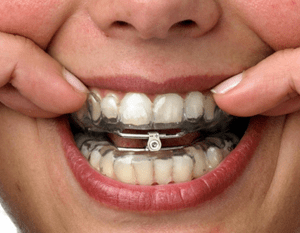
Mandibular advancement devices (MADs) are the most common type of sleep apnea mouth guard, also known as snoring mouthpieces, anti snoring mouthpieces, and anti snoring mouthguards. These devices work by holding the lower jaw forward and fitting over the upper and lower teeth to keep the airway open. MADs use jaw advancement and adjust jaw positioning to maintain an open airway during sleep.
Tongue retaining devices (TRDs) are another type of sleep apnea mouth guard that hold the tongue forward in a forward position using suction, preventing it from falling back and blocking the airway. As a type of tongue retaining device, TRDs do not affect jaw positioning but instead keep the tongue forward to prevent airway obstruction.
Combination devices integrate the features of MADs and TRDs to provide a comprehensive solution for sleep apnea.
Custom fitted mouth guards and custom fitted alternatives are available for enhanced fit, comfort, and effectiveness, often designed by dental professionals for optimal results.

Benefits and Risks of Sleep Apnea Mouth Guards
- Sleep apnea mouth guards can be an effective treatment option for mild to moderate OSA, improving sleep quality and reducing sleep apnea symptoms.
- Benefits include being more manageable than continuous positive airway pressure (CPAP) therapy and may be used with greater regularity. Custom-fitted devices offer enhanced comfort, and a properly fitted mouth guard is key to effectiveness. Consistent use is necessary for best results.
- Risks include jaw pain, tooth sensitivity, or dry mouth, which are usually mild and temporary. Individuals with TMJ issues or loose teeth should consult a dentist before use, as certain devices may not be suitable. Mouth guards can help prevent teeth grinding, but may cause bite changes over time, so regular dental checkups are important.
Many users find relief from sleep apnea symptoms with the right device.
Choosing the Right Sleep Apnea Mouth Guard
When choosing a sleep apnea mouth guard, consider personal preferences along with factors such as comfort, adjustability, durability, effectiveness, and cost. Over the counter devices are widely available, but they may not provide the same level of comfort or effectiveness as a custom fit mouth guard made by a dental professional. A custom fit is especially important for individuals with dental implants or complex dental needs, as it ensures compatibility and safety. For some, a mouth guard can be a comfortable alternative to other treatments like CPAP therapy. Consult with dental and sleep professionals for personalized advice and recommendations. Look for mouth guards that are FDA-approved and made of medical-grade materials.
Best Sleep Apnea Mouth Guard Options
These products are anti snoring devices and sleep apnea mouthguards designed to reduce snoring and treat snoring by improving airway patency and providing structural support.
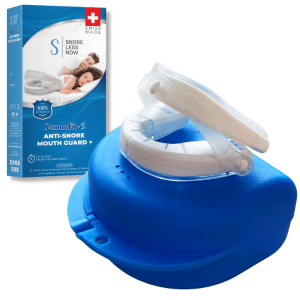
Somnofit-S Anti-Snore Mouth Guard+ is a customizable mandibular advancement device that is adjustable and comfortable, effective in reducing snoring and treating snoring by keeping the airway open during sleep.
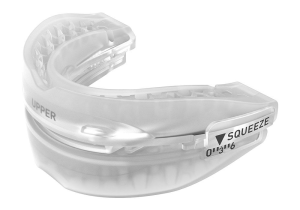
SnoreRx is a fully customizable mandibular advancement device designed to curb snoring by repositioning the jaw, making it effective for reducing snoring and treating snoring in many individuals.
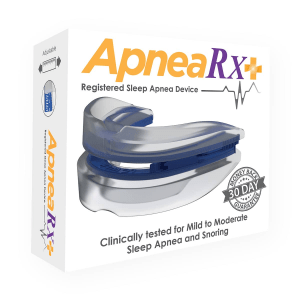
CareFusion ApneaRx Sleep Apnea Appliance is a customizable and adjustable mandibular advancement device that is gentle on the jaw, and works as a sleep apnea mouthguard to reduce snoring and treat snoring by maintaining an open airway.
These options are among the most popular snoring solutions available for those seeking to reduce snoring and improve sleep quality.
How to Use a Sleep Apnea Mouth Guard?
- Wear the mouth guard every night and adjust the device as needed to achieve a comfortable fit. Consistent use is important for effectiveness.
- Follow the manufacturer’s instructions for cleaning and maintenance.
- Regularly visit your dentist to ensure the mouth guard is working effectively and to address any concerns.
- Consult a healthcare provider if you have concerns about snoring, experience persistent symptoms, or if you wear dentures, to ensure the mouth guard is safe and appropriate for your needs.
Alternatives to Sleep Apnea Mouth Guards
CPAP therapy is a common treatment option for sleep apnea that uses a CPAP machine to deliver pressurized air through a mask and tube, keeping the airway open during sleep. CPAP machines are considered the standard treatment for moderate to severe OSA, but some patients may not tolerate PAP therapy.

For those who cannot use CPAP, oral appliance therapy is another treatment option that involves wearing a dental device to keep the airway open. In cases of severe OSA where other therapies are ineffective, hypoglossal nerve stimulation is a surgical treatment option that stimulates the nerve controlling tongue movement to prevent airway collapse.
There are multiple treatment options for sleep apnea, and a personalized medical evaluation can help determine the most effective approach.
Choosing the right sleep apnea mouth guard involves considering factors such as comfort, adjustability, and effectiveness. Consulting with dental and sleep professionals can provide personalized advice, ensuring that the selected device meets individual needs. Regular use and proper maintenance of the mouth guard are crucial for achieving the best results.
Dr. Avinesh Bhar
Conclusion
In conclusion, sleep apnea mouth guards are a viable treatment option for individuals suffering from obstructive sleep apnea (OSA). By understanding the key differences and weighing the pros and cons of each type, individuals can take the first step towards a healthier, more restorative sleep. With the right mouth guard and proper use, individuals can reduce sleep apnea symptoms, improve overall health and well-being, and return to sleeping soundly.
Ultimately, sleep apnea mouth guards offer a practical and often more manageable alternative to continuous positive airway pressure (CPAP) therapy, especially for those with mild to moderate sleep apnea. By addressing sleep apnea symptoms, these devices can significantly enhance sleep quality, reduce daytime sleepiness, and contribute to better overall health.
Understanding Obstructive Sleep Apnea
Obstructive sleep apnea (OSA) is a common sleep disorder caused by restricted airflow that occurs when the upper airway is blocked partly or completely during sleep. OSA can lead to reduced airflow, frequent awakenings, and daytime sleepiness. Oral appliances and other dental appliances are commonly used to treat OSA by improving airflow during sleep.
Central sleep apnea (CSA) is another type of sleep apnea that occurs when the brain cannot transmit signals to muscles that promote breathing. Dr. Avinesh Bhar, is an expert sleep doctor at Sliiip.com and here is his review of different sleep apnea mouth guards that you can use to reduce the symptoms of sleep apnea.
Diagnosis and treatment are key to managing sleep apnea. If a home sleep test is recommended by your Sleep Doctor, we will send you a FDA-approved, simple to setup, home sleep test. Use it for one or two nights. After the test, you’ll send the device back to us for analysis.—just book an appointment online at Sliiip.com.
Types of Sleep Apnea Mouth Guards
Mandibular advancement devices (MADs) are the most common type of sleep apnea mouth guard, also known as snoring mouthpieces, anti snoring mouthpieces, and anti snoring mouthguards. These devices work by holding the lower jaw forward and fitting over the upper and lower teeth to keep the airway open. MADs use jaw advancement and adjust jaw positioning to maintain an open airway during sleep.
Tongue retaining devices (TRDs) are another type of sleep apnea mouth guard that hold the tongue forward in a forward position using suction, preventing it from falling back and blocking the airway. As a type of tongue retaining device, TRDs do not affect jaw positioning but instead keep the tongue forward to prevent airway obstruction.
Combination devices integrate the features of MADs and TRDs to provide a comprehensive solution for sleep apnea.
Custom fitted mouth guards and custom fitted alternatives are available for enhanced fit, comfort, and effectiveness, often designed by dental professionals for optimal results.
Benefits and Risks of Sleep Apnea Mouth Guards
- Sleep apnea mouth guards can be an effective treatment option for mild to moderate OSA, improving sleep quality and reducing sleep apnea symptoms.
- Benefits include being more manageable than continuous positive airway pressure (CPAP) therapy and may be used with greater regularity. Custom-fitted devices offer enhanced comfort, and a properly fitted mouth guard is key to effectiveness. Consistent use is necessary for best results.
- Risks include jaw pain, tooth sensitivity, or dry mouth, which are usually mild and temporary. Individuals with TMJ issues or loose teeth should consult a dentist before use, as certain devices may not be suitable. Mouth guards can help prevent teeth grinding, but may cause bite changes over time, so regular dental checkups are important.
Many users find relief from sleep apnea symptoms with the right device.
Choosing the Right Sleep Apnea Mouth Guard
When choosing a sleep apnea mouth guard, consider personal preferences along with factors such as comfort, adjustability, durability, effectiveness, and cost. Over the counter devices are widely available, but they may not provide the same level of comfort or effectiveness as a custom fit mouth guard made by a dental professional. A custom fit is especially important for individuals with dental implants or complex dental needs, as it ensures compatibility and safety. For some, a mouth guard can be a comfortable alternative to other treatments like CPAP therapy. Consult with dental and sleep professionals for personalized advice and recommendations. Look for mouth guards that are FDA-approved and made of medical-grade materials.
Best Sleep Apnea Mouth Guard Options
These products are anti snoring devices and sleep apnea mouthguards designed to reduce snoring and treat snoring by improving airway patency and providing structural support.
Somnofit-S Anti-Snore Mouth Guard+ is a customizable mandibular advancement device that is adjustable and comfortable, effective in reducing snoring and treating snoring by keeping the airway open during sleep.
SnoreRx is a fully customizable mandibular advancement device designed to curb snoring by repositioning the jaw, making it effective for reducing snoring and treating snoring in many individuals.
CareFusion ApneaRx Sleep Apnea Appliance is a customizable and adjustable mandibular advancement device that is gentle on the jaw, and works as a sleep apnea mouthguard to reduce snoring and treat snoring by maintaining an open airway.
These options are among the most popular snoring solutions available for those seeking to reduce snoring and improve sleep quality.
How to Use a Sleep Apnea Mouth Guard?
- Wear the mouth guard every night and adjust the device as needed to achieve a comfortable fit. Consistent use is important for effectiveness.
- Follow the manufacturer’s instructions for cleaning and maintenance.
- Regularly visit your dentist to ensure the mouth guard is working effectively and to address any concerns.
- Consult a healthcare provider if you have concerns about snoring, experience persistent symptoms, or if you wear dentures, to ensure the mouth guard is safe and appropriate for your needs.
Alternatives to Sleep Apnea Mouth Guards
CPAP therapy is a common treatment option for sleep apnea that uses a CPAP machine to deliver pressurized air through a mask and tube, keeping the airway open during sleep. CPAP machines are considered the standard treatment for moderate to severe OSA, but some patients may not tolerate PAP therapy.
For those who cannot use CPAP, oral appliance therapy is another treatment option that involves wearing a dental device to keep the airway open. In cases of severe OSA where other therapies are ineffective, hypoglossal nerve stimulation is a surgical treatment option that stimulates the nerve controlling tongue movement to prevent airway collapse.
There are multiple treatment options for sleep apnea, and a personalized medical evaluation can help determine the most effective approach.
Choosing the right sleep apnea mouth guard involves considering factors such as comfort, adjustability, and effectiveness. Consulting with dental and sleep professionals can provide personalized advice, ensuring that the selected device meets individual needs. Regular use and proper maintenance of the mouth guard are crucial for achieving the best results.
Dr. Avinesh Bhar
Conclusion
In conclusion, sleep apnea mouth guards are a viable treatment option for individuals suffering from obstructive sleep apnea (OSA). By understanding the key differences and weighing the pros and cons of each type, individuals can take the first step towards a healthier, more restorative sleep. With the right mouth guard and proper use, individuals can reduce sleep apnea symptoms, improve overall health and well-being, and return to sleeping soundly.
Ultimately, sleep apnea mouth guards offer a practical and often more manageable alternative to continuous positive airway pressure (CPAP) therapy, especially for those with mild to moderate sleep apnea. By addressing sleep apnea symptoms, these devices can significantly enhance sleep quality, reduce daytime sleepiness, and contribute to better overall health.

2 responses to “Best Sleep Apnea Mouth Guard”
[…] sleep apnea mouth guards are best for patients suffering from mild to moderate obstructive sleep apnea. The devices help hold […]
[…] it is curable. For the vast majority of the patients, CPAP machines, sleep apnea mouth guards, and surgery will put people back in control of their sleep, meaning they will then be in control […]