👉 Register for Free. How to Diagnose Sleep Apnea Faster in Primary Care – FREE Webinar by Dr. Audrey Wells. – Friday, April 24 at 12 PM ET


Does Apple Watch Detect Sleep Apnea?
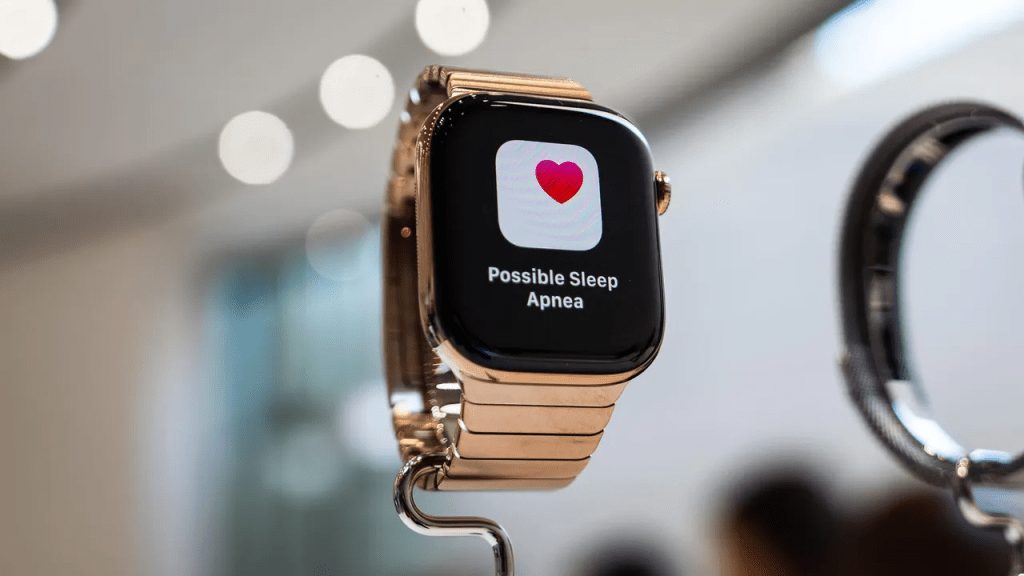
You may been thinking about buying a Samsung, Apple Watch, Oura Ring or Garmin to track your sleep quality. And you may be wondering now in 2024, does apple watch detect sleep apnea? This is a good idea if you are constantly feeling tired and are wondering if you have insomnia, sleep apnea, narcolepsy or some other sleep disorder. Reports suggest the Apple Watch Series 10 will be capable of detecting sleep apnea symptoms by monitoring snoring, heart rate, breathing rate, body movements, and sleep patterns
The question though is, how reliable are these sleep tracking devices? These devices utilize advanced sensors and algorithms to perform apnea tests and monitor sleep quality. The consumer sleep-tracking market has boomed in the past decade with multiple options for health-conscious consumers to choose from. In fact, according to an AASM (American Academy of Sleep Medicine) 2023 Survey 1 in 3 Americans have a sleep-tracking device and 68% of those individuals have made changes to their sleep habits based on the data from their tracker. (2)
Understanding Sleep Apnea Detection
Sleep apnea detection is a crucial feature that can help identify individuals with sleep apnea, a condition that affects millions of people worldwide. Sleep apnea is a disorder that causes breathing disturbances during sleep, leading to poor sleep quality, daytime fatigue, and an increased risk of chronic diseases such as heart disease, diabetes, and obesity. This feature is designed to provide users with accurate and reliable results, allowing them to take proactive steps to manage their sleep apnea.
Undergoing a home sleep apnea test is crucial if you notice that you may have sleep apnea. This way you can learn about the severity of your sleep apnea and how we can treat it.
Understanding Sleep Tracking: PSG & Actigraphy
Historically, polysomnography (PSG) has been the gold standard for assessing sleep. PSG is an overnight sleep study that measures brain activity, eye movements, muscle activity, heart rate, breathing patterns, oxygen levels, and body movements to diagnose conditions like sleep apnea and restless legs syndrome. Actigraphy, which uses wrist-worn devices to monitor physical activity, emerged as a more convenient alternative, estimating sleep and wake patterns over weeks. While actigraphy is more accurate than sleep logs, it overestimates sleep and lacks the precision of PSG in differentiating sleep stages.
Sleep Ring for Monitoring Sleep Pattern
How Apple Watch Detects Sleep Apnea
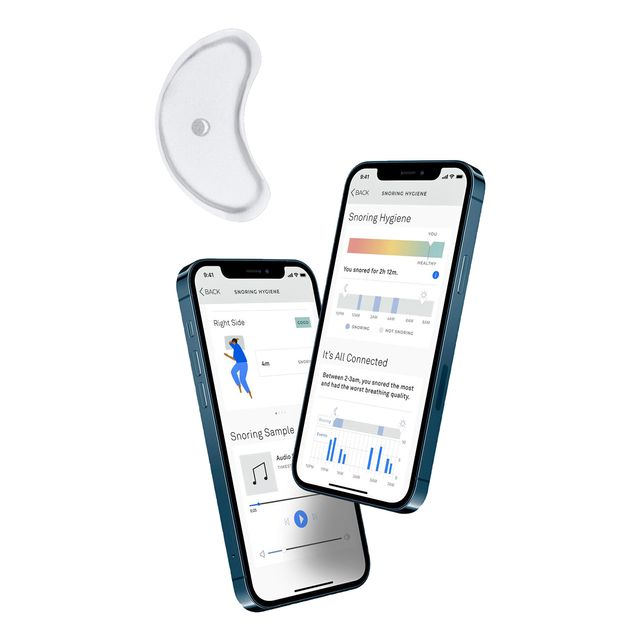
The Apple Watch detects sleep apnea using a combination of accelerometer data and advanced machine learning algorithms. The accelerometer tracks the user’s breathing patterns during sleep, detecting breathing disturbances such as pauses in breathing or shallow breathing. The machine learning algorithms then analyze this data to identify patterns consistent with sleep apnea. The feature is designed to detect moderate to severe sleep apnea, which is defined as an Apnea-Hypopnea Index (AHI) of 15 or higher. The AHI is a measure of the number of apnea or hypopnea events per hour of sleep.
The Rise of Sleep Trackers for Sleep Apnea
Recent advancements in technology have led to the development of multisensor consumer sleep-tracking devices with innovative health features. These wearable devices utilize a combination of sensors to monitor heart rate, movement, breathing patterns, and sometimes even oxygen saturation level during sleep. By collecting and analyzing this data, these devices aim to provide users with a detailed breakdown of their sleep stages (like deep sleep, light sleep, REM sleep) and highlight any disturbances or irregularities.
You may been thinking about buying a Samsung, Apple Watch, Oura Ring or Garmin to track your sleep quality. And you may be wondering now in 2024, does apple watch detect sleep apnea? This is a good idea if you are constantly feeling tired and are wondering if you have insomnia, sleep apnea, narcolepsy or some other sleep disorder. Reports suggest the Apple Watch Series 10 will be capable of detecting sleep apnea symptoms by monitoring snoring, heart rate, breathing rate, body movements, and sleep patterns
The question though is, how reliable are these sleep tracking devices? These devices utilize advanced sensors and algorithms to perform apnea tests and monitor sleep quality. The consumer sleep-tracking market has boomed in the past decade with multiple options for health-conscious consumers to choose from. In fact, according to an AASM (American Academy of Sleep Medicine) 2023 Survey 1 in 3 Americans have a sleep-tracking device and 68% of those individuals have made changes to their sleep habits based on the data from their tracker. (2)
Understanding Sleep Apnea Detection
Sleep apnea detection is a crucial feature that can help identify individuals with sleep apnea, a condition that affects millions of people worldwide. Sleep apnea is a disorder that causes breathing disturbances during sleep, leading to poor sleep quality, daytime fatigue, and an increased risk of chronic diseases such as heart disease, diabetes, and obesity. This feature is designed to provide users with accurate and reliable results, allowing them to take proactive steps to manage their sleep apnea.
Undergoing a home sleep apnea test is crucial if you notice that you may have sleep apnea. This way you can learn about the severity of your sleep apnea and how we can treat it.
2024 Apple Watch Can Detect Sleep Apnea
While previous models track health metrics like heart rate, sleep patterns, and blood oxygen levels, the new watch won’t provide a formal diagnosis. Instead, it will alert users if potential sleep apnea symptoms are detected, encouraging them to consult a doctor. The doctor can then refer them for testing, and if diagnosed, recommend a home sleep apnea test. Apple anticipates receiving FDA clearance for its sleep apnea detection capability soon, which is a critical step for regulatory approval and consumer trust.
Watch the video to see how this technology works.
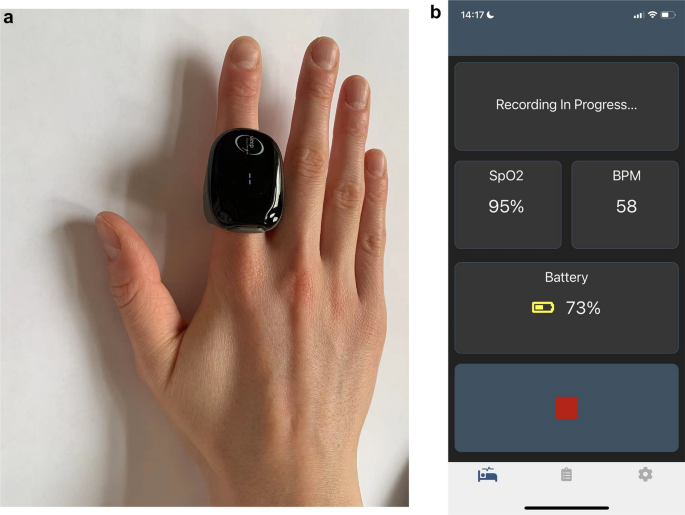
If you notice you have sleep apnea then the first step is booking a home sleep test using either the Sleep Image Ring or the Wesper. You will wear this device for 1 or 2 nights and typically involves monitoring breathing patterns, blood oxygen levels, and heart rate. Then you will meet with our board certified sleep doctor to review the results.
Get in touch with us today by calling 478-238-3552.
Follow us on Facebook and Instagram.
Understanding Sleep Tracking: PSG & Actigraphy
Historically, polysomnography (PSG) has been the gold standard for assessing sleep. PSG is an overnight sleep study that measures brain activity, eye movements, muscle activity, heart rate, breathing patterns, oxygen levels, and body movements to diagnose conditions like sleep apnea and restless legs syndrome. Actigraphy, which uses wrist-worn devices to monitor physical activity, emerged as a more convenient alternative, estimating sleep and wake patterns over weeks. While actigraphy is more accurate than sleep logs, it overestimates sleep and lacks the precision of PSG in differentiating sleep stages.
Sleep Ring for Monitoring Sleep Pattern
How Apple Watch Detects Sleep Apnea
The Apple Watch detects sleep apnea using a combination of accelerometer data and advanced machine learning algorithms. The accelerometer tracks the user’s breathing patterns during sleep, detecting breathing disturbances such as pauses in breathing or shallow breathing. The machine learning algorithms then analyze this data to identify patterns consistent with sleep apnea. The feature is designed to detect moderate to severe sleep apnea, which is defined as an Apnea-Hypopnea Index (AHI) of 15 or higher. The AHI is a measure of the number of apnea or hypopnea events per hour of sleep.
The Rise of Sleep Trackers for Sleep Apnea
Recent advancements in technology have led to the development of multisensor consumer sleep-tracking devices with innovative health features. These wearable devices utilize a combination of sensors to monitor heart rate, movement, breathing patterns, and sometimes even oxygen saturation level during sleep. By collecting and analyzing this data, these devices aim to provide users with a detailed breakdown of their sleep stages (like deep sleep, light sleep, REM sleep) and highlight any disturbances or irregularities.
Sleep trackers show significant promise but are not entirely accurate. Several factors can influence the accuracy and reliability of the feedback they provide:
- Sensor Technology: The quality and sophistication of sensors vary across different devices. Higher-end devices with advanced, clinical-grade sensors generally offer more precise data compared to basic models.
- Placement and Fit: Proper placement of the device on the body is crucial for accurate readings. Devices that fit loosely or shift during sleep may yield less reliable data.
- Interpretation of Data: Algorithms used to interpret sleep data can vary between devices and manufacturers. Some devices may be better at distinguishing between different sleep stages than others.
- Environmental Factors: Noise, light levels, and sleeping position can all impact the accuracy of sleep-tracking data.
Real-World Effectiveness
Studies examining the effectiveness of sleep-tracking wearables have produced mixed results. For example, a study published in the Journal of Clinical Sleep Medicine found that some consumer sleep trackers showed high accuracy in measuring total sleep time but were less reliable in detecting sleep stages compared to clinical polysomnography (a sleep study conducted in a lab setting) (1). However, advancements in sensor technology and algorithms continue to improve the capabilities of these devices, relying on clinical-grade sleep data for validation.
A recent study tested the performance of various consumer sleep-tracking devices against PSG and actigraphy. Participants included 34 healthy young adults. They wore both the Actiwatch and a subset of consumer devices, including the Fitbit Alta HR, Garmin Fenix 5S, Garmin Vivosmart 3, EarlySense Live, ResMed S+, and SleepScore Max. The detection algorithms were developed using an extensive dataset of clinical-grade sleep apnea tests, validated in a large-scale clinical study. The study found that many consumer devices matched or exceeded actigraphy’s accuracy in detecting sleep and wake periods.
Limitations and Future Development
While the Apple Watch sleep apnea detection feature is a significant advancement in sleep apnea technology, it has some limitations. The feature is not intended to diagnose sleep apnea, but rather to provide users with information that may indicate the presence of sleep apnea. Additionally, the feature may not detect sleep apnea in all cases, particularly in individuals with mild sleep apnea. Future development of the feature may include improvements to its accuracy and sensitivity, as well as the addition of new features such as sleep stage tracking and sleep quality monitoring.
The Importance of Sleep Apnea Screening
Sleep apnea screening is essential for identifying individuals with sleep apnea and providing them with timely treatment. Untreated sleep apnea can lead to serious health consequences, including heart disease, stroke, and diabetes. The Apple Watch sleep apnea detection feature is a valuable tool for sleep apnea screening, providing users with accurate and reliable results. By detecting sleep apnea early, individuals can take proactive steps to manage the condition and reduce their risk of developing chronic diseases.
Key Findings
Sleep trackers show significant promise but are not entirely accurate. Undiagnosed sleep apnea is a significant public health issue, affecting millions of people and leading to serious health consequences. Several factors can influence the accuracy and reliability of the feedback they provide:
- Sleep/Wake Detection: Most consumer devices had high sensitivity but varied in specificity. The Fitbit Alta HR showed the highest specificity.
- Sleep Stage Tracking: Accuracy varied significantly, with most devices overestimating light sleep and underestimating REM sleep.
- Performance in Disrupted Sleep: Consumer devices performed less accurately on nights with poor sleep but still outperformed actigraphy.
It’s important to remember that sleep is a complex physiological process influenced by a myriad of factors, not all of which can be captured by wearable devices alone. Lifestyle choices, stress levels, and underlying health conditions all play a role in sleep quality. The new sleep apnea detection feature will be launched in more than 150 countries and regions, making it widely accessible to users globally.
Conclusion
The accuracy of sleep trackers depends on factors like sensor quality, proper placement, data interpretation algorithms, and environmental conditions such as noise and light. Higher-end devices with advanced sensors typically provide more precise data. While most consumer devices are highly sensitive in detecting sleep, their specificity for sleep stages varies, often overestimating light sleep and underestimating REM sleep. These devices offer valuable insights into sleep duration and general quality but are not flawless.
In conclusion, wearable sleep trackers are a convenient tool for understanding sleep patterns and identifying areas for improvement. However, they should be viewed as aids rather than definitive diagnostic devices. For serious sleep concerns, consulting a sleep specialist is the next best step in order to have a thorough assessment, testing, and diagnosis of any potential sleep disorders including sleep apnea. Sumbul Desai, Apple’s vice president of health, discusses the advancements and the expected impact of these features on integrating health data into clinical practice.
Reference:
- Toon E., Davey M.J., Hollis S.L., et al. Comparison of Commercially Available Sleep Tracking Devices with Polysomnography. Journal of Clinical Sleep Medicine. 2016;12(05):825-832. doi:10.5664/jcsm.5866.
- American Academy of Sleep Medicine. (2018, June 26). One in three Americans have used electronic sleep trackers, leading to changed behavior for many. Retrieved from https://aasm.org/one-in-three-americans-have-used-electronic-sleep-trackers-leading-to-changed-behavior-for-many/


3 responses to “Does Apple Watch Detect Sleep Apnea?”
[…] The Apple Watch is changing how we monitor health, particularly with sleep apnea detection. It marks a huge step forward in self-care and health awareness. These devices use advanced sensors and algorithms. They give real-time info. This can encourage better sleep habits. It can also prompt early action for sleep apnea1617. […]
[…] Many users find relief from sleep apnea symptoms with the right device. […]
[…] Modern technology can help you understand and improve your sleep. […]