
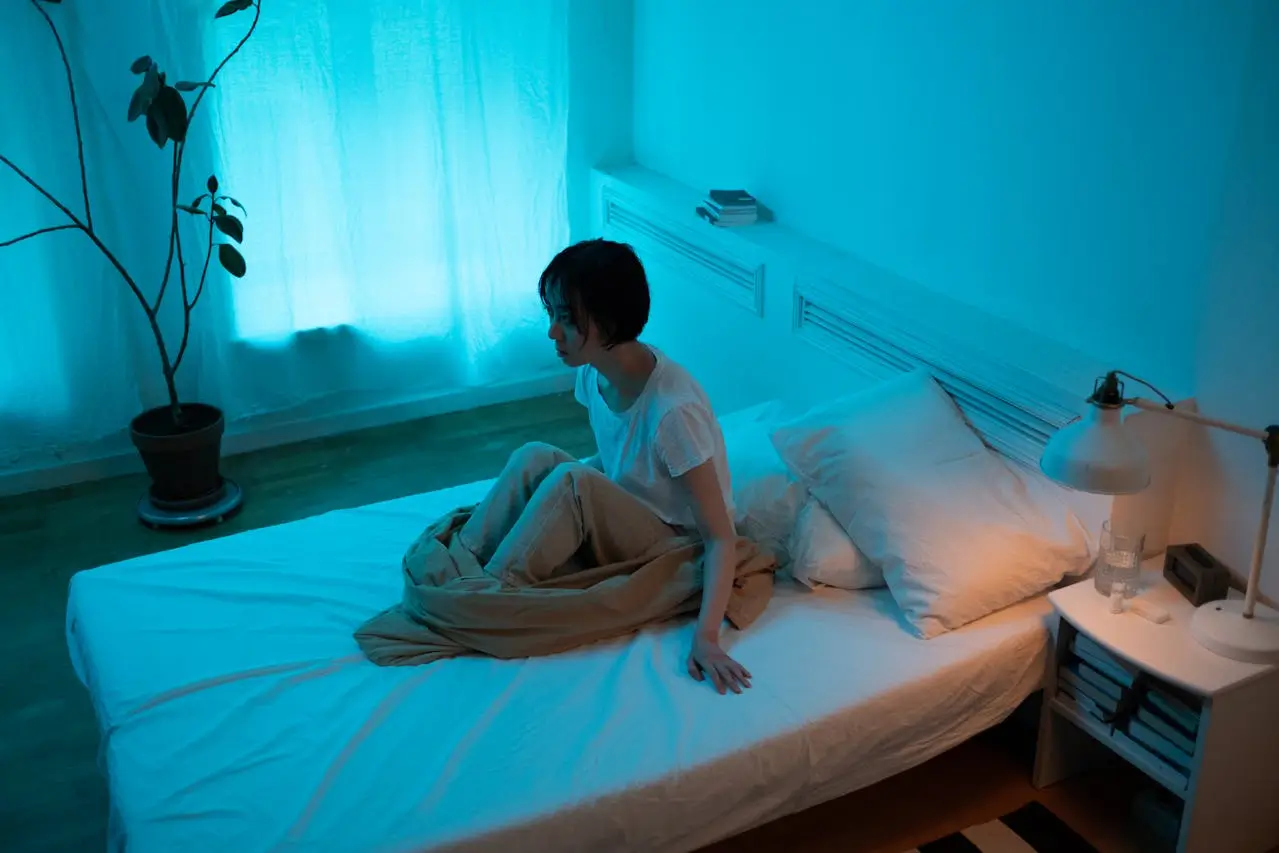
Choking While Sleeping: Doctor Explained
We accept Medicare, Tricare and most major insurances.

Your brain senses the drop in oxygen and triggers a partial awakening to restore breathing. This often produces loud snorting, gasping, or choking sound that may startle you awake. The cycle can repeat dozens or even hundreds of times throughout the night, preventing you from reaching the deep, restorative sleep your body needs.
Approximately 30 million Americans have sleep apnea, but an estimated 80 percent of cases remain undiagnosed. Many people dismiss their symptoms as simple snoring or assume everyone occasionally wakes up feeling unrested. The reality is that untreated sleep apnea significantly increases your risk of heart disease, stroke, diabetes, and even premature death.

Acid Reflux and GERD
Gastroesophageal reflux disease, or GERD, is another frequent cause of nighttime choking. When stomach acid flows backward into the esophagus and throat while you lie flat, it can irritate sensitive tissues and trigger a choking or coughing response. You might wake up with a burning sensation in your chest or throat, or the feeling that something is stuck in your throat.
Acid reflux often worsens at night because lying down removes the gravitational advantage that helps keep stomach contents where they belong. Eating large meals close to bedtime, consuming alcohol, or being overweight can all increase the likelihood of nighttime reflux episodes.
Post-Nasal Drip and Mucus Accumulation
When excess mucus from your sinuses drips down the back of your throat, it can accumulate during sleep and trigger choking, gagging, or coughing. This is especially common when you have a cold, sinus infection, or seasonal allergies. The problem tends to worsen when lying flat because mucus cannot drain as easily.
Post-nasal drip may also cause you to wake with a sore throat, hoarse voice, or the need to clear your throat repeatedly. While usually not dangerous, chronic post-nasal drip can significantly disrupt sleep quality and leave you feeling exhausted during the day.
Laryngospasm
Laryngospasm occurs when the vocal cords suddenly close, temporarily blocking airflow. This can produce an intense choking sensation and make breathing extremely difficult for several seconds. Episodes typically resolve on their own as the vocal cords relax, but the experience can be genuinely frightening.
Laryngospasm can be triggered by acid reflux, inhaling irritants, or even stress and anxiety. People who experience frequent laryngospasm episodes should be evaluated by a healthcare provider to identify and address underlying causes.
Other Potential Causes
Several other conditions can cause you to wake up choking or gasping for air. Heart failure can cause fluid to accumulate in the lungs when lying down, producing sudden breathlessness. Nocturnal panic attacks can trigger feelings of choking or suffocation along with rapid heartbeat and intense fear. Asthma symptoms often worsen at night and may cause wheezing, coughing, or difficulty breathing.
Central sleep apnea, a less common form of sleep apnea, occurs when the brain fails to send proper signals to the muscles controlling breathing. Unlike obstructive sleep apnea, this type is not caused by physical airway blockage but rather a communication problem between the brain and respiratory system.
Warning Signs That Indicate a Serious Problem
While a single episode of waking up choking might result from something as simple as mucus or acid reflux, certain patterns and accompanying symptoms suggest a more serious underlying condition. Pay attention to these warning signs.
Frequent episodes are a major red flag. If you wake up choking, gasping, or unable to breathe multiple times per week or even multiple times per night, you are likely to have a condition requiring evaluation and treatment.
Loud snoring, especially when punctuated by silent pauses followed by gasping or snorting, strongly suggests obstructive sleep apnea. Your bed partner may notice these patterns before you do, as people with sleep apnea often remain unaware of their nighttime breathing disturbances.
Excessive daytime sleepiness despite adequate time in bed indicates your sleep quality is severely compromised. If you feel exhausted, struggle to stay awake during the day, have difficulty concentrating, or feel irritable without obvious explanation, disrupted nighttime breathing may be the cause.
Morning headaches occur frequently in people with sleep apnea due to fluctuating oxygen and carbon dioxide levels during the night. Waking with a dry mouth or sore throat also suggests you may be breathing through your mouth due to airway obstruction.
Witnessed breathing pauses during sleep are perhaps the clearest indicator of sleep apnea. If someone has observed you stop breathing, even briefly, while asleep, you should seek evaluation promptly.
Do These Symptoms Sound Familiar?
If you regularly wake up choking, gasping, or struggling to breathe, a home sleep test can determine if sleep apnea is the cause. At SLIIIP, we make diagnosis simple and convenient. Our FDA-approved home sleep apnea test is shipped directly to your door, allowing you to complete the study in the comfort of your own bed.
Within 48 hours of returning the device, you will meet with a board-certified sleep doctor via telemedicine to review your results and discuss treatment options.
Learn more about our home sleep apnea test. There is no need for health insurance and it’s a one time payment of $250.

Why Ignoring Nighttime Choking Can Be Dangerous
Many people minimize their symptoms, assuming occasional choking episodes are normal or not serious enough to warrant medical attention. This is a mistake. Untreated sleep-disordered breathing, particularly sleep apnea, carries significant health risks that extend far beyond poor sleep quality.
Cardiovascular complications are among the most serious concerns. The repeated drops in blood oxygen that occur with sleep apnea stress the cardiovascular system and increase the risk of high blood pressure, heart attack, heart failure, irregular heartbeat, and stroke. People with severe untreated sleep apnea are significantly more likely to die from cardiovascular causes.
Metabolic effects include increased risk of type 2 diabetes and difficulty losing weight. Sleep apnea disrupts hormones that regulate appetite and metabolism, creating a vicious cycle where the condition promotes weight gain while excess weight worsens the condition.
Accident risk increases dramatically when sleep deprivation affects alertness and reaction time. People with untreated sleep apnea are several times more likely to be involved in motor vehicle accidents, making this a public safety concern as well as a personal health issue.
How Choking While Sleeping Is Diagnosed
If you regularly wake up choking, gasping, or struggling to breathe, the first step is consulting a healthcare provider who can evaluate your symptoms and determine whether further testing is needed. For suspected sleep apnea, a sleep study is the diagnostic gold standard.
These portable devices monitor breathing patterns, blood oxygen levels, and heart rate while you sleep normally in your own bed. The data is then analyzed by a sleep specialist who can determine whether you have sleep apnea and assess its severity.

The Apnea-Hypopnea Index, or AHI, measures how many breathing interruptions occur per hour of sleep. An AHI of 5 to 15 indicates mild sleep apnea. An AHI of 15 to 30 represents moderate sleep apnea. An AHI above 30 signifies severe sleep apnea requiring prompt treatment.
Effective Treatment Options for Nighttime Choking
The good news is that most causes of choking while sleeping respond well to treatment. The appropriate approach depends on the underlying cause and severity of your condition.
CPAP Therapy for Sleep Apnea
Continuous positive airway pressure, or CPAP, is the most effective treatment for obstructive sleep apnea. A CPAP machine delivers a steady stream of pressurized air through a mask worn during sleep. This air pressure acts as a splint to keep your airway open, preventing the collapse that causes breathing interruptions and choking episodes.
Modern CPAP devices are quieter and more comfortable than ever before. Auto-adjusting machines called Auto-PAP can automatically modify pressure levels throughout the night based on your breathing patterns. Many people notice dramatic improvement in their sleep quality and daytime energy within just a few nights of starting therapy.
Oral Appliance Therapy
For people with mild to moderate sleep apnea or those who cannot tolerate CPAP, oral appliances (offer an effective alternative. These custom-fitted dental devices work by repositioning the lower jaw or tongue to help keep the airway open during sleep. They are small, portable, and silent, making them appealing for travel and for people who find CPAP masks uncomfortable.

Oral appliances achieve success rates of approximately 70 percent for appropriate candidates, with patient compliance exceeding 90 percent. A sleep specialist can help determine whether you are a good candidate for this treatment option.
Positional Therapy and Lifestyle Changes
Some people experience sleep apnea primarily when sleeping on their back, a condition called positional sleep apnea. Training yourself to sleep on your side (can significantly reduce breathing interruptions for these individuals. Special pillows, positional therapy devices, and even simple techniques like sewing a tennis ball into the back of a sleep shirt can help maintain side sleeping.
Weight loss often produces substantial improvement in sleep apnea symptoms. Even a 10 percent reduction in body weight can meaningfully decrease the number of breathing episodes. Avoiding alcohol before bedtime, quitting smoking, and establishing consistent sleep schedules also support better breathing during sleep.
Treating Other Causes of Nighttime Choking
If acid reflux causes your nighttime choking, several strategies can help. Elevating the head of your bed by 6 to 8 inches uses gravity to keep stomach acid where it belongs. Avoiding meals within 2 to 3 hours of bedtime gives your stomach time to empty. Limiting acidic, spicy, and fatty foods reduces acid production. Medications including antacids and proton pump inhibitors can also provide relief.
For post-nasal drip, treating underlying allergies or sinus conditions often resolves the problem. Antihistamines, nasal sprays, and humidifiers can thin mucus and improve drainage. Sleeping with your head elevated also helps mucus drain rather than accumulate in your throat.
When to Seek Professional Help
Do not wait to seek evaluation if you experience frequent choking episodes during sleep. Early diagnosis and treatment can prevent serious health complications and dramatically improve your quality of life.
Consult a sleep specialist if you wake up choking or gasping multiple times per week, snore loudly with pauses in breathing, feel excessively tired despite adequate sleep time, wake with morning headaches or dry mouth, or have been told you stop breathing during sleep.
Sleep Telemedicine has made accessing specialized sleep care more convenient than ever. Board-certified sleep medicine physicians can evaluate your symptoms through video consultation, order home sleep tests delivered directly to your door, and develop personalized treatment plans without requiring time-consuming office visits or overnight stays in sleep labs.
If you experience sudden severe breathing difficulty, chest pain, or feel you are having a medical emergency, seek immediate emergency care.
Ready to Find Out What Is Causing Your Nighttime Choking?
At SLIIIP, we specialize in diagnosing and treating sleep apnea and other sleep disorders through convenient telemedicine. Here is how our process works:
1. Book a virtual consultation with one of our board-certified sleep doctors. No referral needed.
2. Receive your FDA-approved home sleep test shipped directly to your door within days.
3. Complete the test in your own bed and mail it back with the prepaid label.
4. Review your results with your sleep doctor within 48 hours and start your personalized treatment plan.
Insurance Coverage: Home sleep tests and treatment are covered by Medicare, Tricare, and most major health insurance plans. We handle the insurance paperwork for you.
Get started today!
