👉 Register for Free. Can Your Dentist Spot Sleep Apnea? – Webinar by Dr. Michael DeLuke & Dr. Avinesh Bhar. – Friday April 10 at 11AM EST

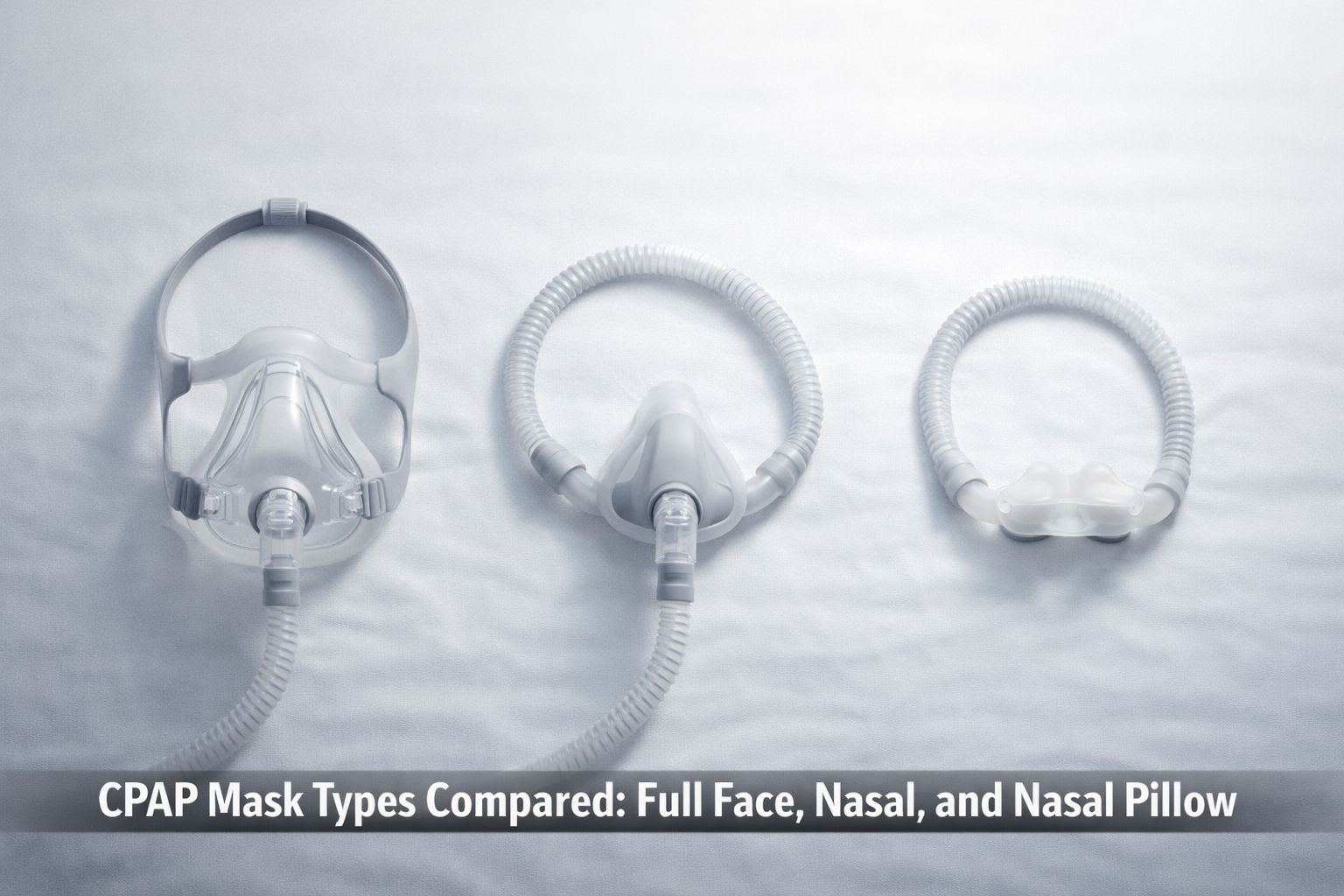
CPAP Mask Types Compared: Full Face, Nasal, and Nasal Pillow
Choosing the right CPAP mask type is one of the most important decisions a new CPAP user makes, and it is a decision that many people get wrong the first time. The machine supplies the therapy. The mask delivers it. If the mask does not fit your face, your sleep position, or your breathing style, even a perfectly calibrated CPAP machine will struggle to do its job. Leaks reduce the pressure reaching your airway. Discomfort leads to removing the mask in the middle of the night. Poor fit erodes the consistency that makes CPAP therapy beneficial over time.
The clinical team at SLIIIP, including sleep medicine physician Dr. Avinesh Bhar, helps CPAP patients select appropriate mask types as part of the initial therapy setup process, because mask fit is considered a core component of therapy success, not an afterthought.
The good news is that the CPAP mask market in 2026 is more varied and more refined than it has ever been. The three main categories, full face masks, nasal masks, and nasal pillow masks, each suit different users, and understanding the differences makes it much easier to arrive at the right choice.
SLIIIP’s board-certified sleep physicians can do sleep evaluations for sleep apnea. Virtual consultations in all 50 states. Home sleep tests shipped to your door.
Why CPAP Mask Type Matters More Than Brand
When most people start researching CPAP masks, they focus on brand comparisons or product reviews. While specific models matter, the category of mask you choose has a more fundamental impact on how well therapy works for you. A nasal pillow mask and a full face mask of equal quality will perform very differently for the same user depending on that person’s breathing habits, sleeping position, and facial structure.

The three category distinctions, where the mask sits on your face, how much surface area it covers, and where it creates its seal, determine whether you are breathing comfortably throughout the night or fighting your equipment. Getting the category right first, then finding the best model within that category, is the more logical approach.
Full Face CPAP Masks
How They Work
A full face CPAP mask covers both the nose and the mouth within a single sealed cushion. The cushion creates an airtight contact across the cheeks, below the nose, and along the chin, enclosing the entire lower half of the face. Pressurized air from the CPAP machine flows into the sealed space and can enter the airway through either the nasal or oral route.
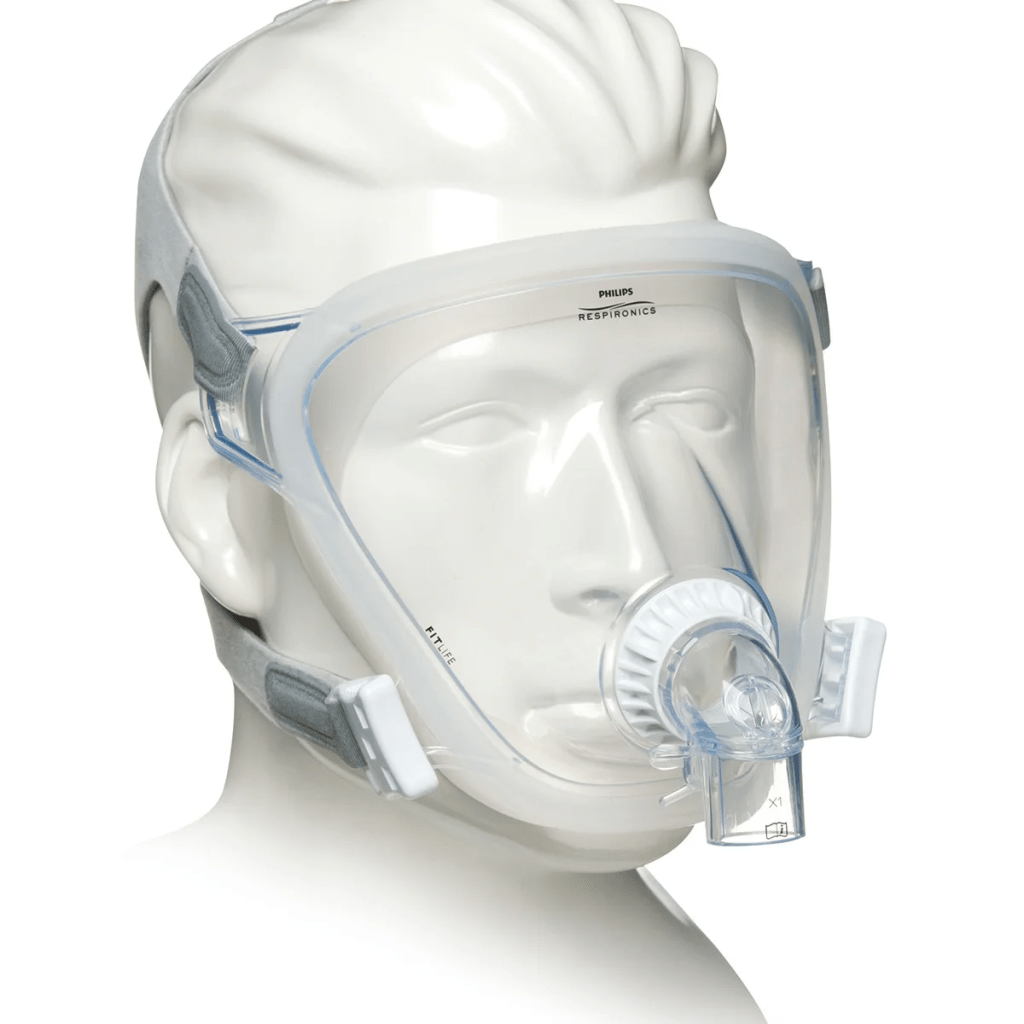
Because the seal encompasses both breathing pathways, full face masks are the only mask type that delivers effective therapy regardless of whether you breathe through your nose, your mouth, or both during sleep.

Who Full Face Masks Suit Best
Mouth breathers. This is the single most important indication for a full face mask. If you regularly breathe through your mouth during sleep, using a nasal-only mask allows pressurized air to escape through the open mouth, dramatically reducing effective therapy pressure. A full face mask eliminates this problem entirely.
People with nasal congestion or anatomical restrictions. Chronic nasal congestion from allergies, a deviated septum, or seasonal illness can make nasal-only breathing difficult. A full face mask allows the user to switch naturally between nasal and oral breathing without affecting therapy.
Higher-pressure CPAP prescriptions. At higher prescribed pressures, maintaining a comfortable and stable nasal-only seal can be more challenging. Full face masks, with their larger cushion surface area, can sometimes offer a more stable seal at elevated pressures.
Considerations for Full Face Masks
Full face masks cover more surface area than any other category, which creates some trade-offs. The larger frame is more likely to shift when pressed against a pillow, making them less well suited to side and stomach sleepers. Achieving a reliable seal requires that the headgear be appropriately tensioned: too loose and air escapes around the edges, too tight and you wake with pressure marks across your face and nose bridge.
Full face masks also tend to feel more enclosed, which some users find uncomfortable or claustrophobic, particularly when starting CPAP therapy for the first time. If you find the full face experience overwhelming initially, it may be worth working with a CPAP specialist to identify whether a nasal mask plus chin strap combination might serve you as effectively.
Skin marks from CPAP masks are a common complaint regardless of mask type, but they appear most frequently with full face designs due to the frame contact area. If you are experiencing persistent marking, the guide to reducing CPAP mask marks covers practical solutions for achieving a comfortable seal without skin irritation.
Watch: Sleep Apnea Masks
Nasal CPAP Masks
How They Work
A nasal CPAP mask covers the nose only, creating a seal that runs across the cheeks on either side of the nose, along the upper lip below the nostrils, and across the bridge of the nose at the top. The mouth is left uncovered. Pressurized air enters through the nasal passages, which is the body’s preferred and most natural breathing route during sleep.
The cushion in a nasal mask is typically a soft silicone structure shaped to the contours of the nose. Some nasal mask designs use a gel cushion instead of silicone, which can conform more closely to irregular facial topography. Frame designs vary significantly between manufacturers, with some using a triangular full-frame and others using a minimal under-nose design that reduces contact with the upper lip.
Who Nasal Masks Suit Best
Nasal breathers who sleep on their back or side. For people who breathe primarily through their nose during sleep and do not experience significant nasal congestion, a nasal mask offers a comfortable and often highly effective therapy interface. The seal area is smaller than a full face mask, which typically means less pressure required to maintain a good fit and fewer skin contact points.

Active sleepers who move between positions. Nasal masks, particularly those with under-nose or low-profile designs, are generally more stable through position changes than full face masks. The headgear tends to accommodate movement better when the frame does not extend across the lower face.
People who feel confined by full face masks. If you find full face masks overwhelming but still need nasal coverage rather than just nostril inserts, a nasal mask offers a middle ground. The open lower face reduces the sense of enclosure while still maintaining effective nasal delivery.
Considerations for Nasal Masks
Nasal masks work exclusively through nasal breathing. If you are a habitual mouth breather or if nasal congestion frequently forces you to breathe through your mouth at night, a nasal mask will not deliver consistent therapy. In these cases, pairing a nasal mask with a chin strap, which gently supports the jaw in a closed position during sleep, can help. Many users find this combination effective and prefer it to a full face mask.
The seal area of a nasal mask includes the skin of the upper lip and the cheeks beside the nose. Facial hair in these areas can interfere with the seal. If you have a moustache or beard, this should factor into your mask selection decision.
Nasal Pillow CPAP Masks
How They Work
Nasal pillow masks take a completely different approach to mask design. Rather than creating a seal across the surface of the face, they use two small cushioned inserts that fit directly at the entrance of each nostril.

The cushion inflates gently under pressure to create a seal at the nostril opening. A minimal frame connects the two pillows and attaches to lightweight headgear, leaving most of the face entirely uncovered.
Pressurized air flows directly into the nostrils through the small openings in each pillow insert, bypassing the nasal mask’s larger enclosed space. This direct delivery can feel more natural to some users, particularly at lower pressure settings.
SLIIIP’s board-certified sleep physicians can do sleep evaluations for sleep apnea. Virtual consultations in all 50 states. Home sleep tests shipped to your door.
At SLIIIP we accept the following insurances listed below and also Tricare and Medicare

Who Nasal Pillow Masks Suit Best
Side and stomach sleepers. Because nasal pillow masks have almost no profile that extends beyond the nostrils, they are the least likely mask type to be displaced by contact with a pillow. They are the most popular choice among side sleepers for this reason, and they are the only mask type that is genuinely functional for habitual stomach sleepers.
People who feel claustrophobic with larger masks. The minimal coverage of a nasal pillow mask is often the first recommendation for users who feel anxious or confined by full face or even nasal designs. With the forehead, cheeks, upper lip, and chin all left completely uncovered, the sensation is much closer to wearing nothing at all.
People with facial hair. Because the seal is located at the nostril opening rather than against the skin of the cheeks or upper lip, nasal pillow masks tend to be far more compatible with beards and moustaches than other mask types. Unless facial hair is very dense directly around the nostrils, a nasal pillow mask can typically achieve a reliable seal.
Users who wear glasses or read before sleep. Since nasal pillow masks leave the face largely open, they are compatible with glasses and with activities like reading, watching television, or using a phone in bed before sleeping.
Considerations for Nasal Pillow Masks
Nasal pillow masks share the same limitation as nasal masks: they only deliver therapy through nasal breathing. Mouth breathers will experience the same air escape problem that affects all nasal-only designs. Additionally, some users find that nasal pillow inserts cause discomfort or irritation inside the nostrils, particularly at higher prescribed pressures where the direct airflow into the nasal passages can feel forceful. If your CPAP prescription is at a higher pressure and you experience nasal irritation with pillow masks, a nasal mask may distribute the airflow more comfortably across the nasal cavity.
Not yet diagnosed but wondering about your sleep?
A home sleep test can identify sleep-disordered breathing from the comfort of your own bed. No lab visit, no overnight stay, reviewed by a board-certified physician.
How to Choose the Right CPAP Mask Type
The following framework helps narrow down which mask category is likely to work best for your individual situation. Think of it as a starting point, not a final answer. Many CPAP users try more than one mask type before finding their optimal fit.
Step one: Identify your breathing pattern. Do you breathe through your nose, your mouth, or both during sleep? If you are unsure, ask a bed partner to observe or consider whether you frequently wake with a dry mouth, which is a strong signal of nighttime mouth breathing. Mouth breathers: full face mask. Nasal breathers: nasal or nasal pillow mask.
Step two: Consider your sleeping position. Do you sleep primarily on your back, your side, or your stomach? Back sleepers can typically use any mask type comfortably. Side sleepers generally benefit from lower-profile masks. Stomach sleepers should focus exclusively on nasal pillow designs or very low-profile nasal masks.
Step three: Consider your comfort priorities. Are you prone to feeling confined or anxious? Nasal pillow masks offer the most minimal coverage. Do you have facial hair? Nasal pillow masks accommodate beards most reliably. Do you experience nasal congestion frequently? A full face mask provides more flexibility.
Step four: Consider your pressure prescription. Higher pressures can sometimes be more difficult to manage with nasal pillow masks due to direct airflow intensity. If your pressure setting is above 12 cm H2O, discussing mask selection with your provider is worth doing before committing to a specific type.
For a curated list of the top-rated masks within each category, the best CPAP mask recommendations cover specific models with detailed fit and comfort notes.
Common CPAP Mask Problems and How to Address Them
Even with the right mask type, problems arise during CPAP therapy. Most of them are solvable. Here are the most frequent complaints and their most common resolutions.
Air leaks. Caused by a worn cushion, incorrect headgear tension, or a mask size or style that does not match your facial anatomy. Replace the cushion, re-fit the headgear, and confirm you are using the right cushion size. If leaks persist, the mask category may not suit your face shape.
Pressure marks on the face. Almost always a result of headgear that is too tight. Loosen the straps until the mask is snug but not compressive. A small amount of intentional leakage is preferable to skin damage from excessive pressure.
Dry mouth. In nasal-only mask users, typically caused by mouth breathing. Add a chin strap or switch to a full face mask. In full face mask users, dry mouth usually signals that humidifier settings need adjustment. Increasing humidifier heat and moisture output generally helps.
Nasal irritation. Common with nasal pillow masks, particularly at higher pressures. Switching to a nasal mask distributes airflow over a larger surface area and may reduce irritation. Saline nasal spray before bed can also help.
Claustrophobia or anxiety. Try a nasal pillow mask first, as these offer the lowest coverage and the most open field of view. Practicing wearing the mask while awake during the day, without the machine running, can also help desensitize the sensation over time. The article on why some people struggle with CPAP covers additional comfort and adjustment challenges in detail.
CPAP Mask Maintenance: What You Need to Know
Regardless of which mask type you use, a basic maintenance routine protects the integrity of the seal and extends the life of your equipment.
Mask cushions should be rinsed with warm water daily and washed with mild, fragrance-free soap weekly. Headgear should be hand-washed approximately once a week. Avoid machine washing headgear, which degrades the elastic over time. Silicone cushions should be replaced every one to three months, depending on wear. A visibly cracked, yellowed, or stiff cushion that no longer seals properly should be replaced immediately.
Most insurance plans cover CPAP mask components, including cushions and pillows, on a scheduled resupply basis. Replacing your cushions on schedule is not just a hygiene measure. It directly maintains the seal quality that determines how well your therapy is working each night. For information on how your insurance plan covers CPAP supplies, the CPAP insurance coverage guide provides a detailed breakdown of what is typically covered and how to access those benefits.
The relationship between mask comfort and consistent therapy use is not trivial. Research on CPAP adherence consistently identifies mask discomfort as one of the leading reasons people stop using their device. Investing in the right mask type and maintaining it properly is one of the most impactful things you can do to support consistent nightly therapy.
Is your CPAP and mask supply covered by your insurance?
Many insurance plans cover CPAP equipment and regular supply resupply, including masks, cushions, and tubing. Find out what your plan includes.
Frequently Asked Questions About CPAP Mask Types
What are the three main types of CPAP masks?
The three main CPAP mask types are full face masks, which cover both the nose and mouth; nasal masks, which cover the nose only; and nasal pillow masks, which seal directly at the nostrils with small cushioned inserts. Each type suits different breathing styles, facial structures, and sleeping positions.
Which CPAP mask is best for mouth breathers?
Full face masks are generally recommended for mouth breathers, as they cover both the nose and mouth and deliver therapy pressure regardless of which route you breathe through. Nasal masks can work for mouth breathers if used with a chin strap to encourage nasal breathing.
What is the best CPAP mask for side sleepers?
Nasal pillow masks are often preferred by side sleepers because of their minimal profile. With little to no frame extending beyond the nose, they are less likely to be displaced by a pillow during the night. Some low-profile nasal masks also work well for side sleepers.
Can I use any CPAP mask with any CPAP machine?
Most CPAP masks use a standard 22mm connection compatible with the majority of CPAP machines. However, some machines, such as the ResMed AirMini, require proprietary mask versions. Always verify compatibility between your machine and mask before purchasing.
How do I know what size CPAP mask I need?
Most CPAP mask manufacturers include sizing guides based on facial measurements. Many suppliers also offer fit packs with multiple cushion sizes. If you are getting your first CPAP through a provider like SLIIIP, a clinician can help guide your initial mask selection.
How often should I replace my CPAP mask?
Most insurance plans cover CPAP mask replacement on a scheduled basis, typically every 3 to 6 months for cushions and pillows, and every 6 to 12 months for the full mask frame. Replacing cushions regularly helps maintain an adequate seal and reduces the risk of skin irritation.
Are nasal pillow masks comfortable for people with facial hair?
Nasal pillow masks often perform better than full face or nasal masks for people with beards, because the seal is located at the nostril opening rather than against the skin of the cheek or upper lip. A very dense beard directly around the nostrils may still interfere with the seal.
What CPAP mask is best for people with claustrophobia?
Nasal pillow masks typically cover the least surface area and are generally considered the best starting point for users who feel claustrophobic. Some open-frame nasal mask designs are also a good option.
Can I use a nasal mask if I breathe through my mouth at night?
Using a nasal-only mask while mouth breathing allows pressurized air to escape, reducing therapy effectiveness. A chin strap worn with a nasal mask can encourage mouth closure. If mouth breathing is habitual, a full face mask may be a more reliable choice.
Why does my CPAP mask leave marks on my face?
Mask marks are typically caused by headgear that is too tight or a mask that does not fit your face contours well. Loosening the headgear slightly while still maintaining a seal, switching cushion size, or trying a different mask shape can help reduce marking.
How do I stop my CPAP mask from leaking air?
Mask leaks are most commonly caused by a worn cushion, incorrect headgear adjustment, or a mask that does not match your facial anatomy. Replacing the cushion, re-fitting the headgear, and verifying you are using the correct cushion size are the first steps. If leaks persist, a different mask style may provide a better seal.
Is a full face CPAP mask better than a nasal mask?
Neither type is universally better. Full face masks are better for mouth breathers and higher-pressure prescriptions. Nasal masks may offer better comfort and seal stability for nasal breathers and are generally easier for side sleeping.
What is the difference between a nasal mask and a nasal pillow mask?
A nasal mask covers the entire nose with a cushioned seal around its perimeter. A nasal pillow mask uses two small cushioned inserts that fit at the entrance of the nostrils, with a minimal frame that leaves most of the face uncovered.
Can I use a full face CPAP mask if I am a stomach sleeper?
Full face masks are difficult to use as a stomach sleeper due to their larger frame. Nasal pillow masks or very low-profile nasal masks are more manageable for people who sleep face-down.
Why does my CPAP mask cause dry mouth?
Dry mouth during CPAP therapy is most commonly caused by mouth breathing, which allows air to escape through the open mouth. If using a nasal or nasal pillow mask, a full face mask or chin strap may help. Dry mouth with a full face mask usually means humidification settings need adjustment.
How do I clean my CPAP mask?
Mask cushions and frames should be washed daily with mild soap and warm water, rinsed thoroughly, and allowed to air dry away from direct sunlight. Avoid harsh cleaning agents, bleach, or alcohol-based products, which can degrade silicone cushions.
What is the most comfortable CPAP mask type?
Comfort is highly individual. Many users find nasal pillow masks the most comfortable due to their minimal contact area, while others prefer the full coverage of a full face mask. Your sleeping position and breathing habits are the most reliable guides to which type will feel best for you.
Can I switch CPAP mask types without changing my prescription?
In most cases, yes. Your CPAP prescription specifies pressure settings, not mask type. You can generally switch between mask styles as long as the replacement mask is compatible with your machine. Notifying your provider about a change is a good practice.
Are there CPAP masks designed specifically for women?
Several manufacturers offer models designed for smaller or more narrowly proportioned faces, which can be a better fit for many women. ResMed and Philips Respironics both offer dedicated small and extra-small sizing as well as models marketed for smaller facial profiles.
Does CPAP mask type affect therapy effectiveness?
Yes, indirectly. A mask that fits poorly creates air leaks, which reduce the effective pressure delivered to your airway and can raise your residual AHI. Choosing the right mask type for your anatomy and sleep style supports a better seal and more effective nightly therapy.
Thank you for reading this article.
Latest posts
-
Dental Device for Sleep Apnea: Cost and Coverage
When people first learn that a small custom-fitted dental device may be an alternative to a CPAP machine for managing sleep-disordered breathing, the first question is almost always the same:…
-
CPAP Mask Types Compared: Full Face, Nasal, and Nasal Pillow
Choosing the right CPAP mask type is one of the most important decisions a new CPAP user makes, and it is a decision that many people get wrong the first…
·
-
AHI Score and CPAP Data Explained: What Every Number Means
You open your CPAP app the morning after a night of therapy and see a collection of numbers: an AHI score, a leak rate, an events count, a usage hours…
·
Get updates
Spam-free subscription, we guarantee. This is just a friendly ping when new content is out.

