👉 Register for Free. Peri/Menopause at Midnight: Why You Wake Up Hot, Wired, and Wide Awake at 3AM. – Friday, March 27th, 3:00 AM ET with Dr. Audrey Wells.

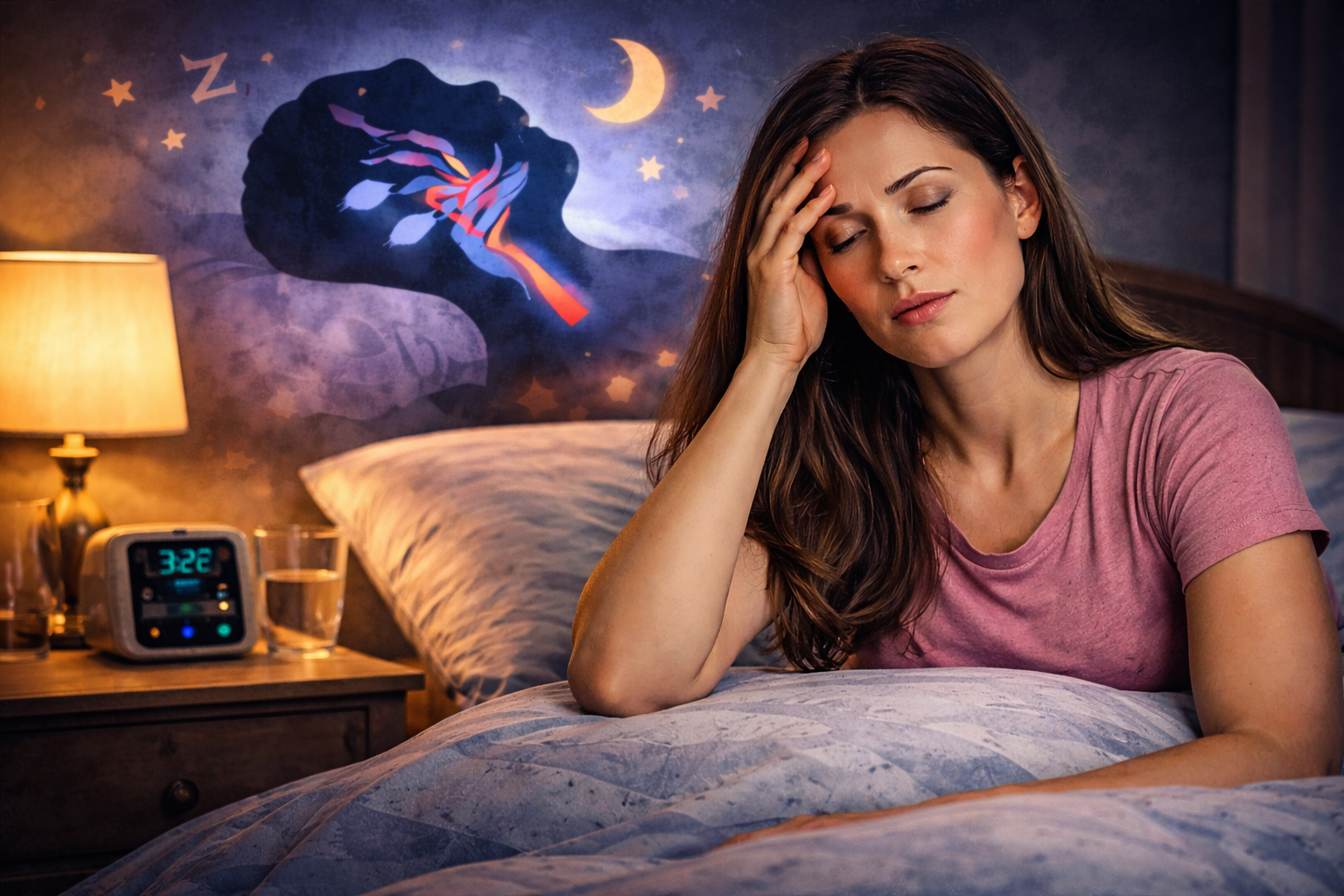
Is It Worth Getting Tested for Sleep Apnea?
You have heard the term. Maybe someone at work mentioned it. Maybe your partner has been nudging you about your snoring for years. Sleep apnea. It sounds serious, and you wonder, “Is it worth getting tested for sleep apnea.”
Dr. Avinesh Bhar has seen many patients in your situation, and his answer is yes — here’s why it’s so important.
Why So Many People Avoid Testing
It is completely normal to hesitate. The reasons people put off testing are understandable and remarkably consistent. Some assume their symptoms are just part of getting older. Others feel like they are “not bad enough” to justify a medical evaluation. Some worry about the cost or the inconvenience of an overnight lab stay. And many simply do not recognize their symptoms as being connected to a breathing issue during sleep.
According to the American Medical Association, an estimated 30 million people in the United States experience breathing disruptions during sleep, but only about 6 million have been identified. That means roughly 80% of people living with this condition have no idea it is happening. The disruptions occur during sleep, often without causing full awakenings, so the person experiencing them may have no awareness at all.
What Testing Actually Involves
One of the biggest barriers to testing is the assumption that it requires spending a night in a clinical sleep lab, wired up to machines in an unfamiliar room. While lab-based studies remain the gold standard for complex evaluations, the reality for most people is much simpler.
A home sleep test uses a small, portable monitoring device that you wear while sleeping in your own bed. It tracks your breathing patterns, blood oxygen levels, breathing effort, heart rate, and body position throughout the night. In the morning, you return the device (or upload the data), and a qualified sleep specialist reviews the results.
The process is non-invasive, comfortable, and can typically be completed in a single night. For most people with suspected breathing disruptions, it is the recommended first step. Understanding how to get started with a home sleep test can make the process feel much less daunting.
What You Stand to Gain
The benefits of identifying breathing disruptions during sleep go far beyond quieter nights. When breathing is repeatedly interrupted, it triggers a cascade of effects that touch nearly every aspect of your daily life and long-term health.
- Identifying breathing disruptions during sleep offers benefits that extend far beyond quieter nights — it can positively impact nearly every aspect of daily life and long-term health.
- Daytime energy is often one of the first improvements people notice. Once breathing quality is addressed, persistent fatigue, afternoon drowsiness, and heavy reliance on caffeine frequently diminish — sometimes within the first week.
- Cognitive function can significantly improve. Brain fog, forgetfulness, and difficulty concentrating caused by fragmented sleep often resolve when the underlying issue is identified and treated. Many people are surprised by how much mental clarity returns.
- Mood and emotional stability tend to improve as well. Chronic sleep disruption is linked to irritability, low mood, and emotional flatness. Addressing breathing quality often creates a ripple effect across relationships, work performance, and overall wellbeing.
The Cost of Not Getting Tested
While the upfront effort of testing may feel like a hurdle, it is worth considering what happens when breathing disruptions go unidentified and unaddressed over months and years.
Chronic fragmented sleep takes a cumulative toll. It affects your ability to perform at work, enjoy your hobbies, and engage meaningfully with the people you care about. It can contribute to weight gain, because disrupted rest alters the hormones that regulate appetite and metabolism.
The National Heart, Lung, and Blood Institute notes that unaddressed breathing disruptions during sleep are associated with a range of long-term health concerns, including cardiovascular risks. Early identification allows for earlier intervention, which is almost always simpler and more effective than waiting until the situation has progressed.
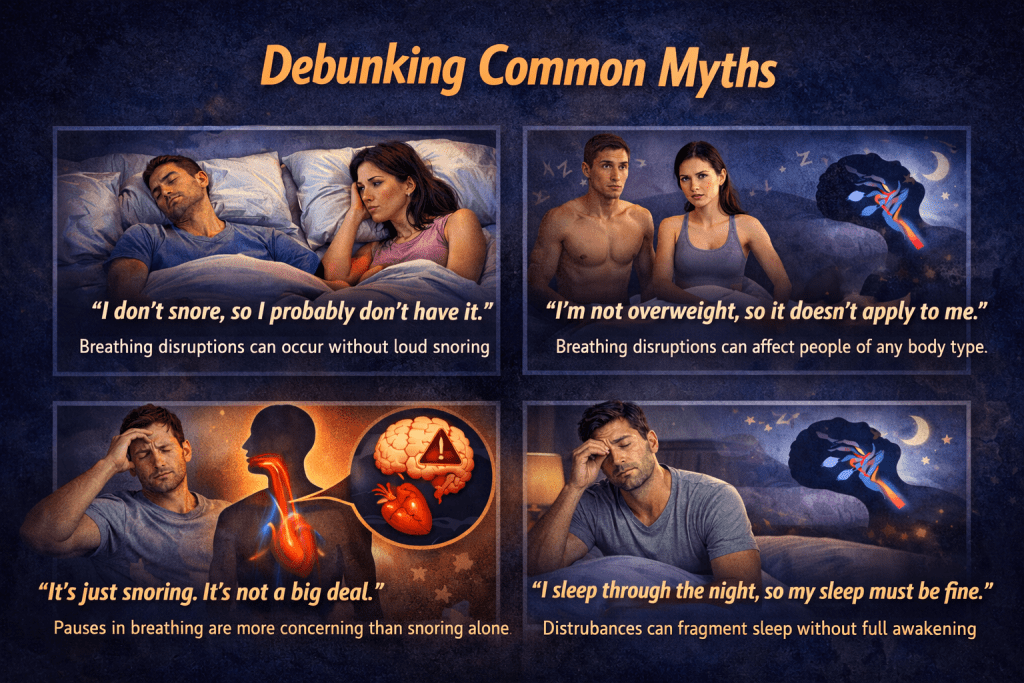
Debunking Common Myths
Several misconceptions prevent people from pursuing testing. Addressing them directly can help clear the path.
“I do not snore, so I probably do not have it.” Snoring is a common indicator, but not everyone with breathing disruptions snores loudly. Some people experience silent pauses in breathing, and women in particular are often underdiagnosed because their symptoms may present differently.
Dr. Avinesh Bhar from SLIIIP explains what sleep apnea is and how it can be treated.
“I am not overweight, so it does not apply to me.” While excess weight is a risk factor, breathing disruptions can affect people of any body type. Anatomical factors like jaw structure, tongue size, and nasal passage shape all play a role.
“It is just snoring. It is not a big deal.” Snoring on its own may be benign. But when accompanied by pauses in breathing, gasping, daytime fatigue, or morning headaches, it may indicate a pattern that deserves evaluation.
“I sleep through the night, so my sleep must be fine.” Many people with breathing disruptions do not fully wake during episodes. The micro-arousals that fragment sleep are brief enough that you may not remember them, but significant enough to prevent your brain from completing its essential restorative cycles.
What Happens After a Positive Result?
If testing reveals that your breathing is being disrupted during sleep, the next steps are guided by the severity of the findings and your individual preferences.
For some people, positional adjustments and lifestyle changes, such as sleeping on their side, reducing alcohol intake, and managing weight, can make a meaningful difference. For others, a CPAP device or an oral appliance provides the support needed to keep the airway open during sleep.

Sleep dentists often see signs of sleep apnea in their patients and here are answers from Charles Tozzer DDS.
Often treatment involves wearing an oral appliance device in the mouth or getting a CPAP.
1) They don’t think they have sleep apnea
Patients often don’t know if they have sleep apnea because…..they are asleep. Best way to find out is with a test.
2) They think the oral appliance will be uncomfortable
Our patients find that it is MUCH more comfortable than a CPAP but still takes a few nights to get used to it.
3) They wonder if they have to wear the oral appliance all their life?
Think of Sleep Apnea as a disease. We manage it (not cure it). If you had High Blood Pressure and got it managed with medication and you quit taking the medication-it would come back. Same with Diabetes , get it under control and quit the meds and it predictably comes back.
4) How many years can an oral appliance last?
With proper care the oral appliance should last 5 years. Manufacturers often guarantee for 3 years but I have some patients that have had them for 8 to 10. On the other end, if the dog eats it or it gets lost, not as long.
5) Does insurance cover oral appliance?
Medical insurance covers it . Our staff will research yours and find out how much it pays and get your approval before we start. (Inform before you preform)
6) Is it more comfortable than CPAP?
Our compliance is over 90% (CPAP varies-depending on who you read- 40 to 50% We have many CPAP intolerant patients that love their oral appliance.
The key point is that effective options exist. Once you have the data, you and your provider can make informed decisions about the approach that fits your lifestyle. Many people describe the experience as life-changing, not because the solution was complicated, but because they finally understood what had been happening and took action.
Taking the First Step
If you have been wondering whether testing is worth it, consider what your life looks like right now. Are you sleeping enough hours but still feeling exhausted? Has your partner mentioned your snoring? Do you wake up with headaches or a dry mouth? Are you struggling with brain fog, irritability, or a general sense that your energy is not what it used to be?
These are not things you need to accept. A simple home sleep test can provide the clarity you need to make an informed decision about your rest and your health.

SLIIIP’s telemedicine service makes it easy to connect with a qualified professional from the comfort of your home, without the wait times and complexity of traditional referral
pathways.
Knowing is always better than wondering. And for most people, the answer to “is it worth getting tested?” becomes obvious once they see what they have been missing.
Frequently Asked Questions
Is it really worth getting tested for sleep apnea?
Yes. Identifying breathing disruptions during sleep allows you to address the root cause of symptoms like fatigue, brain fog, and irritability. Many people report significant improvements in energy and quality of life after testing.
How common is undiagnosed sleep apnea?
Very common. Research suggests that roughly 80% of people with breathing disruptions during sleep have not been identified, largely because the disruptions occur without causing full awakenings.
Can I get tested at home?
Yes. Home sleep tests use portable devices that monitor breathing, oxygen levels, and heart rate while you rest in your own bed. They are convenient, comfortable, and effective for evaluating breathing concerns.
What does a home sleep test cost?
Costs vary depending on your provider and insurance coverage. Many insurance plans cover home sleep tests when ordered by a physician. SLIIIP’s telemedicine service can help you navigate the process.
Do I have to have loud snoring to need testing?
No. While snoring is a common indicator, many people with breathing disruptions do not snore loudly. Daytime fatigue, morning headaches, and cognitive fog are also significant signs.
Can thin people have sleep apnea?
Yes. While excess weight is a risk factor, breathing disruptions can occur in people of any body type due to anatomical factors like jaw structure and airway size.
What are the main signs I should get tested?
Persistent fatigue despite adequate time in bed, loud snoring, gasping during sleep, morning headaches, dry mouth upon waking, brain fog, and excessive daytime sleepiness are all indicators worth investigating.
How long does a home sleep test take?
The test is completed during a single night of sleep. Setup takes a few minutes, and the device collects data automatically while you rest.
What happens if my test is positive?
A sleep specialist will review your results and discuss the severity and appropriate next steps, which may include lifestyle adjustments, positional therapy, CPAP therapy, or an oral appliance.
What if my test is negative but I still feel tired?
A negative result is still valuable as it rules out breathing disruptions and helps direct attention to other potential causes. Your provider can guide further evaluation.
Is a lab sleep study better than a home test?
Lab studies capture more detailed data and are recommended for complex cases. For straightforward breathing evaluations, home tests are highly effective and significantly more convenient.
Can sleep apnea go away on its own?
In some cases, lifestyle changes such as weight management and positional adjustments can reduce symptoms. However, structural factors often mean that ongoing management is needed for optimal results.
Does sleep apnea affect women differently?
Yes. Women with breathing disruptions during sleep often present with different symptoms, including fatigue, mood changes, and headaches rather than loud snoring. This contributes to underdiagnosis in women.
Can children have sleep apnea?
Yes. Enlarged tonsils and adenoids are common causes in children. Signs include snoring, mouth breathing, restless sleep, and behavioral changes.
Will a CPAP machine be uncomfortable?
Modern CPAP devices are much smaller and quieter than older models. Many people adjust within a few nights and report dramatically better sleep quality. Finding the right mask fit is key to comfort.
Can I try lifestyle changes instead of getting tested?
Lifestyle changes like weight management, side sleeping, and reducing alcohol are beneficial regardless. However, testing provides objective data that helps determine whether additional intervention is needed.
How quickly will I feel better after starting treatment?
Many people report improvements in energy and alertness within the first few nights of effective treatment. Deeper improvements in mood and cognitive function build over weeks.
Does sleep apnea get worse with age?
Muscle tone in the throat naturally decreases with age, which can worsen breathing disruptions over time. This makes early identification and management especially valuable.
Can alcohol make sleep apnea worse?
Yes. Alcohol relaxes throat muscles, increasing the likelihood and severity of breathing disruptions. Reducing alcohol intake, especially before bed, can improve rest quality.
How do I get started with testing?
SLIIIP offers a streamlined process that begins with a telemedicine consultation. A qualified specialist evaluates your symptoms and can order a home sleep test that you complete in your own bed.
Latest posts
-
Why Can’t I Shut My Brain Off at Night?
If you cannot shut your brain off at night, your nervous system is in a state of physiological hyperarousal. This is not anxiety in the casual sense. It is a…
-
A Week-by-Week Guide to What CBT-I Actually Feels Like
This week-by-week guide to CBT-I describes what patients experience during each phase of Cognitive Behavioral Therapy for Insomnia treatment. Most patients feel worse before they feel better. Knowing what to…
-
Why CBT-I Works Even When Medications Don’t
Why CBT-I works when medications do not comes down to one fundamental difference: CBT-I addresses the neural and behavioral patterns that maintain insomnia, while medications suppress symptoms without changing the…
Get updates
Spam-free subscription, we guarantee. This is just a friendly ping when new content is out.

