👉 Register for Free. Peri/Menopause at Midnight: Why You Wake Up Hot, Wired, and Wide Awake at 3AM. – Friday, March 27th, 3:00 AM ET with Dr. Audrey Wells.


Mouth Taping for Sleep
You have probably seen it on social media and its called mouth taping for sleep. Influencers placing strips of tape over their mouths before bed, promising everything from deeper sleep to a sharper jawline.
Dr. Avinesh Bhar, CEO of SLIIIP and Sleep MD sees this trend being tried by his patients. In this article, Dr. Bhar explains the risks of mouth taping and how it’s not a long term solution for sleep apnea.


Mouth taping for sleep has exploded in popularity, becoming a billion-dollar industry fueled by viral TikTok videos and celebrity endorsements. But does this unusual practice work? And more importantly, is it safe?
Before reaching for the tape, there is critical information every person should understand. This practice comes with genuine risks that most social media posts conveniently leave out. Let us explore what science really says, who should never try it, and what proven alternatives exist for achieving the restful sleep you deserve.
What Is Mouth Taping and Why Has It Become So Popular?
Mouth taping involves placing a strip of porous tape over closed lips before sleep. The goal is simple: force yourself to breathe through your nose instead of your mouth during the night. Proponents claim this practice reduces snoring, prevents dry mouth, improves sleep quality, and even reshapes facial features over time.
The appeal is understandable. Nasal breathing does offer genuine advantages over mouth breathing. When you breathe through your nose, the air gets filtered of allergens and pollutants. It becomes humidified, protecting delicate throat and lung tissue from dryness. Nasal breathing also promotes the production of nitric oxide, which helps regulate blood pressure and improve oxygen absorption.

However, here is what most social media posts fail to mention: the scientific evidence supporting mouth taping remains extremely limited. The few studies that exist focused on very small populations with specific conditions. No large clinical trials have validated the sweeping claims made by influencers.
What Does the Research Actually Show?
The most frequently cited study on mouth taping involved just 30 participants with mild obstructive sleep apnea who were already mouth breathers. Researchers found that taping their mouths led to reduced snoring and fewer breathing interruptions. However, this study only included people without any nasal obstructions who could tolerate the tape comfortably.
Another small study of 20 people found mouth taping reduced snoring, particularly in individuals with positional sleep apnea whose symptoms worsened when sleeping on their backs.
But researchers also discovered something concerning: some participants continued trying to breathe through their mouths even with tape applied, a phenomenon called mouth puffing.
Meanwhile, a study examining 36 people with asthma showed no meaningful improvement in their condition after mouth taping. The evidence simply does not support the broad claims circulating online about transformed sleep, enhanced energy, reduced anxiety, or improved facial structure.
If you feel you may have an issue with sleep apnea, then getting a simple home sleep test from SLIIIP is the best way to get your answer.
We accept Medicare, Tricare and most major insurances.

The Hidden Dangers of Mouth Taping
Sleep specialists consistently warn about risks that rarely appear in promotional content. These concerns are not theoretical possibilities. They represent real dangers that could seriously harm your health.
Risk of Oxygen Deprivation
If you have undiagnosed sleep apnea, mouth taping could significantly restrict airflow during episodes when your airway naturally closes. About 30 million Americans have sleep apnea, and approximately 23.5 million of those cases remain undiagnosed. This can cause people to stop breathing for up to a minute, hundreds of times each night in severe cases. Taping your mouth in this situation could deprive your brain and body of critically needed oxygen.
With Obstructive Sleep Apnea (OSA) your brain slowly dies because of lack of oxygen.

Nasal Obstruction Complications
Many people breathe through their mouths at night because they genuinely cannot get adequate air through their nose. Conditions like deviated septum, nasal polyps, chronic allergies, enlarged adenoids, or even tumors can block nasal passages. Forcing nasal breathing when your nose cannot accommodate it creates respiratory distress, drops in oxygen levels, and worsening of underlying health issues.
Aspiration Risk
If you vomit or experience acid reflux while your mouth is taped shut, stomach contents could enter your lungs. This can lead to aspiration pneumonia, a serious and potentially fatal condition.
Other Side Effects
Even people without serious underlying conditions may experience skin irritation from adhesive, discomfort from restricted breathing, disrupted sleep from the unusual sensation, and increased anxiety or panic from feeling restricted. Those with claustrophobic tendencies often find the practice intolerable.
Who Should Absolutely Avoid Mouth Taping
Sleep medicine experts advise that certain groups should never attempt mouth taping under any circumstances.

Anyone with untreated obstructive sleep apnea faces serious breathing risks. If you snore loudly, wake gasping for air, or feel exhausted despite sleeping adequate hours, you may have undiagnosed sleep apnea requiring proper medical evaluation.
People with chronic nasal congestion from allergies, sinus problems, or structural issues cannot safely rely solely on nasal breathing. Those with respiratory conditions like asthma or chronic obstructive pulmonary disease need unrestricted airflow access.
Children should never have their mouths taped during sleep without specific medical supervision. Anyone prone to vomiting, acid reflux, or who takes medications causing nausea faces aspiration risks. People with anxiety disorders or claustrophobia may experience panic reactions.
Why DIY Solutions Often Miss the Real Problem
The fundamental issue with mouth taping is that it treats a symptom while potentially ignoring underlying conditions requiring professional attention. If you breathe through your mouth at night, there is usually a reason. Perhaps your nasal passages are blocked. Perhaps you have undiagnosed sleep apnea. Perhaps your anatomy makes nasal breathing difficult.
Reaching for tape before understanding why you mouth breathe is like putting a bandage on a wound without checking whether glass remains inside. The temporary fix may make things worse by delaying appropriate treatment.
Sleep disorders affect an estimated 50 to 70 million American adults. These conditions range from sleep apnea and insomnia to restless legs syndrome and narcolepsy. Each requires specific diagnosis and targeted treatment. Attempting self-treatment with unproven methods can allow serious conditions to progress while creating a false sense of having addressed the problem.
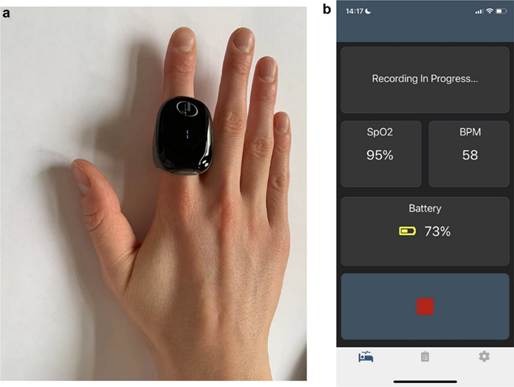
The best way to know if you have a sleep disorder is to get a home sleep test. At SLIIIP we offer these types of tests using the Sleep Image ring. Its covered by Medicare, Tricare and major health insurances.
Proven Alternatives for Better Breathing During Sleep
Rather than experimenting with potentially risky trends, evidence-based approaches can address the underlying causes of nighttime mouth breathing and improve your sleep quality safely.
Professional Sleep Evaluation
A consultation with a board-certified sleep specialist can identify whether you have sleep apnea, nasal obstructions, or other conditions causing mouth breathing. Modern home sleep tests make diagnosis convenient without requiring overnight stays at sleep laboratories. Once the root cause is identified, treatment can be precisely targeted.
CPAP Therapy
Continuous positive airway pressure (CPAP Therapy) remains the gold standard treatment for obstructive sleep apnea. CPAP devices deliver steady airflow through a mask to keep airways open throughout the night. Modern auto-adjusting devices provide personalized pressure levels that adapt to your breathing patterns.

Oral Appliance Therapy
For those who find CPAP uncomfortable or have mild to moderate sleep apnea, oral appliances offer an effective alternative. These custom-fitted dental devices reposition the jaw or tongue to keep airways open during sleep. Success rates reach approximately 70 percent with patient compliance exceeding 90 percent.

Positional Therapy
Some people experience sleep apnea symptoms primarily when sleeping on their backs. Training yourself to sleep on your side using specialized pillows or positional devices can reduce snoring and breathing interruptions without any mouth taping.

Treating Nasal Congestion
If allergies or sinus issues contribute to mouth breathing, addressing these conditions directly often resolves the problem. Allergy management, nasal sprays, or treatment for structural issues like deviated septum can restore comfortable nasal breathing naturally.
Sleep Hygiene Improvements
Sometimes the simplest interventions make the biggest difference. Maintaining consistent sleep and wake times, sleeping in a cool dark room, avoiding screens before bed, limiting alcohol and caffeine, and exercising regularly all support better sleep quality without any risky interventions.
What to Do If You Snore or Struggle With Sleep
Before purchasing any product promising easy sleep solutions, the smartest first step is understanding what is happening during your sleep. Many conditions causing snoring, mouth breathing, or poor sleep quality are easily treatable once properly diagnosed.
Board-certified sleep medicine specialists can evaluate your symptoms through telemedicine consultations, order appropriate home sleep tests, and develop personalized treatment plans. This approach addresses root causes rather than masking symptoms with unproven methods.
If you experience loud snoring, gasping or choking during sleep, excessive daytime fatigue, morning headaches, or waking unrefreshed despite adequate sleep hours, these are signals that warrant professional evaluation. Conditions like sleep apnea increase risks of cardiovascular disease, diabetes, stroke, depression, and even premature death when left untreated.
The Bottom Line on Mouth Taping
Mouth taping represents a classic case of a viral trend outpacing scientific evidence. While nasal breathing offers genuine health benefits, forcing it by taping your mouth shut at night is not an established medical practice and carries real risks.
The American Academy of Sleep Medicine does not recommend mouth taping. Sleep specialists across major medical institutions advise caution. The limited studies available apply only to narrow populations under specific conditions.
For anyone considering mouth taping because they snore, wake with dry mouth, or feel unrested despite sleeping, the wiser path is identifying why these symptoms occur. A brief consultation with a sleep specialist can reveal whether underlying conditions require treatment and guide you toward evidence-based solutions.
Quality sleep transforms health, energy, and quality of life. You deserve approaches that are proven to work and safe to use, not social media trends that may cause more harm than good.

