👉 Register for Free. Why Am I So Tired? The Hidden Women’s Health Issues Behind Fatigue, Hormones, and Sleep – Upcoming Webinar on Friday, March 13th, 11:00 AM ET with Dr. Audrey Wells.

Sleep Apnea in Women Symptoms: What Every Woman Needs to Know
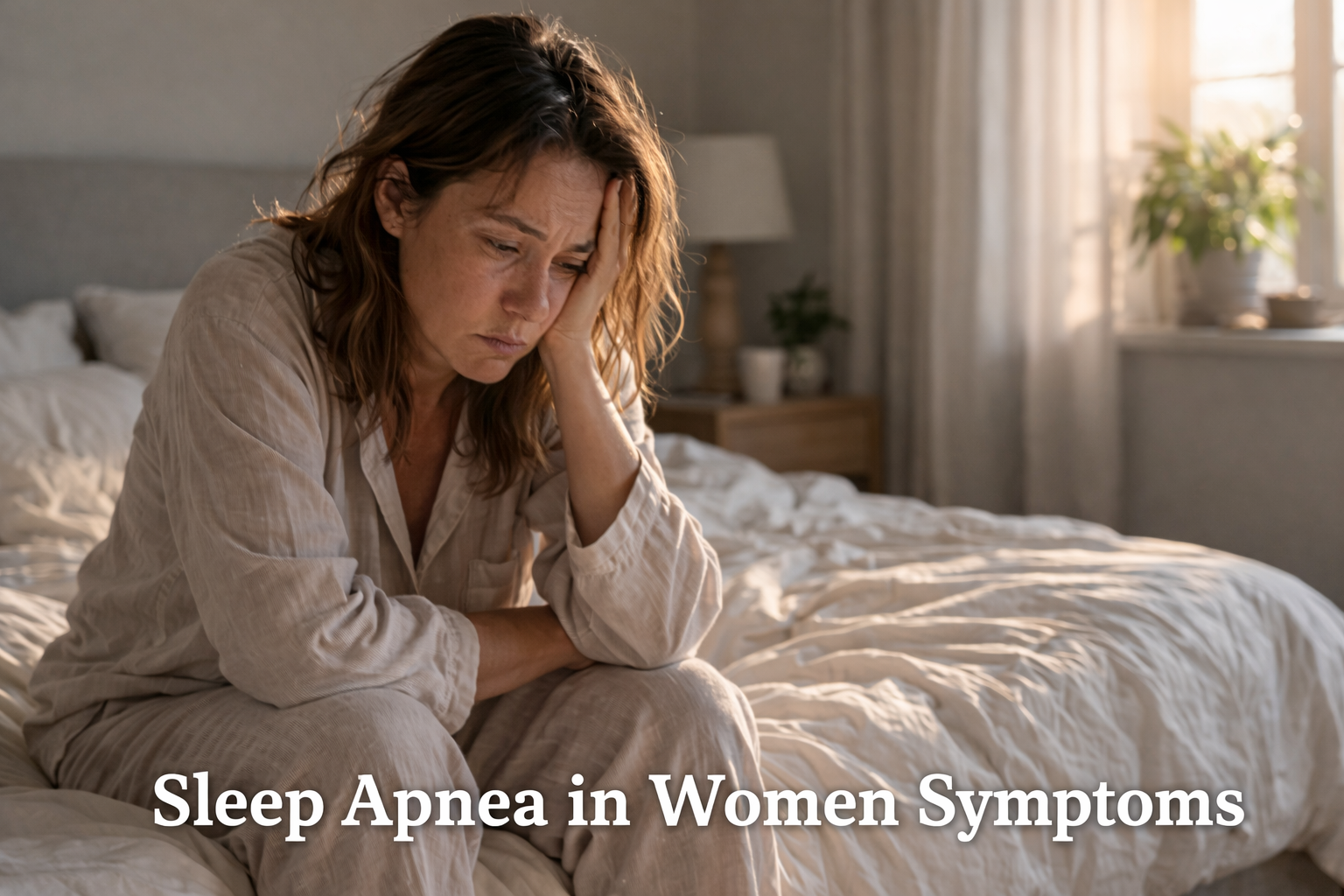
Sleep apnea in women symptoms are often markedly different from those seen in men. Women are more likely to experience persistent fatigue, mood changes, morning headaches, and anxiety than the loud snoring most people associate with the condition. These atypical sleep apnea in women symptoms mean the diagnosis is frequently missed for years, with serious consequences for health and quality of life.
This article reflects the clinical expertise of Dr. Avinesh Bhar, Board Certified Sleep Physician at Sliiip.com, who has evaluated thousands of women whose sleep apnea went undetected until a proper sleep breathing evaluation was completed.
Research published in the journal Sleep found that women with obstructive sleep apnea are significantly more likely than men to be misdiagnosed with depression, anxiety, or fibromyalgia before receiving a correct sleep disorder evaluation. The National Heart, Lung, and Blood Institute documents that sleep apnea symptoms vary considerably between men and women.
SLIIIP’s board-certified sleep physicians can do sleep evaluations for sleep apnea. Virtual consultations in all 50 states. Home sleep tests shipped to your door.
Myth vs. Reality: Sleep Apnea in Women
Myth: Sleep apnea is a man’s condition. Women rarely have it.
Reality: Women make up nearly half of all sleep apnea cases. However, because sleep apnea in women symptoms present differently, they are far more often misdiagnosed or dismissed entirely. The diagnostic gender gap is a product of clinical bias and research history, not actual disease prevalence.
Myth: If a woman had sleep apnea, she would snore loudly and her partner would have noticed.
Reality: Women with sleep apnea are significantly less likely to snore than men. They more commonly present with upper airway resistance or hypopneas, which are partial airflow reductions that disrupt sleep without producing loud sounds. The absence of snoring does not rule out sleep apnea in women.
Why Sleep Apnea in Women Looks Different
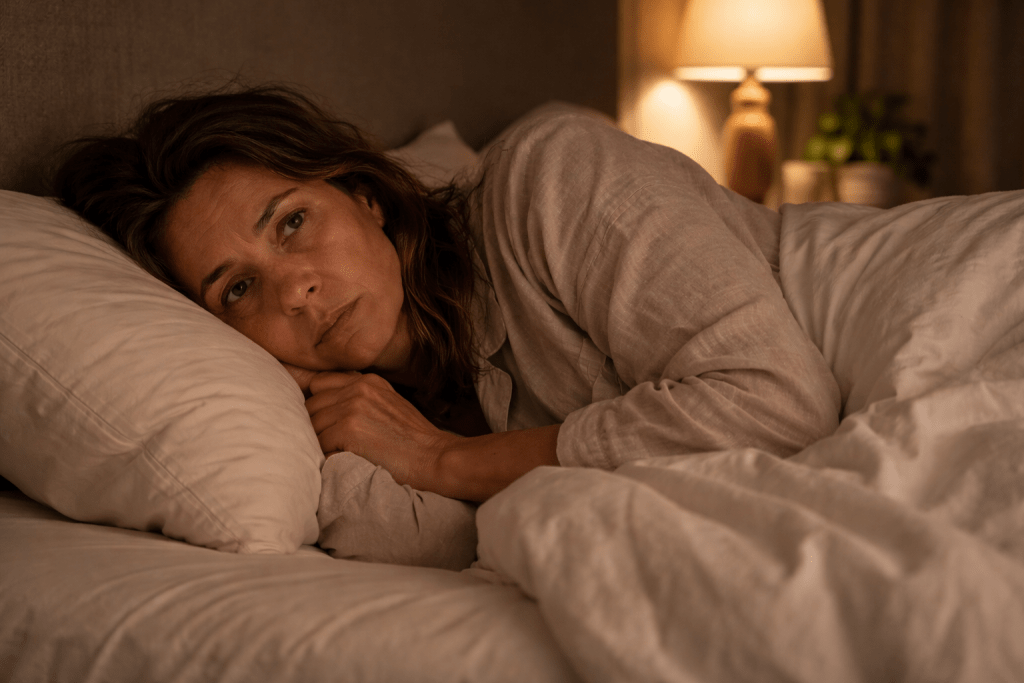
Sleep apnea in women often presents differently than in men. Hormonal factors, fat distribution, and differences in upper airway muscle tone influence how airway collapse occurs and how symptoms appear.
Women are also more likely to experience REM-predominant sleep apnea, where breathing disruptions cluster during REM sleep rather than across all sleep stages. Because REM sleep is central to emotional regulation and memory consolidation, disruption during this phase tends to produce fatigue, mood changes, and cognitive symptoms rather than the classic daytime sleepiness associated with typical male presentations.
This distinction has diagnostic implications. Sleep study scoring methods developed around male presentations may underestimate severity in women if REM-specific events are not adequately captured.
Your Symptoms Deserve a Real Explanation
Could sleep apnea in women symptoms be what is actually driving your fatigue, mood changes, and brain fog?
Sliiip.com has completed over 10,000 consultations with patients in all 50 states. No referral is needed. Home sleep testing ships directly to your door and is covered by most major insurance plans including Medicare and Tricare.
The Most Common Sleep Apnea in Women Symptoms
Persistent fatigue and low energy are the most universally reported sleep apnea in women symptoms. This is not ordinary tiredness that resolves with a good night’s sleep. It is a chronic, physical exhaustion that persists regardless of hours spent in bed. Women describe waking up feeling depleted from the very first moment of the day.
Morning headaches occur because repeated oxygen drops overnight cause blood vessel dilation in the brain. Headaches that are present on waking and resolve within an hour of rising are a recognized clinical marker of sleep-disordered breathing. Learn more about top reasons for waking up with headaches.
Mood changes, depressive episodes, and anxiety are among the most frequently misattributed sleep apnea in women symptoms. The relationship between sleep apnea and mood is bidirectional, but in many women the mood disruption is directly caused by fragmented REM sleep and chronic physiological stress from undetected breathing events.
Cognitive fog and memory difficulties are common and debilitating complaints. Women report difficulty retrieving words, losing track of conversations mid-sentence, and struggling with focus and decision-making. These cognitive symptoms are frequently attributed to aging or stress when they are driven by sleep fragmentation.
Waking frequently during the night without an apparent cause is a hallmark of sleep apnea in women symptoms. The arousal triggered by an apnea event is often brief and immediately forgotten, but it fragments the sleep cycle repeatedly throughout the night. Women with sleep apnea often describe light, broken sleep rather than the dramatic gasping reported more commonly by men.
Insomnia-like difficulty returning to sleep after waking is another distinguishing feature. Women with sleep apnea may wake at 2 or 3 a.m. with racing thoughts and heightened alertness and be unable to return to sleep for extended periods. This is partly driven by the cortisol spike that follows an arousal event in the middle of the night.
Dry mouth or sore throat on waking can signal mouth breathing during sleep, which often accompanies upper airway restriction and is worth reporting to a clinician. Learn more about recognized sleep apnea symptoms in women.
5 Hormonal Stages That Increase Sleep Apnea Risk in Women
Hormonal changes throughout a woman’s life can significantly affect breathing during sleep. Yet this connection is often overlooked in routine healthcare discussions. Understanding when these risks rise can help women and clinicians recognize symptoms earlier and seek appropriate evaluation.
1. Hormones Help Protect the Airway During Sleep
Estrogen and progesterone play an important role in maintaining upper airway muscle tone during sleep. These hormones help keep the airway open and stable. When hormone levels are balanced, the muscles that support breathing during sleep function more effectively, reducing the likelihood of airway collapse.
2. Perimenopause Weakens Airway Stability
During perimenopause, estrogen and progesterone levels begin to fluctuate and gradually decline. As these hormones decrease, the muscles responsible for keeping the airway open during sleep may lose some effectiveness. Obstructive breathing events that may have been mild or unnoticed earlier in life can start becoming more frequent or symptomatic.
3. Menopause Significantly Raises Sleep Apnea Risk
After menopause, the prevalence of sleep apnea increases dramatically. Research shows that postmenopausal women have two to three times the risk of sleep apnea compared with premenopausal women with similar body composition. Despite this elevated risk, routine screening for sleep-disordered breathing in this population remains uncommon.
4. Menopause Is a Recognized Risk Period for Sleep Disorders
Health authorities recognize menopause as a key stage when sleep problems can emerge or worsen. The U.S. Office on Women’s Health identifies menopause as an important risk period for sleep disorders, including insomnia and sleep apnea. However, sleep-related symptoms are often attributed solely to hot flashes or general hormonal changes rather than evaluated as potential sleep-disordered breathing.
5. Pregnancy Can Trigger or Worsen Sleep Apnea
Pregnancy is another stage when sleep apnea risk rises. Several physiological changes contribute to this:
- Weight gain
- Increased blood volume
- Upper airway congestion
- Hormonal shifts
Recognizing sleep apnea symptoms during pregnancy is especially important because the condition has been associated with gestational hypertension and adverse perinatal outcomes. The Eunice Kennedy Shriver National Institute of Child Health and Human Development provides guidance on managing sleep apnea during pregnancy.
Why Sleep Apnea in Women Is Frequently Missed
The clinical picture of sleep apnea has been shaped by decades of research conducted predominantly on male populations. Diagnostic criteria, screening questionnaires, and clinical intuition have historically skewed toward the male presentation of loud snoring and witnessed apnea.
Women who present to their primary care provider with fatigue, mood changes, and cognitive complaints are far more likely to receive depression screening, thyroid panels, or referrals to psychotherapy than a referral for sleep evaluation. The result is years of treatment directed at symptoms rather than cause.
Dr. Avinesh Bhar emphasizes that any woman experiencing unexplained daytime exhaustion, particularly if accompanied by waking during the night, morning headaches, or mood instability, deserves a clinical sleep evaluation regardless of whether snoring is present.
The Cardiovascular and Metabolic Stakes of Unrecognized Sleep Apnea in Women
Untreated sleep apnea in women carries serious long-term health consequences that extend far beyond fatigue. Research from the American Heart Association documents that women with untreated sleep apnea have a significantly elevated risk of hypertension, cardiac arrhythmias, and stroke compared to women without the condition.
Metabolic effects are also substantial. Chronic sleep fragmentation and repeated overnight oxygen drops promote insulin resistance, dysregulate appetite hormones, and increase systemic inflammatory markers. Women with untreated sleep apnea frequently find weight management disproportionately difficult regardless of dietary choices, because their metabolic environment is chronically disrupted by overnight breathing events.
How Home Sleep Testing Works for Women
A home sleep apnea test is a straightforward, comfortable way to evaluate whether sleep-disordered breathing is driving your symptoms. The test device is shipped to your home and worn overnight while you sleep in your own bed.

It measures airflow, breathing effort, oxygen saturation, and heart rate. These data allow a board-certified physician to identify breathing events and assess severity. The evaluation is relevant and clinically meaningful regardless of whether snoring is present.
Women who have been evaluated for every other explanation for their fatigue without resolution have often found a home sleep test to be the diagnostic turning point. Testing is covered by most major insurance plans.

Expert Q&A
Q: My doctors keep attributing my fatigue and mood problems to perimenopause and stress. How would I know if sleep apnea in women symptoms are actually what I am experiencing?
Sleep apnea in women symptoms overlap almost completely with what gets attributed to perimenopause, stress, and depression. The distinguishing feature is that these symptoms persist regardless of how many hours are spent in bed, and they are often accompanied by morning headaches, nighttime waking without cause, and cognitive fog that feels disproportionate to your lifestyle. Women entering perimenopause lose the hormonal protection on upper airway muscle tone at exactly the point when other hormonal symptoms are most prominent. A breathing evaluation during sleep is the piece of the puzzle that is almost always missing in these cases.
Dr. Avinesh Bhar Board Certified Sleep Physician, Sliiip.com
Daily Habits That Support Better Breathing During Sleep
Sleep on your side. Side sleeping reduces the gravitational effect on the upper airway and is associated with fewer breathing events. Using a body pillow can support consistent side sleeping through the night.
Avoid alcohol and sedatives before bed. These substances relax airway muscles and increase the frequency and duration of breathing events. Eliminating them is one of the most immediately impactful changes a woman with suspected or confirmed sleep apnea can make.
Treat nasal congestion consistently. Upper airway resistance increases significantly when nasal passages are inflamed. Managing seasonal allergies and using a saline nasal rinse can reduce the breathing workload during sleep.
Maintain consistent sleep timing. Circadian irregularity worsens REM sleep architecture, which is the stage most commonly disrupted by sleep apnea in women. The CDC identifies consistent sleep scheduling as a cornerstone of sleep health. A regular schedule supports deeper, more continuous sleep cycles throughout the night.
Ask about oral appliance therapy. For women with mild to moderate sleep apnea, oral appliance therapy can be a highly effective and comfortable alternative to positive airway pressure therapy.
Frequently Asked Questions
What are the most common sleep apnea in women symptoms?
The most common sleep apnea in women symptoms include persistent fatigue that does not resolve with more sleep, morning headaches, mood changes, cognitive fog, nighttime waking, and difficulty returning to sleep. Women are significantly less likely than men to report loud snoring. Fatigue and mood disruption are the predominant presenting complaints in most female cases.
Can women have sleep apnea without snoring?
Yes. Women with sleep apnea are far less likely to snore than men. Their airway events more commonly involve partial reductions in airflow or upper airway resistance, which produce sleep disruption without loud noise. The absence of snoring should never be used to rule out sleep apnea in women.
Why is sleep apnea in women so often missed?
Diagnostic criteria and clinical intuition for sleep apnea have historically been shaped by research on male populations. Women present with atypical symptoms including mood changes, fatigue, and insomnia rather than snoring and witnessed apneas, leading to frequent misdiagnosis with depression, anxiety, or hormonal disorders.
Does menopause increase the risk of sleep apnea in women?
Yes. Estrogen and progesterone maintain upper airway muscle tone during sleep. As these hormones decline during perimenopause and menopause, the risk of obstructive sleep apnea increases two to three times compared to premenopausal women of similar anatomy and body weight.
Can sleep apnea in women cause depression?
Yes. Fragmented REM sleep, which is the dominant pattern in female sleep apnea, directly impairs emotional regulation and mood stability. Many women with undiagnosed sleep apnea receive depression diagnoses and limited relief from treatment because the underlying breathing disruption remains unaddressed.
What is REM-predominant sleep apnea and why does it affect women more?
REM-predominant sleep apnea means the majority of breathing events cluster during REM sleep. This is more common in women than men. Because REM sleep governs emotional processing and memory, REM-specific disruption produces fatigue, mood changes, and cognitive complaints rather than the gross sleepiness associated with more evenly distributed sleep apnea.
Can sleep apnea in women affect weight?
Yes. Sleep apnea disrupts appetite-regulating hormones, promotes insulin resistance, and increases cortisol. Women with untreated sleep apnea often find weight management especially difficult because their metabolic environment is chronically dysregulated by overnight breathing disruptions.
How is sleep apnea in women diagnosed?
A home sleep apnea test or in-laboratory polysomnography can identify breathing events and assess severity. Women should seek evaluation from a board-certified sleep physician familiar with the atypical symptom profile of sleep apnea in women. Testing is appropriate even in the complete absence of snoring.
Can oral appliances treat sleep apnea in women?
Yes. Oral appliance therapy is a well-established treatment for mild to moderate obstructive sleep apnea. Many women prefer it over CPAP therapy for its comfort and ease of use. A sleep physician can assess whether oral appliance therapy is appropriate based on severity and individual anatomy.
Are home sleep tests accurate for identifying sleep apnea in women?
Yes. Home sleep tests measure airflow, oxygen saturation, breathing effort, and heart rate, all relevant markers of sleep-disordered breathing regardless of gender. A board-certified physician evaluates the results in the context of the full clinical picture.
Can sleep apnea in women cause anxiety?
Yes. Repeated overnight arousals from breathing events activate the sympathetic nervous system and elevate cortisol. This produces physiological hyperarousal that manifests as anxiety, racing thoughts, and an inability to fully relax that can persist throughout the day.
Should I see a sleep specialist or my gynecologist for sleep apnea in women?
Both providers play a role, but a board-certified sleep physician is the appropriate specialist for evaluating and managing sleep-disordered breathing. Coordinating care between a gynecologist and a sleep physician is the most comprehensive approach when hormonal changes are also contributing to your sleep disruption.
Latest posts
-
I Wake Up Exhausted No Matter What: Why It Happens and What to Do
If you wake up exhausted no matter what, the problem is almost never how long you sleep but how well. Fragmented breathing, undetected sleep disorders, and disrupted sleep cycles prevent…
-
Sleep Apnea in Women Symptoms: What Every Woman Needs to Know
Sleep apnea in women symptoms are often markedly different from those seen in men. Women are more likely to experience persistent fatigue, mood changes, morning headaches, and anxiety than the…
-
Hormonal Insomnia: Why Your Hormones Are Destroying Your Sleep
Hormonal insomnia refers to sleep disruption driven by fluctuations in estrogen, progesterone, cortisol, and other hormones. It affects millions of women during perimenopause, menopause, pregnancy, and the postpartum period. Hormonal…
Get updates
Spam-free subscription, we guarantee. This is just a friendly ping when new content is out.

