👉 Register for Free. How to Diagnose Sleep Apnea Faster in Primary Care – FREE Webinar by Dr. Audrey Wells. – Friday, April 24 at 12 PM ET

I Wake Up Exhausted No Matter What: Why It Happens and What to Do
If you wake up exhausted no matter what, the problem is almost never how long you sleep but how well. Fragmented breathing, undetected sleep disorders, and disrupted sleep cycles prevent true overnight recovery. Understanding why you always wake up exhausted is the critical first step toward finally feeling rested.
This article reflects the clinical expertise of Dr. Avinesh Bhar, Board Certified Sleep Physician at Sliiip.com, who has helped thousands of patients finally identify the real reason they wake up exhausted no matter what they try.
When you wake up exhausted no matter what you do, the problem is almost never the number of hours.
According to the American Academy of Sleep Medicine, approximately 70 million Americans have chronic sleep disorders.
SLIIIP’s board-certified sleep physicians can do sleep evaluations for sleep apnea. Virtual consultations in all 50 states. Home sleep tests shipped to your door.
Common Myths Surrounding Why You Are Exhausted.
Myth: If you are tired, you just need more sleep. More hours will fix the problem.
Reality: Time in bed is not the same as restorative sleep. Eight hours of fragmented, shallow sleep produces the same subjective exhaustion as four hours of total sleep deprivation. The quality and architecture of your sleep determine morning energy far more than the number on the clock.
Myth: Waking up exhausted is a normal part of getting older and there is little to be done about it.
Reality: While sleep architecture does shift with age, chronic unrefreshing sleep is not a normal or inevitable outcome. It is a clinical signal that something is undermining sleep quality and deserves proper evaluation. Accepting morning exhaustion as aging is one of the most common reasons people go years without an accurate diagnosis.
Why You Wake Up Exhausted Even After a Full Night
The feeling of being rested depends on your brain and body completing specific restorative cycles during sleep. These include deep slow-wave sleep, which governs physical repair, immune function, and metabolic regulation, and REM sleep, which governs emotional processing and memory consolidation.
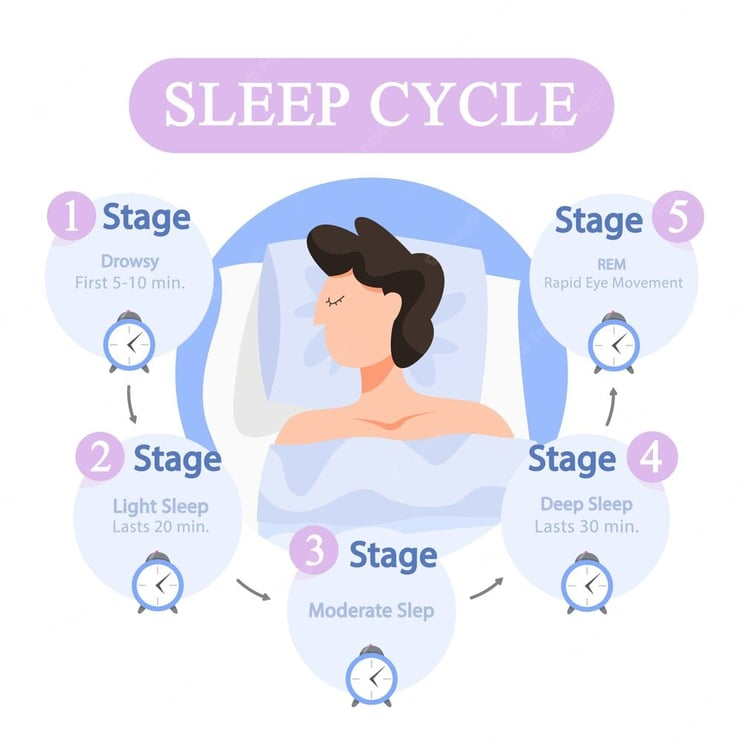
If these stages are repeatedly disrupted, shortened, or skipped entirely, you wake up exhausted regardless of total sleep duration. The clock says eight hours. Your body received something far less restorative than that.
Multiple conditions can fragment these cycles without waking you fully or leaving any conscious memory of the disruption. Most people who wake up exhausted no matter what have no idea this is happening.
Sleep Apnea: The Most Underdiagnosed Reason You Wake Up Exhausted
Sleep apnea is the single most underdiagnosed cause of waking up exhausted no matter what. It causes repeated breathing disruptions during sleep that trigger brief arousals, fragment sleep architecture, and prevent deep restorative stages from completing.
Most people with sleep apnea have no memory of these arousals. They happen in seconds. The airway briefly collapses, oxygen drops, the brain triggers a micro-wake to restore breathing, and the person falls back asleep with no awareness of what occurred. This can happen dozens to hundreds of times per night.
The cumulative effect is severe. You wake up exhausted no matter what because your brain spent the night responding to an emergency rather than resting. You do not need to snore loudly or stop breathing visibly to have sleep apnea. Learn more about recognized sleep apnea symptoms.
A home sleep apnea test is the most direct way to determine whether this is happening during your sleep. It measures breathing events, oxygen saturation, and sleep disruptions from the comfort of your own bed.

Other Medical Reasons You Wake Up Exhausted No Matter What
Restless leg syndrome and periodic limb movement disorder cause repetitive leg movements during sleep that produce arousals and fragment sleep architecture without leaving a clear memory of the disturbance. People with these conditions often wake up exhausted with no explanation.
Thyroid dysfunction, particularly hypothyroidism and subclinical thyroid disorders, slows metabolic rate and disrupts the cellular processes that sleep is meant to restore. Fatigue that does not respond to more sleep is a consistent presentation. Thyroid evaluation is a reasonable clinical step when morning exhaustion is chronic.
Iron deficiency and anemia reduce oxygen-carrying capacity in the blood and can independently contribute to fatigue that is most pronounced upon waking, compounding any underlying sleep disruption.
Upper airway resistance syndrome is a condition where the airway narrows significantly without meeting the full threshold for obstructive sleep apnea. The resulting increased breathing effort fragments sleep and causes morning exhaustion without generating a formal apnea diagnosis on a standard sleep study.
Circadian rhythm disorders place the body’s internal clock at odds with environmental timing. People with delayed sleep phase disorder feel most alert in the late evening and experience genuine physiological difficulty achieving restorative sleep at conventional nighttime hours, waking up exhausted even if hours were adequate. If you are unsure whether your fatigue is within normal range, learn whether your fatigue is normal.
SLIIIP’s board-certified sleep physicians can do sleep evaluations for sleep apnea. Virtual consultations in all 50 states. Home sleep tests shipped to your door.
How Sleep Architecture Affects Why You Wake Up Exhausted
Your sleep cycles through stages approximately every 90 minutes, with each cycle containing light sleep, deep slow-wave sleep, and REM sleep. The proportion and depth of these stages changes across the night.
Deep slow-wave sleep dominates in the early part of the night and is the stage most critical for physical restoration, growth hormone release, and immune function. REM sleep dominates in the final hours before waking and is essential for emotional processing, memory consolidation, and mood regulation.
If your sleep is fragmented in the early part of the night, you lose the most physically restorative stage. If it is fragmented later, you lose the emotional and cognitive restoration that REM sleep provides. Either pattern leaves you waking up exhausted no matter what the clock says.
Dr. Avinesh Bhar notes that understanding sleep architecture through a proper evaluation reveals far more about why someone wakes up exhausted than simply tracking total hours in bed. Total sleep time is one of the least informative measures of sleep health.
The Role of Oxygen Levels When You Wake Up Exhausted
One of the most critical functions of restorative sleep is maintenance of stable blood oxygen levels. During normal sleep, oxygen saturation remains consistently above 95 percent.

In sleep apnea, oxygen levels drop repeatedly as the airway collapses and breathing pauses. These desaturations activate the sympathetic nervous system, release stress hormones, and trigger the micro-arousals that fragment sleep. Even when these events are brief and below conscious awareness, their cumulative metabolic and neurological impact is significant.
Chronic intermittent hypoxia, the medical term for repeated overnight oxygen drops, is associated with elevated blood pressure, cardiovascular strain, metabolic dysregulation, and impaired cognitive function. If you wake up exhausted no matter what, and especially if morning headaches, irritability, or brain fog accompany that exhaustion, a clinical evaluation of your overnight oxygen levels is warranted. Learn more about home sleep apnea testing.
Expert Q&A
Q: I sleep eight hours every night and I have tried every sleep tip I can find. I still wake up exhausted no matter what. What is the next step?
The most important thing I tell patients in this situation is that sleeping eight hours and sleeping restoratively are not the same thing. When someone consistently wakes up exhausted despite adequate time in bed, the critical question is what is happening to their breathing and sleep architecture during those eight hours. Sleep apnea, upper airway resistance, and other forms of sleep-disordered breathing fragment sleep from the inside without waking you fully. You have no awareness it is happening. A home sleep test is the single most important diagnostic step I recommend to anyone who wakes up exhausted no matter what they try.
Dr. Avinesh Bhar Board Certified Sleep Physician Sliiip.com
Daily Habits That Worsen Morning Exhaustion
Inconsistent sleep timing is one of the most powerful disruptors of sleep architecture. Going to bed and waking at varying times across the week shifts your circadian rhythm constantly, preventing the depth and consistency of sleep cycles that produce morning energy.
Alcohol in the evening suppresses REM sleep and fragments sleep in the second half of the night. It is one of the most common hidden contributors to waking up exhausted no matter what, precisely because the initial sedating effect is mistaken for improved sleep quality.
Screen exposure close to bedtime suppresses melatonin and delays the circadian shift toward sleep. It also maintains cognitive arousal that competes with the physiological wind-down needed for deep sleep entry.
Late or heavy meals divert metabolic resources toward digestion during overnight hours, elevating core body temperature and reducing the conditions favorable to deep slow-wave sleep.
Sedentary daytime behavior reduces homeostatic sleep drive, the biological pressure that builds throughout the day and promotes deep sleep entry at night. Regular physical activity during the day is one of the strongest natural enhancers of slow-wave sleep depth.
When to Stop Blaming Yourself and See a Sleep Doctor
If you have addressed behavioral and environmental factors and still wake up exhausted no matter what, the problem is clinical, not behavioral. Chronic unrefreshing sleep is a recognized medical symptom that warrants professional evaluation, not more optimization of your bedtime routine.
A board-certified sleep physician can assess your full clinical picture, review symptom patterns, and determine whether a home sleep test or more comprehensive evaluation is the right next step. Learn more about how to stop waking up in the middle of the night.
Sliiip.com offers telemedicine consultations with home sleep testing shipped directly to your door. No referral is required. You do not have to keep blaming stress or aging for something that has a real, identifiable cause
Testing is covered by most major insurance plans.

Ready to Finally Wake Up Rested?
If you wake up exhausted no matter what you try, it is time to find out why.
Sliiip.com has completed over 10,000 consultations with patients across all 50 states. No referral is needed. Home sleep testing ships directly to your door and is covered by most major insurance plans including Medicare and Tricare.
Frequently Asked Questions
Why do I wake up exhausted even after 8 hours of sleep?
Eight hours of fragmented or disrupted sleep does not deliver the same restoration as eight hours of consolidated, architecture-complete sleep. Conditions like sleep apnea, upper airway resistance syndrome, or periodic limb movement disorder can fragment your sleep dozens of times per night without ever waking you fully. Your brain registers fatigue even when your clock shows a full night.
What medical conditions cause waking up exhausted every morning?
The most common clinical causes include obstructive sleep apnea, upper airway resistance syndrome, restless leg syndrome, periodic limb movement disorder, hypothyroidism, iron deficiency anemia, and circadian rhythm disorders. Each of these disrupts either sleep architecture, overnight oxygenation, or both, producing morning exhaustion regardless of total sleep time.
Can sleep apnea make you wake up exhausted even without snoring?
Yes. A large percentage of people with sleep apnea do not snore loudly or visibly stop breathing. Women in particular present with non-snoring sleep apnea at significantly higher rates than men. The absence of classic snoring does not rule out sleep-disordered breathing as the cause of daily exhaustion.
How do I know if I need a sleep test?
If you consistently wake up exhausted despite adequate time in bed, experience morning headaches, brain fog, difficulty concentrating, or unrefreshing sleep across multiple weeks, a home sleep test is a reasonable and accessible next step. You do not need a referral or an in-lab sleep study to get started.
What is the difference between tiredness and exhaustion caused by a sleep disorder?
Normal tiredness resolves after adequate sleep. Sleep disorder-related exhaustion persists regardless of sleep duration, often worsens over time, and is accompanied by symptoms like morning headaches, cognitive fog, mood changes, and daytime sleepiness that interferes with function.
Can anxiety or stress cause you to wake up exhausted every day?
Psychological stress and anxiety can disrupt sleep architecture and delay sleep onset. However, when exhaustion persists despite stress management and behavioral changes, an underlying sleep disorder is the more likely cause. Many people are diagnosed with anxiety-related fatigue for years before sleep-disordered breathing is identified.
Does waking up exhausted mean you are not getting enough deep sleep?
Chronic morning exhaustion is one of the strongest indicators of insufficient deep slow-wave sleep. Deep sleep is the most physically restorative stage. Any condition that fragments sleep in the early part of the night, when deep sleep is most concentrated, will produce profound exhaustion upon waking.
Is it normal to wake up tired even on weekends when you sleep in?
Sleeping in on weekends, sometimes called recovery sleep, does not eliminate the underlying problem. It may briefly reduce fatigue, but the cause remains active every night. Persistent weekend exhaustion despite extra sleep hours is a strong clinical indicator that something structural is disrupting sleep quality.
What is the fastest way to stop waking up exhausted?
The fastest path is identifying and addressing the clinical cause. Behavioral adjustments help but have a ceiling effect if a sleep disorder is present. A home sleep test can identify obstructive breathing within days, and telemedicine consultations with a board-certified sleep physician can initiate evaluation and a management plan without in-person visits.
Can a home sleep test diagnose why I wake up exhausted?
A home sleep test measures breathing events, oxygen saturation levels, heart rate, and sleep disruption patterns overnight. It is the standard first-line tool for identifying obstructive sleep apnea and related breathing disorders. Results are reviewed by a board-certified physician who can provide a clinical interpretation and discuss next steps.
Why do I wake up with a headache and feeling exhausted?
Morning headaches combined with exhaustion are a recognized pattern associated with overnight oxygen drops from sleep apnea. The drop in blood oxygen during repeated breathing pauses causes vasodilation in the brain, which produces the characteristic morning headache. This combination is a specific clinical indicator that warrants evaluation. Learn more about waking up with headaches.
Can I fix waking up exhausted without medication?
Many causes of chronic morning exhaustion are addressed through non-pharmacological approaches including CPAP therapy, oral appliance therapy, positional adjustments, or behavioral changes. A proper diagnosis determines which approach is appropriate. Medication is rarely the first or most effective option for exhaustion rooted in sleep-disordered breathing.
Latest posts
-
Why Are My Naps Never Refreshing?
Last updated: October 2, 2026. Medically reviewed by Dr. Avinesh Bhar, Board-Certified Sleep Physician, SLIIIP.com. Naps that leave you groggy usually come down to how long you sleep, when you…
-
Is Sleeping Too Much a Sleep Disorder?
Last updated: October 2, 2026. Medically reviewed by Dr. Avinesh Bhar, Board-Certified Sleep Physician, SLIIIP.com. Sleeping too much is not always a sleep disorder, but it can be a sign…
-
Why Does My Insomnia Get Worse After Stopping Sleep Medication?
Last updated: October 2, 2026. Medically reviewed by Dr. Avinesh Bhar, Board-Certified Sleep Physician, SLIIIP.com. Insomnia can get worse after stopping sleep medication for three main reasons. They are rebound…
Get updates
Spam-free subscription, we guarantee. This is just a friendly ping when new content is out.

