👉 Register for Free. How to Diagnose Sleep Apnea Faster in Primary Care – FREE Webinar by Dr. Audrey Wells. – Friday, April 24 at 12 PM ET


Why am I exhausted no matter how much I sleep?
You go to bed at a reasonable hour. You sleep through the night. And yet, when the alarm goes off, you wonder “why am I exhausted no matter how much I sleep?”
If this sounds familiar, you are not imagining things, and you are certainly not alone. Millions of people deal with this frustrating cycle of sleeping enough hours but waking up feeling completely drained.
Dr. Avinesh Bhar has seen a lot of patients with the same issues and often the biggest cause is a hidden sleep disorder.
This article walks you through the most common reasons behind constant fatigue despite adequate sleep, what to look for, and what you can do about it, including treatment options you may not have considered.
What Does It Mean When Sleep Is Not Restoring Your Energy?
Sleep is not just about quantity. Quality matters just as much, if not more. During a normal night, your body cycles through four to six sleep cycles, each containing stages of light sleep, deep sleep, and REM (rapid eye movement) sleep. Deep sleep, also called slow-wave sleep, is the stage where your body does most of its physical repair work: tissues grow and repair, energy stores are replenished, and hormones critical for growth and immune function are released.
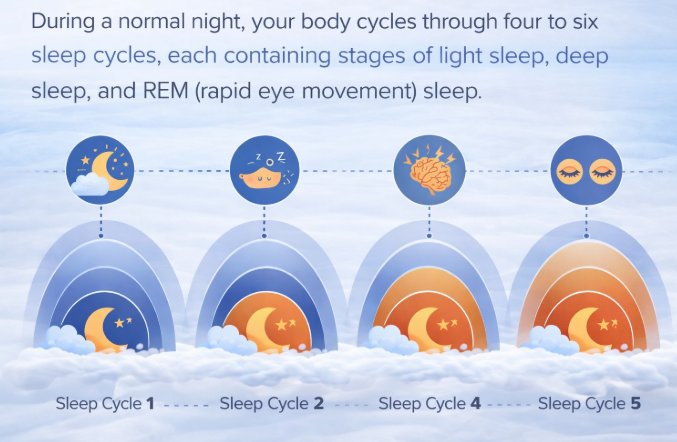
When something disrupts these deeper stages of sleep, even without fully waking you, your body misses out on the restoration it needs. You may have been “asleep” for eight hours, but your brain and body did not get the deep, restorative rest they required. The result: you wake up feeling as though you barely slept.
Common Reasons You Feel Tired All the Time Despite Sleeping
1. Obstructive Sleep Apnea (The Most Underdiagnosed Culprit)
Obstructive sleep apnea, or OSA, is a condition where the tissues in the back of your throat collapse during sleep, partially or completely blocking your airway. Each time this happens, your brain briefly wakes you just enough to restart breathing. These “micro-arousals” can happen dozens or even hundreds of times per night, and most people have no memory of them.
The result? You think you slept all night, but your sleep was fragmented and shallow. You never reached the deeper, more restorative stages of sleep your body desperately needed. Sleep apnea affects an estimated 30 million Americans, and researchers believe the majority of cases remain undiagnosed.
Did You Know: Many people with sleep apnea do not snore loudly. Women, younger adults, and people of normal weight can all have sleep apnea. If you feel perpetually exhausted despite sleeping enough, a sleep evaluation is worth pursuing. |
2. Anemia and Iron Deficiency
When your body does not produce enough red blood cells, or when iron levels are low, your organs do not receive the oxygen they need to function efficiently. This leads to a persistent feeling of being run down, weak, and exhausted. Anemia is the most common blood condition in the United States, affecting an estimated 3 million people, and is especially prevalent among women of reproductive age.
3. Thyroid Disorders
Your thyroid gland, a small butterfly-shaped organ at the front of your neck, controls your metabolism. When it produces too little thyroid hormone (hypothyroidism), everything slows down. Your energy drops, your thinking feels foggy, and no amount of sleep seems to help. Thyroid issues are commonly detected through a simple blood test.
4. Depression and Anxiety
Mental health conditions like depression and anxiety do not just affect your mood. They fundamentally alter the architecture of your sleep. Depression can cause you to spend more time in lighter sleep stages and less time in restorative deep sleep. Anxiety keeps your nervous system in a heightened state, making it harder for your body to fully relax. Over 90% of people with depression report significant fatigue as a symptom.
5. Chronic Fatigue Syndrome (ME/CFS)
Myalgic encephalomyelitis/chronic fatigue syndrome is a complex condition characterized by profound fatigue that does not improve with rest and often worsens after physical or mental exertion. People with ME/CFS frequently describe feeling exhausted upon waking regardless of how long they slept. The condition often follows a viral infection and can be debilitating.
6. Poor Sleep Hygiene and Environmental Factors
Sometimes the simplest explanations are the most overlooked. Background noise, room temperature that is too warm, ambient light from electronics, late-night screen time, and caffeine or alcohol consumption close to bedtime can all degrade sleep quality without your awareness. Even small amounts of caffeine consumed in the afternoon can fragment your sleep.
7. Nutrient Deficiencies Beyond Iron
Deficiencies in Vitamin D, Vitamin B12, and magnesium are all associated with persistent fatigue. These nutrients play essential roles in energy production, nervous system function, and sleep regulation. A blood panel ordered by your doctor can identify whether any of these are contributing to your exhaustion.
A Quick Self-Check: Could It Be a Sleep Disorder?
Ask yourself the following questions. If you answer “yes” to two or more, consider scheduling a sleep evaluation:
- Do you wake up feeling unrefreshed most mornings, even after 7 to 9 hours of sleep?
- Has your bed partner mentioned that you snore, gasp, or stop breathing during sleep?
- Do you frequently wake with a dry mouth, sore throat, or morning headache?
- Do you struggle to stay awake during passive activities like watching television or reading?
- Do you feel irritable, have difficulty concentrating, or experience brain fog during the day?
- Have you gained weight recently, particularly around the neck and midsection?
How Is Non-Restorative Sleep Diagnosed?
If lifestyle changes are not resolving your exhaustion, a sleep medicine specialist can help identify what is happening. The process typically begins with a detailed history of your symptoms, followed by a sleep study. A home sleep apnea test (HSAT) is a convenient option that allows you to be tested in the comfort of your own bed. For more complex cases, an in-lab polysomnography may be recommended.
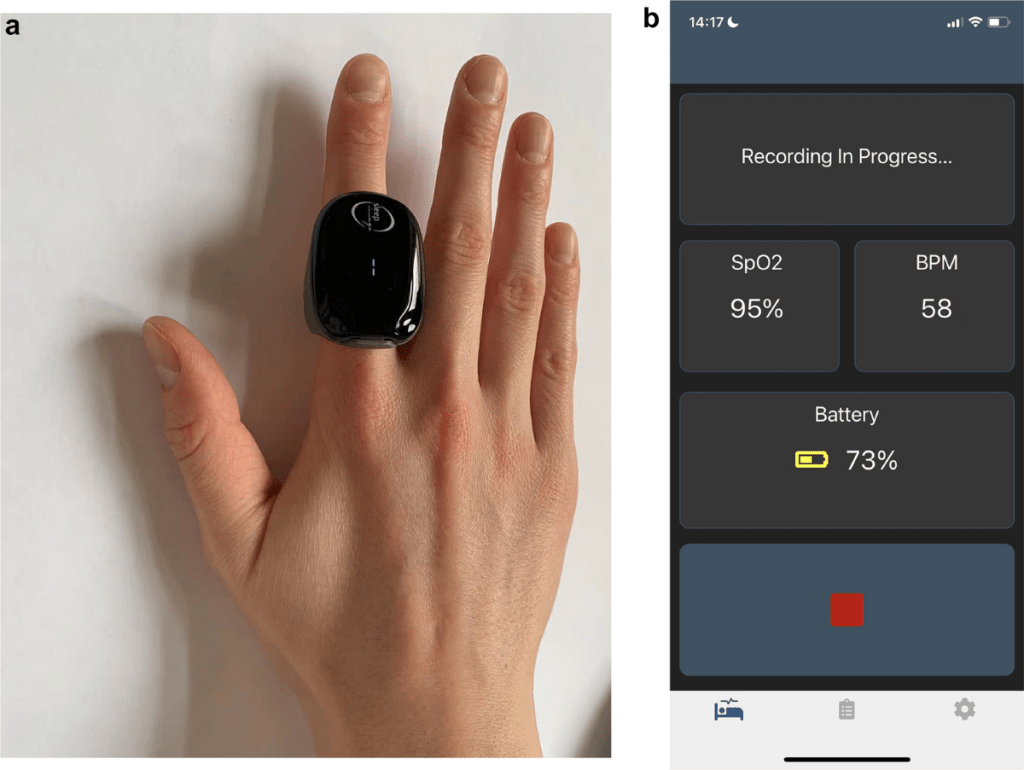
Telemedicine has made accessing sleep specialists significantly easier. Services like SLIIIP allow you to consult with a board-certified sleep medicine physician from home, receive a diagnosis, and begin treatment without the delays of traditional referral processes.
Treatment Options That Can Restore Your Energy
Treatment depends on the underlying cause. For obstructive sleep apnea, the most common options include CPAP therapy (continuous positive airway pressure), which uses a bedside machine to keep your airway open during sleep. While CPAP is highly effective, some patients find it uncomfortable or difficult to use consistently.
For those who cannot tolerate CPAP, oral appliance therapy is an increasingly popular and effective alternative. Custom-fitted by a dentist trained in dental sleep medicine, these devices work by repositioning the lower jaw or tongue to keep the airway open during sleep.
Oral Appliance Therapy: What Patients Want to Know
Oral appliance therapy, also known as a mandibular advancement device (MAD), offers a quieter, more portable, and less intrusive alternative to CPAP. These custom-fitted devices are worn in the mouth during sleep to stop blocking the airway. They are most commonly recommended for patients with mild to moderate obstructive sleep apnea, or for patients with severe OSA who are unable to tolerate CPAP.

Below, dentists who specialize in dental sleep medicine answer common questions patients ask about oral appliances:
Q: How comfortable are oral appliances, and how long do they last? |
“Most of my patients are CPAP intolerant so they choose to use OSA MAD instead since it is more comfortable. I describe that it is a comfortable appliance and will take getting used to but should not be an issue after a couple of days. Can last indefinitely if taken care of. “ |
Q: I used a night guard and it hurt and I couldn’t wear it anymore. |
Dr. Elizabeth Kalliath “This is a tough one especially for patients who previously had a nightguard they were unable to use. I often explain to patients that compared to a traditional nightguard or tooth guard that your dentist will fabricate for you- the sleep appliance is meant to create space in the mouth as opposed to taking up space in the mouth. This is the reason why a lot of sleep patients are not able to tolerate a traditional guard because it is making an already small airway even smaller and the number one goal in life is to breathe, eat and sleep. If you are not breathing well when you sleep at night the body will physically reject the guard; hence why a lot of patients come in saying they think they won’t be able to wear it given the fact they are unknowingly taking out their nightguards at night. I explain that yes that is the case for their traditional nightguard which is just meant to protect teeth but is not opening up the airway but once they have something that does both they will find not only can they tolerate it but they will want to use it.” |
Q: In your experience, why do patients tend to wear their oral appliance more consistently than CPAP, and what difference does that consistency make in their treatment outcomes?” |
Andrea Mier Parsons, D.D.S. That ease of use really matters, because consistency is everything in sleep apnea treatment. Even the most effective therapy won’t work if it isn’t used regularly. Research consistently shows that while CPAP can be very effective when worn, oral appliance therapy often achieves comparable real-world outcomes in mild to moderate obstructive sleep apnea because patients actually use it night after night. When patients wear their oral appliance consistently, we see meaningful improvements—steadier nighttime breathing, reduced airway inflammation, more restorative sleep, and fewer daytime symptoms like fatigue and brain fog. Over time, that consistency translates into better overall quality of life. For many patients, oral appliance therapy isn’t just a treatment they tolerate—it’s one they can realistically commit to, and that makes all the difference.” |
When to See a Doctor?
If you have been feeling constantly exhausted for more than two weeks and lifestyle adjustments like improving sleep hygiene, managing stress, and exercising regularly have not helped, it is time to consult a healthcare provider. Persistent fatigue can be a sign of a treatable condition, whether that is a sleep disorder, a hormonal imbalance, or another medical issue.
Do not dismiss ongoing tiredness as “just stress” or “getting older.” Your body is telling you something important. A sleep medicine specialist can help you find the answer and, more importantly, the solution.
Frequently Asked Questions
Why do I feel tired after sleeping 8 hours?
Sleeping 8 hours does not guarantee restorative sleep. Conditions like sleep apnea can fragment your sleep hundreds of times per night without your awareness. Poor sleep quality, stress, certain medications, and underlying health conditions like anemia or thyroid disorders can all leave you feeling drained despite adequate time in bed.
Is it normal to always feel exhausted?
No. Persistent exhaustion is not a normal part of life. It is your body signaling that something needs attention. Whether the cause is a sleep disorder, a nutritional deficiency, or a mental health condition, there are effective treatments available.
Can sleep apnea make you feel exhausted even if you do not snore?
Absolutely. While snoring is a common symptom of obstructive sleep apnea, many people with OSA do not snore at all, particularly women. Other signs include daytime sleepiness, morning headaches, difficulty concentrating, and waking up feeling unrested.
Latest posts
-
Why Can’t I Wake Up Even After Getting Enough Sleep?
Last updated: October 2, 2026. Medically reviewed by Dr. Avinesh Bhar, Board-Certified Sleep Physician, SLIIIP.com. If you can’t wake up after enough sleep, the cause is usually not the number…
-
Why Does My Heart Rate Drop So Low While I Sleep?
Last updated: October 2, 2026. Medically reviewed by Dr. Avinesh Bhar, Board-Certified Sleep Physician, SLIIIP.com. Your heart rate drops low while sleeping mainly because your body needs less work from…
-
Why Are My Naps Never Refreshing?
Last updated: October 2, 2026. Medically reviewed by Dr. Avinesh Bhar, Board-Certified Sleep Physician, SLIIIP.com. Naps that leave you groggy usually come down to how long you sleep, when you…
Get updates
Spam-free subscription, we guarantee. This is just a friendly ping when new content is out.

