

Specialist Sleep Doctor: When to See One and What to Expect
What Is a Specialist Sleep Doctor?
A specialist sleep doctor, also known as a sleep medicine physician or somnologist, is a medical doctor with advanced training in diagnosing and treating sleep disorders. Unlike your primary care physician who manages general health, a sleep specialist focuses exclusively on the complex science of sleep and the 80+ recognized sleep disorders that can affect your health.
Sleep specialists complete extensive education and training:
- Bachelor’s degree (4 years)
- Medical school (4 years)
- Residency in a primary specialty such as internal medicine, neurology, pulmonology, psychiatry, or pediatrics (3-7 years)
- Sleep medicine fellowship (1-2 years)
- Board certification from the American Board of Sleep Medicine
This means a board-certified sleep specialist has completed 12-17 years of education and training to understand how sleep affects every system in your body and how to effectively treat disorders that disrupt your rest.
Here are some examples of specialists sleep doctors at SLIIIP which has helped over 10,000 patients in 2025 sleep better.
What Does a Specialist Sleep Doctor Do?
A sleep medicine specialist provides comprehensive care for all conditions that affect your sleep quality and quantity. Their expertise includes:
Diagnosis
- Reviewing your complete medical history and sleep patterns
- Conducting home sleep apnea tests
- Administering Multiple Sleep Latency Tests (MSLT) for conditions like narcolepsy
Treatment
- Prescribing CPAP (Continuous Positive Airway Pressure) therapy for sleep apnea
- Fitting and managing oral appliance therapy
- Prescribing medications for insomnia, narcolepsy, restless leg syndrome, and other conditions
- Developing behavioral treatment plans, including cognitive behavioral therapy for insomnia (CBT-I)
- Coordinating with surgeons for surgical interventions when appropriate
Ongoing Management
- Monitoring treatment effectiveness
- Adjusting therapies as needed
- Providing patient education on sleep hygiene
- Coordinating care with your primary physician and other specialists
Conditions Treated by Sleep Medicine Specialists
Sleep specialists diagnose and treat a wide range of sleep disorders affecting adults and children:
Sleep-Related Breathing Disorders
- Obstructive Sleep Apnea (OSA): The most common sleep disorder, affecting 18+ million Americans. Breathing repeatedly stops during sleep due to airway obstruction.
• Central Sleep Apnea: Breathing pauses occur because the brain fails to signal the muscles to breathe.

Upper Airway Resistance Syndrome (UARS): A milder form of sleep-disordered breathing that still disrupts sleep quality.
- Chronic Snoring: Often a precursor to or symptom of sleep apnea.
Insomnia Disorders
- Chronic Insomnia: Difficulty falling asleep or staying asleep three or more nights per week for at least three months.
- Short-term Insomnia: Sleep difficulties lasting less than three months, often triggered by stress or life changes.
Hypersomnias (Excessive Daytime Sleepiness)
- Narcolepsy Type 1 and Type 2: Neurological disorders causing overwhelming daytime drowsiness and, in some cases, sudden muscle weakness (cataplexy).
- Idiopathic Hypersomnia: Excessive sleepiness without an identifiable cause.
Movement Disorders
- Restless Leg Syndrome (RLS): Uncomfortable sensations in the legs causing an irresistible urge to move them, especially at night.
- Periodic Limb Movement Disorder (PLMD): Repetitive limb movements during sleep that disrupt rest.
Parasomnias
- Sleepwalking: Walking or performing complex behaviors while asleep.
- Night Terrors: Episodes of screaming and intense fear during sleep.
- REM Sleep Behavior Disorder: Acting out dreams due to loss of muscle paralysis during REM sleep.
Sleep Specialist vs. Primary Care Doctor: When to See Each
Many patients wonder whether they should see their primary care physician (PCP) or a sleep specialist for sleep problems. Here’s how to decide:
Factor | Primary Care Doctor | Specialist Sleep Doctor |
Best For | Initial evaluation, mild symptoms, short-term issues | Persistent problems, complex cases, suspected sleep disorders |
Training | Generalist medical training | 1-2 additional years focused exclusively on sleep medicine |
Testing | May order basic tests; refers out for sleep studies | Conducts, interprets, and acts on comprehensive sleep studies |
Treatment | Basic recommendations, initial prescriptions | Full range including CPAP titration, specialized medications, advanced behavioral treatments |
See Your Primary Care Doctor First If:
- Your sleep issues are new (less than 3 months)
- Symptoms are mild and don’t significantly affect daily life
- You haven’t tried basic sleep hygiene improvements
- You need general health screenings
See a Specialist Sleep Doctor If:
- Sleep problems persist for more than 3 months despite lifestyle changes
- You or your partner notice loud snoring, gasping, or pauses in breathing during sleep
- You experience excessive daytime sleepiness that affects work, driving, or daily activities
- You have trouble staying awake during the day, even after what seemed like adequate sleep
- You have restless legs or uncomfortable sensations at night
- Your primary care doctor has recommended a sleep study
- You’ve been diagnosed with a sleep disorder but current treatment isn’t working
• You have other health conditions (diabetes, heart disease, obesity) that may be connected to sleep issues
Signs You Should See a Specialist Sleep Doctor
Sleep disorders often develop gradually, making them easy to dismiss. Pay attention to these warning signs that indicate it’s time to consult a specialist:
Symptoms You Experience
- Difficulty falling asleep most nights
- Waking frequently during the night
- Waking too early and unable to fall back asleep
- Feeling unrefreshed despite 7+ hours of sleep
- Excessive daytime fatigue or sleepiness
- Brain fog, difficulty concentrating, or memory problems
- Irritability, mood swings, or depression
- Falling asleep unintentionally (while watching TV, reading, or driving)
- Morning headaches
- Waking with a dry mouth or sore throat
Symptoms Others Notice
- Loud, persistent snoring
- Gasping, choking, or snorting sounds during sleep
- Observed pauses in breathing
- Restless sleep or frequent position changes
- Leg twitching or kicking during sleep
- Sleepwalking, sleep talking, or other unusual behaviors
What to Expect at Your First Sleep Specialist Appointment?
Understanding what happens during your first visit can help you prepare and get the most from your consultation.


Before Your Appointment
- Keep a sleep diary for 1-2 weeks, noting bedtimes, wake times, sleep quality, and daytime symptoms
- List your medications, including supplements and over-the-counter drugs
- Write down your questions and concerns
- Bring your partner if possible, as they can describe symptoms you may not be aware of
- Gather previous medical records related to sleep issues
During Your Appointment
Your sleep specialist will:
- Review your complete medical history
- Ask detailed questions about your sleep habits, patterns, and environment
- Inquire about daytime symptoms and how they affect your life
- Perform a physical examination, focusing on your airway, throat, and neurological function
• Discuss potential diagnoses and testing options

Types of Sleep Studies: In-Lab vs. Home Sleep Tests
Sleep specialists use various tests to diagnose sleep disorders:
In-Lab Polysomnography (PSG)
The gold standard for sleep testing, performed overnight at a sleep center. Monitors:
- Brain waves (EEG)
- Eye movements
- Heart rate and rhythm
- Breathing patterns
- Blood oxygen levels
- Muscle activity
- Body position
Best for: Complex cases, suspected narcolepsy, parasomnia evaluation, pediatric patients, or when home testing is inconclusive.
Home Sleep Apnea Test (HSAT)
A simplified test performed in your own bed. Typically monitors:
- Breathing patterns
- Blood oxygen levels
- Heart rate
- Body position
SLIIIP offers home sleep tests like the one shown below. Often it’s covered by Medicare, Tricare and major insurances.
For cash payments, price for Initial Consultation is $225.
Follow up appointments cost $125.

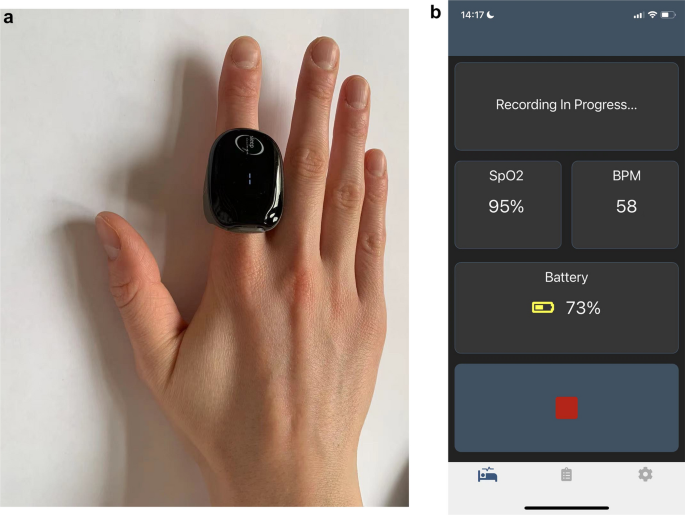
Best for: Adults with high probability of moderate to severe obstructive sleep apnea and no other significant health conditions.
Advantages of home testing:
- Comfort of your own bed
- More natural sleep environment
- Lower cost
- Covered by most insurance plans
- Quick results
At SLIIIP, we specialize in home sleep testing for sleep apnea. Our board-certified sleep specialists review your results and develop personalized treatment plans without requiring multiple in-person visits.
Frequently Asked Questions About Sleep Specialists
What is another name for a sleep specialist?
Sleep specialists may also be called sleep medicine physicians, somnologists, sleep doctors, or sleep medicine specialists. The official credential is board-certified in sleep medicine.
What kind of doctor do you see for sleep problems?
For persistent sleep problems, you should see a sleep medicine specialist (also called a sleep doctor or somnologist). They have 1-2 years of additional training beyond residency specifically focused on diagnosing and treating sleep disorders.
When should I see a specialist sleep doctor instead of my regular doctor?
See a sleep specialist if: sleep problems persist more than 3 months, you have symptoms of sleep apnea (snoring, gasping, daytime sleepiness), your PCP recommends a sleep study, or current treatments aren’t working.
Can I do a sleep study at home?
Yes. Home sleep apnea tests are effective for diagnosing obstructive sleep apnea in adults. They’re more comfortable, convenient, and typically cost less than in-lab studies. Your sleep specialist will determine which type of test is appropriate for your situation.
What conditions can a sleep specialist diagnose?
Sleep specialists diagnose and treat 80+ sleep disorders including: sleep apnea, insomnia, narcolepsy, restless leg syndrome, circadian rhythm disorders, sleepwalking, night terrors, and REM sleep behavior disorder.
Is a sleep specialist covered by insurance?
Yes, most health insurance plans, including Medicare and Medicaid, cover visits to board-certified sleep medicine specialists and medically necessary sleep testing. Contact your insurance provider or the sleep practice to verify your specific coverage.
Don’t Wait: Start Your Path to Better Sleep Today
Sleep disorders don’t resolve on their own, and the longer they go untreated, the greater the impact on your health. Untreated sleep apnea alone increases your risk of heart attack, stroke, diabetes, and accidents.
A specialist sleep doctor has the training, expertise, and tools to accurately diagnose your condition and develop an effective treatment plan tailored to your needs.
Ready to speak with a sleep specialist? Our board-certified doctors are available for virtual consultations, and our home sleep tests make diagnosis convenient and comfortable.
Book Your Sleep Consultation Today
Article reviewed by Dr. Bhar, board-certified sleep medicine specialist at SLIIIP
Latest posts
-
Can Lack of Sleep Cause Depression?
You have been running on too little rest for weeks, maybe months. The exhaustion has settled into something deeper. It is not just tiredness anymore. The world feels grayer and…
·
-
Why Do I Feel Sad and Unmotivated When I Don’t Sleep?
You set the alarm early, planned your whole day, and still ended up lying on the couch by noon wondering what went wrong. Your to-do list sits untouched. You feel…
·
-
Is My Depression Actually a Sleep Problem?
You are exhausted all the time. You have lost interest in things you used to enjoy. Concentrating feels impossible. Your mood is flat, or worse. Your doctor diagnosed depression but…
Get updates
Spam-free subscription, we guarantee. This is just a friendly ping when new content is out.

