👉 Register for Free. Peri/Menopause at Midnight: Why You Wake Up Hot, Wired, and Wide Awake at 3AM. – Friday, March 27th, 3:00 AM ET with Dr. Audrey Wells.


Waking Up at 2AM? Causes and Solutions Explained
Waking up at 2AM can be frustrating, especially when it happens night after night. Middle-of-the-night awakenings may be caused by sleep apnea, sleep-onset insomnia, or sleep-maintenance insomnia.
Poor sleep hygiene, stress levels, and certain medical conditions can also disrupt sleep and reduce sleep quality. Understanding your sleep patterns, the body’s internal clock, and possible underlying causes can help you get back to sleep and enjoy more sleep. Let’s explore.
SLIIIP.COM provides personalized sleep treatment to help you overcome sleep problems like waking up at 2AM, middle-of-the-night insomnia, and poor sleep quality. Our experts assess sleep habits, underlying causes, and medical conditions to create solutions that improve sound sleep and overall well-being. Contact at 478-238-3552 to start getting more sleep and feel refreshed.
Understanding Your Sleep Cycle
Our sleep occurs in multiple stages, including light sleep, deep sleep, and rapid eye movement (REM) sleep. Each stage has a purpose for memory, mental health, and body repair. Remember, waking during this stage is common, but frequent wakeups can affect sleep quality and overall function.
Maintaining a regular sleep schedule can strengthen your sleep drive and reduce middle insomnia. Good sleep hygiene, such as blackout curtains, avoiding caffeine, and limiting light exposure from electronic devices, supports sound sleep. Paying attention to sleep patterns and understanding the body’s internal clock can help you feel sleepy at the right time and prevent trouble staying asleep.
Stress and Mental Health Issues: How Sleep Habits Matter
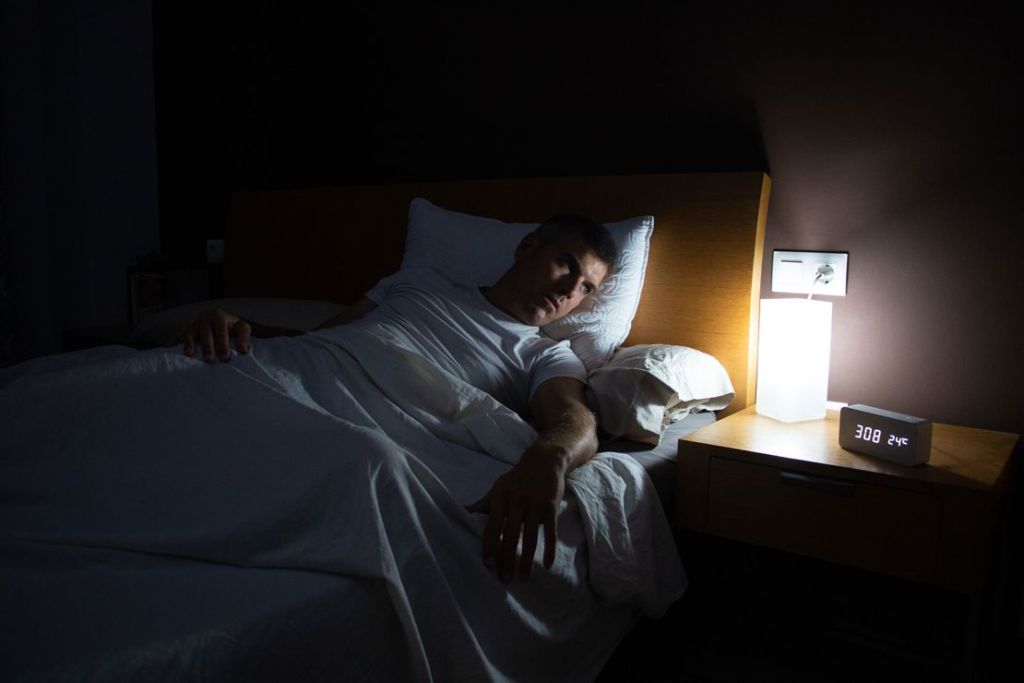
High stress levels or mental health issues like anxiety or depression can lead to chronic insomnia and frequent wakeups. Stress can disrupt REM sleep, reduce deep sleep, and make it hard to get back to sleep after waking. Clock watching at 2AM can make you wide awake and worsen sleep loss.
Practicing relaxation techniques like progressive muscle relaxation or a relaxing bedtime routine can improve sleep quality. Avoiding electronic devices before bed, following a regular sleep schedule, and creating good sleep hygiene habits help treat insomnia naturally. Sleep aids or consulting a sleep specialist may also be options if sleep problems persist.
Environmental and Lifestyle Factors: Night Sweats
External factors can easily disrupt sleep and cause nighttime awakenings. Light exposure, temperature changes, noise, or pets in the bed can break your sleep cycle. Hot flashes or night sweats in older adults may also cause middle-of-the-night wakeups. Even a late meal, alcohol, or caffeine can interfere with deep sleep and REM sleep.
Improving your sleep environment with blackout curtains, a comfortable bed, and good sleep hygiene can help. Avoid caffeine in the second half of the day, keep the room cool, and establish sleep habits that support sound sleep. These simple changes often reduce trouble falling asleep and trouble staying asleep.

Tips to Improve Sleep During Hot Flashes
- Keep your bedroom cool and well-ventilated to reduce night sweats.
- Use breathable bedding and moisture-wicking sheets for comfort.
- Maintain a regular sleep schedule to strengthen the body’s internal clock.
- Avoid caffeine, alcohol, and heavy meals in the evening to prevent disrupting sleep.
- Practice relaxing bedtime routines or progressive muscle relaxation to fall asleep faster.
- Limit light exposure from electronic devices before bed to improve sleep quality.
- Track sleep habits and nighttime awakenings to identify patterns and triggers.
- Consult a sleep specialist if hot flashes or sleep problems persist.
Medical Conditions and Medications
Medical conditions such as sleep apnea, acid reflux, chronic conditions, or heart disease can disrupt sleep and cause frequent wakeups. Sleep disordered breathing, heart palpitations, or pain may also interfere with sound sleep. Certain medications can affect melatonin levels, making it hard to feel sleepy or maintain sleep.
If you suspect an underlying cause, consult a sleep medicine specialist or doctor. Proper diagnosis and treatment options, including treating insomnia or managing chronic conditions, can restore sleep quality. Understanding how your health condition affects sleep can help you prevent sleep loss and get more sleep at night.
Strategies to Better Sleep
Good sleep hygiene and relaxing bedtime routines are essential for reducing sleep problems. Progressive muscle relaxation, avoiding electronic devices, limiting light exposure, and following a regular sleep schedule help improve sleep quality. Simple habits like going to bed at the same time, using blackout curtains, and avoiding caffeine can support deep sleep and REM sleep.
Sleep aids or consulting a sleep specialist may be considered for chronic insomnia or sleep onset insomnia. Tracking sleep habits, noting night sweats or hot flashes, and understanding the body’s internal clock can also help. Small changes often make a big difference in reducing trouble sleeping and helping you feel refreshed the next day.
Age and Hormonal Factors
Older adults often experience changes in sleep patterns, including light sleep and frequent wakeups. According to the National Institute, even one night of poor sleep can affect sleep quality and worsen middle insomnia. Hormonal changes, such as decreased melatonin levels or night sweats, can disrupt sleep in the first half or second half of the night, causing trouble staying asleep or feeling wide awake at 2AM.
Managing stress, practicing good sleep hygiene, and using strategies like a relaxing bedtime routine can help. Avoiding clock-watching, following a regular sleep schedule, and consulting a sleep medicine specialist or sleep specialist for ongoing sleep problems help ensure better sleep quality. These steps allow you to function properly during the day.
Final Thought
If waking up at 2AM is affecting your daily life, SLIIIP.COM can help identify the root cause and recommend effective treatment options. From improving sleep habits to addressing sleep apnea, stress, or hormonal changes, our sleep specialists guide you toward better sleep. Call 478-238-3552 to discuss your sleep problems and take the first step toward feeling rested and energized.
Latest posts
-
Why CBT-I Works Even When Medications Don’t
Why CBT-I works when medications do not comes down to one fundamental difference: CBT-I addresses the neural and behavioral patterns that maintain insomnia, while medications suppress symptoms without changing the…
-
CBT-I vs Sleep Medications: What Patients Need to Know
CBT-I vs sleep medications is one of the most important comparisons in sleep medicine today. CBT-I, or Cognitive Behavioral Therapy for Insomnia, is a structured, evidence-based program that addresses the…
-
Sleep Apnea and Depression: What the Research Actually Shows
Sleep apnea and depression share a bidirectional biological relationship that most patients and clinicians do not fully recognize. A Sliiip board-certified sleep physician explains the mechanism, why treatment resistance is…
Get updates
Spam-free subscription, we guarantee. This is just a friendly ping when new content is out.

