👉 Register for Free. Peri/Menopause at Midnight: Why You Wake Up Hot, Wired, and Wide Awake at 3AM. – Friday, March 27th, 3:00 AM ET with Dr. Audrey Wells.


Why Am I So Irritable Lately?
You used to be patient. You used to let things roll off your back. But lately, everything grinds on you. The dog barking. Your coworker’s pen clicking. A slow driver in the left lane. All this adds up and you wonder, why am I so irritable lately>
Before you blame your personality, your job, or the state of the world, consider a simpler question: how have you been sleeping? The connection between poor rest and heightened irritability is one of the most robust findings in sleep research. Dr. Avinesh Bhar explains the reason why you are so irritable and when a hidden sleep disorder could be the reason.
What Sleep Deprivation Does to Your Temper
When you are well rested, your brain has a sophisticated system for managing emotional reactions. The prefrontal cortex evaluates incoming information, determines what deserves an emotional response, and keeps reactions proportional to the situation. The amygdala, which processes raw emotional input, works in partnership with the prefrontal cortex to create balanced, measured responses.
When sleep is compromised, this partnership breaks down. The prefrontal cortex becomes sluggish and less effective, while the amygdala becomes hyperactive. The result is a brain that overreacts to minor provocations and struggles to apply the brakes. Frustrations that you would normally shrug off trigger outsized emotional responses that feel disproportionate even to you.

Research published in the journal Sleep found that participants who lost just one to two hours of rest per night over several days showed significant increases in anger, frustration, and irritability. A review published by the National Institutes of Health confirmed that the association between sleep loss and anger-related emotions is consistent across age groups and genders.

It Is Not Just About Feeling Grumpy
Sleep-related irritability goes beyond occasional grumpiness. It can fundamentally alter how you interact with the people around you. Relationships bear the brunt, as partners, children, friends, and colleagues become unintentional targets for emotional outbursts that have nothing to do with them.
Work performance can also suffer. Irritability impairs your ability to collaborate effectively, handle constructive feedback, and navigate stressful situations with professionalism. Over time, a pattern of sleep-deprived irritability can damage trust and strain connections in ways that take much longer to repair than a single night of good rest.
The most frustrating part is the self-awareness gap. You know your reactions are disproportionate. You can see it happening in real time. But when the prefrontal cortex is underperforming, the ability to override those reactions simply is not there.
The Hidden Culprits Behind Your Irritability
Sometimes the reason for poor sleep is obvious: a noisy environment, late-night screen time, an irregular schedule, or too much caffeine. But in many cases, the real disruptor is something you cannot see or hear.
Breathing disruptions during the night, which can occur without waking you fully, are a common and often unrecognized cause of fragmented sleep. These disruptions prevent the brain from completing its deep, restorative cycles, leaving you in a state of chronic partial sleep deprivation even if you believe you are sleeping through the night.
If you are spending enough hours in bed but still feel exhausted and irritable, the quality of your breathing during sleep may deserve attention. Common indicators include loud snoring, choking sensations during sleep, waking up with a dry mouth, and morning headaches.

Breaking the Irritability Cycle
The first step is recognizing the connection. If your irritability has increased alongside changes in your sleep quality, the two are almost certainly related.
Begin with the foundations. A consistent sleep schedule anchors your circadian rhythm and makes it easier for your body to reach deep, restorative sleep stages. Aim to go to bed and wake up at the same times daily, even on weekends.
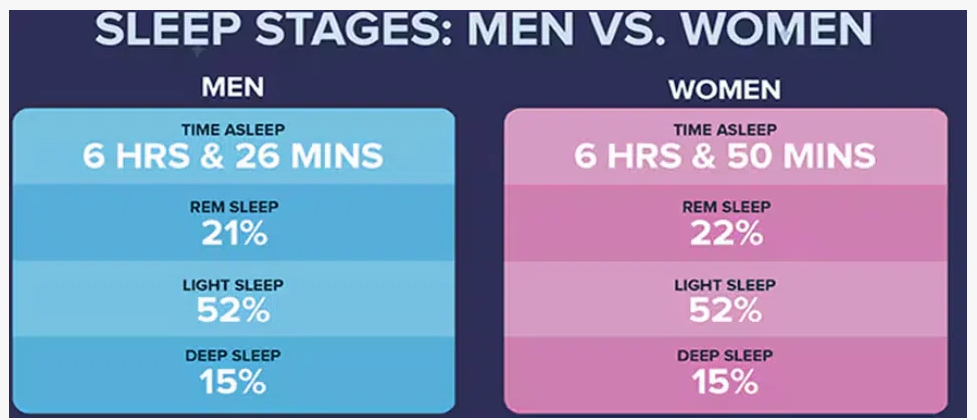
A solid morning routine with natural light exposure within the first hour of waking helps set the stage for better rest that night. In the evening, a calming wind-down period, free of screens and stimulating activities, signals to your brain that it is time to transition toward rest. Calming sounds or guided relaxation can support this process.
Physical activity during the day is a powerful regulator of both sleep quality and emotional balance. Even a 20-minute walk can reduce tension and support deeper rest. The benefits of a short nap early in the afternoon can also help take the edge off when nighttime rest has been insufficient.
When Lifestyle Changes Are Not Enough
If you have made genuine efforts to improve your sleep habits and the irritability persists, it is worth exploring whether an underlying factor is at play. Persistent irritability combined with daytime fatigue, difficulty concentrating, and unrefreshing sleep may indicate that your rest is being disrupted by something beyond your control.
Learning the common signs that breathing disruptions may be affecting your sleep is an empowering step. A home sleep test provides a simple, non-invasive way to gather data about what is happening during the night, without the inconvenience of a lab visit. If you are curious about the process, this guide explains how it works.

You deserve to feel patient, present, and emotionally balanced. If irritability has become your new baseline, addressing the quality of your rest may be the key to getting back to yourself.
Frequently Asked Questions
Can lack of sleep really make me irritable?
Yes. Even modest sleep loss significantly increases irritability by impairing the prefrontal cortex’s ability to regulate emotional reactions while the amygdala becomes overactive.
How quickly does irritability develop from poor sleep?
Irritability can develop after a single poor night of sleep, but it typically becomes more pronounced after two or three consecutive nights of insufficient rest.
Why do I snap at people when I am tired?
When the brain is sleep deprived, the systems that moderate emotional responses become less effective. This lowers your threshold for frustration and makes it harder to control reactions.
Is sleep-related irritability different from anger issues?
Yes. Sleep-related irritability is situational and typically resolves when sleep quality improves. It does not reflect a personality trait or underlying behavioral concern.
Can poor sleep affect my relationships?
Absolutely. Chronic irritability strains relationships with partners, family, friends, and colleagues. Understanding the sleep connection can help couples and families address the root cause together.
Does caffeine make irritability worse?
While caffeine can increase alertness, excessive use can heighten anxiety and jitteriness, potentially worsening irritability. It also disrupts sleep quality when consumed late in the day.
Can exercise reduce sleep-related irritability?
Yes. Regular physical activity helps regulate mood, reduce stress hormones, and promote deeper sleep, all of which can help manage irritability.
Is irritability a sign of a deeper health concern?
Persistent irritability that does not improve with better sleep may be worth discussing with a healthcare provider, especially if accompanied by other symptoms like fatigue, snoring, or cognitive fog.
Can breathing problems at night cause daytime irritability?
Yes. Breathing disruptions fragment sleep without your awareness, preventing restorative rest and directly contributing to heightened emotional reactivity the next day.
How does alcohol before bed affect irritability?
Alcohol disrupts REM sleep, the stage most critical for emotional processing. Poor REM sleep increases the likelihood of irritability, emotional sensitivity, and frustration the following day.
Can children be irritable from poor sleep?
Yes. Research from the NIH shows that sleep-deficient children often display irritability, mood swings, impulsiveness, and difficulty getting along with others.
Does sleeping position affect irritability?
Indirectly, yes. Certain sleeping positions can worsen breathing disruptions, which fragment sleep and contribute to next-day irritability. Side sleeping is generally recommended for optimal breathing.
How long does it take for irritability to resolve with better sleep?
Many people notice improvements within two to three nights of consistently better rest. Deeper improvements build over several weeks of sustained good sleep habits.
Can stress and poor sleep together make irritability worse?
Yes. Stress and poor sleep compound each other. Stress raises cortisol levels, which disrupt sleep, and poor sleep lowers your ability to manage stress, creating a reinforcing cycle.
Is being a “morning person” or “night owl” related to irritability?
Research suggests that individuals with evening chronotypes, who naturally prefer to stay up late, may experience more irritability and mood difficulties, partly because societal schedules force them into misaligned sleep patterns.
Can a weighted blanket help with irritability?
Some people find that weighted blankets provide a calming effect that helps them settle into sleep more easily, which can indirectly support better mood and emotional regulation.
Is irritability from poor sleep the same as being “hangry”?
They are different but related. Both involve lowered tolerance from physiological stress. Poor sleep reduces emotional regulation capacity, while hunger affects blood sugar and mood. Together, they can be particularly challenging.
Should I take sleep supplements for irritability?
While some supplements are marketed for rest support, the foundation should always be consistent sleep habits and, if needed, a professional evaluation. Consult a healthcare provider before starting supplements.
Can a home sleep test explain my unexplained irritability?
Yes. A home sleep test can identify breathing disruptions and other factors that are silently fragmenting your rest, providing actionable data to improve both sleep quality and emotional balance.
When should I see a specialist about irritability?
If improving your sleep habits does not reduce irritability after a few weeks, or if you also experience snoring, daytime fatigue, or morning headaches, a professional sleep evaluation is recommended.
Latest posts
-
Why Can’t I Shut My Brain Off at Night?
If you cannot shut your brain off at night, your nervous system is in a state of physiological hyperarousal. This is not anxiety in the casual sense. It is a…
-
A Week-by-Week Guide to What CBT-I Actually Feels Like
This week-by-week guide to CBT-I describes what patients experience during each phase of Cognitive Behavioral Therapy for Insomnia treatment. Most patients feel worse before they feel better. Knowing what to…
-
Why CBT-I Works Even When Medications Don’t
Why CBT-I works when medications do not comes down to one fundamental difference: CBT-I addresses the neural and behavioral patterns that maintain insomnia, while medications suppress symptoms without changing the…
Get updates
Spam-free subscription, we guarantee. This is just a friendly ping when new content is out.

