👉 Register for Free. Peri/Menopause at Midnight: Why You Wake Up Hot, Wired, and Wide Awake at 3AM. – Friday, March 27th, 3:00 AM ET with Dr. Audrey Wells.


Why do I wake up gasping for air?
Few experiences are as alarming as waking up in the middle of the night gasping for air. You wonder after, “why do i wake up gasping for air?”. It is an experience that can leave you shaken and afraid to go back to sleep.
If this has happened to you once or twice, it may have been a passing episode caused by a simple trigger. But if you are waking up gasping for air regularly, your body is urgently communicating that something is interfering with your breathing during sleep, and it needs your attention.
In this article, Dr. Avinesh Bhar explains the most common reasons people wake up gasping, choking, or struggling to breathe during the night, what to watch for, and what you can do about it.
Why Does Gasping During Sleep Happen?
When you fall asleep, the muscles throughout your body relax, including the muscles in your throat and airway. For most people, this relaxation is not a problem. But for some, this muscle relaxation allows the tissues in the throat to sag inward, partially or completely blocking the airway. Your brain, sensing the drop in oxygen, triggers a burst of adrenaline to wake you just enough to resume breathing. This is the gasping, choking, or snorting that either you or your partner notice.
Common Causes of Waking Up Gasping for Air
1. Obstructive Sleep Apnea (OSA)
Obstructive sleep apnea is by far the most common cause of nighttime gasping. With OSA, the soft tissues in the back of the throat collapse during sleep, blocking airflow. Each episode can last from a few seconds to over a minute and may repeat hundreds of times per night. Many people with OSA do not fully wake during these episodes and are unaware they are happening. The most common signs include loud snoring, witnessed breathing pauses, morning headaches, daytime fatigue, and dry mouth upon waking.
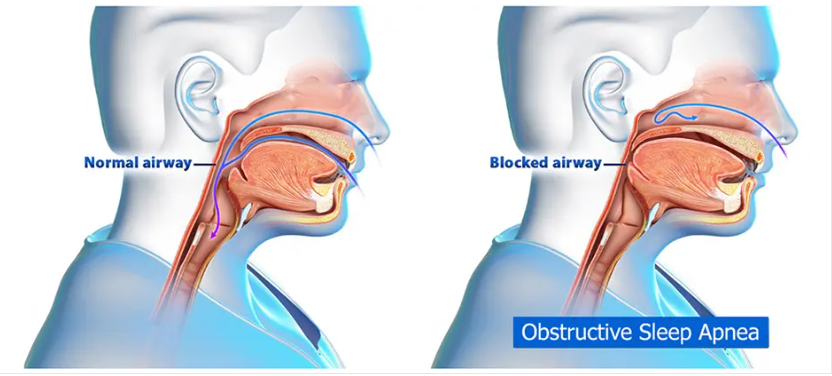
OSA affects an estimated 30 million Americans. Risk factors include excess weight (especially around the neck), being male (though women are also affected), age, family history, smoking, and nasal congestion. However, even people without these risk factors can develop sleep apnea.
2. Central Sleep Apnea
Unlike obstructive sleep apnea, central sleep apnea occurs when the brain temporarily fails to send the proper signals to the muscles that control breathing. There is no physical blockage. Instead, the breathing simply stops for a period, and you may wake gasping when breathing resumes. Central sleep apnea is less common than OSA and is often associated with heart conditions, stroke, or the use of certain medications.
3. Anxiety and Nocturnal Panic Attacks
Anxiety does not take a break when you go to sleep. Nocturnal panic attacks can cause you to wake suddenly with a pounding heart, sweating, and a sensation of breathlessness or choking. About 7 in 10 people with panic disorder also experience nighttime panic attacks. These episodes often occur during the first third of the night and can be terrifying. Importantly, some people who believe they are having panic attacks are actually experiencing sleep apnea, making an accurate diagnosis essential.
4. Gastroesophageal Reflux Disease (GERD) and Laryngopharyngeal Reflux
Acid reflux can worsen when you lie down, allowing stomach acid to travel up the esophagus and even into the throat. This irritation can trigger coughing, choking, and a sensation of gasping for breath. A related condition called laryngopharyngeal reflux (sometimes called “silent reflux”) may not cause the classic heartburn sensation but can still irritate the throat enough to disrupt breathing during sleep.
5. Postnasal Drip
When nasal congestion is severe, thick mucus can drip from the nasal passages into the back of the throat while you sleep. If enough mucus accumulates, it can temporarily block the airway, causing you to wake up coughing, choking, or gasping. This is especially common during allergy season or when you have a sinus infection.
6. Asthma (Nocturnal Asthma)
Asthma symptoms, including chest tightness, wheezing, and shortness of breath, can worsen at night due to changes in airway inflammation, body position, and hormone levels. Nocturnal asthma can disrupt sleep and cause episodes of waking with difficulty breathing.
7. Heart Failure and Pulmonary Edema
In more serious cases, waking up gasping can be a sign of heart failure, where the heart is not pumping blood efficiently. Fluid can accumulate in the lungs, particularly when lying down, creating a condition called pulmonary edema. If gasping episodes are accompanied by persistent coughing, frothy sputum, swollen ankles, or shortness of breath that improves when sitting up, seek medical attention promptly.
Self-Assessment: Should You See a Sleep Specialist?
Consider seeking an evaluation if you recognize any of the following:
- You wake up gasping, choking, or feeling like you are suffocating more than once a week
- Your partner reports loud snoring, breathing pauses, or snorting during your sleep
- You feel excessively tired during the day despite spending enough time in bed
- You wake with morning headaches, dry mouth, or a sore throat
- You have experienced unexplained weight gain, high blood pressure, or difficulty concentrating
For a detailed analysis, try our “Do I Have Sleep Apnea Quiz” to check if you have this sleep disorder.
How Is Sleep Apnea Diagnosed?
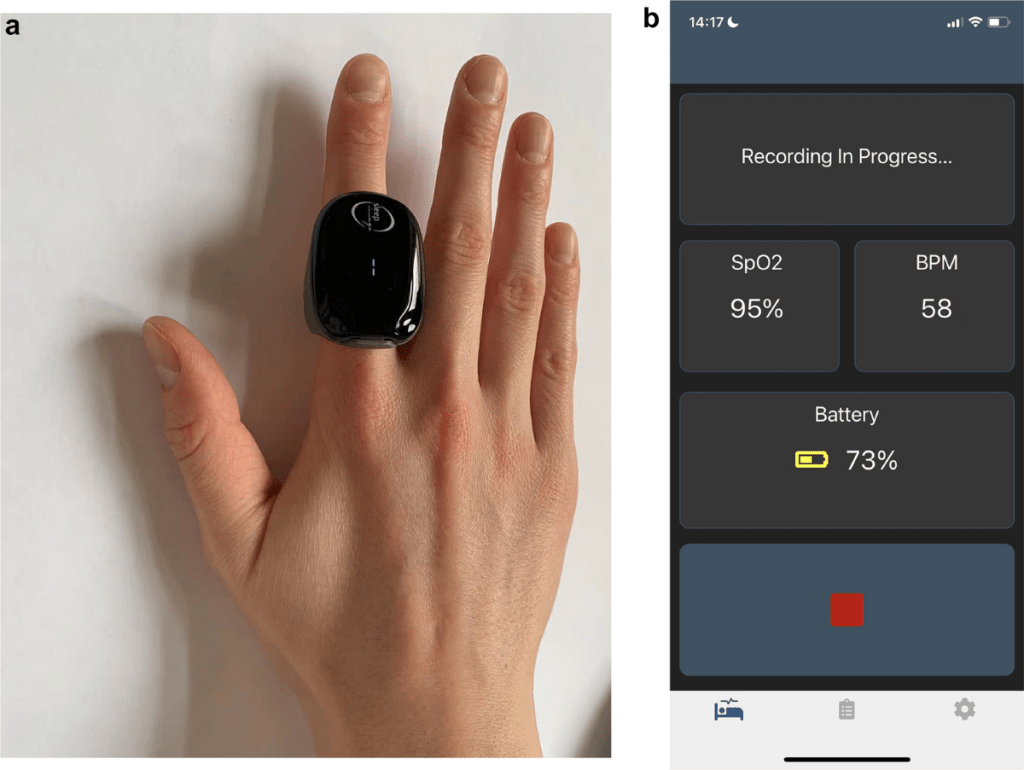
The gold standard for diagnosing sleep apnea is a sleep study. A home sleep apnea test (HSAT) allows you to be tested in your own bed, wearing a small device that monitors your breathing, oxygen levels, and heart rate overnight. Telemedicine-based sleep medicine services, such as SLIIIP, can arrange a consultation with a board-certified sleep specialist, order a home sleep test, review your results, and initiate treatment, all without leaving your home.
Treatment Options for Nighttime Gasping
Treatment depends on the underlying cause. For obstructive sleep apnea, the most common treatments include CPAP therapy, which delivers steady air pressure through a mask to keep the airway open, and oral appliance therapy, a custom-fitted dental device that repositions the jaw to prevent airway collapse.
For anxiety-related gasping, psychotherapy (particularly cognitive behavioral therapy) and, in some cases, medication can help reduce nocturnal panic attacks. For GERD-related gasping, elevating the head of the bed, avoiding large meals before sleep, and medications to reduce stomach acid may provide relief.
Oral Appliance Therapy: What Patients Want to Know
For patients diagnosed with obstructive sleep apnea, oral appliance therapy offers a comfortable, non-invasive treatment option.

These devices work by holding the lower jaw in a slightly forward position during sleep, which keeps the airway open and prevents the gasping and choking episodes associated with OSA. Below a sleep dentist answers a common question asked by patients interested in oral appliance.
|
Q: Do I need to wear an oral appliance all my life? |
|
Dr. Rebecca Fronheiser, DDS It’s also important to understand that as we age, our body changes, and the airway can change as well. That’s why ongoing monitoring is important — we want to ensure you are always being effectively treated for where you are currently, not just where you were when you first started therapy. We reassess progress over time to determine the best long-term plan and keep your treatment working at its highest level.” |
Frequently Asked Questions
Is waking up gasping for air dangerous?
It can be. When caused by obstructive sleep apnea, repeated gasping episodes mean your body is being deprived of oxygen throughout the night. Over time, this raises your risk for high blood pressure, heart disease, stroke, and type 2 diabetes. If you are waking up gasping regularly, getting evaluated is important for both your immediate comfort and your long-term health.
Can anxiety cause you to wake up gasping?
Yes. Nocturnal panic attacks can cause sudden waking with gasping, a racing heart, and a feeling of being unable to breathe. However, it is important to rule out sleep apnea first, as the symptoms can look very similar and require different treatments.
Can you have sleep apnea without snoring?
Yes. While loud snoring is one of the hallmark symptoms of obstructive sleep apnea, not everyone with OSA snores. Some people, particularly women and younger adults, may have sleep apnea with minimal or no snoring. Daytime fatigue, gasping during sleep, and morning headaches are other important indicators.
Latest posts
-
How Do I Fix My Circadian Rhythm?
How do I fix my circadian rhythm? When your internal biological clock falls out of sync with the natural world, every aspect of your health suffers. From daytime exhaustion to…
-
Why Do I Wake Up Anxious?
Why do I wake up anxious? Opening your eyes to a racing heart, tight chest, or a sense of impending doom is a distressing way to start the day. While…
-
Do I Have Sleep Apnea Without Snoring?
Do I have sleep apnea without snoring? While heavy snoring is the most famous red flag for sleep-disordered breathing, thousands of patients suffer from significant nighttime oxygen drops and fragmented…
Get updates
Spam-free subscription, we guarantee. This is just a friendly ping when new content is out.

