👉 Register for Free. How to Diagnose Sleep Apnea Faster in Primary Care – FREE Webinar by Dr. Audrey Wells. – Friday, April 24 at 12 PM ET

Do I Have Sleep Apnea Without Snoring?
Do I have sleep apnea without snoring? While heavy snoring is the most famous red flag for sleep-disordered breathing, thousands of patients suffer from significant nighttime oxygen drops and fragmented sleep without ever making a sound. Understanding how to identify “silent” sleep apnea is the first step toward reclaiming your cognitive function and heart health.
According to Dr. Avinesh Bhar, Board Certified Sleep Physician at Sliiip.com, the absence of snoring often leads to a dangerous delay in diagnosis. “Many of my patients are shocked to find they have severe sleep apnea because their partners report they are quiet sleepers,” says Dr. Bhar.

It is incredibly frustrating to feel exhausted every morning despite thinking you slept “silently” through the night. If you are struggling with brain fog, morning headaches, or mid-day crashes, you should not rule out a sleep disorder just because you do not snore. Your symptoms are real, even if they are quiet.
Research published in the journal Sleep and Breathing indicates that nearly 20 percent of men and nearly 50 percent of women with obstructive sleep apnea do not report loud snoring.
Ready to Finally Sleep Better?
- 10,000+ consultations completed
- No referral required
- Available in all 50 states
- Most major insurance accepted
Sleep Apnea Myths vs. Reality
If you have been searching for the signs of sleep apnea and feel confused because snoring is not one of your symptoms, you are asking exactly the right question. Here is what the clinical evidence says.
Myth: If my spouse does not complain about noise, I am breathing fine.
Reality: You can have “silent” apneas where the airway closes completely, preventing the vibration that causes snoring but still cutting off vital oxygen to the brain.
Myth: Sleep apnea always involves a gasping sound.
Often this is the sound of sleep apnea snoring. Watch the video below.
Reality: Many patients experience subtle “micro-arousals” where the brain wakes up just enough to restart breathing without the patient ever fully waking or making a loud noise.
Myth: Only older, overweight men have sleep apnea without snoring.
Reality: Women, children, and fit individuals are actually the most likely demographics to experience “non-snoring” sleep-disordered breathing, often referred to as Upper Airway Resistance Syndrome (UARS).
How You Can Have Sleep Apnea Without Snoring
The reason you might ask, do I have sleep apnea without snoring?, often comes down to the physics of your airway. Snoring is caused by the vibration of soft tissue as air forces its way through a partially blocked passage. However, in some individuals, the airway collapses so quickly or so completely that no air passes through at all, meaning there is no vibration and no sound. This is known as a total obstructive event.
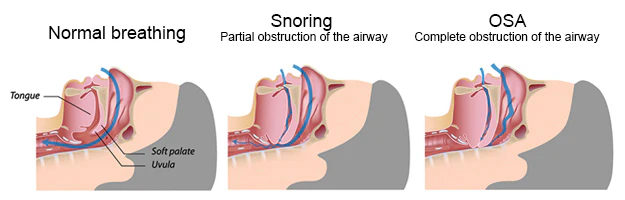
In other cases, particularly in younger or thinner patients, the airway becomes narrow enough to increase the “work of breathing,” triggering the brain to wake up before a loud snore can even occur. This keeps the patient in a state of perpetual light sleep, even if the house remains perfectly quiet.
Do I Have Sleep Apnea Without Snoring? Watch for These Daytime Signs
When people think of sleep apnea, they usually think of loud snoring. But if you’re asking “Do I have sleep apnea without snoring?”, the real clues often show up during the day — not at night.
Here are the key daytime markers to pay attention to:
1. You Wake Up Feeling Unrested
Even after a full night in bed, you feel like you barely slept.
- You hit snooze multiple times
- You feel heavy, groggy, or drained immediately
- Sleep doesn’t feel restorative
👉 This is one of the strongest indicators of disrupted breathing during sleep.
2. Morning Dry Mouth or Sore Throat
If you regularly wake up with a dry mouth or scratchy throat, it’s a red flag.
- Suggests mouth breathing during the night
- Often linked to a narrow or obstructed airway
- Can happen even without snoring
3. Brain Fog and Poor Focus
Sleep apnea doesn’t just affect your body — it hits your brain hard.
- Trouble concentrating at work
- Forgetfulness or mental “slowness”
- Difficulty completing simple tasks
👉 This can be caused by repeated drops in oxygen levels while you sleep.
4. Irritability or Mood Changes
If your mood feels “off” for no clear reason, your sleep could be the cause.
- Increased irritability
- Low patience
- Emotional ups and downs
⚠️ These symptoms are often mistaken for stress or depression, when sleep quality is the real issue.
5. Persistent Daytime Fatigue
This is the big one.
- You feel tired all day, no matter how long you sleep
- Naps don’t fix it
- Caffeine barely helps
👉 Fatigue that doesn’t improve with more sleep is a major clinical signal worth investigating.
6. Misdiagnosed Symptoms
Because there’s no snoring, sleep apnea often flies under the radar.
People are frequently told they have:
- Depression
- Chronic fatigue syndrome
- Burnout
- “Just getting older”
When in reality, the root cause may be a treatable breathing disorder.
Why Women Often Have Sleep Apnea Without Snoring
Clinical data shows that women are significantly more likely to present with non-traditional symptoms. Instead of the “classic” loud snoring and gasping, women often report restless sleep, fragmented nights, or morning headaches. This gender gap in symptoms frequently leads to women being prescribed anti-anxiety medications or sleep aids instead of being referred for a sleep study.
At Sliiip.com, we prioritize looking at the full clinical picture. If a female patient reports high levels of daytime fatigue and fragmented sleep, we investigate the possibility of sleep apnea regardless of whether they snore. Using home sleep testing technology like SleepImage allows us to see the actual physiological data of the heart and lungs, which often reveals the truth that quiet sleep is not always healthy sleep.
The Danger of Dismissing Quiet Sleep Issues
If you find yourself asking, do I have sleep apnea without snoring?, it is important to understand the cardiovascular stakes. Every time your breathing becomes restricted, your body enters a “fight or flight” response. This spikes your blood pressure and forces your heart to work harder to circulate dwindling oxygen supplies.
According to the National Heart, Lung, and Blood Institute, untreated sleep-disordered breathing is a recognized contributor to high blood pressure and cardiovascular strain across all patient profiles. Because silent apnea is harder to detect, patients often live with it for years longer than loud snorers do. This chronic strain can increase the risk of hypertension, heart arrhythmias, and metabolic disturbances. Getting tested is not just about ending fatigue: it is about protecting your heart from the invisible stress of restricted nighttime breathing.
Using Technology to Find the Answer
Because you cannot rely on a bed partner’s ears to diagnose silent apnea, objective data is the only solution. Traditional sleep labs can be intimidating, but modern home sleep apnea testing has changed the landscape entirely. Devices like WatchPAT and SleepImage track your peripheral arterial tone and blood oxygen levels throughout the night.

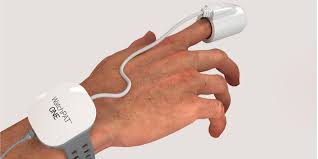
These devices are highly sensitive to the “micro-events” that do not cause snoring but do cause sleep fragmentation. If the data shows your oxygen is dipping or your heart rate is spiking while you are quietly sleeping, we have the evidence needed to build a treatment plan. You no longer have to wonder, do I have sleep apnea without snoring?, because the technology provides a definitive answer from the comfort of your own bedroom.
Expert Q&A
Q: My husband says I sleep like a baby and never make a sound, so why am I so exhausted that I have to nap every day at 3:00 PM?
“This is a classic presentation of silent sleep apnea or UARS. Just because you are not making noise does not mean you are breathing efficiently. Your body might be working twice as hard just to get a tiny amount of air through a narrow passage. That ‘marathon’ you are running every night is exactly why you are crashing in the afternoon. We need to look at your oxygen levels, not just your volume.”
Dr. Avinesh Bhar Board Certified Sleep Physician, Sliiip.com
Lifestyle Integration for Silent Apnea
If you suspect your quiet sleep is actually disordered, these steps can help manage your symptoms while you pursue a formal evaluation.
Track Your Morning Pulse: Use a wearable device to see if your resting heart rate is elevated in the morning, which can indicate nighttime cardiovascular stress.
Elevate Your Head: Using a wedge pillow can use gravity to help keep the airway open, even in non-snorers.
Hydration and Nasal Care: Ensure you are not congested, as nasal restriction forces mouth breathing, which makes airway collapse more likely during sleep.
Avoid Sedatives: Muscle relaxants or sleep medications can cause a quiet narrow airway to collapse into a fully blocked one, making silent apnea significantly worse.
Not sure whether your symptoms point to a breathing disorder? Take our sleep apnea quiz for a clinical starting point before your consultation.
Ready to Finally Sleep Better?
- 10,000+ consultations completed
- No referral required
- Available in all 50 states
- Most major insurance accepted
Frequently Asked Questions
Do I have sleep apnea without snoring if I wake up with a headache?
Morning headaches are a hallmark sign of sleep apnea in non-snorers. When your breathing is restricted, carbon dioxide builds up in your bloodstream, causing blood vessels in the brain to dilate. This leads to a dull, throbbing headache that usually fades within an hour of waking up and moving around.
Can you have sleep apnea if you are a quiet sleeper?
Yes: quiet sleepers can still have obstructive sleep apnea. In some people, the airway collapses so completely that no air can move to create the sound of a snore. This is often more concerning because there is no noise to alert the sleeper or their partner that something is wrong.
What is Upper Airway Resistance Syndrome (UARS)?
UARS is a condition where the airway does not fully close, but it becomes narrow enough that the effort to breathe wakes the brain up. It is very common in thin people and women. These patients rarely snore loudly, but they suffer from the same level of daytime exhaustion as those with severe apnea.
Is it possible to stop breathing in your sleep and not know it?
Almost everyone who has sleep apnea is unaware they are stopping breathing. The brain triggers a micro-arousal to restart the breath, but these arousals are so brief that you do not consciously remember them. You only feel the aftermath: extreme daytime fatigue and irritability.
Do I have sleep apnea without snoring if I wake up gasping?
Gasping or choking awake is a very strong indicator of sleep apnea, even in the absence of habitual snoring. It means your brain had to send a significant emergency signal to get you to take a breath. If this happens even once or twice a month, it warrants a professional sleep evaluation.
How does a home sleep test detect silent apnea?
Home sleep tests like WatchPAT or SleepImage do not just listen for noise: they measure your heart rate, oxygen levels, and body movements. By looking at your heart’s response to breathing patterns, the test can identify when your airway is struggling, regardless of whether you are making a sound.
Can anxiety be a symptom of sleep apnea without snoring?
Yes: when you stop breathing, your body releases cortisol and adrenaline to wake you up. If this happens dozens of times a night, your body remains in a high-stress state during the day. Many patients find their anxiety significantly improves once their underlying sleep-disordered breathing is properly addressed.
Why do some people with sleep apnea not snore?
Snoring requires enough air to move past tissue to cause vibration. If your muscles are very relaxed or your airway is structurally very narrow, the airway may simply shut like a valve. No air movement means no vibration and no sound, leading to a silent but significant breathing obstruction.
Are morning dry mouths a sign of non-snoring sleep apnea?
Waking up with an extremely dry mouth often means you are breathing through your mouth during the night. Mouth breathing is a common compensation for a narrow or restricted nasal airway. While it does not always confirm apnea on its own, it is a significant risk factor that should be discussed with a physician.
Can thin people have sleep apnea without snoring?
Thin individuals are actually more likely to have silent sleep apnea. Their apnea is often caused by a narrow jaw or high palate rather than excess neck tissue. Because they do not have extra soft tissue to vibrate, they often do not snore, making their condition harder to detect without a formal sleep study.
What are the long-term risks of silent sleep apnea?
Untreated silent sleep apnea carries the same risks as snoring-based apnea: high blood pressure, heart disease, type 2 diabetes, and stroke. Because it is often diagnosed much later, the cumulative cardiovascular strain can be significant. Treatment options including CPAP have been shown to reduce this strain when started early.
Do I need a doctor’s referral for a sleep test at Sliiip.com?
No: you do not need a referral to start your journey with us. We provide a comprehensive telemedicine consultation with board-certified physicians who can order a home sleep test directly to your door, helping you find answers without the typical hurdles of traditional clinics.
Latest posts
-
RingConn vs Oura: Which Smart Ring Tracks Sleep Better?
Last updated: September 10, 2026. Medically reviewed by Dr. Avinesh Bhar, Board-Certified Sleep Physician, SLIIIP.com. RingConn and Oura both track sleep through a finger-worn ring, but they differ most in…
-
Withings ScanWatch Sleep Tracking Accuracy: What It Can and Cannot Tell You
Last updated: September 10, 2026. Medically reviewed by Dr. Avinesh Bhar, Board-Certified Sleep Physician, SLIIIP.com. Withings ScanWatch is a hybrid analog watch that tracks sleep stages and can flag nighttime…
-
Are Cheap Fitness Trackers Accurate for Sleep?
September 10, 2026. Medically reviewed by Dr. Avinesh Bhar, Board-Certified Sleep Physician, SLIIIP.com. Cheap fitness trackers can be reasonably accurate at telling you when you fell asleep and woke up,…
Get updates
Spam-free subscription, we guarantee. This is just a friendly ping when new content is out.

