👉 Register for Free. How to Diagnose Sleep Apnea Faster in Primary Care – FREE Webinar by Dr. Audrey Wells. – Friday, April 24 at 12 PM ET

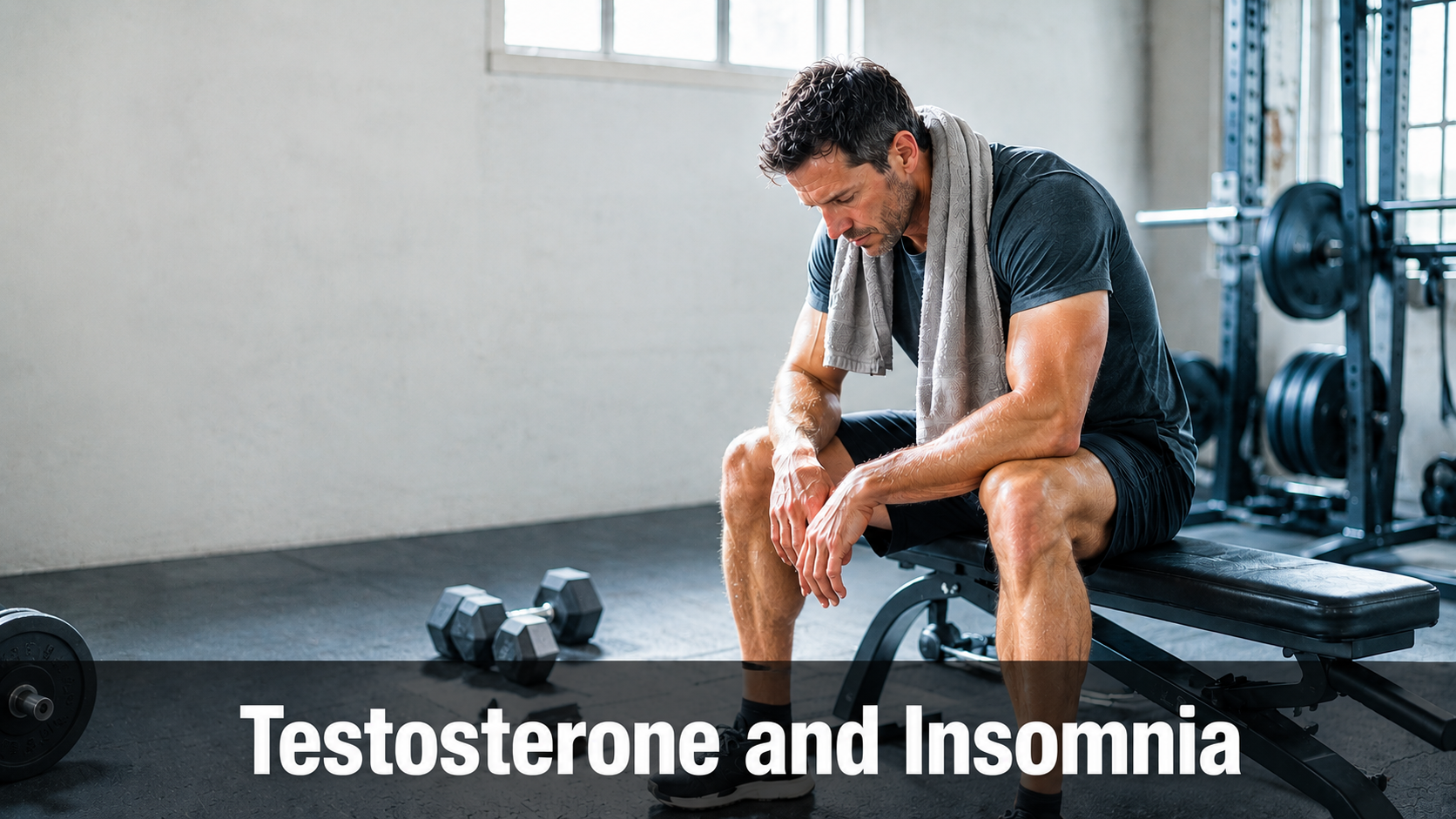
Testosterone and Insomnia: 3 Signs Sleep Loss Is Sabotaging Your Hormones
The link between testosterone and insomnia is real, and many people feel the effects of poor sleep on their hormones long before they connect the two, says Dr. Avinesh Bhar, Board-Certified Sleep Physician at SLIIIP.com. At SLIIIP.com you can sort out what is happening through virtual consultations in all 50 states, with home sleep tests shipped to your door and nationwide coverage that brings care to you wherever you live.
Your body does much of its hormone work while you sleep, so when insomnia cuts your rest short, hormones like testosterone can take a hit. Three common signs are low energy and drive, mood and motivation changes, and shifts in body composition.
SLIIIP’s board-certified sleep physicians can do sleep evaluations for sleep apnea. Virtual consultations in all 50 states. Home sleep tests shipped to your door.

How Sleep and Testosterone Are Connected
Sleep is not downtime for your body. It is when a lot of important work happens, including hormone production. Much of the body’s daily testosterone activity is tied to the sleep you get at night, especially deeper stages of sleep. When sleep is short or broken, that natural rhythm can fall out of balance.
This is where the connection between testosterone and insomnia comes in. Insomnia is more than a rough night here and there. It is trouble falling asleep, staying asleep, or waking too early, happening often enough to leave you tired and frustrated. When that pattern continues, your body has fewer chances to do its overnight hormone work.
Testosterone matters for more than one reason. It plays a role in energy, mood, muscle, and drive for people of all genders, though levels and effects differ from person to person. So when sleep suffers, the ripple effects can show up in everyday life. If you are not sure whether what you have is true insomnia, our guide on insomnia or something else can help you sort it out.
It can also run the other way. Hormone changes can make sleep harder, which then makes the hormone picture worse. You can read more about that loop in our article on hormonal insomnia.
CHECK YOUR SLEEP SYMPTOMS: TAKE THE 2 MINUTE QUIZ
TAKE THE QUIZ
Sign 1: Low Energy and Low Drive
The first sign that links testosterone and insomnia is a steady drop in energy and drive. If you feel drained no matter how your day goes, and your usual motivation or interest feels flat, poor sleep may be part of the story.
This can look like:
- Dragging through the afternoon even after coffee
- Needing naps that do not really help
- Lower interest in things you normally enjoy
- A dip in physical or intimate drive
Of course, low energy has many causes. But when it shows up alongside ongoing sleep trouble, the two are worth looking at together. Sleep loss and hormone shifts can feed each other, leaving you running on empty.
If tiredness is your main concern, these guides may help:
The connection to drive is also covered in our piece on how sleep affects libido.
Sign 2: Mood and Motivation Changes
The second sign is a shift in mood and motivation. Hormones and sleep both shape how you feel, so when both are off, it can show.
People dealing with the mix of testosterone and insomnia often notice they feel more irritable, foggy, or low than usual. Small things may bother you more. Focus may slip. The drive to start tasks may fade.
This does not mean something is wrong with you. It means your body may not be getting the rest it needs to keep mood and motivation steady. Sleep is a key support for emotional balance, and losing it makes everything feel harder.
If you have noticed a shorter fuse lately, our article on why am I so irritable lately walks through how sleep ties in. According to the Centers for Disease Control and Prevention, regular healthy sleep supports both physical and mental well being, which is part of why these changes are worth taking seriously.
Sign 3: Changes in Body Composition
The third sign involves your body itself. Ongoing sleep loss can make it harder to build or keep muscle and easier to gain weight, and hormone shifts may play a part in that.
When sleep is short, your body manages energy, hunger, and recovery differently. You may feel hungrier, crave heavier foods, and struggle to recover from workouts. Over time, that can show up as changes in how your body looks and feels.
This is one reason sleep, weight, and hormones are so tied together. Our guides explore that link in more detail:
If you are working on body goals and feel stuck, sleep may be the missing piece. Better rest gives your body more of what it needs to recover and balance itself.
Could a Sleep Disorder Be Behind It?
Sometimes insomnia is the whole problem. Other times, broken sleep is a symptom of something else, like a sleep breathing issue.
Dr. Avinesh Bhar points out that loud snoring, gasping at night, or waking up unrefreshed can be signs of sleep apnea, which disrupts deep sleep and may add to hormone and energy concerns. Sleep apnea does not mean you have low testosterone, and low testosterone does not mean you have sleep apnea. But because both can affect rest and how you feel, it helps to know what to watch for.
Signs worth noticing include:
- Loud, frequent snoring
- Waking up gasping or choking
- Morning headaches
- Daytime sleepiness despite enough hours in bed
- A partner noticing pauses in your breathing
If several sound familiar, learn the common sleep apnea symptoms and consider how a home sleep test works. The National Heart, Lung, and Blood Institute also shares general guidance on healthy sleep.
Simple Steps to Protect Sleep and Hormone Balance
You can support both your sleep and your hormone balance with steady, healthy habits. None of these are treatments. They are everyday choices that give your body a better chance to rest and recover.
Keep a Steady Sleep Schedule
Go to bed and wake up around the same time, even on weekends. A regular rhythm helps your body know when to wind down. Our ultimate sleep routine guide lays out how to build one.
Protect Your Deep Sleep
Deep sleep is closely tied to overnight hormone work. Keep your room cool, dark, and quiet, and limit screens before bed. For more, see how to get more deep sleep.
Watch Evening Habits
Limit caffeine later in the day and keep alcohol earlier in the evening, since both can break up your sleep. Finish big meals and intense workouts a few hours before bed.
Move Your Body During the Day
Regular activity supports both sleep and hormone health. The key is timing it earlier rather than right before bed.
Calm Your Mind Before Sleep
A busy mind keeps you awake. A short wind-down with low lights, reading, or slow breathing helps. Our guide on how to fall asleep fast covers simple steps.
Consider a Structured Approach to Insomnia
If insomnia keeps coming back, there are structured, non-medication options worth knowing about. Learn more in our overview of CBT-I for sleep disorders and how to fix insomnia naturally.
Watch: Sex and Sleep – SLIIIP.COM
When to Talk to a Sleep Physician
Try better habits first. If insomnia sticks around for weeks, or if low energy, mood changes, and body changes are stacking up, it is reasonable to get a professional opinion. The same is true if your sleep loss comes with snoring, gasping, or constant daytime tiredness.
A sleep evaluation can help you understand whether insomnia, a sleep breathing issue, or something else is affecting your rest and how you feel. With SLIIIP, you can start with a virtual consultation from home, and get a home sleep test shipped to your door if one is needed.
At Sliiip, we accept the following insurances:

SLIIIP’s board-certified sleep physicians can do sleep evaluations for sleep apnea. Virtual consultations in all 50 states. Home sleep tests shipped to your door.
FAQ: Testosterone and Insomnia
Can insomnia really affect testosterone?
Sleep is when your body does much of its hormone work. Ongoing insomnia gives your body fewer chances to do that work, which can affect hormones like testosterone.
How are testosterone and insomnia connected?
The connection runs both ways. Poor sleep can affect hormone balance, and hormone changes can make sleep harder, creating a loop.
What are the signs that sleep loss is affecting my hormones?
Common signs include low energy and drive, mood and motivation changes, and shifts in body composition. Many things can cause these, so they are best looked at together.
Does deep sleep matter for testosterone?
Yes. Much of the body’s overnight hormone activity is tied to deeper stages of sleep, so protecting deep sleep supports hormone balance.
Can poor sleep lower my energy and drive?
Yes. Short or broken sleep often leaves people feeling drained, less motivated, and lower in drive.
Does insomnia affect mood?
Sleep strongly supports emotional balance. When insomnia continues, many people feel more irritable, foggy, or low.
Can sleep loss change my body composition?
Ongoing sleep loss can affect hunger, energy use, and recovery, which may make it harder to build muscle or manage weight over time.
Is low testosterone the same as having insomnia?
No. They are separate things that can influence each other. Having one does not mean you have the other.
Could sleep apnea be involved?
Sometimes. Sleep apnea breaks up deep sleep and can add to fatigue and hormone concerns. Snoring, gasping, and daytime sleepiness are worth noting.
How much sleep do I need to support hormone balance?
Most adults do best with steady, sufficient nightly sleep. A regular schedule matters as much as the total hours.
Can fixing my sleep improve my energy?
Better sleep gives your body more chance to recover, which often helps energy and how you feel. Results vary from person to person.
Will exercise help my sleep and hormones?
Regular daytime activity supports both. Just avoid intense workouts right before bed, since they can keep you alert.
Does alcohol affect sleep and hormones?
Alcohol can break up your sleep, especially the deeper stages, so keeping it earlier in the evening may help.
Can stress make this worse?
Yes. Stress can fuel insomnia, and poor sleep can raise stress, which keeps the cycle going.
Is this only a concern for men?
No. Testosterone plays a role for people of all genders, and sleep supports hormone balance across the board, though levels and effects differ.
What is the difference between a bad week and insomnia?
Insomnia is trouble falling asleep, staying asleep, or waking too early that happens often and affects your day, not just one or two rough nights.
Are there non-medication options for insomnia?
Yes. Structured approaches like CBT-I focus on habits and thoughts around sleep. Our guides cover what these look like.
When should I see a sleep physician?
If insomnia lasts for weeks, or if low energy, mood changes, snoring, or daytime sleepiness pile up, a professional opinion is reasonable.
Can a virtual visit help with sleep and hormone concerns?
Yes. A sleep physician can review your symptoms and habits during a virtual visit and help decide whether testing is needed.
Does SLIIIP offer at home sleep testing?
Yes. SLIIIP offers virtual consultations in all 50 states and can ship a home sleep test to your door when one is appropriate.
Take the Next Step Toward Better Sleep
If insomnia is wearing you down and you are noticing changes in energy, mood, or your body, better sleep is a strong place to start. A sleep physician can help you find out what is going on.
SLIIIP’s board-certified sleep physicians can do sleep evaluations for sleep apnea. Virtual consultations in all 50 states. Home sleep tests shipped to your door.
Latest posts
-
Why Can’t I Wake Up Even After Getting Enough Sleep?
Last updated: October 2, 2026. Medically reviewed by Dr. Avinesh Bhar, Board-Certified Sleep Physician, SLIIIP.com. If you can’t wake up after enough sleep, the cause is usually not the number…
-
Why Does My Heart Rate Drop So Low While I Sleep?
Last updated: October 2, 2026. Medically reviewed by Dr. Avinesh Bhar, Board-Certified Sleep Physician, SLIIIP.com. Your heart rate drops low while sleeping mainly because your body needs less work from…
-
Why Are My Naps Never Refreshing?
Last updated: October 2, 2026. Medically reviewed by Dr. Avinesh Bhar, Board-Certified Sleep Physician, SLIIIP.com. Naps that leave you groggy usually come down to how long you sleep, when you…
Get updates
Spam-free subscription, we guarantee. This is just a friendly ping when new content is out.

