👉 Register for Free. How to Diagnose Sleep Apnea Faster in Primary Care – FREE Webinar by Dr. Audrey Wells. – Friday, April 24 at 12 PM ET

Does Sleep Affect Libido? The Connection Between Rest and Sexual Wellness
It is not exactly the kind of thing you bring up over coffee. You have been feeling less interested in intimacy lately, and you are not sure why. The desire just is not there the way it used to be. So the real question is, does sleep affect libido?
Dr. Avinesh Bhar, the Founder of SLIIIP, is also a sleep apnea sufferer. He has helped thousands of patients identify and address sleep issues that were affecting their daily lives, and he and his team of board-certified sleep medicine physicians can help you too. This guide breaks down everything you need to know about how sleep affects libido and what you can do to support both your rest and your intimate wellness.
How Sleep Influences Hormones That Drive Desire
Sexual desire does not exist in a vacuum. It is driven by a complex interplay of hormones, neurotransmitters, energy levels, and emotional wellbeing. Sleep plays a direct role in regulating many of these systems, and when sleep is disrupted, the downstream effects on sexual health can be significant.
Testosterone is one of the most important hormones involved in sexual drive for both men and women. While men produce it in larger quantities, women also rely on testosterone for arousal and desire. The body produces most of its testosterone during sleep, particularly during the deeper stages of rest. A study published in the Journal of the American Medical Association found that just one week of restricted sleep, limiting healthy young men to five hours per night, reduced testosterone levels by 10 to 15 percent.
If you have been experiencing ongoing fatigue that leaves you feeling drained before the day even begins, the connection between sleeping a full night yet still feeling tired and hormonal disruption is worth exploring.
What the Research Says About Sleep and Libido in Women
A landmark study conducted at the University of Michigan’s Sleep and Circadian Research Laboratory followed 171 women over 14 consecutive days, tracking both their sleep patterns and their sexual experiences. The results, published in the Journal of Sexual Medicine, found that each additional hour of sleep was associated with a 14 percent increase in the likelihood of engaging in sexual activity the following day. Women who slept longer also reported higher levels of genital arousal, independent of how tired or stressed they felt during the day.
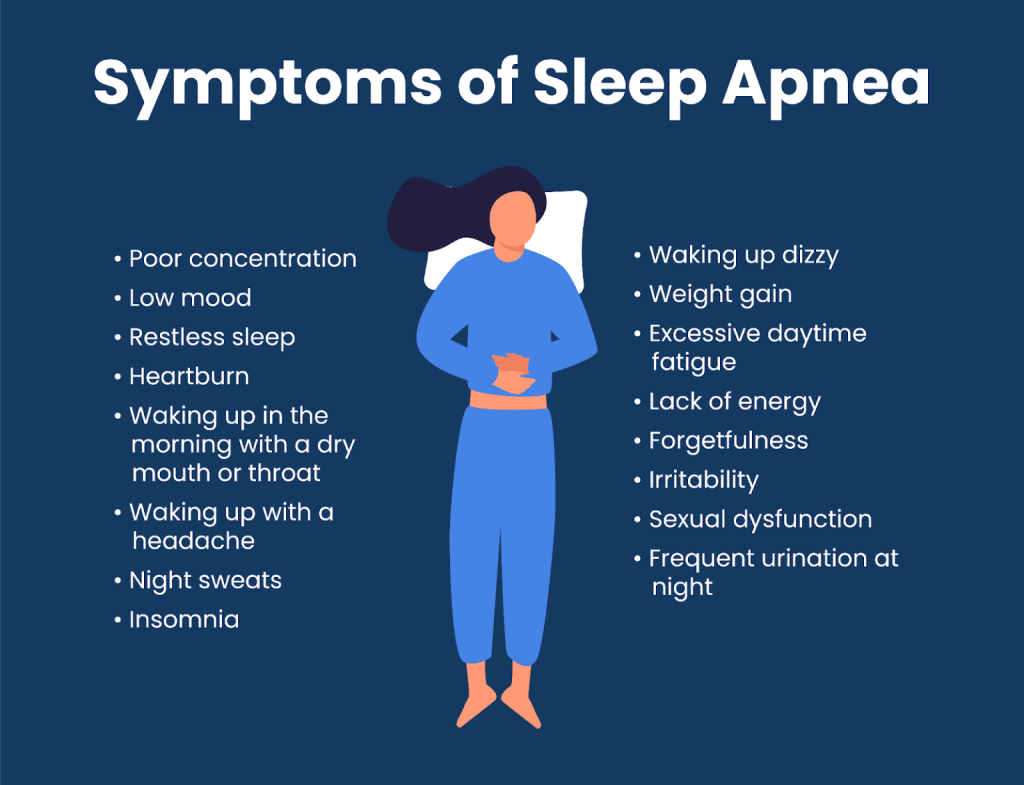
For women navigating hormonal transitions, including perimenopause and menopause, sleep disruptions are already common. When those disruptions compound with natural hormonal changes, the effect on libido can be especially noticeable. Understanding the signs of sleep apnea is particularly relevant here, as women are often underdiagnosed for this condition, and it may be contributing to both their sleep difficulties and their changes in desire.
How Poor Sleep Affects Sexual Function in Men
When sleep is consistently poor, the following risks increase:
☐ Lower testosterone levels
- Men sleeping 4 hours or less may have ~50% lower testosterone than those sleeping 8+ hours
☐ Impaired blood flow
- Poor sleep affects circulation, which is essential for erectile function
☐ Higher risk of erectile difficulties
- Chronic sleep deprivation is linked to reduced erectile quality
☐ Obstructive Sleep Apnea (OSA) & Erectile Dysfunction
- ~64% of men with OSA experience erectile dysfunction
- Risk rises to ~73% in severe OSA cases
☐ Reduced oxygen during sleep
- Repeated drops in oxygen can damage blood vessels
- Decreases nitric oxide, a key molecule for healthy erections
☐ Low libido linked to mood changes
- ~23% of men with newly diagnosed OSA report low sexual desire
- Strongly associated with depressed mood and fatigue, not just hormones
☐ Emotional exhaustion
- Chronic sleep disruption leads to irritability, low motivation, and emotional flatness
- Desire often declines even without a clear hormonal deficiency
SLIIIP has explored the broader relationship between sleep apnea and cardiovascular health, and many of the same vascular mechanisms that affect the heart also play a role in sexual function.
Book a Sleep Evaluation With Our Board-Certified Sleep Doctors
SLIIIP’s team of board-certified sleep medicine physicians is licensed in 40 states and ready to help. No referral needed. No long waits. Consultations happen from the comfort of your home via telemedicine.
We can help with: Sleep Apnea Evaluation and Diagnosis, Home Sleep Testing, CPAP Therapy and Management, Oral Appliance Therapy, Snoring, Chronic Fatigue and Daytime Sleepiness, Sleep-Related Breathing Disorders, Ongoing Remote Monitoring.
We accept Medicare, Tricare, and most major insurance plans. Book your appointment today.
Sleep Apnea and Sexual Wellness: A Hidden Connection
Sleep apnea deserves special attention in any conversation about sleep and libido, because it creates a perfect storm of factors that work against sexual health. Repeated breathing pauses throughout the night cause blood oxygen levels to drop, trigger stress hormone surges, fragment sleep architecture, and prevent the body from reaching the deep, restorative stages where testosterone production peaks.
Check your partner or ask them if you have these sounds of snoring. It could be sleep apnea and a simple home sleep test that is covered by Medicare and insurance can verify this.
Studies have found that up to 70 percent of men with suspected sleep apnea had sexual performance concerns, and that women with untreated sleep apnea also experience increased rates of sexual dissatisfaction. The connection goes beyond hormones.
Sleep apnea-related fatigue erodes energy, mood, and emotional availability, all of which are foundational to a healthy intimate life. Relationships can suffer when one or both partners are chronically exhausted, irritable, or emotionally withdrawn.
The encouraging news is that research consistently shows that managing sleep apnea can improve sexual function. One study at the Walter Reed National Military Medical Center found that men who began CPAP therapy experienced significant improvements in both erectile function and overall sexual satisfaction. Women who used CPAP consistently also reported increases in desire, arousal, and satisfaction. If you suspect sleep apnea might be playing a role, SLIIIP’s sleep apnea quiz can help you assess whether further evaluation is warranted.
The Relationship Factor: How Sleep Affects Intimacy Between Partners
The impact of poor sleep on libido extends beyond individual biology. When one partner snores heavily, wakes frequently, or tosses and turns throughout the night, it disrupts the sleep of both people in the bed. Over time, this creates a cycle of mutual exhaustion, frustration, and emotional distance. The concept of sleep divorce, where partners choose to sleep in separate rooms, has become increasingly common, and while it may protect individual sleep quality, it can also create physical and emotional distance that affects intimacy.
Practical Steps to Support Both Sleep and Libido
Improving your sleep and supporting your sexual wellness often involves the same foundational habits. Maintaining a consistent sleep schedule, even on weekends, helps regulate the hormonal rhythms that drive both rest and desire. Reducing alcohol consumption, particularly in the hours before bed, can improve sleep quality and reduce snoring while also supporting testosterone production. SLIIIP has a comprehensive guide to building a healthy sleep routine that covers these habits in detail.
Regular physical activity has been shown to improve both sleep quality and sexual function, though it is best to avoid intense exercise close to bedtime. Managing stress through relaxation techniques, mindfulness, or simply creating space for downtime in your day can lower cortisol levels and create a foundation for both better rest and greater desire. If you are concerned about the connection between weight and sleep apnea, addressing body composition through sustainable lifestyle changes can improve both conditions simultaneously.
Most importantly, if you suspect that a sleep condition like sleep apnea or chronic snoring is playing a role, getting evaluated is the single most impactful step you can take. A home sleep test can provide meaningful data about what is happening while you sleep, and the results can guide the right approach for your situation.
When to Talk to a Sleep Specialist?
If you are experiencing low desire alongside symptoms like loud snoring, gasping during sleep, morning headaches, excessive daytime sleepiness, or waking up feeling unrefreshed, it is worth having a conversation with a sleep specialist. These symptoms may point to an underlying sleep condition that is directly affecting your hormonal balance, energy levels, and sexual wellness.

You do not need to navigate this on your own. SLIIIP’s team of board-certified sleep doctors can evaluate your symptoms, order a home sleep test if appropriate, and help you build a plan that addresses the root cause rather than just the symptoms. Whether the right approach involves CPAP therapy, an oral appliance, lifestyle adjustments, or a combination, getting clarity on what is happening during your sleep is the first step toward reclaiming both your rest and your
intimate life.
Concerned About How Sleep Is Affecting Your Wellness?
SLIIIP’s board-certified sleep medicine physicians are licensed in 40 states and can help you identify whether a sleep condition is behind your symptoms. Get evaluated from home with no referral required.
We can help with: Sleep Apnea Evaluation and Diagnosis, Home Sleep Testing, CPAP Therapy and Management, Oral Appliance Therapy, Snoring, Chronic Fatigue and Daytime Sleepiness, Sleep-Related Hormonal and Cardiovascular Concerns, Ongoing Remote Monitoring.
We accept Medicare, Tricare, and most major insurance plans. Schedule your evaluation now.
Frequently Asked Questions
Does lack of sleep reduce libido?
Yes. Research consistently shows that insufficient sleep lowers testosterone levels in both men and women, increases cortisol, and reduces the energy and emotional availability needed for sexual desire. Even one week of restricted sleep can cause measurable hormonal changes that affect drive.
Can sleep apnea cause low sex drive?
Sleep apnea is strongly associated with reduced libido. Studies show that approximately 23 percent of men with untreated obstructive sleep apnea report low sexual desire, and women with untreated sleep apnea also experience increased rates of sexual dissatisfaction.
How does sleep affect testosterone levels?
The body produces the majority of its testosterone during deep sleep. When sleep is shortened or fragmented, testosterone production drops. One study found that limiting sleep to five hours per night for one week reduced testosterone by 10 to 15 percent in healthy young men.
Can treating sleep apnea improve sexual function?
Multiple studies have found that CPAP therapy and other sleep apnea management approaches can improve erectile function, increase desire, and enhance overall sexual satisfaction in both men and women.
Does sleeping more increase libido in women?
A study from the University of Michigan found that each additional hour of sleep was associated with a 14 percent increase in the likelihood of women engaging in sexual activity the following day, along with improved genital arousal.
Is there a link between sleep apnea and erectile dysfunction?
Yes. Research indicates that 40 to 73 percent of men with obstructive sleep apnea also experience erectile dysfunction. The connection is believed to involve reduced oxygen levels, impaired blood flow, and hormonal disruption caused by repeated breathing pauses during sleep.
How many hours of sleep do you need for a healthy libido?
Most adults need 7 to 9 hours of quality sleep per night to support healthy hormone production and sexual function. Sleep quality matters as much as quantity, meaning uninterrupted, restorative sleep is key.
Can stress from poor sleep lower sex drive?
Absolutely. Poor sleep elevates cortisol levels, which interfere with testosterone production and put the body in a chronic stress state. Stress, fatigue, and irritability from sleep deprivation are all associated with reduced sexual desire.
Does snoring affect your partner’s libido?
Heavy snoring can disrupt both partners’ sleep, leading to mutual exhaustion, frustration, and emotional distance. Over time, this can reduce intimacy and desire for both people in the relationship.
Can CPAP therapy help with erectile dysfunction?
Research from Walter Reed National Military Medical Center and other institutions has found that consistent CPAP use can significantly improve erectile function in men with sleep apnea. Some studies report up to 40 percent of men returning to normal sexual function after beginning CPAP.
Does menopause make the sleep and libido connection worse?
Menopause brings hormonal changes that can independently affect both sleep quality and sexual desire. When sleep disruptions from conditions like sleep apnea are added on top of these changes, the combined effect on libido can be more pronounced.
Can oral appliances for sleep apnea also improve sexual wellness?
Studies suggest that oral appliances that address sleep apnea by keeping the airway open can reduce the fatigue, hormonal disruption, and oxygen drops that contribute to sexual dysfunction, offering similar benefits to CPAP for eligible patients.
Does alcohol affect both sleep and libido?
Yes. While alcohol may initially feel relaxing, it disrupts sleep architecture, worsens snoring and sleep apnea, and interferes with testosterone production. Reducing alcohol intake, especially before bed, can support both sleep quality and sexual health.
How does sleep deprivation affect dopamine and sexual desire?
Sleep deprivation impairs the function of dopamine receptors, which play a critical role in motivation, pleasure, and sexual desire. When these receptors are not working optimally, the brain’s reward pathways are less responsive, reducing both the drive and satisfaction associated with intimacy.
Can losing weight improve both sleep apnea and libido?
Weight management can significantly improve sleep apnea severity by reducing pressure on the airway. At the same time, maintaining a healthy weight supports testosterone production and cardiovascular function, both of which are important for sexual health.
Is low libido always caused by poor sleep?
No. Low libido can have many causes, including hormonal conditions, medications, relationship dynamics, mental health, and chronic illness. However, sleep quality is an often-overlooked contributor that is worth investigating, especially if other symptoms of poor sleep are present.
Can a home sleep test help identify why my libido is low?
A home sleep test can determine whether you have sleep apnea, which is a known contributor to reduced libido and sexual dysfunction. Identifying and addressing a sleep condition can be the first step toward improving both your rest and your intimate wellness.
Does sleep position affect testosterone production?
Sleep position does not directly affect testosterone production, but sleeping on your back can worsen obstructive sleep apnea by allowing the tongue and soft tissues to collapse into the airway. Worse sleep apnea means more fragmented sleep and lower testosterone output.
How quickly can improving sleep affect libido?
Some people notice improvements in energy and desire within a few weeks of improving their sleep quality. However, recovering from chronic sleep deprivation takes time. Establishing a consistent pattern of quality sleep over weeks to months is more effective than a few isolated nights of long rest.
Should I talk to a sleep doctor about my sex drive?
If you are experiencing low desire alongside symptoms like snoring, daytime fatigue, morning headaches, or gasping during sleep, a sleep evaluation is a worthwhile step. A board-certified sleep specialist can determine whether an underlying sleep condition is contributing to your symptoms and recommend the appropriate approach.
Latest posts
-
Why Are My Naps Never Refreshing?
Last updated: October 2, 2026. Medically reviewed by Dr. Avinesh Bhar, Board-Certified Sleep Physician, SLIIIP.com. Naps that leave you groggy usually come down to how long you sleep, when you…
-
Is Sleeping Too Much a Sleep Disorder?
Last updated: October 2, 2026. Medically reviewed by Dr. Avinesh Bhar, Board-Certified Sleep Physician, SLIIIP.com. Sleeping too much is not always a sleep disorder, but it can be a sign…
-
Why Does My Insomnia Get Worse After Stopping Sleep Medication?
Last updated: October 2, 2026. Medically reviewed by Dr. Avinesh Bhar, Board-Certified Sleep Physician, SLIIIP.com. Insomnia can get worse after stopping sleep medication for three main reasons. They are rebound…
Get updates
Spam-free subscription, we guarantee. This is just a friendly ping when new content is out.

