👉 Register for Free. How to Diagnose Sleep Apnea Faster in Primary Care – FREE Webinar by Dr. Audrey Wells. – Friday, April 24 at 12 PM ET

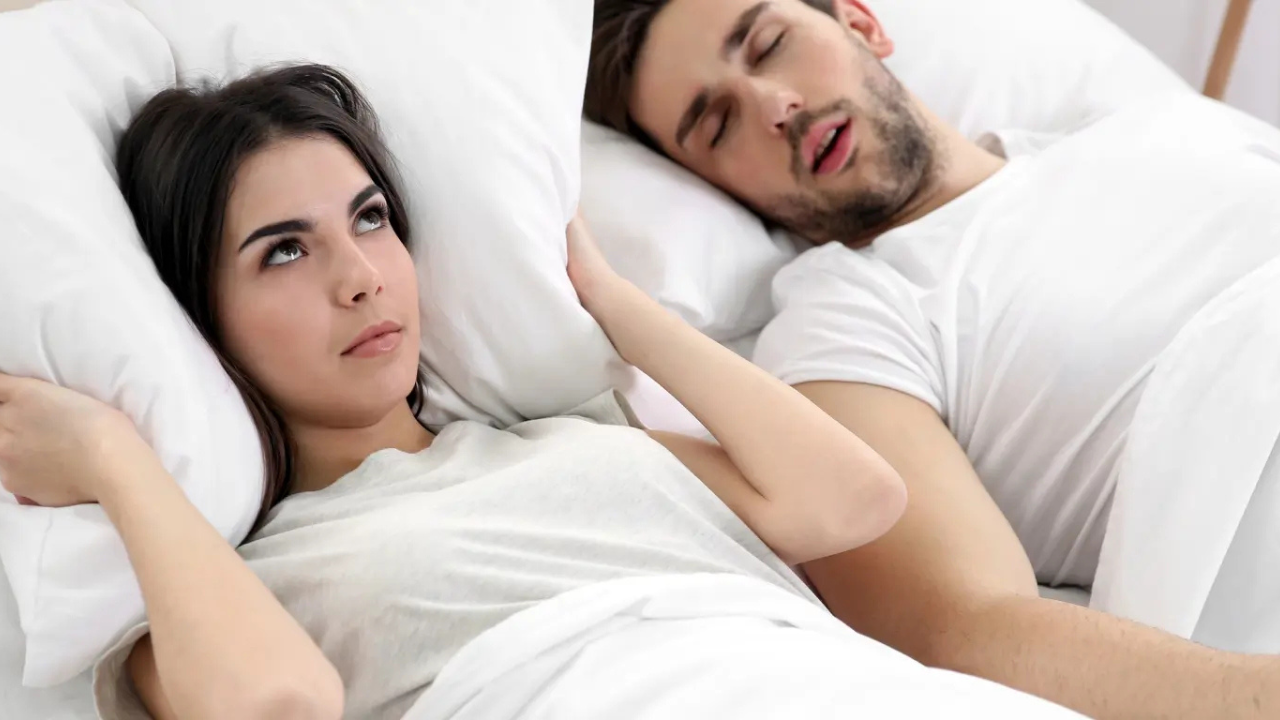
Sleep Divorce: How Couples Can Resolve Bedroom Conflicts for Better Rest
Sleep is one of the most important parts of a healthy life, yet many couples struggle to get a good night’s sleep when sharing the same bed. Differences in sleep habits, schedules, or health issues can lead to restless nights, leaving both partners sleep-deprived and affecting their overall well-being.
The term sleep divorce may sound extreme, but it often simply means that couples decide to sleep separately to improve sleep health. Choosing separate bedrooms or beds can help both partners get the rest they need while maintaining intimacy and happiness in the relationship.
A sleep medicine specialist notes that sleeping apart is becoming more common. Surveys show that many Americans opt for sleeping in separate rooms, and for good reason. Disruptions like loud snoring, obstructive sleep apnea, or differing sleep schedules can make sharing a bed difficult.
At SLIIIP.COM, we help couples and individuals improve their sleep through expert sleep assessments and personalized treatment plans. Whether you are dealing with snoring, sleep disorders, or difficulty getting a good night’s sleep, our team of sleep medicine specialists is here to help. Book an appointment with a sleep doctor to start your journey toward better sleep and improved well-being.
What is a Sleep Divorce?
A sleep divorce occurs when one or both partners in a relationship decide to sleep in separate bedrooms or beds. The goal is not to end the relationship but to improve sleep quality and overall well-being. Many couples find that sleeping apart reduces nighttime disturbances and allows each person to create the ideal sleep environment.
For example, one partner might need a cooler room, while the other prefers a warmer temperature. Some may have conditions such as obstructive sleep apnea or other sleep disorders that make sharing a bed challenging. Experts from the American Academy of Sleep emphasize that prioritizing sleep hygiene and creating a space conducive to rest are essential for both mental and physical health.
Sleep Settlement vs. Sleep Divorce
Not all nighttime separation is the same. It is important to distinguish between a sleep settlement and a sleep divorce. A sleep settlement occurs when couples consciously decide to sleep separately to honor each other’s preferences for room temperature, bedtime routines, or sleep schedules. It can also involve issues like child care, pet care, or differences in mattress or bedding preferences.
On the other hand, a sleep divorce may arise from unresolved issues, chronic poor sleep, or dissatisfaction in the relationship. This situation may include ongoing problems like loud snoring, untreated sleep disorders, or a general inability to sleep well.
Why Couples Choose to Sleep Separately
There are many reasons why couples may decide to sleep in separate bedrooms. Health concerns like obstructive sleep apnea, loud snoring, or active sleeping can significantly disturb a bed partner’s good night’s rest. Differences in bedtime schedules can also play a role, with one partner staying up late reading or watching TV while the other needs to fall asleep earlier.
Personal comfort factors such as mattress firmness, bedding preferences, and room temperature can influence sleep quality as well. Sometimes, sleep deprivation is caused by underlying sleep disorders or habits like tossing and turning, which disturb the other person’s sleep. Couples who separate for sleep often report feeling more rested and experiencing better mental health, improved focus during the day, and a stronger sense of well-being.
Sometimes the secret to a happy marriage is a sleep divorce — just ask these celebrity couples.


The Benefits of Sleeping Apart
Sleeping apart can greatly improve couples’ sleep by allowing each partner to get enough sleep without disruptions. When one partner snores or has a different sleep schedule, sharing a bed can lead to difficulty concentrating, irritability, and poor overall health.
Separating at night can help prevent chronic health problems such as heart disease caused by long-term sleep deprivation. A sleep doctor often recommends sleeping apart for couples experiencing ongoing sleep disturbances, as it allows both partners to rest fully while maintaining intimacy during the day.
Practical Tips for Couples Considering Separate Bedrooms
Couples who choose to sleep separately can take practical steps to ensure both partners benefit. Creating a comfortable sleeping environment in each room is key. This includes the right mattress, bedding, and room temperature that suits each partner’s needs. Good sleep hygiene habits, like limiting screen time before bed and reducing light or noise, are also essential.
Communication is critical. Couples should openly discuss their preferences, challenges, and boundaries to ensure that both partners feel heard and respected. Maintaining shared routines, such as morning conversations, weekend breakfast together, or intimacy time, helps preserve closeness.
How to Make Sleeping Apart Work
For couples choosing to sleep in separate bedrooms, planning and communication are key. Each partner should have their own space that meets their comfort and sleep needs. Scheduling times for shared activities, like talking before bed or cuddling in the guest room, helps maintain intimacy.
It is also important to recognize that not everyone is comfortable with this arrangement immediately. Couples should approach sleeping apart as a trial to see how it affects their well-being and relationship. Many couples report feeling more connected during waking hours because they are better rested and less irritable at night.
Why Some Couples Struggle to Sleep Together
Many married couples find that sleeping in the same room does not always lead to healthy sleep. One partner may be a light sleeper, while the other is an active sleeper, moving frequently or making noise. These differences can cause a poor night’s sleep, leaving both partners tired and irritable the next day.
A survey found that about one-third of couples opt for a sleep arrangement where they use two beds or different rooms to improve rest. This approach allows each partner to maintain personal space, ensuring both get the sleep they need without compromising intimacy or connection.
Solutions for Better Sleep
Sleep medicine health care experts and resources from the Academy of Sleep Medicine recommend several strategies to help couples improve healthy sleep:
- Separate beds or rooms: Married couples who struggle with nighttime disturbances can try separate beds or different rooms. This arrangement often reduces conflicts and promotes better sleep for both partners.
- Create personal space: Ensuring that each partner has personal space can minimize disruptions caused by light sleepers or active sleepers.
- Optimize sleep hygiene: Following guidance from sleep medicine AASM helps couples maintain consistent bedtime routines and manage sleep disorders.
- Use alternative sleeping areas: Sometimes, a couch or a guest room can be used temporarily for partners who need uninterrupted rest. Half of happy couples report that using a separate space at night helps them achieve a good night’s sleep.
- Identify common symptoms: Recognizing signs like frequent waking, difficulty falling asleep, or daytime fatigue helps couples decide if adjustments like two beds or different rooms are necessary.
- Promotes excellence in daytime performance: When both partners are well-rested, it improves mood, concentration, and overall productivity, which research shows contributes to happy couples and stronger relationships.
Making the Transition Smooth
Transitioning to separate beds or different rooms may feel unusual at first, but it can significantly improve healthy sleep for both partners. Communication is key. Discussing sleep needs openly helps maintain intimacy while ensuring each person can rest without interruptions. A husband or wife should feel comfortable voicing concerns, knowing that prioritizing sleep does not threaten the relationship.
Couples who implement these changes often notice improvements in energy, better sleep, and overall well-being. Following sleep medicine health care guidelines and recommendations from the Academy of Sleep Medicine can provide structure and support during this transition.
Latest posts
-
Why Can’t I Wake Up Even After Getting Enough Sleep?
Last updated: October 2, 2026. Medically reviewed by Dr. Avinesh Bhar, Board-Certified Sleep Physician, SLIIIP.com. If you can’t wake up after enough sleep, the cause is usually not the number…
-
Why Does My Heart Rate Drop So Low While I Sleep?
Last updated: October 2, 2026. Medically reviewed by Dr. Avinesh Bhar, Board-Certified Sleep Physician, SLIIIP.com. Your heart rate drops low while sleeping mainly because your body needs less work from…
-
Why Are My Naps Never Refreshing?
Last updated: October 2, 2026. Medically reviewed by Dr. Avinesh Bhar, Board-Certified Sleep Physician, SLIIIP.com. Naps that leave you groggy usually come down to how long you sleep, when you…
Get updates
Spam-free subscription, we guarantee. This is just a friendly ping when new content is out.

