👉 Register for Free. How to Diagnose Sleep Apnea Faster in Primary Care – FREE Webinar by Dr. Audrey Wells. – Friday, April 24 at 12 PM ET


Core Sleep vs Deep Sleep: Understanding the Key Differences*)
If you have ever checked your sleep data on an Apple Watch or fitness tracker, you may have noticed terms like “core sleep” and “deep sleep” appearing in your nightly reports. These labels can seem confusing at first, especially when you are trying to figure out whether your rest was truly restorative. The truth is that core sleep and deep sleep serve different purposes in your overall sleep architecture, and understanding how they work together can help you make sense of your nightly patterns and support your general wellness.
Many people assume that more deep sleep automatically means better rest, but the relationship between sleep stages is more nuanced than that. Your body cycles through multiple phases each night, and each phase plays a unique role in helping you feel refreshed the next morning. In this guide, we will break down what core sleep and deep sleep actually mean, how they differ, and what you can do to support healthy sleep habits.
What is Core Sleep?
Core sleep refers to the foundational stages of rest that your body needs to maintain basic cognitive and physical functioning. When sleep researchers and wellness experts discuss core sleep, they typically mean the essential portion of your nightly rest that includes both lighter sleep stages and the deeper, more restorative phases.
On the Apple Watch and similar devices, core sleep specifically describes the combination of NREM stage 1 and NREM stage 2 sleep. These are the lighter stages of non-rapid eye movement sleep that occur as you transition from wakefulness into deeper rest. While they may be considered “light” sleep, these stages are far from unimportant. During core sleep, your heart rate begins to slow, your body temperature drops slightly, and your brain starts processing information from the day.
For most adults, core sleep accounts for roughly 50 percent of total sleep time. If you sleep for eight hours, you might spend approximately four hours in these lighter stages. This does not mean you are sleeping poorly. Rather, it means your body is progressing naturally through the sleep cycle before entering deeper stages.
What is Deep Sleep?
Deep sleep, also known as slow-wave sleep or NREM stage 3, is the most physically restorative phase of the sleep cycle. During this stage, your brain produces slow delta waves, your breathing becomes steady and rhythmic, and your body enters a state of profound relaxation. It can be quite difficult to wake someone during deep sleep because the brain is largely disconnected from external stimuli.
This stage is when your body focuses on physical recovery. Tissues are repaired, muscles may recover from daily activity, and growth hormones are released to support cellular regeneration. Deep sleep also plays a role in supporting immune function, which is why people who consistently lack adequate rest may find themselves more susceptible to seasonal challenges.
Most adults need between 1.5 and 2 hours of deep sleep per night, which typically represents about 20 to 25 percent of total sleep time. Deep sleep tends to occur more frequently during the first half of the night, which is one reason why going to bed at a consistent time can be beneficial for overall rest quality.
Key Differences Between Core Sleep and Deep Sleep
Understanding the distinction between core sleep and deep sleep becomes clearer when you consider their different functions and characteristics.
Core sleep encompasses the lighter stages of rest that help your body transition from wakefulness to deeper sleep. It includes both NREM stage 1 and NREM stage 2, during which your brain activity begins to slow and your body prepares for more restorative phases. Deep sleep, by contrast, is a specific stage within the broader sleep cycle characterized by slow brain waves and profound physical relaxation.
Another key difference lies in what each stage accomplishes. Core sleep supports cognitive processing and helps consolidate certain types of memories, particularly those related to motor skills and procedural learning. Deep sleep focuses more heavily on physical restoration, tissue repair, and immune support. Both are necessary for feeling rested and alert the following day.
The timing of these stages also differs throughout the night. Core sleep stages occur repeatedly as part of each 90-minute sleep cycle, while deep sleep is more concentrated in the earlier cycles. As the night progresses, you naturally spend more time in REM sleep and less time in deep sleep, which is why disrupted sleep during the first few hours can feel particularly impactful.
What Does Core Sleep Mean on Apple Watch?
Apple Watch users often notice that their sleep data shows separate categories for core sleep, deep sleep, and REM sleep. The terminology can be confusing because Apple uses “core sleep” differently than some scientific literature.
On the Apple Watch, core sleep refers specifically to the lighter stages of NREM sleep, which are stages N1 and N2. Apple chose the term “core” rather than “light” sleep to avoid giving users the impression that these stages are unimportant. In reality, spending adequate time in these lighter stages is essential for completing healthy sleep cycles.
When reviewing your Apple Watch sleep data, you might see that core sleep accounts for the largest portion of your total rest. This is completely normal. A typical breakdown might show 50 percent core sleep, 20 to 25 percent deep sleep, and 20 to 25 percent REM sleep. If your numbers fall within these general ranges and you wake up feeling refreshed, your sleep architecture is likely functioning well.
Keep in mind that wearable devices provide estimates based on movement, heart rate, and other signals. They cannot measure brain waves directly like clinical sleep studies do, so the data should be viewed as a helpful guide rather than a precise medical measurement.
How Much Core Sleep and Deep Sleep Do You Need?
The amount of sleep each person needs varies based on age, lifestyle, and individual factors. However, general guidelines can help you understand whether your sleep patterns fall within healthy ranges.
Most adults benefit from 7 to 9 hours of total sleep per night. Within that time, approximately 1.5 to 2 hours should consist of deep sleep, while 1.5 to 2 hours typically occurs as REM sleep. The remaining time is spent in lighter core sleep stages, which serve as bridges between the more restorative phases.
Children and teenagers generally need more total sleep and may spend a higher percentage of that time in deep sleep due to growth and development requirements. As people age, the amount of deep sleep naturally decreases, which is one reason why older adults sometimes report feeling less refreshed despite spending adequate time in bed.
If your sleep tracking device consistently shows very low deep sleep percentages and you wake up feeling unrested, it may be worth examining factors that could be affecting your sleep quality. Stress, irregular schedules, caffeine consumption, and environmental factors can all influence how much time you spend in deeper sleep stages.
Tips to Support Healthy Sleep Stages
While you cannot directly control which sleep stage your brain enters at any given moment, you can create conditions that support healthy progression through all stages of the sleep cycle.
Maintaining a consistent sleep schedule helps regulate your body’s internal clock, making it easier to fall asleep and progress through sleep stages efficiently. Going to bed and waking up at roughly the same time each day, including weekends, can support more predictable sleep patterns.
Creating a restful sleep environment also makes a difference. A cool, dark, and quiet bedroom promotes uninterrupted sleep, which allows your body to complete full sleep cycles without disruption. Consider using blackout curtains, maintaining a comfortable room temperature around 65 to 68 degrees Fahrenheit, and minimizing noise disturbances.
Limiting caffeine and alcohol in the hours before bed can help as well. While caffeine can make it harder to fall asleep initially, alcohol can disrupt the deeper stages of sleep even if it seems to help you drift off faster. Both substances can fragment your sleep architecture and reduce the restorative benefits of your rest.
Establishing a calming pre-sleep routine signals to your body that it is time to wind down. Activities like reading, gentle stretching, or practicing relaxation techniques can help transition your mind and body into a state more conducive to restful sleep. Avoiding screens for at least an hour before bed may also support better sleep quality, as the blue light emitted by devices can interfere with natural melatonin production.
When to Seek Professional Guidance
If you consistently feel tired despite spending adequate time in bed, or if your sleep tracker shows unusual patterns over an extended period, it may be helpful to speak with a sleep specialist. Conditions like sleep apnea can disrupt normal sleep architecture and prevent you from reaching the deeper, more restorative stages of sleep.
A professional sleep assessment can provide more detailed information about your sleep patterns than consumer wearables. Sleep specialists can identify specific issues affecting your rest and recommend personalized approaches to support better sleep quality.
According to the Centers for Disease Control and Prevention, inadequate sleep is associated with various wellness concerns, making it worth addressing persistent sleep difficulties rather than simply accepting them as normal.
Frequently Asked Questions
What is the difference between core sleep and deep sleep?
Core sleep refers to the lighter stages of NREM sleep (stages N1 and N2), while deep sleep is specifically NREM stage 3, characterized by slow brain waves and profound physical restoration.
Is core sleep the same as light sleep?
Yes, on Apple Watch and similar devices, core sleep describes the lighter stages of sleep. Apple chose the term “core” to emphasize that these stages are essential for healthy sleep cycles.
How much deep sleep do adults need?
Most adults need approximately 1.5 to 2 hours of deep sleep per night, which represents about 20 to 25 percent of total sleep time.
Why does my Apple Watch show more core sleep than deep sleep?
This is normal. Core sleep typically accounts for about 50 percent of total sleep time, while deep sleep represents a smaller but important portion of your nightly rest.
Is core sleep or deep sleep more important?
Both are essential. Core sleep supports cognitive processing and helps transition between sleep stages, while deep sleep focuses on physical restoration and immune support.
Can I increase my deep sleep?
Maintaining a consistent sleep schedule, creating a cool dark sleep environment, limiting caffeine and alcohol, and managing stress may help support deeper sleep stages.
What happens if I do not get enough deep sleep?
Insufficient deep sleep may result in feeling physically unrested, reduced immune support, and difficulty with concentration and memory during waking hours.
Does age affect deep sleep?
Yes, the amount of deep sleep naturally decreases as people age. Older adults typically spend less time in deep sleep compared to younger individuals.
What is core sleep on Apple Watch?
On Apple Watch, core sleep specifically refers to the lighter NREM sleep stages (N1 and N2) that make up the majority of your total sleep time.
Is it bad if my deep sleep is low?
Consistently low deep sleep percentages combined with daytime fatigue may indicate that something is affecting your sleep quality and could warrant further evaluation.
How does REM sleep differ from core and deep sleep?
REM sleep is characterized by rapid eye movements, increased brain activity, and vivid dreaming. It supports cognitive function and emotional processing, while deep sleep focuses on physical restoration.
Can sleep trackers accurately measure deep sleep?
Consumer sleep trackers provide estimates based on movement and heart rate. While helpful for general trends, they are not as precise as clinical polysomnography studies.
Why do I wake up tired even after sleeping 8 hours?
You may not be getting adequate time in restorative sleep stages, or your sleep may be fragmented by factors like stress, sleep apnea, or environmental disturbances.
Does exercise affect deep sleep?
Regular physical activity may support deeper sleep, though exercising too close to bedtime can make it harder to fall asleep initially.
What time should I go to bed to maximize deep sleep?
Deep sleep occurs primarily in the first half of the night, so going to bed early enough to allow for complete sleep cycles can support adequate deep sleep.
Can stress reduce deep sleep?
Yes, elevated stress levels can affect sleep quality and may reduce the amount of time spent in deeper, more restorative sleep stages.
Is 30 minutes of deep sleep enough?
Most adults benefit from 1.5 to 2 hours of deep sleep. Consistently getting only 30 minutes may indicate disrupted sleep architecture worth investigating.
What is slow-wave sleep?
Slow-wave sleep is another name for deep sleep or NREM stage 3, referring to the slow delta brain waves that characterize this highly restorative phase.
How can I track my sleep stages?
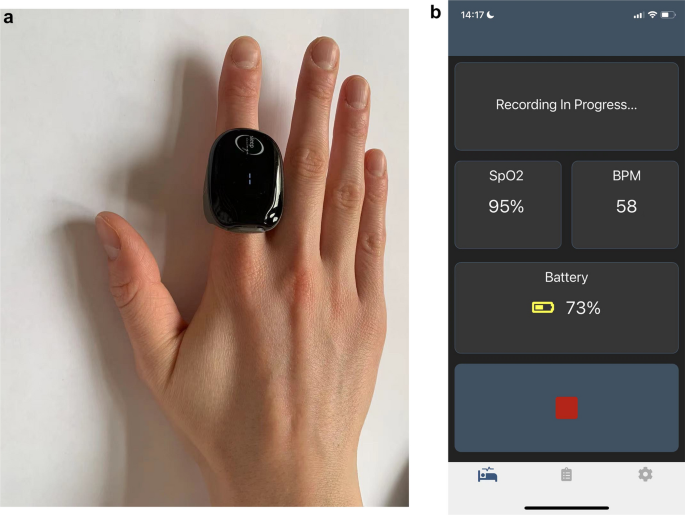
Wearable devices like Apple Watch, Fitbit, and Oura Ring estimate sleep stages based on movement and physiological signals throughout the night.
Should I worry if my sleep stages vary from night to night?
Some variation is normal. Sleep architecture can be influenced by daily activities, stress, and other factors. Consistent patterns over time matter more than single-night variations.
Latest posts
-
Why Can’t I Wake Up Even After Getting Enough Sleep?
Last updated: October 2, 2026. Medically reviewed by Dr. Avinesh Bhar, Board-Certified Sleep Physician, SLIIIP.com. If you can’t wake up after enough sleep, the cause is usually not the number…
-
Why Does My Heart Rate Drop So Low While I Sleep?
Last updated: October 2, 2026. Medically reviewed by Dr. Avinesh Bhar, Board-Certified Sleep Physician, SLIIIP.com. Your heart rate drops low while sleeping mainly because your body needs less work from…
-
Why Are My Naps Never Refreshing?
Last updated: October 2, 2026. Medically reviewed by Dr. Avinesh Bhar, Board-Certified Sleep Physician, SLIIIP.com. Naps that leave you groggy usually come down to how long you sleep, when you…
Get updates
Spam-free subscription, we guarantee. This is just a friendly ping when new content is out.

