
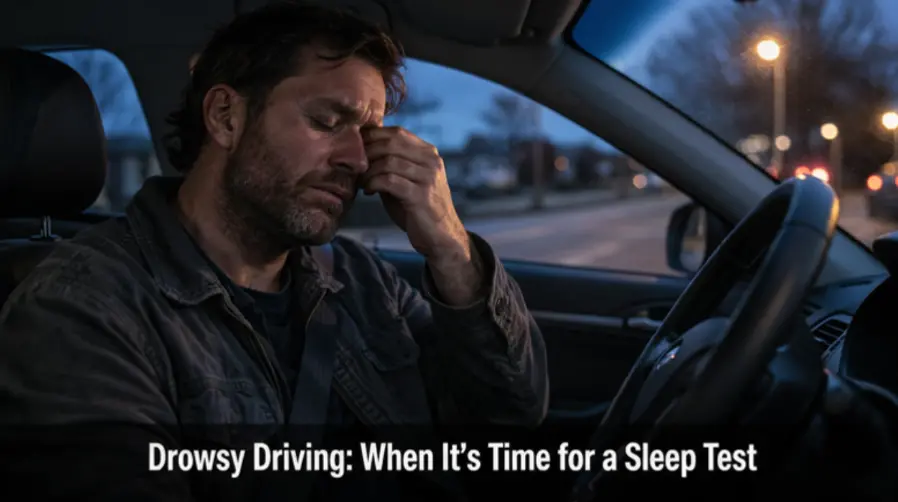
Drowsy Driving: When It’s Time for a Sleep Test
Last updated: November 24, 2026. Medically reviewed by Dr. Avinesh Bhar, Board-Certified Sleep Physician, SLIIIP.com.
Do you nod off, drift out of your lane or forget the last few miles while driving? If so, it is time to ask about a sleep test.
Drowsy driving that keeps happening, even after a normal night in bed, can be a sign of sleep apnea, narcolepsy or another sleep disorder.
Dr. Avinesh Bhar, Board-Certified Sleep Physician at SLIIIP.com, tells patients that sleepiness at the wheel is one of the clearest reasons to get evaluated soon.
Feeling sleepy while driving is a warning sign, not a personality trait. A sleep test can show whether a treatable disorder is behind it.
SLIIIP’s board-certified sleep physicians can do sleep evaluations for sleep apnea. Virtual consultations in all 50 states. Home sleep tests shipped to your door.
How Common Is Drowsy Driving?
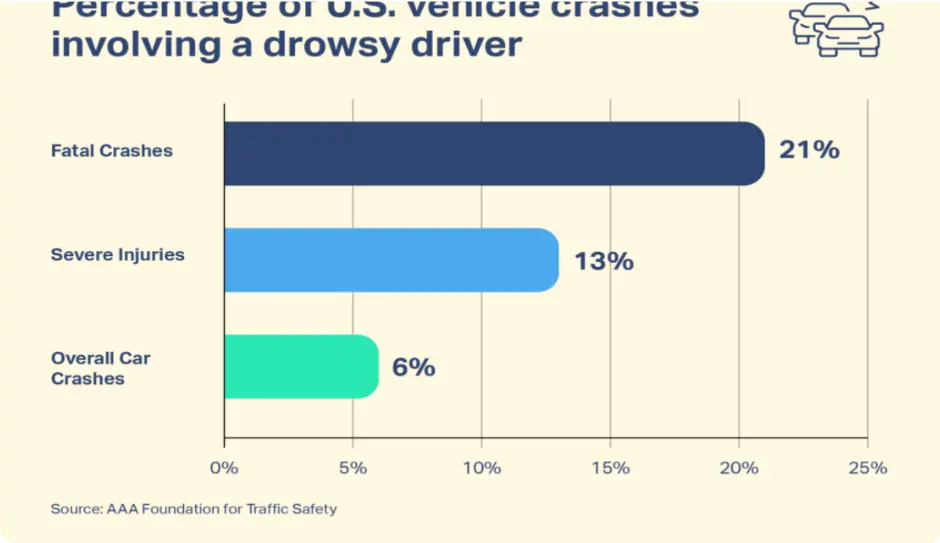
Drowsy driving causes hundreds of deaths on U.S. roads each year. The NHTSA reports 644 deaths in drowsy-driving-related crashes in 2024.
The agency also says these numbers likely undercount the problem. After a crash, it is often hard to prove that the driver was sleepy.
NHTSA notes that many of these crashes happen between midnight and 6 a.m. or in the late afternoon. They often involve a single driver drifting off the road with no sign of braking.
What Are the Warning Signs While Driving?
Yawning, heavy eyelids, missed exits, drifting between lanes and hitting rumble strips are classic warning signs.
So is not remembering the last few miles.
- Trouble keeping your eyes open or your head up.
- Daydreaming or wandering thoughts you cannot control.
- Missing turns, exits or traffic signs.
- Tailgating or changing speed without meaning to.
- Jerking awake behind the wheel.
If any of these happen, pull over somewhere safe. Do not try to push through by opening a window or turning up the radio.
When Is It Time for a Sleep Test?
It is time to ask about a sleep test when drowsiness at the wheel happens more than once, especially after a full night in bed. One bad night has an obvious cause. A pattern usually does not.
Other signs make testing even more important:
- Loud snoring, gasping or breathing pauses noticed by a partner.
- Falling asleep while reading, watching TV or in meetings.
- Morning headaches or a dry mouth on waking.
- High blood pressure that is hard to control.
- Sudden sleep attacks or muscle weakness when laughing.
A quick self-check can also help. Our guide to the Epworth Sleepiness Scale explains a common questionnaire that rates daytime sleepiness. A high score is a good reason to talk with a doctor.
Which Sleep Disorders Cause Drowsy Driving?
Obstructive sleep apnea is one of the most common medical causes of daytime sleepiness in adults. Repeated breathing pauses break up sleep all night, even when you do not remember waking.
Other causes include:
- Narcolepsy, which brings severe sleepiness and sudden sleep episodes.
- Insufficient sleep, from long work hours, shift work or new parenthood.
- Circadian rhythm problems, such as shift work disorder.
- Medicines that cause drowsiness, including some allergy, pain and sleep medicines.
- Alcohol, which adds to sleepiness even in small amounts.
Only a medical evaluation can sort out which cause applies to you.
Which Sleep Test Is Right for a Sleepy Driver?
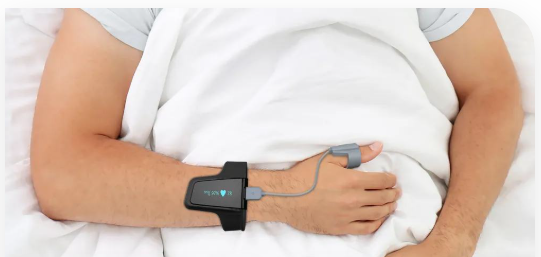
Many sleepy drivers start with a home sleep apnea test, because sleep apnea is so common. It is simple and done in your own bed.
A lab study may be a better fit if narcolepsy is suspected. In that case, an overnight study is often followed by a daytime nap test.
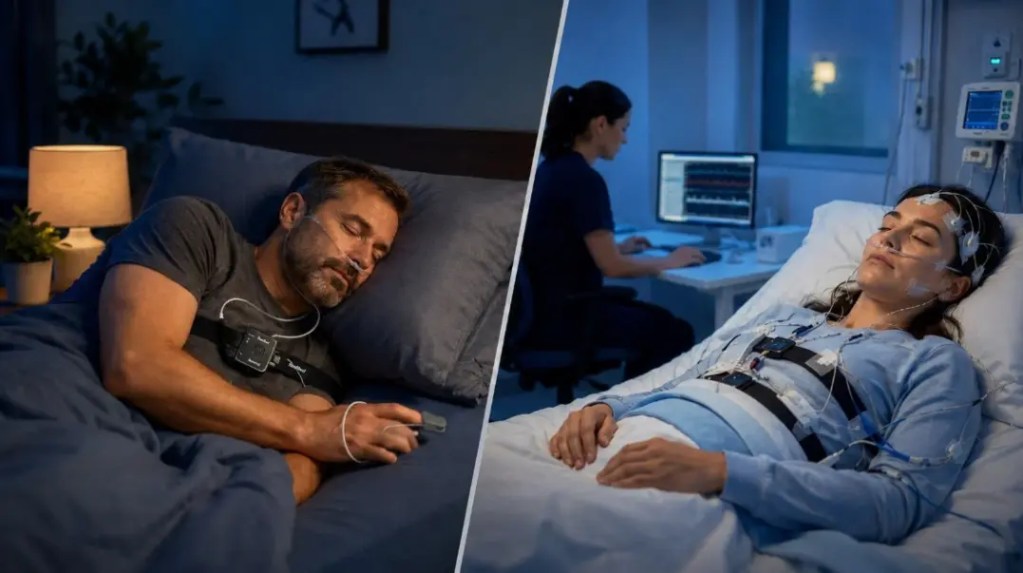
A sleep physician chooses the test after hearing your symptoms. Learn more about how to get a home sleep test.
What If You Drive for a Living?
Commercial drivers face extra scrutiny for sleep apnea because sleepiness at the wheel puts many people at risk. Medical examiners may ask about symptoms and refer drivers for testing.
A diagnosis does not have to end a driving career. Many drivers keep working once their sleep apnea is treated and they show regular use of therapy.
If you drive for work, ask your examiner or employer what records you need. Keeping your CPAP usage data can make this easier.
Can Treatment Help You Drive Safely Again?
For many people, treating the sleep disorder behind their drowsiness is linked to feeling more alert during the day. The key is finding the cause first.
With obstructive sleep apnea, CPAP or an oral appliance keeps the airway open at night.
Follow-up matters. Your doctor may ask about driving, check your therapy data and repeat a sleepiness questionnaire. If you still feel drowsy at the wheel after treatment, tell your doctor right away.
Keep a simple log of any drowsy moments while driving. Note the time, how long you slept the night before and what you were doing. This record helps your doctor judge progress.
What Can You Do Right Now?
Until you are evaluated, avoid driving when you feel sleepy and plan longer drives around your alertness. These steps lower risk but do not treat a sleep disorder.
- Aim for seven or more hours of sleep before long drives.
- Share driving with another person when you can.
- Take a break every two hours on long trips.
- Avoid alcohol and sedating medicines before driving.
- Pull over and take a short nap if you feel drowsy.
Caffeine can help for a short time, but it does not replace sleep. It also does not fix the cause.
Watch: Dr. Wells explains what is excessive daytime sleepiness
When to See a Doctor
See a doctor soon if you have nodded off while driving, had a near miss or had a crash linked to sleepiness. These events need prompt attention.
Dr. Avinesh Bhar recommends stopping driving when you feel drowsy and booking a sleep evaluation within days, not months. Treating the cause is the only lasting way to stay alert on the road.
If you crash or nearly crash, get medical care for any injuries first. Then follow up about your sleep.
Insurance and Getting Started
SLIIIP works with many major insurance plans, including Medicare, TRICARE, Aetna, Cigna, Blue Cross Blue Shield, Humana and UnitedHealthcare.

Check your coverage in a few minutes, then book a virtual visit with a board-certified sleep physician.
For cash payments, price for Initial Consultation is $150
Follow up appointments cost $125
Frequently Asked Questions
Is drowsy driving a sign of sleep apnea?
It can be. Sleep apnea is a common medical cause of daytime sleepiness.
When should I get a sleep test for drowsy driving?
If it happens more than once, especially after a full night of sleep, ask about testing.
How many people die from drowsy driving?
NHTSA reports 644 deaths in drowsy-driving-related crashes in 2024.
What are the signs of drowsy driving?
Yawning, drifting between lanes, missing exits and hitting rumble strips are common signs.
Can narcolepsy cause drowsy driving?
Yes. Narcolepsy causes severe sleepiness and sudden sleep episodes.
Does coffee fix drowsy driving?
It helps for a short time but does not replace sleep or treat a disorder.
Is drowsy driving as dangerous as drunk driving?
Both slow reaction time and judgment. Any impairment at the wheel is dangerous.
Can a home sleep test check for drowsy driving causes?
It can check for sleep apnea, a common cause. Other disorders may need a lab study.
Will treating sleep apnea help my driving?
Treatment is linked to less daytime sleepiness. Talk with your doctor about your results.
Can I still drive with sleep apnea?
Many people do once treated. Follow your doctor's advice and local rules.
Do truck drivers get tested for sleep apnea?
Medical examiners may refer drivers with signs of sleep apnea for testing.
What is the Epworth Sleepiness Scale?
It is a short questionnaire that rates how likely you are to doze in daily situations.
Can medications cause drowsy driving?
Yes. Some allergy, pain and sleep medicines cause drowsiness.
Does shift work raise drowsy driving risk?
Yes. Driving home after a night shift is a common risky time.
What should I do if I feel sleepy while driving?
Pull over somewhere safe and rest. Do not try to push through.
Can a nap help before driving?
A short nap can help for a while. It does not fix an underlying disorder.
Is drowsy driving worse at night?
Many crashes happen between midnight and 6 a.m. or in the late afternoon.
Do I need a referral for a sleep test?
It depends on your plan. A telehealth sleep physician can often order a home test.
Can drowsiness be caused by depression?
It can contribute. A doctor can look at mood, sleep and medical causes together.
How do I get started?
Book a sleep evaluation. A sleep physician will choose the right test.
SLIIIP's board-certified sleep physicians can do sleep evaluations for sleep apnea. Virtual consultations in all 50 states. Home sleep tests shipped to your door.
Latest posts
-
Drowsy Driving: When It’s Time for a Sleep Test
Last updated: November 24, 2026. Medically reviewed by Dr. Avinesh Bhar, Board-Certified Sleep Physician, SLIIIP.com. Do you nod off, drift out of your lane or forget the last few miles…
-
Can You Buy a CPAP Without a Sleep Test?
Last updated: November 24, 2026. Medically reviewed by Dr. Avinesh Bhar, Board-Certified Sleep Physician, SLIIIP.com. No, in the United States you cannot legally buy a new CPAP machine without a…
·
-
Do I Need a Sleep Study to Get Zepbound for Sleep Apnea?
Last updated: November 24, 2026. Medically reviewed by Dr. Avinesh Bhar, Board-Certified Sleep Physician, SLIIIP.com. Yes, in most cases you need a sleep study to get Zepbound prescribed for sleep…
Get updates
Spam-free subscription, we guarantee. This is just a friendly ping when new content is out.

