👉 Register for Free. How to Diagnose Sleep Apnea Faster in Primary Care – FREE Webinar by Dr. Audrey Wells. – Friday, April 24 at 12 PM ET


How Much Core Sleep Do You Need? Your Complete Guide to Better Rest
You wake up after what seemed like a full night of rest, yet something feels off. Despite spending eight hours in bed, your body feels heavy and your mind foggy. If this scenario sounds familiar, you might be missing out on a crucial component of quality rest: core sleep. Understanding how much core sleep you actually need can transform your mornings from sluggish to energized.
Core sleep represents the essential, most restorative phases of your nightly rest. While total sleep duration matters, the distribution of time across different sleep stages plays an equally vital role in how refreshed you feel each morning. This guide explores the science behind core sleep, provides clear recommendations based on your age and lifestyle, and shares practical strategies to help you optimize this foundational aspect of wellness.
What Is Core Sleep and Why Does It Matter?
Core sleep encompasses the deepest and most restorative stages of your sleep cycle, primarily including Stage 3 NREM (deep sleep) and REM sleep. During these phases, your body performs critical maintenance work: repairing tissues, consolidating memories, releasing growth hormones, and strengthening immune function. For a comprehensive understanding of sleep architecture, you can explore our ultimate guide to core sleep.
Unlike lighter sleep stages where your brain remains relatively active and you can be easily awakened, core sleep involves slower brain waves and profound physical relaxation. This explains why someone roused during deep sleep often experiences grogginess and disorientation. Your body prioritizes core sleep in the first several hours after you fall asleep, which is why the timing of your rest matters just as much as the duration.
How Much Core Sleep Do You Actually Need?
The amount of core sleep required varies based on age, health status, and individual factors. According to the Centers for Disease Control and Prevention, adults aged 18 to 60 should aim for at least seven hours of total sleep per night. Within that window, core sleep typically accounts for 35 to 45 percent of your total rest time.
Core Sleep Requirements by Age Group
Young Adults (18 to 25 years): This age group generally needs 7 to 9 hours of total sleep, with approximately 1.5 to 2 hours of deep sleep and 1.5 to 2 hours of REM sleep. The high proportion of restorative sleep supports ongoing brain development and physical recovery from active lifestyles.
Adults (26 to 64 years): The recommended 7 to 9 hours remains consistent, though deep sleep naturally decreases with age. Most adults in this range need about 1 to 1.5 hours of deep sleep and maintain similar REM requirements. Lifestyle factors like stress, diet, and exercise significantly influence sleep quality during these years.
Older Adults (65 years and above): While total sleep needs may decrease slightly to 7 to 8 hours, the proportion of deep sleep continues to decline naturally. This age group often experiences lighter overall sleep, making sleep environment and habits even more important for achieving adequate restorative rest.
Calculating Your Core Sleep Needs
For practical purposes, most healthy adults should target approximately 3 to 4 hours of combined deep and REM sleep within their total nightly rest. If you sleep for 8 hours, expect roughly 1.5 to 2 hours in deep sleep stages and another 1.5 to 2 hours in REM sleep, with the remaining time in lighter transitional stages.
Wearable devices like Apple Watch, Fitbit, and Oura Ring can help track your sleep stages, though these consumer devices estimate rather than precisely measure sleep architecture. For accurate assessment, a clinical polysomnography study provides the gold standard in sleep measurement. If you consistently feel fatigued despite adequate time in bed, exploring why you might wake up tired after eight hours can offer valuable insights.
Signs You May Not Be Getting Enough Core Sleep
Your body communicates when it lacks sufficient restorative rest. Recognizing these signals early allows you to adjust habits before chronic sleep debt accumulates.
Persistent morning grogginess that takes hours to shake off often indicates insufficient deep sleep. While occasional slow mornings are normal, consistently feeling unrested despite adequate time in bed suggests your sleep quality needs attention. Difficulty concentrating throughout the day, increased irritability, and heightened emotional reactivity can also point to REM sleep deficiency.
Physical signs may include delayed recovery after exercise, more frequent minor illnesses, and increased appetite, particularly for high calorie foods. Your body uses deep sleep for tissue repair and immune function, so shortfalls in these areas often manifest as slower healing and reduced resilience. If these symptoms persist, consider whether underlying factors might be disrupting your sleep cycles. Learning about the importance of quality sleep can help you prioritize this essential aspect of wellness.
Factors That Affect Your Core Sleep Quality
Multiple elements influence how effectively you cycle through restorative sleep stages each night. Understanding these factors empowers you to make informed adjustments to your daily routine.
Lifestyle and Environmental Considerations
Caffeine consumption affects sleep architecture for longer than most people realize. With a half life of approximately 5 to 6 hours, an afternoon coffee can still influence your ability to achieve deep sleep that evening. Similarly, while alcohol may help you fall asleep faster initially, it disrupts REM sleep in the latter half of the night, leading to fragmented rest.
Your sleep environment plays a substantial role in sleep quality. Temperature, light exposure, and noise levels all affect your ability to progress through sleep cycles smoothly. The ideal bedroom temperature for most adults falls between 60 and 67 degrees Fahrenheit. Darkness signals your brain to produce melatonin, so minimizing light sources supports natural sleep initiation.
Screen time before bed poses particular challenges. Blue light from phones, tablets, and computers suppresses melatonin production and delays sleep onset. Establishing a wind down routine that limits screen exposure for at least an hour before bed can significantly improve both sleep latency and quality. Our guide to creating an evening sleep routine provides practical strategies for building healthy pre sleep habits.
Health Conditions and Sleep
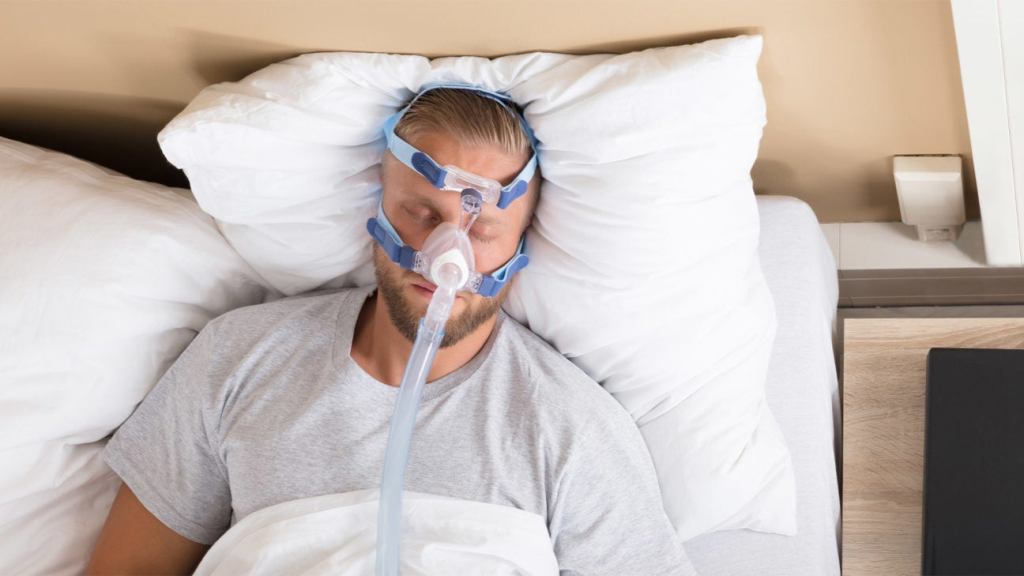
Certain health conditions directly interfere with sleep architecture. Breathing related concerns during sleep can fragment rest and prevent deep sleep stages from occurring properly. If you experience symptoms such as loud snoring, gasping during sleep, or excessive daytime fatigue, consulting a healthcare provider may be worthwhile. Understanding the signs that warrant professional evaluation can help you determine if further assessment is appropriate.
Certain medications can also impact sleep stages. Beta blockers, some antidepressants, and various prescription drugs may suppress REM sleep or alter sleep architecture. If you take regular medications and experience persistent sleep quality issues, discussing this with your healthcare provider can help identify potential solutions.
Practical Strategies to Optimize Your Core Sleep
Improving your core sleep involves consistent habits rather than dramatic overnight changes. Small, sustainable adjustments compound over time to create meaningful improvements in sleep quality.
Establishing Schedule Consistency
Your body thrives on predictability. Going to bed and waking at consistent times, even on weekends, reinforces your natural circadian rhythm and makes falling into deep sleep easier. Aim for no more than an hour of variation between weekday and weekend schedules to maintain optimal rhythm alignment. A consistent morning routine that starts at the same time each day supports this biological consistency.
Creating an Optimal Pre Sleep Environment
The hour before bed significantly influences sleep quality. Dimming lights signals your body to begin producing melatonin. Engaging in calming activities like reading, gentle stretching, or relaxation techniques prepares your nervous system for rest. Avoiding stimulating content, whether through screens or intense conversations, helps your mind transition toward sleep readiness.
Physical comfort matters tremendously for uninterrupted sleep cycles. Investing in appropriate bedding that supports your preferred sleep position reduces the likelihood of waking due to discomfort. Some people find that weighted blankets provide a sense of calm that supports faster sleep onset and fewer nighttime awakenings.
Nutrition and Meal Timing
What and when you eat influences sleep quality more than many realize. Large meals close to bedtime require digestive effort that can interfere with sleep onset and depth. Aim to finish substantial meals at least 2 to 3 hours before bed. If hunger strikes later, light snacks containing protein or complex carbohydrates are less likely to disrupt sleep than heavy or spicy foods.
Hydration timing also matters. While staying hydrated supports overall health, consuming large amounts of liquid before bed increases nighttime bathroom trips that fragment sleep cycles. Front loading your fluid intake earlier in the day helps maintain hydration without disrupting rest.
When to Seek Professional Guidance
While lifestyle adjustments resolve many sleep quality issues, some situations warrant professional evaluation. If you consistently feel exhausted despite adequate sleep duration and healthy habits, underlying factors may require assessment. Home sleep testing offers a convenient option for evaluating sleep patterns from the comfort of your own bedroom.
Consider seeking guidance if you experience any of the following persistently: falling asleep unintentionally during daytime activities, loud snoring reported by a bed partner, morning headaches, difficulty staying asleep, or waking feeling unrefreshed despite spending adequate time in bed. Sleep specialists can identify specific factors affecting your rest and recommend targeted approaches.
Frequently Asked Questions About Core Sleep
What is considered a healthy amount of core sleep?
Most adults need approximately 3 to 4 hours of combined deep and REM sleep within their total nightly rest of 7 to 9 hours. This typically represents 35 to 45 percent of total sleep time.
Is core sleep the same as deep sleep?
No. Core sleep is a broader term that encompasses both deep sleep (Stage 3 NREM) and REM sleep. Deep sleep is one component of core sleep, focused primarily on physical restoration, while REM sleep handles cognitive and emotional processing.
Why does my Apple Watch show different sleep stages?
Wearable devices like Apple Watch use algorithms to estimate sleep stages based on heart rate, movement, and other metrics. The core sleep category typically represents the combined deep and REM stages. While helpful for general trends, these estimates are less precise than clinical sleep studies.
Can napping replace core sleep?
Short naps can provide temporary alertness but rarely deliver significant deep sleep. Naps under 90 minutes primarily produce light sleep or brief REM periods. While strategic napping supports daytime functioning, it cannot fully compensate for nighttime core sleep deficits.
How does age affect core sleep requirements?
Deep sleep naturally decreases with age. Infants and children spend the highest percentage of sleep in deep stages, supporting growth and development. Adults experience gradual reduction in deep sleep proportion, while REM sleep remains relatively stable until later years.
What time should I go to bed to maximize core sleep?
Research suggests that sleeping between 8 PM and midnight optimizes deep sleep opportunity, as your body prioritizes deep sleep in the first several hours after sleep onset. Aligning your bedtime with your natural sleepiness signals supports efficient progression through sleep cycles.
Does exercise improve core sleep?
Regular physical activity generally improves sleep quality and increases deep sleep duration. However, intense exercise close to bedtime may delay sleep onset. Aim to complete vigorous workouts at least 3 to 4 hours before bed for optimal benefit.
Can caffeine affect core sleep even if I fall asleep easily?
Yes. Caffeine can reduce deep sleep duration even when it does not prevent sleep onset. With a half life of 5 to 6 hours, afternoon caffeine consumption can still affect sleep architecture that night. Limiting caffeine after 2 PM supports optimal core sleep.
How does alcohol impact core sleep?
While alcohol may help you fall asleep faster, it suppresses REM sleep and causes more fragmented rest in the second half of the night. This explains why people often wake feeling unrested after drinking, even after adequate hours in bed.
Is 5 hours of core sleep sufficient?
While 5 hours may sustain basic functioning temporarily, it falls below recommended amounts for long term health. Most adults need 7 to 9 total hours to achieve adequate core sleep and support optimal physical and cognitive function.
What is the relationship between REM and deep sleep?
Deep sleep predominates in the first half of the night, while REM sleep becomes more prominent in later cycles. Both stages are essential: deep sleep handles physical restoration while REM sleep processes emotions and consolidates memories. Adequate total sleep allows both stages to occur in proper proportions.
How can I tell if I am getting enough deep sleep?
Key indicators include waking feeling refreshed, maintaining energy throughout the day, recovering well from physical activity, and experiencing stable mood and concentration. Persistent fatigue despite adequate sleep duration may suggest insufficient deep sleep.
Does stress reduce core sleep?
Yes. Elevated cortisol levels from chronic stress interfere with sleep architecture, often reducing deep sleep and causing more frequent awakenings. Stress management techniques like meditation, deep breathing, and regular exercise can help restore healthy sleep patterns.
What percentage of sleep should be core sleep?
Core sleep typically represents 35 to 45 percent of total sleep time for adults. This translates to approximately 20 to 25 percent in deep sleep and 20 to 25 percent in REM sleep, with the remainder in lighter transitional stages.
Can medications affect core sleep?
Certain medications can alter sleep architecture. Beta blockers, some antidepressants, and other prescription drugs may suppress REM sleep or affect deep sleep. If you take regular medications and experience persistent sleep issues, discuss this with your healthcare provider.
How does poor sleep affect memory?
Both deep sleep and REM sleep play crucial roles in memory consolidation. Deep sleep helps transfer information from short term to long term memory, while REM sleep processes emotional experiences and supports learning. Insufficient core sleep impairs these processes.
Is it better to sleep longer or focus on sleep quality?
Both duration and quality matter. Sleeping longer without achieving adequate deep and REM sleep leaves you feeling unrested. Conversely, high quality sleep in insufficient quantity creates its own deficits. Aim for both: 7 to 9 hours of uninterrupted sleep that allows full cycling through all stages.
What role does temperature play in core sleep?
Body temperature naturally drops during sleep, and a cool bedroom environment supports this process. Most adults sleep best in temperatures between 60 and 67 degrees Fahrenheit. Overheating can cause awakenings that fragment sleep cycles.
How long does it take to improve core sleep quality?
With consistent healthy habits, many people notice improvements within one to two weeks. However, significant sleep debt may take longer to resolve. Maintaining consistent sleep and wake times is particularly effective for regulating sleep cycles.
When should I see a sleep specialist?
Consider professional evaluation if you experience persistent daytime fatigue despite adequate sleep time, loud snoring, gasping during sleep, difficulty staying asleep, or waking unrefreshed. A sleep specialist can identify specific factors affecting your rest and recommend targeted approaches.
Latest posts
-
How Do I Turn My Brain Off at Night?
Learning to turn my brain off at night is less about forcing silence and more about lowering the body’s alert signal, says Dr. Avinesh Bhar, Board-Certified Sleep Physician at SLIIIP.com,…
-
Why Am I So Tired Even After 8 Hours?
Feeling tired even after 8 hours in bed points to a gap between sleep time and sleep quality, explains Dr. Avinesh Bhar, Board-Certified Sleep Physician at SLIIIP.com, and that gap…
-
How to Reset Your Circadian Rhythm After Night Shifts
Resetting your circadian rhythm after night shifts works better when you stop treating it as one problem, says Dr. Avinesh Bhar, Board-Certified Sleep Physician at SLIIIP.com, because recovering between rotations…
Get updates
Spam-free subscription, we guarantee. This is just a friendly ping when new content is out.

