👉 Register for Free. How to Diagnose Sleep Apnea Faster in Primary Care – FREE Webinar by Dr. Audrey Wells. – Friday, April 24 at 12 PM ET


Importance of Sleep from a Sleep Doctor
Time is our most valuable resource, yet so many of us feel like there’s never enough. Surprisingly, one of the simplest ways to make the most of your time is to prioritize sleep. Research from the Sleep Research Society and the American Academy of Sleep Medicine consistently shows that sleep is essential for both physical and mental health. A good night’s sleep supports cognitive performance, strengthens the immune system, and enhances overall well-being. Understanding the importance of sleep can transform your life by helping your brain and body function at their best.
Why Sleep Is Essential for Your Health
Sleep is a biological necessity that serves critical functions for the brain and body. During REM sleep and slow wave sleep, the brain consolidates memory, processes emotions, and restores cognitive performance. Meanwhile, your body regulates blood pressure, strengthens the immune system, and supports heart health.
Lack of sleep or sleep deprivation can have serious consequences, including increased risk of obstructive sleep apnea, chronic insufficient sleep, and other sleep disorders. A healthy adult who achieves adequate sleep benefits from improved alertness, problem-solving skills, and emotional resilience.
The health benefits of maintaining proper sleep duration extend beyond immediate energy—they impact long-term physical and mental health, prevent disease, and enhance overall life satisfaction. Prioritizing healthy sleep is a preventive measure that allows the body to function properly and supports optimal health for both mind and body.
How Much Sleep Do You Really Need?
Determining the right amount of sleep is key to unlocking its full benefits. According to the Sleep Foundation and health professionals, most adults require 7–9 hours of nighttime sleep for optimal functioning. Sleep duration varies by age, genetics, and lifestyle, but consistently achieving enough sleep ensures your body cycles properly through all sleep stages, including deep sleep and REM sleep.
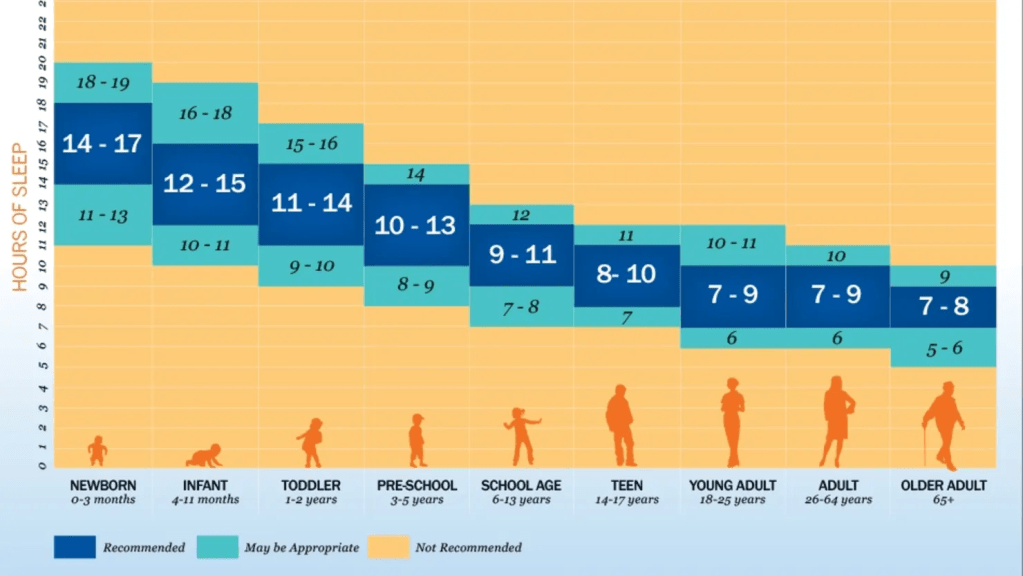
Inadequate or poor sleep can disrupt the sleep-wake cycle, causing fatigue, decreased cognitive performance, and heightened health risks such as hypertension and impaired immune system function. Maintaining a consistent sleep schedule supports sleep quality, helping you fall asleep faster and wake up refreshed.
The Consequences of Sleep Deficiency
Ignoring the importance of sleep can have serious and lasting consequences. Sleep deficiency, whether from sleep disturbances, chronic insufficient sleep, or conditions like obstructive sleep apnea, affects both physical and mental health. People who consistently get less than the recommended sleep duration may experience decreased cognitive performance, impaired memory consolidation, irritability, and depression symptoms.
Over time, poor sleep increases the risk of heart disease, high blood pressure, metabolic problems, and weakened immune system function. Disrupted sleep patterns interfere with the sleep-wake cycle, causing fatigue, brain fog, and reduced productivity.
If you feel you may have a sleep issue, then book your first appointment with a sleep doctor. It is the best way to get your answer..
We accept Medicare, Tricare and most major insurances.


Practical Steps to Improve Sleep Health
To enjoy the full health benefits of healthy sleep, focus on these strategies:
- Maintain a consistent sleep schedule.
- Prioritize physical activity during the day.
- Limit caffeine and alcohol close to bedtime.
- Create a calming bedtime routine to improve sleep quality.
- Monitor sleep duration and sleep stages using trackers if necessary.
- Seek guidance from health care providers for sleep problems or sleep disorders.
Developing healthy sleep habits ensures you get sufficient sleep, improving physical health, cognitive performance, and overall well-being.
How Sleep Impacts Brain Activity and Overall Health
Understanding how sleep affects your brain is critical for maintaining healthy weight, emotional balance, and cognitive function. During quality sleep, your brain activity supports memory consolidation, emotional regulation, and problem-solving. Research published in J Clin Sleep Med highlights that insufficient sleep can increase sleep difficulties and negatively impact mental and physical performance. Sleep is not just rest—it’s a biological process that restores the brain and body, making it a cornerstone of public health.
Many internal medicine professionals emphasize that prioritizing good sleep and healthy diet together enhances overall wellness. Sleep serves vital roles in metabolism, immune function, and cardiovascular health. Raising awareness about sleep disorders and following joint consensus statements from leading health organizations can help prevent chronic illness and improve sleep quantity and sleep quality.
Addressing Sleep Difficulties for a Healthier Lifestyle
Sleep difficulties affect millions and are often called sleep disorders in clinical settings. Conditions like insomnia, delayed sleep-wake phase, or sleep apnea disrupt sleep quantity and quality sleep, reducing cognitive function and overall health. According to Sleep Med Rev, consistent poor sleep is linked to obesity, impaired metabolism, and higher risk for cardiovascular disease. Prioritizing good sleep is not just a matter of comfort—it is sleep important for maintaining healthy weight and supporting brain activity.
At SLIIIP.COM, we specialize in helping you achieve quality sleep through personalized sleep treatments and guidance tailored to your needs. Whether you struggle with sleep difficulties, sleep disorders, or just want to improve your sleep health, our team provides solutions to restore restful nights and boost overall well-being.
Doctors and public health professionals emphasize that raising awareness about sleep’s role in disease control is crucial. The joint consensus statement from leading experts in internal medicine highlights strategies to improve sleep quantity and quality. By maintaining a consistent sleep schedule and practicing good lifestyle habits, sleep can be a powerful tool for better health, energy, and well-being.
The Role of Sleep in Public Health and Well-Being
Sleep is increasingly recognized as a critical factor in public health. Studies show that quality sleep improves immune function, cognitive performance, and emotional regulation. Poor sleep is linked to chronic diseases, obesity, and mental health challenges, which is why raising awareness of sleep’s importance is essential. According to Sleep Med Rev and J Clin Sleep Med, interventions to improve sleep quantity can reduce health risks at both individual and population levels.
A healthy diet, regular exercise, and prioritizing good sleep can significantly enhance overall well-being. Sleep serves essential roles in metabolism, brain activity, and recovery, making it just a matter of public and personal health to ensure everyone achieves quality sleep. Addressing sleep difficulties and sleep disorders is a critical step toward healthier communities.
Latest posts
-
RingConn vs Oura: Which Smart Ring Tracks Sleep Better?
Last updated: September 10, 2026. Medically reviewed by Dr. Avinesh Bhar, Board-Certified Sleep Physician, SLIIIP.com. RingConn and Oura both track sleep through a finger-worn ring, but they differ most in…
-
Withings ScanWatch Sleep Tracking Accuracy: What It Can and Cannot Tell You
Last updated: September 10, 2026. Medically reviewed by Dr. Avinesh Bhar, Board-Certified Sleep Physician, SLIIIP.com. Withings ScanWatch is a hybrid analog watch that tracks sleep stages and can flag nighttime…
-
Are Cheap Fitness Trackers Accurate for Sleep?
September 10, 2026. Medically reviewed by Dr. Avinesh Bhar, Board-Certified Sleep Physician, SLIIIP.com. Cheap fitness trackers can be reasonably accurate at telling you when you fell asleep and woke up,…
Get updates
Spam-free subscription, we guarantee. This is just a friendly ping when new content is out.

