👉 Register for Free. How to Diagnose Sleep Apnea Faster in Primary Care – FREE Webinar by Dr. Audrey Wells. – Friday, April 24 at 12 PM ET

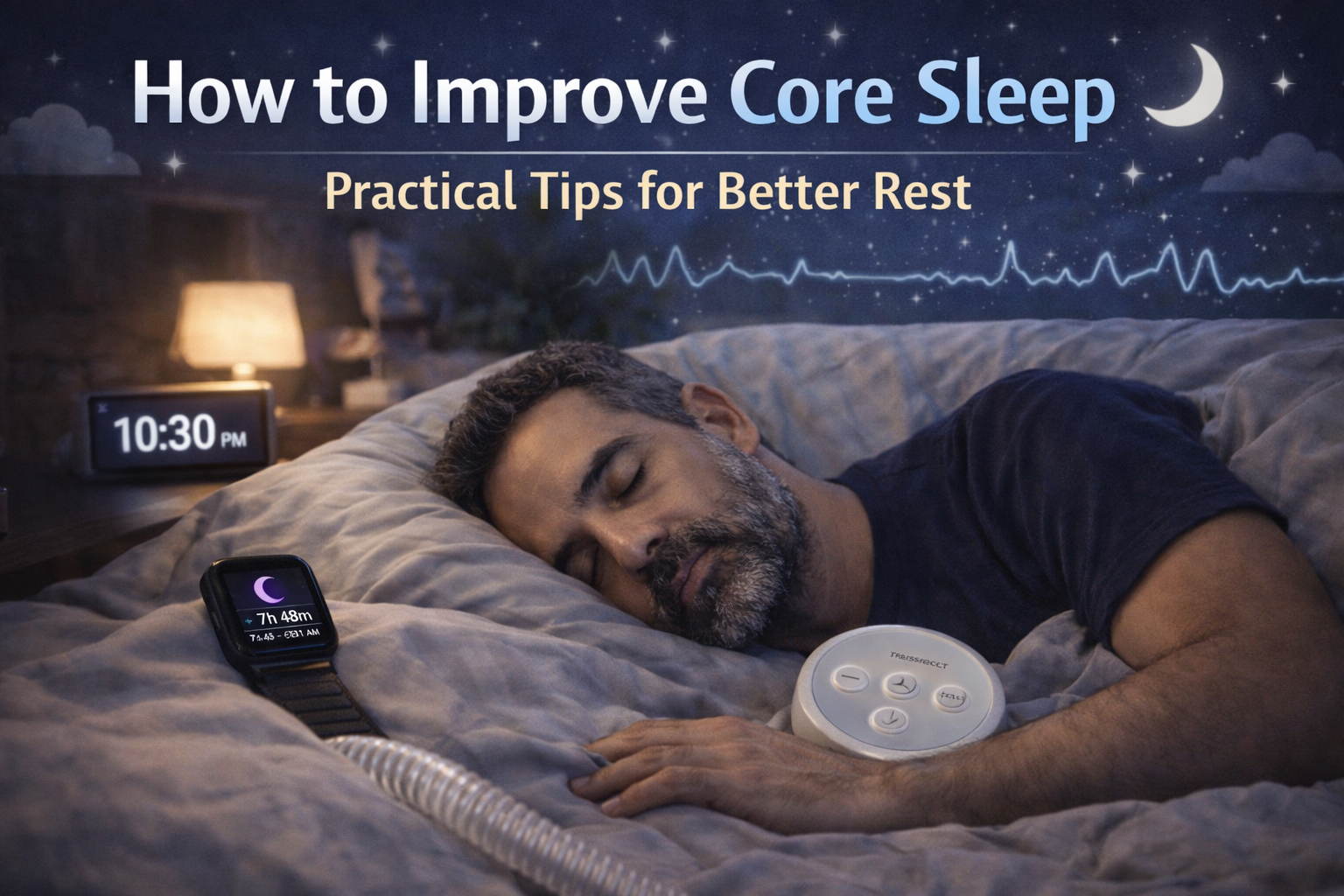
How to Improve Core Sleep: Practical Tips for Better Rest
Waking up feeling unrested despite spending plenty of time in bed is a common frustration. You check your sleep tracker and see hours logged, yet your body feels like it barely rested at all. The issue may not be the quantity of your sleep but rather the quality of your sleep stages, particularly what sleep experts call core sleep. Understanding how to support better core sleep can make a meaningful difference in how refreshed and energized you feel each morning.
Core sleep encompasses the essential phases of rest that your body needs for basic restoration and functioning. While you cannot directly control which sleep stage your brain enters at any given moment, you can create conditions that support healthy progression through all stages of the sleep cycle. This guide shares practical, evidence-based strategies for improving your core sleep quality and waking up feeling genuinely rested.
Understanding What Affects Core Sleep Quality
Before diving into specific strategies, it helps to understand what factors influence how well you sleep. Your core sleep quality is affected by a complex interplay of lifestyle factors, environmental conditions, and internal biological processes.
Your circadian rhythm, the internal biological clock that regulates sleep-wake cycles, plays a central role in sleep quality. When your sleep schedule aligns with your natural circadian rhythm, your body moves more efficiently through sleep stages. Disruptions to this rhythm, whether from irregular schedules, travel across time zones, or late-night light exposure, can fragment sleep and reduce time spent in restorative stages.
Stress and mental activity significantly impact sleep architecture. When your mind is racing with worries, to-do lists, or unresolved concerns, falling into deeper sleep becomes more difficult. The stress hormone cortisol, when elevated at bedtime, can interfere with the natural progression through sleep stages.
Physical factors matter too. What you eat and drink, how active you are during the day, and even the temperature of your bedroom all influence how well you sleep. Understanding these connections empowers you to make changes that support better rest.
Establish a Consistent Sleep Schedule
Perhaps the single most impactful change you can make for better core sleep is maintaining a consistent sleep and wake schedule. Going to bed and waking up at roughly the same time each day, including weekends, helps regulate your body’s internal clock and supports more predictable, restorative sleep patterns.
When you keep irregular hours, your body struggles to anticipate when sleep should occur. This confusion can lead to difficulty falling asleep, frequent nighttime awakenings, and spending less time in the deeper, more restorative sleep stages. Consistency, even when it feels inconvenient, pays dividends in sleep quality.
If your current schedule varies significantly, consider making gradual adjustments rather than dramatic shifts. Moving your bedtime earlier or later by 15 to 30 minutes every few days allows your body to adapt without major disruption.
Aim for a schedule that provides enough total sleep time for your needs. Most adults function best with 7 to 9 hours of sleep per night, though individual requirements vary. Pay attention to how you feel with different amounts of sleep to identify your personal optimal range.
Create an Optimal Sleep Environment
Your bedroom environment directly affects how well you sleep. Creating conditions conducive to rest involves addressing light, temperature, noise, and comfort factors.
Darkness signals to your brain that it is time for sleep. Even small amounts of light can interfere with melatonin production and disrupt sleep architecture. Use blackout curtains or a sleep mask to block out streetlights, early morning sun, or any other light sources that might disturb your rest.
Temperature plays a crucial role in sleep quality. Most people sleep best in a cool room, typically between 60 and 67 degrees Fahrenheit (15 to 19 degrees Celsius). A slight drop in body temperature helps initiate sleep, and maintaining a cool environment supports staying in deeper sleep stages longer.
Noise disturbances can fragment sleep and prevent you from reaching or maintaining deeper sleep stages. If you cannot eliminate noise sources, consider using a white noise machine, fan, or earplugs to create a more consistent acoustic environment. Many people find that steady background sounds help mask disruptive noises.
Your mattress and pillows should provide comfortable support that allows you to relax fully. If you wake with aches or find yourself tossing and turning, your sleep surface may need attention. While quality bedding represents an investment, the impact on sleep quality can be substantial.

Develop a Relaxing Pre-Sleep Routine
The hour before bedtime sets the stage for the quality of sleep that follows. Developing a consistent wind-down routine signals to your body and mind that it is time to transition from wakefulness to rest.
Begin dimming lights at least an hour before your intended bedtime. Bright light, especially the blue light emitted by screens, suppresses melatonin production and keeps your brain in a more alert state. Switching to warmer, dimmer lighting helps initiate the biological processes that lead to sleep.
Engage in calming activities during your wind-down period. Reading (from a physical book rather than a screen), gentle stretching, taking a warm bath, or practicing relaxation techniques can all help quiet an active mind. Avoid stimulating content, intense conversations, or work-related activities close to bedtime.
Meditation and relaxation practices can be particularly effective for improving sleep quality. Even a few minutes of deep breathing or progressive muscle relaxation can lower stress hormones and prepare your body for restful sleep.
Consider making your bedroom a technology-free zone. Keeping phones, tablets, and televisions out of the bedroom removes the temptation to check notifications or watch one more episode when you should be sleeping.
Watch What You Consume Before Bed
What you eat and drink in the hours before sleep significantly affects how well you rest. Making mindful choices about evening consumption can support better core sleep quality.
Caffeine has a half-life of approximately five to six hours, meaning that coffee consumed at 4 PM may still be affecting your system at 10 PM. If you are sensitive to caffeine or struggling with sleep, consider cutting off caffeine consumption by early afternoon. Remember that caffeine appears in coffee, tea, chocolate, some sodas, and certain medications.
Alcohol, while it may seem to help you relax and fall asleep faster, actually disrupts sleep architecture later in the night. It can fragment sleep, reduce time in deeper sleep stages, and lead to more nighttime awakenings. Limiting alcohol, especially close to bedtime, typically improves overall sleep quality.
Large meals close to bedtime can cause discomfort and digestive activity that interferes with sleep. If you need an evening snack, choose something light and easily digestible. Some evidence suggests that foods containing tryptophan, magnesium, or complex carbohydrates may support better sleep, though individual responses vary.
Staying well-hydrated during the day supports overall health, but drinking large amounts of liquid close to bedtime may lead to nighttime bathroom trips that disrupt sleep. Front-load your fluid intake earlier in the day if nighttime waking is an issue.
Exercise for Better Sleep
Regular physical activity is associated with improved sleep quality and may help you spend more time in deeper, more restorative sleep stages. Exercise supports better sleep through multiple mechanisms, including reducing stress hormones, promoting physical fatigue, and supporting healthy circadian rhythms.
Moderate aerobic exercise, such as walking, swimming, or cycling, seems particularly beneficial for sleep when performed regularly. Even 30 minutes of activity most days of the week can make a noticeable difference in how well you sleep.
Timing matters for some people. While exercise generally benefits sleep, vigorous activity too close to bedtime can be stimulating and make it harder to fall asleep. If evening workouts seem to interfere with your rest, try shifting your exercise earlier in the day and see if your sleep improves.
Morning outdoor exercise may provide additional benefits by exposing you to natural light, which helps regulate circadian rhythms and supports better nighttime sleep. The combination of physical activity and light exposure can be particularly effective for people whose sleep schedules have drifted later than desired.
Manage Stress and Mental Activity
An overactive mind is one of the most common barriers to quality sleep. Learning to manage stress and quiet mental chatter can significantly improve your core sleep.
Writing down worries, to-do lists, or unresolved concerns before bed can help clear your mind. Putting thoughts on paper gives your brain permission to stop cycling through them and allows you to address them tomorrow with a rested mind.
Progressive muscle relaxation involves systematically tensing and then releasing different muscle groups throughout your body. This practice helps release physical tension and directs attention away from anxious thoughts. Many people find it an effective transition into sleep.
Deep breathing exercises activate the parasympathetic nervous system, which promotes relaxation and counters the stress response. Simple techniques like the 4-7-8 method (inhale for 4 counts, hold for 7, exhale for 8) can help calm both mind and body before sleep.
If racing thoughts persist, consider whether unresolved daytime stress might be affecting your nights. Addressing sources of stress during waking hours, whether through problem-solving, boundary-setting, or seeking support, often improves sleep as a natural consequence.
Optimize Light Exposure Throughout the Day
Light exposure plays a crucial role in regulating your circadian rhythm and, by extension, your sleep quality. Strategic use of light can support better core sleep.
Morning light exposure helps anchor your circadian rhythm and promotes alertness during the day. Spending time outdoors shortly after waking, or at least exposing yourself to bright light, signals to your brain that the day has begun. This morning light exposure can help you feel more awake during the day and sleepier at the appropriate time in the evening.
During the day, try to get regular exposure to natural light. If you work indoors, positioning yourself near windows or taking brief outdoor breaks can help maintain healthy circadian rhythms.
In the evening, reduce exposure to bright light, especially blue light from screens. If you must use devices in the evening, consider using night mode settings or blue-light blocking glasses. These measures help prevent artificial light from suppressing melatonin and delaying your natural sleep onset.

When to Seek Professional Guidance
While lifestyle modifications help many people improve their sleep, persistent sleep difficulties may warrant professional evaluation. Consider consulting a sleep specialist if your sleep problems persist despite implementing good sleep habits, if you consistently feel unrested despite adequate time in bed, or if others have noticed that you snore loudly or stop breathing during sleep.
Conditions like sleep apnea can significantly disrupt sleep architecture and prevent you from reaching restorative sleep stages even when you think you are sleeping well. A professional sleep evaluation can identify whether an underlying condition might be affecting your rest.
According to the Centers for Disease Control and Prevention, chronic sleep deprivation affects millions of adults and is associated with various wellness concerns. Addressing sleep issues proactively supports overall health and quality of life.
Tracking Your Progress
Keeping track of your sleep habits and how you feel can help you identify what works best for your individual situation. A simple sleep diary recording bedtime, wake time, perceived sleep quality, and any factors that might have affected your rest provides valuable information for optimization.
Wearable devices like Apple Watch and fitness trackers can provide additional insights into your sleep patterns, including estimates of time spent in different sleep stages. While these devices are not as precise as clinical sleep studies, they can help you notice trends and see how lifestyle changes affect your rest over time.
Remember that improving core sleep quality is often a gradual process. Give new habits at least two to four weeks before evaluating their effectiveness. Sleep patterns can take time to shift, and patience allows changes to take root.
Frequently Asked Questions
What is core sleep and why does it matter?
Core sleep refers to the essential phases of rest your body needs for basic restoration. Quality core sleep supports cognitive function, physical recovery, and overall wellbeing.
How can I tell if I am getting enough core sleep?
Signs of adequate core sleep include waking feeling refreshed, maintaining energy throughout the day, and not feeling excessively sleepy during daytime hours.
Does exercising help improve core sleep?
Yes, regular moderate exercise is associated with improved sleep quality and may help you spend more time in deeper, restorative sleep stages.
What time should I stop drinking caffeine for better sleep?
Most sleep experts recommend avoiding caffeine at least six hours before bedtime. If you are sensitive to caffeine, cutting off earlier in the day may be beneficial.
Can stress affect my core sleep quality?
Yes, elevated stress and an active mind can interfere with the natural progression through sleep stages and reduce time spent in restorative sleep.
What temperature is best for sleeping?
Most people sleep best in a cool room between 60 and 67 degrees Fahrenheit (15 to 19 degrees Celsius).
How long does it take to improve sleep quality?
Sleep improvements from lifestyle changes often become noticeable within two to four weeks of consistent implementation.
Is it bad to use my phone before bed?
Screen use before bed can suppress melatonin production and delay sleep onset. Limiting screens in the hour before bedtime typically improves sleep quality.
Should I nap if I did not sleep well the night before?
Short naps (20 to 30 minutes) early in the afternoon can help recover from poor sleep without significantly affecting nighttime rest.
Does alcohol help or hurt sleep?
While alcohol may help you fall asleep faster, it disrupts sleep architecture later in the night and typically reduces overall sleep quality.
What should I do if I wake up during the night?
If you cannot fall back asleep within 20 minutes, get out of bed and do a calm activity until you feel sleepy. Avoid checking the time or using screens.
Can my mattress affect my sleep quality?
Yes, an uncomfortable or unsupportive mattress can cause physical discomfort that leads to frequent repositioning and fragmented sleep.
How does light exposure affect sleep?
Morning light exposure helps regulate circadian rhythms, while evening bright light can suppress melatonin and delay sleep onset.
Is it normal to wake briefly during the night?
Yes, brief awakenings between sleep cycles are normal. It becomes a concern when you have difficulty returning to sleep or wake feeling unrested.
What is a good bedtime routine for better sleep?
Effective routines include dimming lights, avoiding screens, engaging in calming activities like reading, and practicing relaxation techniques before bed.
Can meditation help me sleep better?
Yes, meditation and relaxation practices can lower stress hormones and quiet an active mind, supporting better sleep onset and quality.
How much sleep do adults need?
Most adults need 7 to 9 hours of sleep per night for optimal functioning, though individual needs vary somewhat.
What foods help promote better sleep?
Foods containing tryptophan, magnesium, or complex carbohydrates may support sleep. Light evening snacks are preferable to heavy meals close to bedtime.
Should I keep the same sleep schedule on weekends?
Maintaining consistent sleep and wake times, including weekends, helps regulate your circadian rhythm and improves overall sleep quality.
When should I see a doctor about sleep problems?
Consult a professional if sleep problems persist despite good sleep habits, if you consistently feel unrested, or if someone notices you stop breathing during sleep.
Latest posts
-
Why Are My Naps Never Refreshing?
Last updated: October 2, 2026. Medically reviewed by Dr. Avinesh Bhar, Board-Certified Sleep Physician, SLIIIP.com. Naps that leave you groggy usually come down to how long you sleep, when you…
-
Is Sleeping Too Much a Sleep Disorder?
Last updated: October 2, 2026. Medically reviewed by Dr. Avinesh Bhar, Board-Certified Sleep Physician, SLIIIP.com. Sleeping too much is not always a sleep disorder, but it can be a sign…
-
Why Does My Insomnia Get Worse After Stopping Sleep Medication?
Last updated: October 2, 2026. Medically reviewed by Dr. Avinesh Bhar, Board-Certified Sleep Physician, SLIIIP.com. Insomnia can get worse after stopping sleep medication for three main reasons. They are rebound…
Get updates
Spam-free subscription, we guarantee. This is just a friendly ping when new content is out.

