👉 Register for Free. How to Diagnose Sleep Apnea Faster in Primary Care – FREE Webinar by Dr. Audrey Wells. – Friday, April 24 at 12 PM ET


Understanding Mild Sleep Apnea When You’re Feeling Tired
Feeling tired even after a whole night’s sleep can be frustrating, especially if you have mild sleep apnea. Many people assume that mild OSA causes only minor fatigue, but sleep apnea symptoms can still significantly affect daily life. Excessive daytime sleepiness, morning headaches, and difficulty concentrating are common signs, even with a low apnea hypopnea index.
Understanding how sleep apnea occurs and exploring the right treatment options can improve your sleep quality and help you achieve a good night’s rest. Let’s explore.
At SLIIIP.COM, we provide personalized solutions to help you treat sleep apnea and improve your sleep quality. Our team of sleep medicine specialists offers CPAP therapy, oral appliance therapy, and guidance on lifestyle changes to achieve a good night’s rest. Call us today at 478-238-3552 to start your journey toward better sleep.
What is Mild Sleep Apnea?
Mild OSA, or mild sleep apnea, occurs when the upper airway muscles relax too much during sleep, causing repeated episodes of breathing stops. Even though the apnea hypopnea index is low, patients can experience excessive daytime sleepiness, morning headaches, and poor concentration. Mild OSA differs from moderate or severe sleep apnea, but it still affects sleep quality and can lead to untreated sleep apnea complications if left untreated.
OSA patients often notice disrupted sleep despite a whole night in bed. Consulting a sleep medicine specialist early helps diagnose sleep apnea and determine whether continuous positive airway pressure (CPAP), lifestyle changes, or other treatment options are needed.

Recognizing Common Symptoms
Many people with mild OSA do not realize they have a problem because symptoms can be subtle. Common symptoms include excessive daytime sleepiness, difficulty concentrating, morning headaches, and waking up feeling unrefreshed. Some may experience dry mouth, breathing pauses, or fewer sleep interruptions, depending on sleep apnea severity.
Other signs include trouble falling asleep, snoring, and feeling sleepy after meals. Throat relaxation during sleep can narrow the airway, leading to respiratory sleep disruptions. Respiratory depressant medications, nasal passages, and the soft palate can worsen obstruction. Noticing these symptoms early and seeking treatment from medical professionals or a sleep medicine specialist can prevent progression to severe obstructive sleep apnea.
How Sleep Apnea is Diagnosed
Diagnosing sleep apnea usually starts with a consultation with a sleep medicine specialist. They may recommend a sleep study to measure blood oxygen levels, airflow, and respiratory events during sleep. The apnea hypopnea index (AHI) helps classify mild OSA, moderate obstructive sleep apnea, or severe OSA, guiding treatment options. Sometimes central sleep apnea is identified, which differs from obstructive forms and requires different management.
Home testing or in-lab studies can record how often your airway blocks and measure the number of breathing stops. Sleep apnea diagnosed early allows patients to explore treatment adherence strategies, such as CPAP therapy, oral appliance therapy, or OSA surgery. Addressing nasal allergies, nasal passages, or throat specialist interventions can also help improve sleep quality and achieve restful sleep.
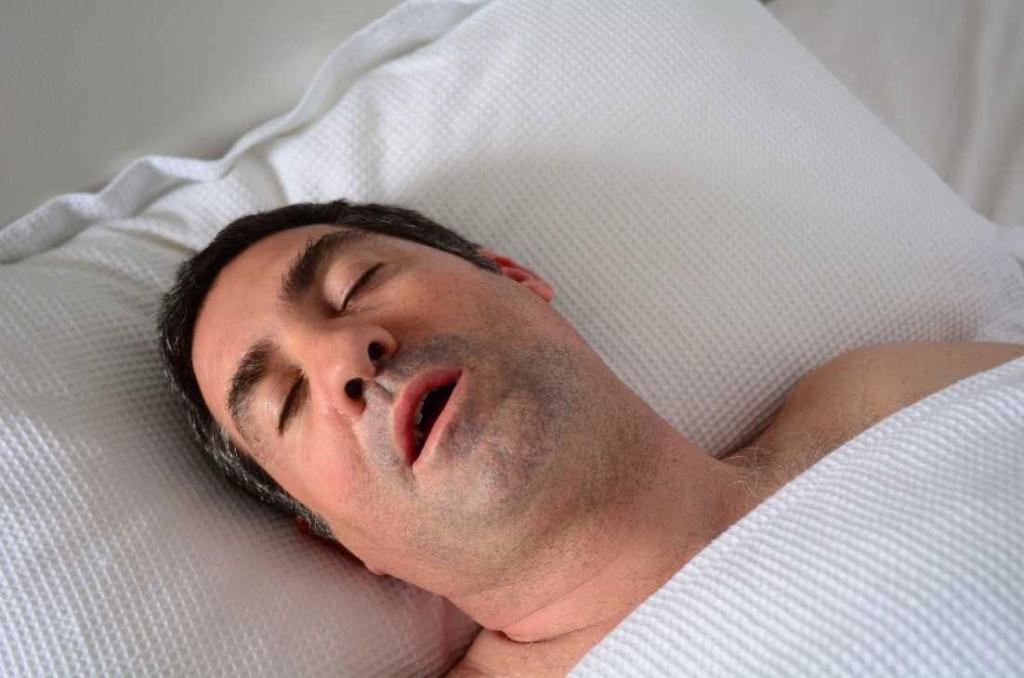
Blood Pressure and Moderate Sleep Apnea
- Moderate sleep apnea can raise blood pressure due to frequent stop breathing episodes of during sleep.
- When the throat relaxes and the airway narrows, oxygen levels drop, putting stress on the cardiovascular system.
- Early intervention is vital for treating sleep apnea and reducing long-term health risks.
- Using CPAP therapy helps keep the airway open, but some patients may struggle to tolerate CPAP at first.
- Alternative treatments include oral appliance therapy or positional therapy for sleep apnoea management.
- Regular monitoring of blood pressure, alongside lifestyle changes such as weight management, can improve overall outcomes.
- Consulting a sleep medicine specialist ensures personalized care and effective symptom management.
Treatment Options for Mild Sleep Apnea
Treatment for mild OSA focuses on improving sleep quality and preventing progression. Lifestyle changes such as losing weight, quitting smoking, adjusting sleeping position, or optimizing weight can keep the airway open. Devices such as a mandibular advancement device or oral appliance therapy help reduce airway blockages and respiratory sleep disruptions at night.
Using a CPAP machine provides steady air pressure, keeping the upper airway muscles from collapsing. Other medical treatments include nasal surgery, OSA surgery, or participation in clinical trials for new therapies. Combining treatment with lifestyle changes can lead to fewer interruptions and a good night’s rest.
Preventing Complications from Untreated Sleep Apnea
Even mild sleep apnea can increase the risk of complications if left untreated. Untreated sleep apnea may contribute to high blood pressure, heart problems, and worsening sleep-disordered breathing. Patients with severe obstructive sleep apnea (OSA have a higher risk of cardiovascular issues, but early intervention can prevent long-term problems.
Managing risk factors such as excess weight, respiratory depressant medications, and poor sleeping position is critical. Bariatric surgery, weight loss, and lifestyle changes can improve blood oxygen levels and reduce the frequency of breathing stops.
Final Thought:
Don’t let mild sleep apnea or excessive daytime sleepiness affect your life. Connect with SLIIIP.COM to explore treatment options, improve sleep quality, and enjoy restful sleep. Reach out now at 478-238-3552 for expert care and guidance.
Latest posts
-
Why Are My Naps Never Refreshing?
Last updated: October 2, 2026. Medically reviewed by Dr. Avinesh Bhar, Board-Certified Sleep Physician, SLIIIP.com. Naps that leave you groggy usually come down to how long you sleep, when you…
-
Is Sleeping Too Much a Sleep Disorder?
Last updated: October 2, 2026. Medically reviewed by Dr. Avinesh Bhar, Board-Certified Sleep Physician, SLIIIP.com. Sleeping too much is not always a sleep disorder, but it can be a sign…
-
Why Does My Insomnia Get Worse After Stopping Sleep Medication?
Last updated: October 2, 2026. Medically reviewed by Dr. Avinesh Bhar, Board-Certified Sleep Physician, SLIIIP.com. Insomnia can get worse after stopping sleep medication for three main reasons. They are rebound…
Get updates
Spam-free subscription, we guarantee. This is just a friendly ping when new content is out.

