
Why Sleep Apnea Looks Different in Women
You wake up exhausted, even after a full night in bed. Your mood feels off. You have headaches most mornings, and no amount of coffee seems to help. You may have mentioned these things to a friend or even a doctor, only to hear that it is probably stress, hormones, or just part of getting older.
But what if the real answer has been hiding in your sleep all along?
Dr. Avinesh Bhar, the Founder of SLIIIP, is also a sleep apnea sufferer. He has helped thousands get the evaluation and support they need, and he and his team of board-certified sleep medicine physicians can help you too. This guide breaks down everything you need to know about sleep apnea symptoms in women so you can recognize the signs and take the right next step.
Book a Sleep Evaluation With Our Board-Certified Sleep Doctors
SLIIIP’s team of board-certified sleep medicine physicians is licensed in 40 states and ready to help. No referral needed. No long waits. Consultations happen from the comfort of your home via telemedicine.
We can help with: Sleep Apnea Evaluation and Diagnosis, Home Sleep Testing, CPAP Therapy and Management, Oral Appliance Therapy, Snoring, Chronic Fatigue and Daytime Sleepiness, Sleep-Related Breathing Disorders, Hormonal and Menopause-Related Sleep Concerns.
We accept Medicare, Tricare, and most major insurance plans. Book your appointment today.
Sleep apnea is widely associated with loud snoring and daytime drowsiness, and most people picture a middle-aged man when they hear the term. Research now shows that an estimated 10 to 15 percent of women in the United States live with obstructive sleep apnea, and as many as 90 percent of them remain undiagnosed. The reason is simple: women often experience sleep apnea differently than men, and those differences can make the condition easy to overlook.

Understanding how the signs of sleep apnea show up in women is the first step toward getting the right support and reclaiming restful nights.
How Women Experience Sleep Apnea Differently
Most of the early research on obstructive sleep apnea, often called OSA, was conducted on men. That means the screening tools, diagnostic criteria, and general awareness around sleep apnea were built around symptoms that men typically report, like loud snoring, witnessed breathing pauses, and excessive daytime sleepiness.
Check all that apply:
- ☐ Constant fatigue, even after a full night’s sleep
- ☐ Insomnia or frequent nighttime awakenings
- ☐ Anxiety, low mood, or irritability that worsens with poor sleep
- ☐ Brain fog or trouble concentrating
- ☐ Morning headaches
- ☐ Waking up gasping, short of breath, or with a racing heart
- ☐ Little or no loud snoring
- ☐ Symptoms worsened during pregnancy, perimenopause, or menopause
- ☐ Difficulty losing weight or unexplained weight gain
- ☐ Told symptoms are “stress,” “anxiety,” or “just insomnia”
Women can experience all of those things too, but they are more likely to describe their symptoms in other ways. Instead of saying “I snore loudly,” a woman may say “I just cannot fall asleep” or “I keep waking up during the night.” Instead of reporting daytime sleepiness, she might describe ongoing fatigue, brain fog, difficulty concentrating, or changes in mood.
According to the National Heart, Lung, and Blood Institute, women with sleep apnea more often report morning headaches, difficulty staying asleep, feelings of anxiety or depression, and a general sense of low energy throughout the day. These symptoms overlap with many other conditions, which is precisely why they are so often attributed to something else entirely.
Common Symptoms of Sleep Apnea in Women
While every person is different, certain patterns tend to appear more frequently in women who are later found to have obstructive sleep apnea. Recognizing these patterns can help you connect the dots between what you are feeling and what might be happening during your sleep.
Morning Headaches
Waking up with a dull, pressing headache is one of the more common signals in women with OSA. These headaches are often tension-type, felt around the forehead, temples, or the back of the head. They are believed to result from fluctuating oxygen levels during the night. If you frequently wake up with headaches related to poor sleep, it may be worth exploring further.
Difficulty Falling and Staying Asleep
Many women with sleep apnea describe something that looks and feels like general difficulty with sleep. They may have trouble falling asleep, wake up repeatedly through the night, or find themselves alert at 2 or 3 in the morning with no ability to drift back off. Researchers believe this pattern is connected to a physical stress response that occurs when breathing is disrupted during sleep.
Fatigue That Sleep Does Not Fix
One of the most frustrating experiences women describe is sleeping for seven or eight hours and still waking up feeling tired. This kind of persistent fatigue, the kind that does not improve with rest, is a hallmark of disrupted sleep quality rather than insufficient sleep quantity.
Mood Changes, Anxiety, and Irritability
Mood shifts are frequently reported by women with unrecognized sleep apnea. Feelings of depression, anxiety, irritability, or emotional reactivity can all be linked to chronic disruptions in sleep. Because these symptoms are common in many other contexts, they are often addressed with other approaches before anyone considers a sleep-related cause.
Brain Fog and Difficulty Concentrating
Trouble with memory, focus, and clear thinking is another pattern that shows up in women with OSA. The connection between sleep apnea and brain fog is well established, and the impact on daily cognitive function can be significant.
Restless Legs and Nighttime Discomfort
Women with sleep apnea may also report restless legs, a feeling of needing to move the legs accompanied by an uncomfortable sensation. This can be especially noticeable during hormonal shifts such as pregnancy or menopause.
Frequent Nighttime Bathroom Visits
Getting up multiple times during the night to use the bathroom, known as nocturia, is another symptom that women with OSA report more frequently. While it may seem unrelated to breathing, repeated arousals during the night can influence kidney function and bladder signaling.
Why Are Women Underdiagnosed?
The gap between how many women likely have sleep apnea and how many are actually identified is significant. Several factors contribute to this.
First, many screening tools were developed using male-dominant study populations. The questionnaires and risk assessments commonly used in clinical settings may not capture the symptoms women are most likely to report. A woman who describes fatigue and mood changes may not score high enough on a standard screening to be referred for a sleep evaluation.
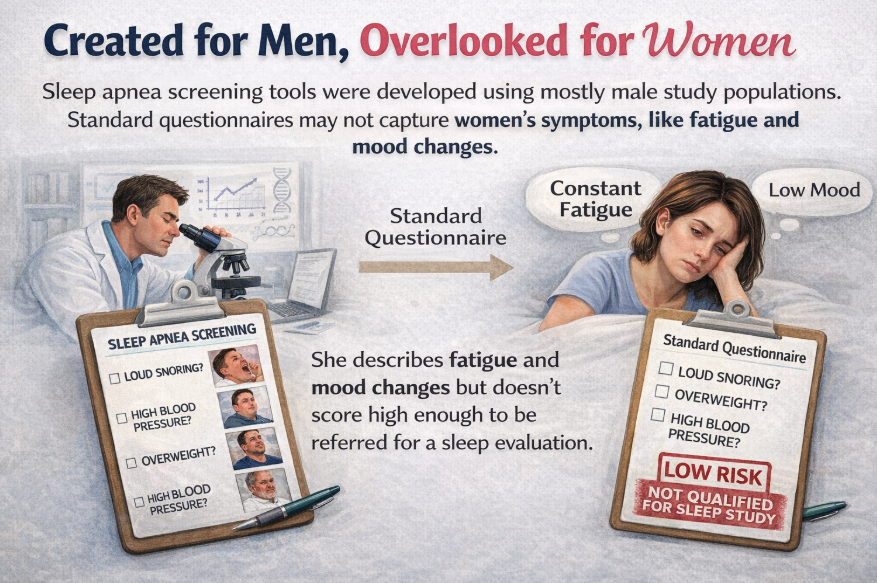
Second, women may underreport certain symptoms. Snoring, for example, tends to be less loud in women than in men, and women may not mention it because they are unaware it is happening or because they associate snoring with men. Bed partners may also be less likely to notice quieter snoring.
Third, the overlap between sleep apnea symptoms and other conditions commonly experienced by women, such as depression, anxiety, thyroid issues, and menopause-related changes, means that sleep apnea may simply not be considered as a possibility.
The Role of Hormones and Life Stages
Hormones play an important role in airway muscle tone, and shifts in estrogen and progesterone levels appear to influence a woman’s likelihood of developing sleep apnea.
Menstrual Cycle
Some research suggests that OSA symptoms may fluctuate throughout the menstrual cycle, with breathing disruptions becoming more frequent during menstruation and improving after ovulation when progesterone levels rise.
Pregnancy
Changes in the upper airway, weight gain, and shifts in breathing control during pregnancy can raise the likelihood of developing sleep apnea. This is particularly relevant during the third trimester. Women who are older or who carry more weight during pregnancy may face a higher likelihood of sleep-related breathing changes. The topic of sleep quality during pregnancy deserves careful attention.
Menopause and Perimenopause
The transition into and through menopause is one of the most significant periods of increased risk for women. Declining estrogen and progesterone levels can reduce muscle tone in the upper airway, and the weight changes that often accompany menopause can add another contributing factor. Research shows that women’s risk for OSA increases substantially during and after menopause.
Polycystic Ovary Syndrome
Women with polycystic ovary syndrome, or PCOS, may have a higher prevalence of obstructive sleep apnea. Hormonal imbalances associated with PCOS, including elevated androgen levels and lower estrogen, along with changes in body composition, may contribute to this increased prevalence.
Other Factors That May Increase Risk
Beyond hormonal influences, several other factors are associated with a higher likelihood of OSA in women. Carrying excess weight, particularly around the neck and upper body, is one of the strongest contributing factors. A neck circumference of 16 inches or greater in women is generally considered a signal worth exploring further.
Anatomical characteristics such as a smaller jaw, narrower airway, or recessed chin can also play a role. Family history of sleep-related breathing issues, age, and certain lifestyle factors like alcohol use close to bedtime may further contribute.
Why Recognizing These Symptoms Matters
Unaddressed obstructive sleep apnea in women is associated with a range of long-term wellness concerns. Disrupted breathing during sleep has been linked to cardiovascular strain, including elevated blood pressure and an increased likelihood of heart-related concerns. It has also been associated with metabolic challenges, cognitive difficulties, and a reduced overall quality of life.
For women who are pregnant, unrecognized OSA may carry additional significance, as it has been associated with complications during pregnancy.
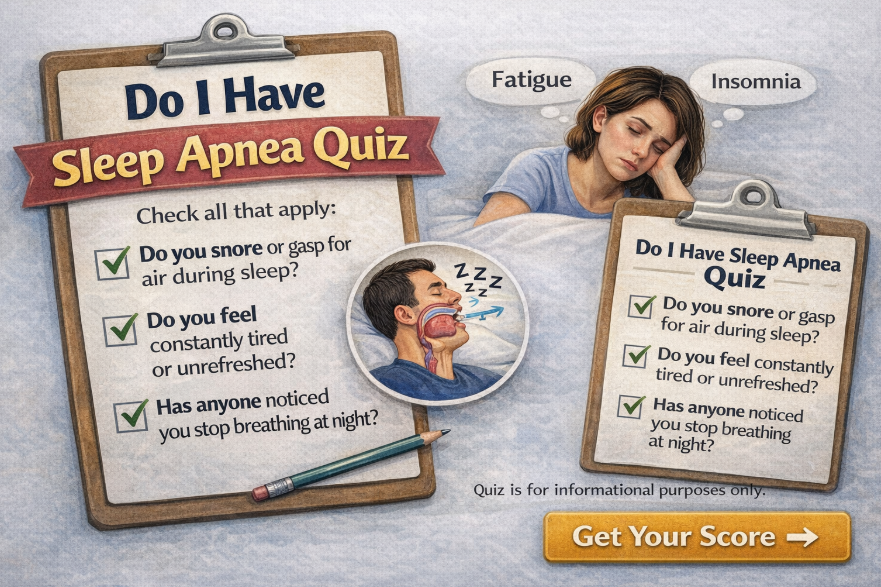
If you suspect that you may have sleep apnea, please check our “Do I have Sleep Apnea Quiz” and find out the reasons.
Day to day, the persistent fatigue, brain fog, and mood changes that come from fragmented sleep affect relationships, work performance, and general wellbeing. Getting to the root of these experiences can open the door to meaningful improvements.
What to Do If You Recognize These Patterns
If you see yourself in the symptoms described above, the next step is to have an open conversation with a healthcare provider. Because sleep apnea in women is often missed in standard screenings, it helps to be specific about what you are experiencing: the headaches, the nighttime awakenings, the fatigue that does not respond to more sleep, the mood shifts.
A sleep evaluation is the most reliable way to understand what is happening during your sleep. Many women find that a home sleep apnea test is a convenient and comfortable option. These tests can be done in your own bed and typically involve wearing a small device that monitors breathing, oxygen levels, and heart rate overnight. If you are unsure whether a sleep evaluation is right for you, exploring the sleep apnea quiz on SLIIIP may help you decide.
At SLIIIP we use these types of home sleep test devices and they are approved by home sleep tests.

If a breathing concern is identified, a sleep specialist can guide you through the options. These may include CPAP therapy, oral appliance therapy, lifestyle adjustments, or a combination of approaches tailored to your situation.
A Note on Self-Advocacy
Women have historically been underrepresented in sleep research, and the consequences of that gap are still being felt today. If you feel that your symptoms are being dismissed or attributed to something else without adequate investigation, trust what your body is telling you. Ask about sleep-related breathing evaluations specifically.
Ready to Get Answers About Your Sleep?
SLIIIP’s board-certified sleep medicine physicians are licensed in 40 states and specialize in identifying sleep apnea in women, even when symptoms look different from the textbook. Get evaluated from home with no referral required.
We can help with: Sleep Apnea Screening and Diagnosis, Home Sleep Testing, CPAP Setup and Ongoing Management, Oral Appliance Therapy, Excessive Daytime Sleepiness, Morning Headaches and Fatigue, Sleep-Related Mood and Cognitive Concerns.
We accept Medicare, Tricare, and most major insurance plans. Schedule your evaluation now.
Frequently Asked Questions
What are the first signs of sleep apnea in women?
Many women first notice persistent morning headaches, difficulty staying asleep through the night, and a level of fatigue that does not improve with more sleep. Mood changes such as increased irritability, anxiety, or low mood are also common early signals.
Can sleep apnea in women cause weight gain?
Disrupted sleep can affect hormones that regulate appetite and metabolism. While sleep apnea itself does not directly cause weight gain, the fatigue and metabolic shifts associated with poor quality sleep may make it more difficult to maintain a healthy weight.
Is sleep apnea more common after menopause?
Yes. Research consistently shows that the prevalence of obstructive sleep apnea in women increases significantly during and after menopause, likely due to declining levels of estrogen and progesterone and changes in body composition.
Can sleep apnea in women cause anxiety and depression?
Chronic sleep disruption is strongly associated with mood changes. Many women with unrecognized sleep apnea report feelings of anxiety and depression that improve when the underlying sleep issue is addressed.
Why do doctors miss sleep apnea in women?
Standard screening tools were largely developed based on research conducted on men, which means they may not capture the symptoms women most commonly report. Women also tend to describe their symptoms differently, using words like “tired” or “foggy” rather than “sleepy,” which can lead to different clinical interpretations.
Do women snore less than men with sleep apnea?
Women with sleep apnea may snore less loudly or less frequently than men. Some women with OSA do not snore noticeably at all, which is one reason the condition is more easily overlooked.
Can pregnancy cause sleep apnea?
Pregnancy can increase the likelihood of developing sleep-related breathing changes, particularly during the third trimester. Changes in airway anatomy, weight, and hormonal levels during pregnancy may all contribute.
What is the connection between PCOS and sleep apnea?
Polycystic ovary syndrome is associated with hormonal imbalances that may increase the likelihood of obstructive sleep apnea. Women with PCOS may benefit from discussing sleep-related symptoms with their healthcare team.
How is sleep apnea tested in women?
Sleep apnea is evaluated through a sleep study, which can be conducted in a sleep lab or at home. A home sleep test monitors breathing patterns, oxygen levels, and heart rate while you sleep in your own bed.
Can sleep apnea affect a woman’s heart health?
Yes. Obstructive sleep apnea has been linked to elevated blood pressure, irregular heart rhythms, and other cardiovascular concerns. Addressing sleep-related breathing issues may support overall cardiovascular wellbeing.
Is CPAP the only option for women with sleep apnea?
No. While CPAP is a common approach, oral appliances are an alternative that many women find comfortable and practical, particularly for mild to moderate cases.
Can losing weight help with sleep apnea in women?
For women whose sleep apnea is related to excess weight, weight management may help improve symptoms. However, sleep apnea can also occur in women who are not overweight, so a comprehensive evaluation is always recommended.
What does sleep apnea fatigue feel like?
Women with sleep apnea often describe a deep, persistent tiredness that goes beyond normal sleepiness. It may include difficulty concentrating, feeling drained even after rest, and a general sense of low energy throughout the day.
Can sleep apnea cause nighttime sweating in women?
Some women with sleep apnea report night sweats, which may be related to the body’s stress response during breathing disruptions. This symptom can overlap with hormonal changes during menopause, making it harder to identify the cause.
Should I see a sleep specialist or my regular doctor first?
Starting with your primary care provider is a reasonable first step. If they suspect a sleep-related concern, they may refer you to a sleep specialist for further evaluation. You can also explore telemedicine sleep consultations for convenient access to expert guidance.
Can young women get sleep apnea?
Yes. While the risk increases with age, sleep apnea can occur at any age. Women with certain anatomical features, hormonal conditions like PCOS, or a family history of sleep-related breathing issues may be affected earlier in life.
How does sleep apnea affect daily life for women?
Untreated sleep apnea can affect energy, concentration, mood, relationships, and work performance. Many women describe feeling like they are operating at a fraction of their capacity until the underlying sleep issue is identified and addressed.
Are home sleep tests accurate for women?
Home sleep tests are a practical and widely used method for evaluating obstructive sleep apnea. They may slightly underestimate the severity of the condition compared to an in-lab study, but they remain a valuable starting point for most women. SLIIIP offers home sleep testing options that can be completed in the comfort of your home.
What happens if sleep apnea goes untreated in women?
Over time, untreated sleep apnea may contribute to cardiovascular concerns, metabolic challenges, cognitive difficulties, and a significantly reduced quality of life. Early identification is associated with better long-term outcomes.
Can sleep apnea be confused with menopause symptoms?
Absolutely. Fatigue, mood changes, difficulty sleeping, and night sweats are common to both menopause and sleep apnea. Because the onset of sleep apnea often coincides with menopause, the two can easily be confused. If symptoms persist despite other approaches, a sleep evaluation may provide clarity.
Latest posts
-
Can Lack of Sleep Cause Depression?
You have been running on too little rest for weeks, maybe months. The exhaustion has settled into something deeper. It is not just tiredness anymore. The world feels grayer and…
·
-
Why Do I Feel Sad and Unmotivated When I Don’t Sleep?
You set the alarm early, planned your whole day, and still ended up lying on the couch by noon wondering what went wrong. Your to-do list sits untouched. You feel…
·
-
Is My Depression Actually a Sleep Problem?
You are exhausted all the time. You have lost interest in things you used to enjoy. Concentrating feels impossible. Your mood is flat, or worse. Your doctor diagnosed depression but…
Get updates
Spam-free subscription, we guarantee. This is just a friendly ping when new content is out.

