

Why Do I Feel Sad and Unmotivated When I Don’t Sleep?
You set the alarm early, planned your whole day, and still ended up lying on the couch by noon wondering what went wrong. Your to-do list sits untouched. You feel heavy, foggy, and oddly emotional about things that normally would not bother you. Everything feels harder than it should.
Dr. Avinesh Bhar, the Founder of SLIIIP has seen many patients with sleep issues and often it’s linked to a sleep disorder. In this article he will discuss ways to sleep and how you can test for a sleep disorder.
How Sleep Fuels Your Emotional Engine
Sleep is far more than rest for the body. It is when your brain performs essential maintenance on the systems that regulate mood and motivation. Two chemicals play starring roles in this process: serotonin, which supports emotional stability and a sense of calm, and dopamine, which powers your motivation, reward-seeking behavior, and ability to feel pleasure.
During the deeper stages of your sleep cycle, including REM sleep, your brain rebalances these neurochemicals and processes the emotional experiences of the day. When sleep is cut short or disrupted, this reset is incomplete. The result is a noticeable dip in mood, energy, and drive that can last well into the following day.
Research from the National Heart, Lung, and Blood Institute confirms that sleep deficiency can cause problems with managing emotions, making decisions, and coping with change. These are not minor inconveniences. They shape how you experience your entire day.
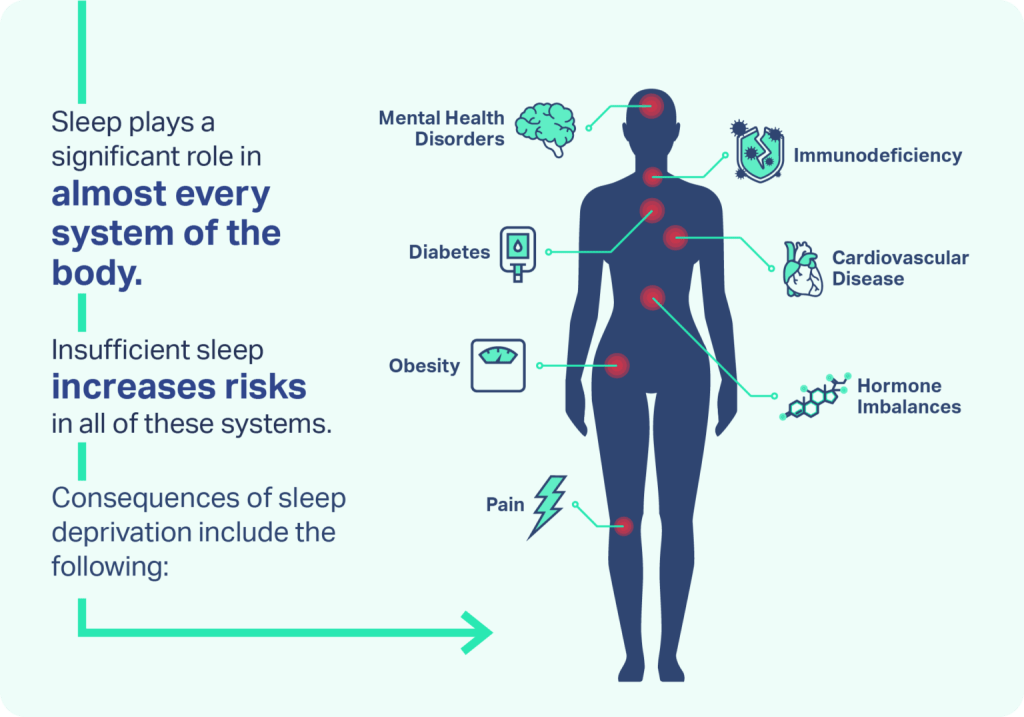
Why Sadness Follows a Bad Night
After a poor night of sleep, a region of the brain called the amygdala becomes significantly more reactive. The amygdala is responsible for processing emotional responses, and when it is overactive, ordinary situations can feel overwhelming, upsetting, or heavy. At the same time, the prefrontal cortex, the part of your brain that helps moderate those emotional reactions, becomes less effective.
This imbalance creates a state where negative emotions hit harder and positive ones feel muted. You might find yourself feeling tearful for no clear reason, dwelling on minor setbacks, or experiencing a general sense of emptiness that makes it difficult to enjoy things you normally love.
What If Your Poor Sleep Has a Physical Cause?
SLIIIP’s board-certified sleep physicians can evaluate whether breathing disruptions are triggering your nighttime anxiety. Virtual consultations in all 50 states. Home sleep tests shipped to your door.
Research published by Harvard’s Division of Sleep Medicine found that participants limited to 4.5 hours of sleep for just one week reported feeling significantly more sad, stressed, and mentally exhausted.
The important thing to understand is that this emotional shift is not a reflection of weakness or a character flaw. It is a predictable biological response to insufficient rest.
The Motivation Problem
Motivation depends heavily on your brain’s dopamine system, which rewards goal-directed behavior. When you are sleeping enough hours but still wake up tired, or when your rest is fragmented and shallow, those dopamine circuits do not fully recharge. Tasks that usually feel manageable suddenly require enormous effort. The gym feels impossible. Work deadlines feel meaningless. Even simple choices, like deciding what to eat, can feel paralyzing.
One helpful distinction is the difference between lacking energy and lacking interest. If you still want to do things but your body and mind simply will not cooperate, that often points to a rest issue. If the interest itself has faded entirely, it may be worth having a deeper conversation with a sleep specialist or healthcare provider.
The Cycle That Keeps You Stuck
One of the most frustrating aspects of sleep-related sadness and low motivation is the cycle it creates. When you feel down, you are more likely to cancel plans, skip exercise, stay indoors, and withdraw from activities that would normally boost your mood. Those are exactly the behaviors that tend to reinforce low mood, creating a loop that can be difficult to break without intentional effort.
Physical activity, social connection, and exposure to natural sunlight are all powerful mood regulators, but they require a baseline level of energy and motivation that poor sleep actively undermines. Breaking this cycle starts with addressing the foundation: your sleep. Understanding the importance of sleep is the first step toward regaining control.

Practical Steps to Rebuild Your Energy and Mood
The good news is that mood improvements often happen surprisingly quickly once sleep quality improves. Many people report a noticeable shift in outlook and energy within just a few consecutive nights of better rest.
Start with your morning. Building a consistent morning routine that includes exposure to natural light within the first hour of waking helps set your circadian clock and signals your brain to be alert during the day and restful at night.
In the evening, a calming wind-down period makes a significant difference. Stepping away from screens, dimming lights, and engaging in something relaxing, whether that is reading, gentle stretching, or listening to calming sounds, helps your nervous system transition from wakefulness to rest.
Pay attention to how much core sleep you are actually getting. It is not just about hours in bed. It is about whether those hours include the deep, restorative stages your brain needs. If you are consistently sleeping seven or eight hours and still waking up feeling flat and exhausted, the quality of your rest may need a closer look.
When Rest Alone Is Not Enough
If you have made genuine improvements to your sleep habits and still feel persistently sad, unmotivated, or emotionally drained, it may be time to explore whether something is disrupting your sleep from the inside. Breathing disruptions during the night, which many people are entirely unaware of, can fragment sleep architecture and prevent the brain from completing its essential nightly maintenance.
Understanding the signs that your sleep may be disrupted beyond what you can see or feel is an important step.
A home sleep test offers a simple, comfortable way to gather data about what is really happening while you rest.

You deserve to wake up feeling like yourself. Understanding the connection between sleep and mood is the first step toward reclaiming your energy, your motivation, and your emotional balance.
Frequently Asked Questions
Can one bad night of sleep really affect my mood?
Yes. Even a single night of poor sleep can increase emotional reactivity, reduce positive mood, and make everyday stressors feel more overwhelming. The effect is measurable and well-documented in research.
Why do I feel like crying after not sleeping well?
When you are sleep deprived, the amygdala becomes overactive while the prefrontal cortex, which normally keeps emotions in check, becomes less effective. This makes emotional reactions more intense and harder to control.
Is feeling unmotivated after poor sleep normal?
Completely. Motivation depends on dopamine pathways that recharge during sleep. When rest is insufficient, those circuits are sluggish, making even simple tasks feel like enormous efforts.
How long does it take for better sleep to improve my mood?
Many people notice improvements within two to three consecutive nights of quality rest. Longer-term improvements build over weeks of consistent sleep habits.
Can poor sleep mimic the symptoms of a mood disorder?
Yes. Chronic poor sleep can produce feelings of sadness, emotional numbness, irritability, and loss of interest that closely resemble mood-related concerns. This overlap between depression and sleep problems is why addressing sleep quality is often a helpful first step.
What is the difference between sleepiness and low mood?
If you still have the desire to do things but lack the physical energy, that typically points to a rest issue. If you have lost interest in activities altogether, that may warrant a conversation with a professional.
Does napping help when I feel sad from poor sleep?
Short naps of about 20 minutes can provide a temporary boost in alertness and mood. However, long or late-afternoon naps can interfere with nighttime rest and worsen the cycle.
Can my sleep environment affect my emotional wellbeing?
Absolutely. A bedroom that is too warm, too bright, or too noisy can reduce sleep quality and contribute to next-day mood difficulties. Small adjustments to your environment can make a meaningful difference.
Does screen time before bed affect mood the next day?
Yes. Blue light from screens suppresses melatonin production, delays sleep onset, and can reduce overall sleep quality, all of which contribute to lower mood and motivation the following day.
Why does poor sleep affect some people more than others?
Individual differences in brain chemistry, stress levels, overall health, and baseline sleep needs all play a role. Some people are naturally more sensitive to the emotional effects of poor rest.
Can lack of sleep cause emotional numbness?
Yes. Research shows that sleep deprivation has a particularly strong effect on positive emotions, leading to a kind of emotional flattening where joy, excitement, and contentment are significantly diminished.
Should I take supplements to improve my mood after poor sleep?
While some supplements are marketed for mood support, the most effective foundation is consistently improving the quality of your rest. Talk to a healthcare provider before starting any new supplement.
Is there a connection between sleep quality and anxiety?
Yes. Poor sleep quality is closely associated with increased anxiety. The same brain circuits that regulate mood are also involved in managing worry and stress responses. Exploring sleep solutions for mental health can help address both concerns.
Can exercise help if I feel sad from lack of sleep?
Physical activity is a powerful mood booster, even when you are tired. A short walk or gentle movement can help lift mood and improve subsequent sleep quality.
How do I know if my sadness is from poor sleep or something else?
If your low mood consistently correlates with nights of poor rest and improves after good sleep, the connection is likely strong. If sadness persists regardless of sleep quality, a professional evaluation is recommended.
Can breathing problems at night cause sadness during the day?
Yes. Breathing disruptions during sleep can fragment rest without your awareness, preventing the brain from completing the emotional processing cycles it needs. This can directly contribute to next-day mood difficulties and brain fog.
What role does REM sleep play in mood?
REM sleep is when the brain processes and integrates emotional experiences. Disrupted REM sleep is particularly harmful to emotional regulation and positive mood.
Does caffeine help when I feel unmotivated from poor sleep?
Caffeine can temporarily increase alertness, but it does not replace the neurochemical benefits of actual sleep. Overuse can also interfere with your ability to fall asleep later, perpetuating the cycle.
Can a consistent bedtime routine really help my mood?
Yes. Consistency helps regulate your circadian rhythm, making it easier for your body to enter deep, restorative sleep stages. This directly supports better emotional balance the next day.
When should I talk to a professional about sleep-related sadness?
If improving your sleep habits has not resolved persistent feelings of sadness or low motivation after several weeks, or if you experience additional concerns like loud snoring or waking up gasping, a professional evaluation is worthwhile. Approaches like cognitive behavioral therapy for insomnia have shown strong results in improving both sleep and mood.
Latest posts
-
Can Lack of Sleep Cause Depression?
You have been running on too little rest for weeks, maybe months. The exhaustion has settled into something deeper. It is not just tiredness anymore. The world feels grayer and…
·
-
Why Do I Feel Sad and Unmotivated When I Don’t Sleep?
You set the alarm early, planned your whole day, and still ended up lying on the couch by noon wondering what went wrong. Your to-do list sits untouched. You feel…
·
-
Is My Depression Actually a Sleep Problem?
You are exhausted all the time. You have lost interest in things you used to enjoy. Concentrating feels impossible. Your mood is flat, or worse. Your doctor diagnosed depression but…
Get updates
Spam-free subscription, we guarantee. This is just a friendly ping when new content is out.

