

Benefits of a Sleep Study: What You Gain From Knowing
Last updated: November 24, 2026. Medically reviewed by Dr. Avinesh Bhar, Board-Certified Sleep Physician, SLIIIP.com.
The main benefit of a sleep study is a clear answer. It shows whether your breathing, brain waves or movements are disrupted at night, and how badly.
Dr. Avinesh Bhar, Board-Certified Sleep Physician at SLIIIP.com, often tells patients to stop normalizing fatigue, because years of feeling tired can hide a treatable sleep disorder.
A sleep study replaces guesses with measured data about your sleep. That data is what lets a doctor match treatment to the real problem.
SLIIIP’s board-certified sleep physicians can do sleep evaluations for sleep apnea. Virtual consultations in all 50 states. Home sleep tests shipped to your door.
What Are the Benefits of a Sleep Study?
A sleep study tells you whether a sleep disorder is present, which type it is and how severe it is. Those three facts shape every next step.
Here are the main gains people get from testing:
- A name for the problem. Snoring, gasping and daytime sleepiness can come from several causes. Testing narrows them down.
- A severity level. Sleep apnea is graded as mild, moderate or severe. The grade affects which treatments fit.
- Access to treatment. Most insurance plans need a documented diagnosis before they pay for CPAP or other therapy.
- A baseline. Your first results give a point of comparison if symptoms change later.
- Peace of mind. A normal result is useful too. It lets you and your doctor look at other causes of fatigue.
According to the NHLBI, sleep studies help show which type of sleep apnea a person has and how serious it is.
What Does a Sleep Study Actually Measure?
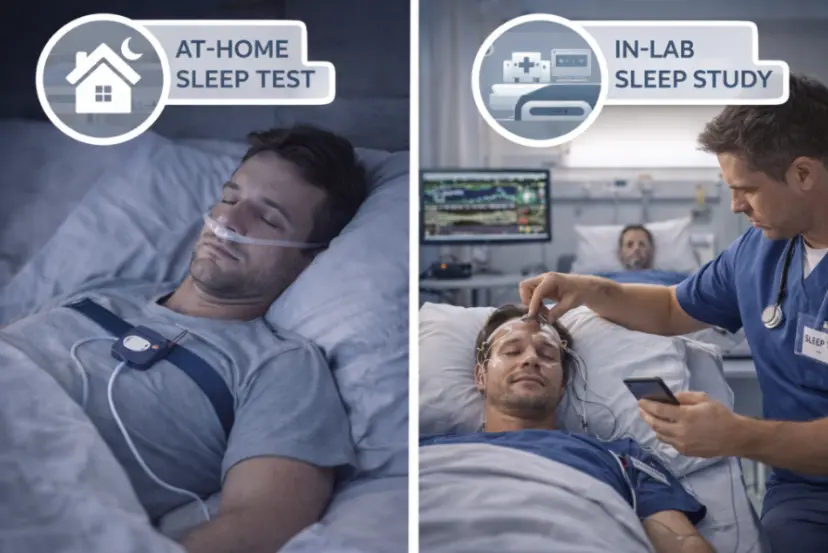
A full lab sleep study records brain waves, eye movements, muscle activity, breathing, heart rate and leg movements. This lab test is called polysomnography.
MedlinePlus notes that polysomnography can help diagnose obstructive and central sleep apnea, narcolepsy, periodic limb movement disorder and REM behavior disorder.
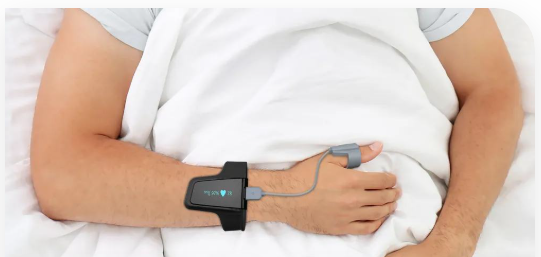
A home sleep apnea test is simpler. It usually tracks airflow, breathing effort, oxygen levels and heart rate. It is designed to look for sleep apnea, not every sleep disorder.
How Does Knowing Help Your Health?
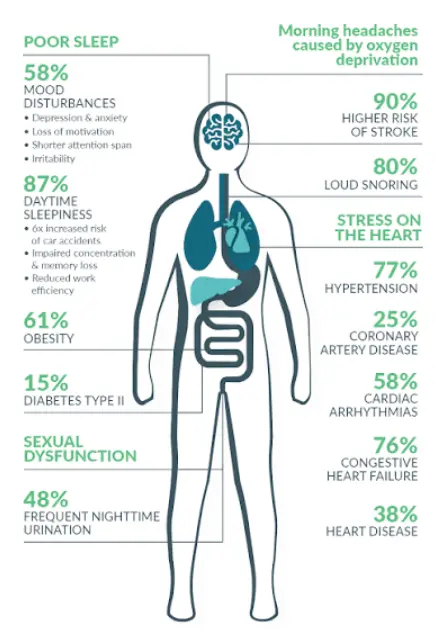
Untreated sleep apnea is linked to high blood pressure, heart rhythm problems, stroke and daytime accidents. Knowing your status lets you act on those links early.
Many people live with symptoms for years. They blame stress, age or a busy schedule. A sleep study can show whether something more is going on.
Treatment choices also depend on the type of apnea. Obstructive sleep apnea often responds to CPAP or an oral appliance. Central sleep apnea may need a different approach. Without a test, there is no way to tell them apart.
Is a Sleep Study Worth It If You Only Snore?
Snoring alone does not always mean sleep apnea, but loud snoring with pauses, gasping or daytime sleepiness is a reason to test. A study separates simple snoring from a breathing disorder.
What Happens After the Results?
Your results go to a sleep physician, who explains them and recommends next steps. That might be CPAP, an oral appliance, weight management support, position therapy or more testing.
If the study is normal but you still feel exhausted, that is useful information too. Your doctor can look at insomnia, circadian rhythm problems, medications or other medical causes.
Some people also learn that their sleep is better than they feared. That can ease worry and point attention toward habits and schedule.
Who Benefits Most From a Sleep Study?
Adults with loud snoring, witnessed breathing pauses, daytime sleepiness or hard-to-control blood pressure often gain the most from testing.
These groups have a higher chance of a treatable finding.
- People who wake up tired after a full night in bed.
- People who doze off while reading, watching TV or driving.
- People with heart rhythm problems, type 2 diabetes or high blood pressure.
- People whose partner hears choking or gasping at night.
- Women in perimenopause or menopause with new snoring or broken sleep.
Drowsy drivers deserve special attention. Falling asleep at the wheel puts you and others at risk. A sleep study can show whether a disorder is behind the sleepiness.
Watch: Dr. Bhar explains why you should stop normalizing fatigue
Home Test or Lab Test: Which Gives More Benefit?
A home sleep test is convenient and works well for many adults with suspected obstructive sleep apnea. You sleep in your own bed and return the device by mail.
A lab study gives more detail. It is often the better choice when a doctor suspects narcolepsy, movement disorders or central sleep apnea. It may also help when heart or lung disease is present.
When to See a Doctor
See a doctor if you snore loudly, stop breathing in your sleep, wake up gasping or feel sleepy during the day. Morning headaches and trouble focusing are also worth mentioning.
Dr. Avinesh Bhar recommends booking an evaluation when daytime sleepiness affects driving, work or mood, even if you have learned to live with it. A sleep physician can decide whether a home test or a lab study fits your symptoms.
Call 911 for chest pain, sudden weakness or severe shortness of breath. Those signs need emergency care, not a sleep study.
Insurance and Getting Started
SLIIIP works with many major insurance plans, including Medicare, TRICARE, Aetna, Cigna, Blue Cross Blue Shield, Humana and UnitedHealthcare.

Check your coverage in a few minutes, then book a virtual visit with a board-certified sleep physician.
For cash payments, price for Initial Consultation is $150
Follow up appointments cost $125
Frequently Asked Questions
What is the main benefit of a sleep study?
It gives a clear diagnosis. You learn whether a sleep disorder is present and how severe it is.
Can a sleep study find problems other than sleep apnea?
A lab study can help find narcolepsy, limb movement disorders and REM behavior disorder. A home test mainly looks for sleep apnea.
Do I need a sleep study to get CPAP?
In most cases, yes. Insurance and suppliers usually need a documented diagnosis and a prescription.
Is a home sleep test as useful as a lab study?
For many adults with suspected obstructive sleep apnea, it is. A lab study gives more detail for complex cases.
Does a sleep study hurt?
No. Sensors are taped or strapped on, and there are no needles.
How long does a sleep study take?
Most studies cover one night of sleep. Some home tests may use more than one night.
What if my sleep study is normal?
A normal result rules out some causes. Your doctor can then look at other reasons for fatigue.
Can a sleep study show how severe my sleep apnea is?
Yes. Results include an index of breathing events per hour that sets the severity level.
Will a sleep study help my insurance cover treatment?
Usually yes. Most plans need test results before they cover therapy.
Can I do a sleep study at home?
Yes, for suspected obstructive sleep apnea. A home device is mailed to you and returned after use.
Who reads my sleep study results?
A sleep physician reviews the data and explains what it means for you.
Is a sleep study worth it if I feel fine?
If a partner notices pauses in breathing or loud snoring, testing can still be worth it. Some people do not notice their own symptoms.
Can a sleep study help with insomnia?
It is not always needed for insomnia. It can help when a doctor suspects apnea or another disorder behind it.
How soon will I get results?
Timing varies. Many people hear back within one to two weeks.
Can a sleep study be wrong?
Results can be affected by a bad night or sensor problems. Your doctor may repeat the test if results do not match symptoms.
Does sleep apnea affect the heart?
Untreated sleep apnea is linked to high blood pressure and heart rhythm problems. Testing helps find it early.
Do I need a referral for a sleep study?
It depends on your plan. A telehealth sleep physician can often order a home test directly.
Should my partner come to my appointment?
It can help. Partners often notice snoring and breathing pauses that you cannot.
Can I take my usual medicines before a sleep study?
Usually yes, but ask your doctor first. Some sleep aids can affect results.
How do I start the process?
Book a visit with a sleep physician. They will review your symptoms and decide which test fits.
Latest posts
-
What Can a Sleep Test Find Besides Sleep Apnea?
Last updated: November 24, 2026. Medically reviewed by Dr. Avinesh Bhar, Board-Certified Sleep Physician, SLIIIP.com A full lab sleep test can find much more than sleep apnea. It can help…
-
Benefits of a Sleep Study: What You Gain From Knowing
Last updated: November 24, 2026. Medically reviewed by Dr. Avinesh Bhar, Board-Certified Sleep Physician, SLIIIP.com. The main benefit of a sleep study is a clear answer. It shows whether your…
-
Can Sleep Apnea Cause an Enlarged Heart?
Last updated: November 17, 2026. Medically reviewed by Dr. Avinesh Bhar, Board-Certified Sleep Physician, SLIIIP.com. Sleep apnea is associated with heart enlargement, especially thickening of the heart’s main pumping chamber.…
Get updates
Spam-free subscription, we guarantee. This is just a friendly ping when new content is out.

