👉 Register for Free. How to Diagnose Sleep Apnea Faster in Primary Care – FREE Webinar by Dr. Audrey Wells. – Friday, April 24 at 12 PM ET


Best Home Sleep Test in 2026
Last updated: October 30, 2026. Medically reviewed by Dr. Avinesh Bhar, Board-Certified Sleep Physician, SLIIIP.com.
The best home sleep test is one that a licensed provider orders, a board-certified sleep physician reads, and a care team can act on. That is why we recommend the 2-night home sleep test from SLIIIP.com: the same team that orders and reads your test can also treat what it finds.
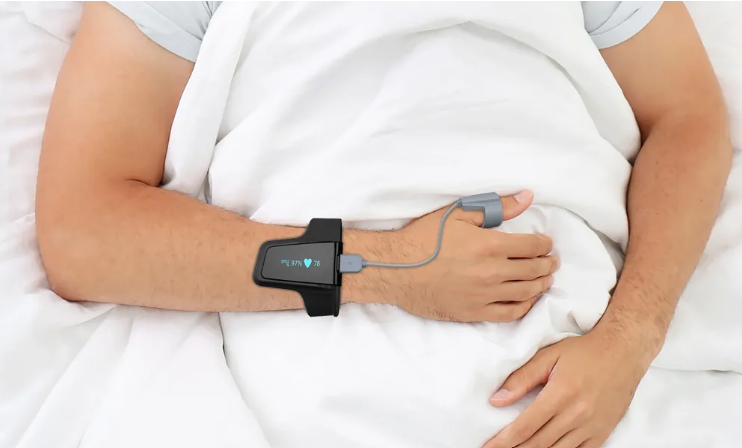
Gadgets that only track oxygen or heart rate can raise a flag, but they cannot diagnose sleep apnea.
Get a 2-night home sleep test shipped to your door and read by a board-certified sleep physician. No referral needed. Available in all 50 states.
What Is the Best Home Sleep Test?
The best home sleep test is a medical-grade test ordered by a licensed provider and read by a board-certified sleep physician, with a clear path to treatment. The device matters less than the full process around it.
Many online lists rank home tests like gadgets. They compare comfort, price, and how fast the box arrives. Those details matter, but they skip the bigger question: what happens after the test? A report only helps if someone acts on it.
A real home sleep apnea test is sometimes called an HSAT. According to the American Academy of Sleep Medicine, these devices measure your breathing and blood oxygen level, and some also track heart rate or other information. A sleep doctor then uses that data to make a diagnosis.
Why Order Your Home Sleep Test From SLIIIP?
SLIIIP is a sleep medicine practice, not just a testing company. Here is what you get when you order from us.
- A sleep doctor comes with the test. A board-certified sleep physician reads your results, and your test is scored to AASM standards.
- Two nights, not one. Recording two nights gives more reliable results and a backup if one night is restless.
- No referral needed. You start with a free 2-minute assessment, and a licensed SLIIIP provider orders your test if it is right for you.
- Results in 48 to 72 hours. You get a sleep report and a clear next step.
- Treatment with the same team. There is no new clinic, no new intake, and no new wait.
- Options beyond CPAP. Not everyone needs CPAP. Your plan can include oral appliances, CPAP, or drug-free insomnia care.
- Follow-up that keeps going. The same team handles the follow-up visits insurance often requires to keep covering CPAP.
- Clear pricing. Self-pay is $250 with no surprise add-ons. With insurance, you learn your cost before anything ships.
- Experience you can check. SLIIIP has provided 42,000 consultations across all 50 states, and our providers have more than 50 years of combined experience.
With many testing-only services, you get a report and then have to find a doctor on your own. At SLIIIP, the licensed provider who orders your test can also treat what it finds.
Which Types of Home Sleep Tests Count for a Diagnosis?
Home sleep tests that count for a diagnosis record several body signals at once, including airflow or a stand-in for it. Medicare spells out the device types it covers. Its national coverage rule for sleep testing describes three main groups of devices you can use at home.
- Type III devices record at least four channels, including airflow or breathing effort. Most use a small nose tube, a chest belt, and a finger oxygen sensor.
- Type IV devices record three or more channels, and one of them must be airflow. Medicare covers these when they meet that rule.
- PAT-based devices record three or more channels that include peripheral arterial tone, oxygen, and movement. They are usually worn on the wrist and finger.
The SLIIIP test is FDA-cleared and uses a few small sensors and an app on your phone. It records blood oxygen, pulse rate, heart rate variability, airflow and breathing effort, snoring, body position, movement, and sleep stages.
Setup takes about 5 minutes, so you do not need to research model numbers yourself.
Do Smartwatches, Consumer Sleep Rings, and Store-Bought Oximeters Count?
No, smartwatches, consumer sleep rings, and store-bought oximeters do not count as a sleep apnea diagnosis. Some watches can send a breathing alert, and that alert can be a good reason to get tested. A wearable alert is a reason to order a medical sleep test, not a replacement for one.
Watch: Dr. Wells explains which sleep tech is the best
Many over-the-counter kits are sold as wellness products. They may only record oxygen levels from a finger clip. That data cannot show whether you stopped breathing, or why your oxygen dropped. We explain the full difference in our guide to home sleep apnea tests vs. over-the-counter kits.
Be careful with any kit that skips a provider’s order, or any result that arrives without a named physician on the report. If no clinician orders or reads the test, insurers and CPAP suppliers usually will not accept it.
How to Pick a Home Sleep Test Your Doctor Will Accept
Use this checklist before you pay for any home sleep test. Here is how SLIIIP answers each point.
- Does a licensed provider order the test? Yes. A licensed SLIIIP provider reviews your assessment and orders the test if it is right for you.
- Does a board-certified sleep physician read it? Yes. That read is included whether you use insurance or pay yourself.
- Does it record breathing, not only oxygen? Yes. Your test records airflow and breathing effort along with blood oxygen.
- Is your insurance checked first? Yes. The team checks your benefits and tells you your cost before anything ships.
- Is there a plan for next steps? Yes. Your SLIIIP provider reviews your results and creates a treatment plan with you.
- Is there a plan if you do not have sleep apnea? Yes. SLIIIP also treats insomnia, restless legs, circadian rhythm disorders, and more.
If a service cannot answer these questions clearly, keep looking.
How Do You Order a Home Sleep Test From SLIIIP?
You can order from home, with no referral. You can also read more about getting a home sleep test without a referral and how to get a home sleep test.
- Take the assessment and order your test. Answer a few questions about your sleep online. It takes about 2 minutes.
- Provider review. A licensed SLIIIP provider confirms a home test is right for you and orders it.
- Your test arrives. Your test ships to your door with a prepaid return label. You will need a smartphone.
- Sleep and return. Wear it for two nights in your own bed, then mail it back.
- Get your results. A board-certified sleep physician reads your test, and your results and treatment plan come from the same care team.
SLIIIP sends results in 48 to 72 hours. By comparison, the AASM notes that scoring and interpreting a home test may take several days or weeks.
How Much Does a Home Sleep Test Cost?
SLIIIP offers the same 2-night test two ways. A home test also costs less than a sleep lab study and needs no nights away from home.
Self-pay: $250, one time. HSA and FSA cards are accepted. The price includes:
- A 2-night home sleep test, shipped to you
- The provider order and board-certified physician read
- A sleep report sent to you
- A prescription for therapy, if needed
- Your treatment plan, with the same team
Insurance: your cost depends on your plan. SLIIIP works with Medicare, TRICARE, BCBS, UHC, Cigna, and more. Medicaid is not accepted. Your plan includes:
- A 2-night home sleep test, shipped to you
- The provider order and board-certified physician read
- A video results visit, billed to your plan
- Treatment and follow-up with the same team
Prefer to talk to a specialist first? An initial consultation is $150 self-pay, and follow-ups are $125.
Who Is a Good Fit for a Home Sleep Test?
A home sleep test is a good fit for adults who likely have moderate to severe obstructive sleep apnea and no other significant medical conditions. Common signs include loud snoring, gasping at night, and heavy daytime sleepiness. A partner may also notice pauses in your breathing.
The American Academy of Sleep Medicine says a home test is not the right choice for everyone. People with lung disease, neuromuscular disease, or congestive heart failure are usually better served by an in-lab sleep study. The same is true if your doctor suspects a different sleep disorder, such as narcolepsy, or if it would be physically hard for you to set up the test at home.
The SLIIIP assessment checks for conditions that need a lab study instead, and a licensed provider reviews your answers before ordering.
What If Your Home Sleep Test Comes Back Negative?
A negative home sleep test does not always mean you are free of sleep apnea. The American Academy of Sleep Medicine notes that a negative home test cannot fully rule out sleep apnea, and further testing is needed if your symptoms still fit. Home tests can also miss events if a sensor comes loose, which is one reason two nights of data helps.
If you still snore, gasp, or feel very tired, tell your provider. This is where a sleep practice matters. Your SLIIIP provider can look at your results alongside your symptoms and talk through next steps, including an in-lab study or other causes of poor sleep.
When to See a Doctor
Get tested if you snore loudly most nights, wake up gasping, or feel sleepy during the day. Morning headaches, trouble focusing, and high blood pressure are also good reasons to ask about sleep apnea. Untreated sleep apnea is linked to higher risks of heart disease, stroke, and drowsy driving.
Call 911 if you have chest pain, fainting, or trouble breathing. Those signs need urgent medical attention, not a home sleep test.
SLIIIP works with many major insurance plans, including Medicare, TRICARE, and those below.

Get a 2-night home sleep test shipped to your door and read by a board-certified sleep physician. No referral needed. Available in all 50 states.
Frequently Asked Questions
What is the best home sleep test?
We recommend the SLIIIP 2-night test because a board-certified sleep physician reads it and the same team can treat what it finds.
Why should I order from SLIIIP instead of a testing company?
The test is the start, not the finish. The same providers who order and read your test can start treatment and handle follow-up.
Do I need a referral?
No. You start with a free assessment, and a licensed SLIIIP provider orders your test if it is right for you.
Do I need a prescription for a home sleep test?
Yes, a real home sleep apnea test needs a clinician's order. At SLIIIP, the provider order is included.
How much does the SLIIIP home sleep test cost?
Self-pay is $250, one time. With insurance, your cost depends on your plan, and SLIIIP tells you before anything ships.
Can I use my HSA or FSA card?
Yes. The self-pay option accepts HSA and FSA cards.
Does SLIIIP accept my insurance?
SLIIIP works with Medicare, TRICARE, BCBS, UHC, Cigna, and more. Medicaid is not accepted.
How many nights does the SLIIIP test take?
Two nights, in your own bed. The second night gives your physician a backup if one night is restless.
How long do results take?
SLIIIP sends results in 48 to 72 hours.
Who reads my results?
A board-certified sleep physician reads your results, and you receive a sleep report.
What does the SLIIIP test measure?
It records blood oxygen, pulse rate, heart rate variability, airflow and breathing effort, snoring, body position, movement, and sleep stages.
Is the test uncomfortable?
There are no needles and only a few small sensors. Most people sleep normally.
Can a smartwatch diagnose sleep apnea?
No, a smartwatch cannot diagnose sleep apnea. A breathing alert is a good reason to get tested.
Can a pulse oximeter diagnose sleep apnea?
No, an oximeter alone only tracks oxygen and heart rate. It cannot show breathing pauses or confirm sleep apnea.
Does Medicare cover home sleep tests?
Medicare covers certain home sleep testing devices that meet its rules when used to aid diagnosis in people with symptoms. SLIIIP accepts Medicare.
Can a home sleep test miss sleep apnea?
Yes, especially milder cases. A negative result may need more testing if symptoms continue.
Who should not use a home sleep test?
People with lung disease, neuromuscular disease, or heart failure usually need an in-lab study. So do people with other suspected sleep disorders.
Is a home sleep test as good as a lab study?
A home test works well for adults likely to have moderate to severe sleep apnea. A lab study records more signals, including brain waves.
What happens if I need treatment?
Your provider builds a plan with you, and you start with the same team. Options include oral appliances and CPAP.
What if I do not have sleep apnea?
SLIIIP also treats insomnia, restless legs, circadian rhythm disorders, and more, so your provider can look at what else may be affecting your sleep.
SLIIIP's board-certified sleep physicians can do sleep evaluations for sleep apnea. Virtual consultations in all 50 states. Home sleep tests shipped to your door.
Latest posts
-
Best Home Sleep Test in 2026
Last updated: October 30, 2026. Medically reviewed by Dr. Avinesh Bhar, Board-Certified Sleep Physician, SLIIIP.com. The best home sleep test is one that a licensed provider orders, a board-certified sleep…
-
Can a Telehealth Doctor Order a Sleep Study? What You Need to Know
Last updated: October 31, 2026. Medically reviewed by Dr. Avinesh Bhar, Board-Certified Sleep Physician, SLIIIP.com. Yes, a licensed telehealth doctor can order a sleep study after a video visit if…
-
Can I Get a Home Sleep Test Without a Referral? Yes, Here’s How
Last updated: November 5, 2026. Medically reviewed by Dr. Avinesh Bhar, Board-Certified Sleep Physician, SLIIIP.com. Yes, you can get a home sleep test without a referral from your primary care…
Get updates
Spam-free subscription, we guarantee. This is just a friendly ping when new content is out.

