👉 Register for Free. Peri/Menopause at Midnight: Why You Wake Up Hot, Wired, and Wide Awake at 3AM. – Friday, March 27th, 3:00 AM ET with Dr. Audrey Wells.

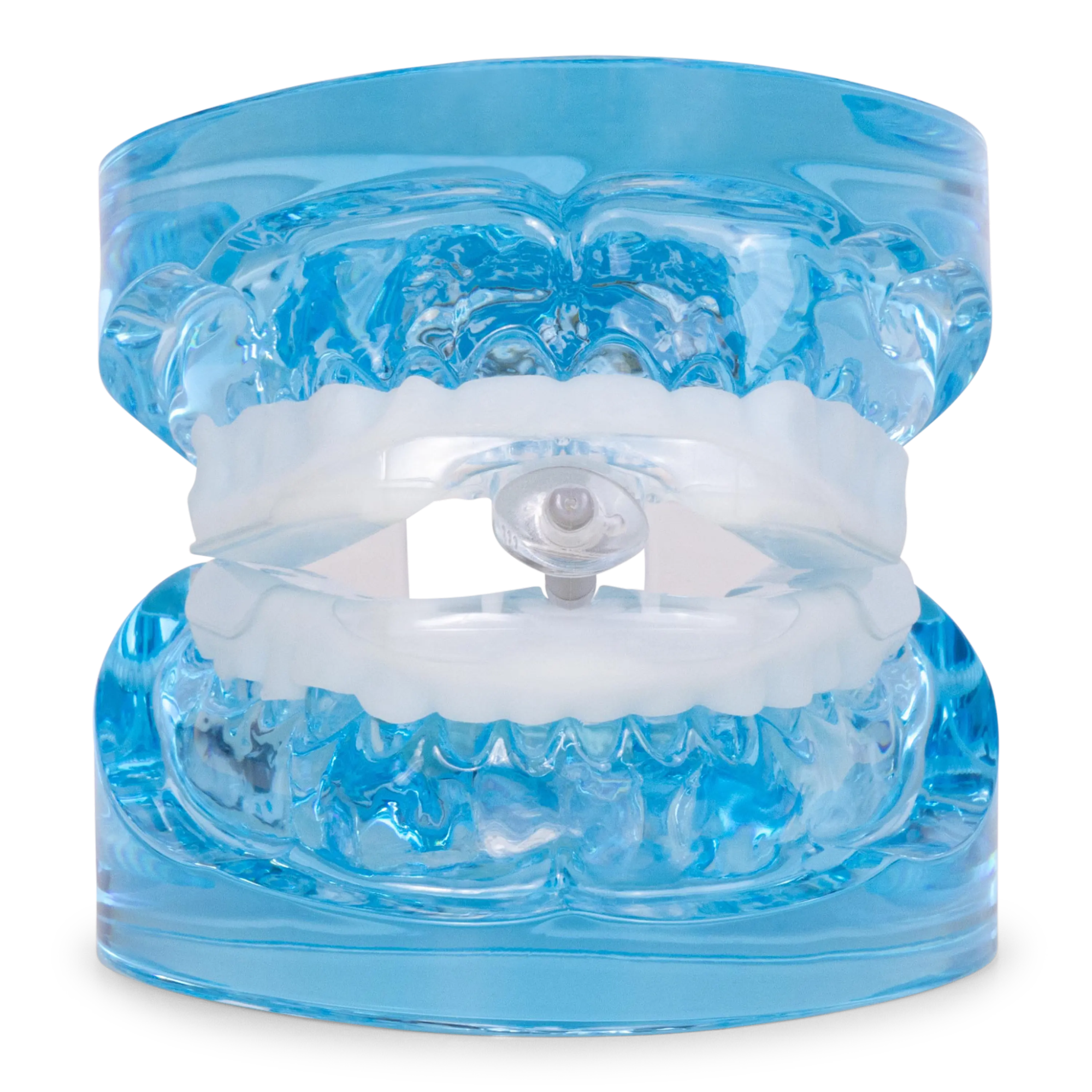
Best Mandibular Advancement Devices for Sleep Apnea
You have been diagnosed with sleep apnea, but the thought of sleeping connected to a CPAP machine every night feels overwhelming. Perhaps you tried CPAP and found it uncomfortable, noisy, or impossible to travel with.The good news is that the best mandibular advancement device offers an effective alternative that many patients find easier to tolerate.
Dr. Avinesh Bhar, CEO of SLIIIP and someone who also suffers from sleep apnea, explains the options for mandibular devices used to treat sleep apnea.
Mandibular advancement devices, commonly called MADs or oral appliances, work by repositioning your lower jaw forward during sleep. This advancement pulls your tongue forward and tightens the soft tissues of your throat, creating more space for air to flow through your upper airway.
For many people with mild to moderate sleep apnea, these devices reduce breathing interruptions as effectively as CPAP while offering the advantages of silence, portability, and simplicity.
This guide examines the top mandibular advancement devices available, comparing custom-fitted options with precision-fit alternatives, explaining how they work, and helping you understand which type might be right for your situation.
If you feel you may have an issue with sleep apnea and want a mandibular advancement device then then getting a simple home sleep test from SLIIIP is the best way to get started.
We accept Medicare, Tricare and most major insurances.

How Mandibular Advancement Devices Work
Obstructive sleep apnea occurs when the soft tissues of the throat collapse during sleep, blocking the airway and causing repeated breathing interruptions. CPAP therapy addresses this by using pressurized air to hold the airway open. Mandibular advancement devices take a different approach, mechanically repositioning the jaw to prevent collapse before it occurs.

When you wear a mandibular advancement device, the lower jaw (mandible) is held in a forward position, typically 6 to 10 millimeters ahead of its natural resting point. Since the tongue is attached to the jaw at the chin, advancing the jaw also pulls the tongue forward and away from the back of the throat. Additionally, the forward position tightens the soft palate and pharyngeal muscles, reducing their tendency to vibrate and collapse.
The result is a more open airway that allows air to flow freely during sleep. Clinical research shows that mandibular advancement devices reduce the apnea-hypopnea index (AHI) by more than 50% in approximately 70% of patients with mild to moderate sleep apnea. Some studies have found MAD therapy nearly as effective as CPAP for mild to moderate cases, with success rates around 70-84% compared to 80-85% for CPAP.
The key advantage of oral appliances lies in adherence. While CPAP is technically more effective at eliminating apnea events, many patients struggle to use it consistently. Studies show CPAP adherence rates around 50%, meaning half of patients prescribed CPAP do not use it regularly. Mandibular advancement device adherence rates reach 90% in some studies. Since a treatment only works when you use it, the superior adherence of oral appliances often results in equivalent real-world effectiveness.
Types of Mandibular Advancement Devices
Mandibular advancement devices fall into several categories based on how they are made and fitted. Understanding these distinctions helps you choose the right option for your needs and budget.
Type | Cost | Fitting Time | Lifespan | Best For |
Custom-fitted MADs | $1,500-$3,000 | 2-4 weeks | 3-5 years | Long-term treatment, best fit |
Precision-fit MADs | $400-$600 | 15 minutes | ~6 months | Trial therapy, budget-conscious |
OTC Boil-and-bite | $30-$100 | Same day | Varies | Snoring only (not for sleep apnea) |
Custom-fitted MADs are fabricated in a dental laboratory based on impressions of your teeth. A qualified dentist takes digital scans or physical molds of your upper and lower teeth, then sends these to a lab where technicians create an appliance precisely matched to your mouth. The process typically takes two to four weeks and involves multiple appointments. Custom devices cost $1,500 to $3,000 but offer the best fit, longest lifespan (3-5 years), and highest treatment success rates.
Precision-fit MADs like the myTAP Precision Fit Oral Appliance use thermoplastic trays that you mold to your teeth at home or in a dental office. These devices can be fitted in as little as 15 minutes, providing same-day treatment. They cost $300 to $400 and typically last about 6 months. Clinical research shows precision-fit devices like myTAP are nearly as effective as custom-made appliances for many patients.
Ready to Try the myTAP?
The myTAP Precision Fit Oral Appliance offers clinically-proven effectiveness at a fraction of the cost of custom devices.
Key Benefits:
- ✓ FDA-cleared for snoring and mild to moderate sleep apnea
- ✓ Same technology as custom TAP (45+ clinical studies)
- ✓ Fits in 15 minutes at home
- ✓ Adjustable advancement up to 22mm
- ✓ Includes AM Aligner to prevent bite changes
Order myTAP Now | Book a Consultation
Top Custom Mandibular Advancement Devices
For patients seeking the most effective long-term oral appliance therapy, custom-fitted mandibular advancement devices from established manufacturers represent the gold standard. These devices require professional fitting but offer superior durability, adjustability, and treatment outcomes.
At SLIIIP we work with sleep dentists in over 40 states and can get you fitted with a custom mandibular advancement device. Just book a home sleep test with us and we can get you referred to a sleep dentist in our network.
SomnoDent
The SomnoDent line from SomnoMed represents the most widely prescribed custom oral appliance family, with multiple models designed for different patient needs. All SomnoDent devices are made from acrylic material using CAD/CAM technology based on digital impressions of your teeth.
- SomnoDent Avant features a slim, digitally-milled design with a patented BFlex liner for comfort
- SomnoDent Flex uses SMH BFlex material with a soft inner liner, ideal for patients with short teeth or limited undercuts
SomnoDent Herbst Advance is Medicare-approved and allows some lateral jaw movement, helpful for patients who grind their teeth

Clinical studies show SomnoDent devices achieve treatment success (AHI reduced by 50% or more with residual AHI below 10) in approximately 60-75% of patients with mild to moderate sleep apnea. The SomnoDent Avant demonstrated 75% treatment success in a 209-patient study comparing different MAD designs. The devices come with a 3-year manufacturer warranty.
TAP (Thornton Adjustable Positioner)
The TAP family represents the most researched mandibular advancement devices, supported by more than 45 peer-reviewed studies.
- customTAP uses a hook mechanism that connects upper and lower trays, allowing precise adjustment of mandibular advancement
- TAP 3 Elite represents the most advanced version with enhanced durability
TAP devices are Medicare-coded and covered by many insurance plans. Clinical research shows TAP devices achieve slightly better results than CPAP for mild to moderate cases (84% vs 80% success rate in one study), though CPAP remains more effective for severe sleep apnea (85.2% vs 69.2%).
ProSomnus
ProSomnus devices use precision milling from digital records to create highly customized appliances.
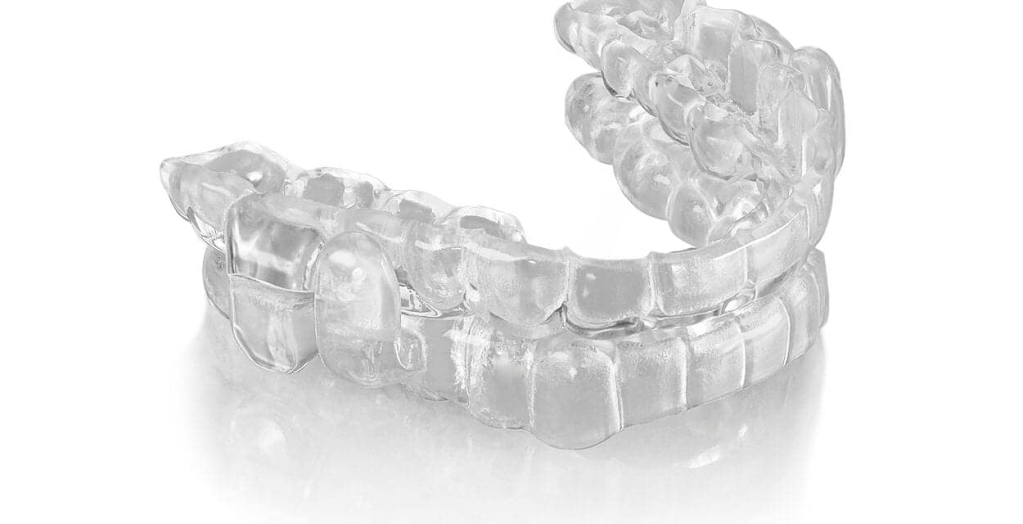
- ProSomnus EVO incorporates advanced materials and AI-assisted design to optimize treatment outcomes
- ProSomnus IA (Individual Advancement) allows adjustment of multiple parameters including post angles, airway opening, and vertical dimension
The FLOSAT study found ProSomnus EVO devices achieved similar overall clinical effectiveness to CPAP with significantly higher patient preference. ProSomnus devices include embedded Dentitrac compliance chips that objectively track adherence.
Other Options
Other established custom MAD options include the EMA (Elastic Mandibular Advancement) with interchangeable elastic straps for titration, the Narval CC from ResMed using CAD/CAM technology designed to minimize dental side effects, and the Herbst appliance family with its traditional telescoping arm design.
Effectiveness Compared to CPAP
CPAP remains the gold standard treatment for obstructive sleep apnea, particularly for severe cases. However, mandibular advancement devices offer comparable real-world effectiveness for many patients due to dramatically better adherence.
Factor | CPAP | Mandibular Advancement Device |
AHI Reduction | 90%+ | 50-70% |
Adherence Rate | ~50% | ~90% |
Real-world Effectiveness | ~50% improvement | ~50% improvement |
Best For | All severity levels | Mild to moderate OSA |
Portability | Requires power, bulky | Fits in pocket |
Noise | Some noise | Silent |
In terms of raw efficacy (reduction of AHI when the device is used), CPAP outperforms oral appliances. CPAP can reduce AHI by 90% or more and is effective across all severity levels. Mandibular advancement devices typically reduce AHI by 50-70% and work best for mild to moderate cases, though some patients with severe sleep apnea also respond well.
The American Academy of Sleep Medicine recommends oral appliances as first-line therapy for mild to moderate obstructive sleep apnea in patients who prefer them over CPAP. For severe sleep apnea, CPAP remains the preferred initial treatment, though oral appliances may be appropriate for patients who cannot tolerate or refuse CPAP therapy.
Some patients use combination therapy, wearing an oral appliance with a lower-pressure CPAP or using a hybrid device that combines mandibular advancement with nasal pillow CPAP. This approach can reduce CPAP pressure requirements, improving comfort while maintaining therapeutic effectiveness.
Not Sure Which Treatment is Right for You?
Our board-certified sleep specialists can help you choose between CPAP and oral appliance therapy based on your sleep study results, lifestyle, and preferences.
Book a Free Consultation | Call: 478-238-3552
Who Is a Good Candidate for MAD Therapy?
Mandibular advancement devices work well for many sleep apnea patients, but certain characteristics predict better outcomes. Understanding who benefits most helps set realistic expectations for treatment success.
Ideal candidates for oral appliance therapy include:
- Patients with mild to moderate obstructive sleep apnea (AHI of 5-30 events per hour), though some patients with severe OSA also respond well
- Patients who cannot tolerate CPAP due to claustrophobia, skin irritation, or difficulty sleeping with positive pressure
- Those who travel frequently and appreciate the portability of oral appliances
- Patients with supine-dependent or REM-dependent sleep apnea (worse when sleeping on their back or during REM sleep)
Physical characteristics that predict treatment success include:
- Younger age
- Lower body mass index
- Smaller neck circumference
- Position-dependent apnea
- Airway obstruction occurring primarily at the tongue base and soft palate rather than at multiple levels
Dental requirements for MAD therapy include:
- Having enough healthy natural teeth to anchor the device, typically at least 8-10 teeth per arch
- Adequate jaw mobility to tolerate mandibular advancement, usually at least 6mm of protrusive range
- No active periodontal disease, loose teeth, or significant dental work in progress
- Note: Patients with complete dentures typically cannot use traditional MADs, though some devices are designed for edentulous patients
Contraindications for oral appliance therapy include:
- Central sleep apnea (which involves the brain failing to signal breathing rather than physical airway obstruction)
- Severe temporomandibular joint disorders
- Limited mandibular protrusion range
- Insufficient dental support
- Very severe OSA with significant daytime sleepiness affecting driving or work safety (may need more immediate effectiveness of CPAP)
The Fitting and Titration Process
Successful oral appliance therapy requires proper fitting and gradual advancement to find the optimal jaw position for each patient. This process differs somewhat between custom and precision-fit devices.
Custom Device Fitting
For custom mandibular advancement devices, the process begins with a comprehensive dental examination. The dentist assesses your teeth, gums, jaw joints, and bite to confirm you are a suitable candidate. Digital scans or physical impressions of your teeth are taken along with a bite registration showing the relationship between your upper and lower jaws.
At SLIIIP we work with sleep dentists in over 40 states and can get you fitted with a custom mandibular advancement device. Just book a home sleep test with us and we can get you referred to a sleep dentist in our network.
The impressions are sent to a dental laboratory where technicians fabricate your custom device over 2-4 weeks. When the device arrives, you return to the dental office for fitting. The dentist adjusts the appliance for comfort and instructs you on use, care, and the titration protocol.
Titration Process
Titration involves gradually increasing mandibular advancement until symptoms resolve or you reach your physical limit. Most protocols start at 50-70% of your maximum comfortable protrusion. You increase advancement by small increments (typically 0.5-1mm) every few days or weeks, monitoring symptom improvement and any jaw discomfort. This process typically takes 4-8 weeks.
After reaching optimal advancement, a follow-up sleep study confirms treatment effectiveness. This may be a home sleep test or in-lab polysomnography. The study documents your residual AHI with the device in place, verifying adequate treatment. Without this confirmation, you cannot know whether the device is actually controlling your sleep apnea.
Common Side Effects and How to Manage Them
All mandibular advancement devices produce side effects, though most are mild and manageable. Understanding what to expect helps you prepare and know when to seek adjustments.
Initial Side Effects (First Days to Weeks)
These commonly include:
- Excessive salivation or dry mouth (36-86% of patients)
- Temporary tooth or jaw pain (occurring rarely in 81-83% of patients)
- Morning jaw stiffness or masticatory muscle fatigue
These effects are usually mild and diminish with continued use. Many patients find them completely resolved within 2-4 weeks.
Morning Bite Changes
Morning bite changes are essentially universal with MAD therapy. After wearing a device that holds your jaw forward all night, your bite may feel off when you first remove it. This occurs because the lateral pterygoid muscles have been contracted in the protruded position. For most patients, normal occlusion returns within 20-30 minutes. Using a morning repositioner or AM aligner for 5-15 minutes after device removal accelerates this process.
Long-Term Dental Changes
Long-term dental changes represent the most significant concern with oral appliance therapy. Studies following patients for 5-10 years document gradual changes in tooth position and bite alignment. Common findings include:
- Decreased overjet (how far front teeth overlap horizontally) of 1-2mm
- Decreased overbite (how far front teeth overlap vertically) of 1-2mm
- Retroclination (tilting backward) of upper front teeth
- Proclination (tilting forward) of lower front teeth
- Development of posterior open bite in some patients
These changes occur because the device applies forces to teeth while repositioning the jaw. While the changes are generally minor and many patients do not notice them, they can be permanent even if MAD therapy is discontinued. Regular dental monitoring allows detection and management before changes become significant.
TMJ Symptoms
Temporomandibular joint (TMJ) symptoms concern many patients, but research is reassuring. Studies show TMJ pain may increase initially but tends to decrease over time with continued use. Long-term studies find no significant increase in TMJ disorders from MAD therapy. Patients with pre-existing TMJ crepitation (grinding sounds) may be more likely to discontinue treatment, so evaluation before starting therapy is important.
Management Strategies
- Start with minimal advancement and progress slowly
- Use the morning repositioner consistently
- Maintain regular dental check-ups
- Adjust the device if discomfort persists
- Consider a different device design if problems continue
Your dentist can modify the appliance to address specific issues such as gum irritation or excessive retention.
Costs and Insurance Coverage
Oral appliance therapy represents a significant investment, though costs vary widely based on device type and insurance coverage. Understanding the financial landscape helps you make an informed decision.
Device Type | Cost Range | Insurance Coverage |
Custom MADs | $1,500-$3,000 | Medicare E0486, many private plans |
Precision-fit (myTAP) | $300-$500 | HSA/FSA eligible |
OTC devices | $30-$100 | Not recommended for sleep apnea |
Custom mandibular advancement devices typically cost $1,500 to $3,000 or more when combining the device itself with dental examination, fitting, and follow-up appointments. This includes the laboratory fabrication cost, dentist professional fees, and ongoing adjustments during the titration period.
Precision-fit devices like myTAP cost $400 to $600, making them accessible to patients who cannot afford custom devices or who want to trial oral appliance therapy before committing to a larger investment.
Over-the-counter devices cost $30 to $100 but are not appropriate for treating diagnosed sleep apnea. The low upfront cost may result in higher long-term costs if treatment fails and you need to pursue other options.
Insurance Coverage
Medicare covers custom oral appliances (coded as E0486) when prescribed for obstructive sleep apnea and fitted by a qualified dentist. Coverage requires documentation of sleep apnea diagnosis, physician prescription, and dentist examination confirming the patient is a suitable candidate. Medicare typically covers 80% of approved charges after the Part B deductible.
Private insurance coverage varies by plan. Many commercial insurance plans cover oral appliances when prescribed for sleep apnea, though coverage percentages, deductibles, and documentation requirements differ. Some plans require prior authorization and evidence that CPAP was tried and failed. Contact your insurance provider to understand your specific benefits before proceeding.
SLIIIP accepts these health insurance plans for mandibular advancement devices (MAD).
HSA and FSA funds can be used for oral appliance therapy expenses, including both custom and precision-fit devices. These pre-tax dollars effectively reduce your cost by your marginal tax rate.
Cost Comparison with CPAP
When comparing costs to CPAP, consider long-term expenses. A CPAP machine costs $800 to $1,800 initially, but requires ongoing costs for masks, tubing, filters, and humidifier chambers. Over five years, CPAP supplies may add $1,000 to $2,000 in additional costs. A custom oral appliance lasting 3-5 years with minimal ongoing costs may prove comparable or less expensive overall.
Explore Your Treatment Options
Oral Appliance Therapy:
- myTAP Precision Fit Oral Appliance ($400-$600, clinically proven)
CPAP Therapy:
Need a Diagnosis First?
Book a Consultation to discuss which option is right for you.
How to Get Started
Beginning oral appliance therapy requires several steps to ensure you receive appropriate treatment for your specific situation.
Step 1: Confirm Your Diagnosis
Confirm your sleep apnea diagnosis through a home sleep test or in-lab polysomnography. You cannot obtain a prescription for an oral appliance without documented sleep apnea. If you suspect you have sleep apnea based on symptoms like snoring, witnessed breathing pauses, or excessive daytime sleepiness, a home sleep test provides a convenient diagnosis.
Step 2: Discuss Treatment Options
Discuss treatment options with your sleep medicine physician or healthcare provider. Together, determine whether oral appliance therapy is appropriate for your severity level and personal preferences. For mild to moderate sleep apnea, oral appliances may be offered as first-line treatment. For severe sleep apnea, your provider may recommend trying CPAP first or explaining the trade-offs between treatment options.
Step 3: Choose Your Device
If proceeding with a custom oral appliance, the team at SLIIIP will send a referral to a local dentist. The dentist will examine your mouth, review your sleep study results, and recommend appropriate devices. Choosing a dentist experienced in sleep apnea treatment improves your chances of success.
If starting with a precision-fit device like myTAP, you can obtain the device directly in some cases, though working with a dentist for fitting and follow-up remains valuable. The device can serve as a trial to confirm you respond to oral appliance therapy before investing in a custom device.
Step 4: Verify Treatment Effectiveness
After beginning treatment, schedule a follow-up sleep study to verify the device is controlling your sleep apnea. Without objective confirmation, you cannot know whether treatment is adequate. Many patients experience symptom improvement even when their AHI remains elevated, so subjective improvement alone is insufficient to confirm treatment success.
The Bottom Line
Mandibular advancement devices offer an effective alternative to CPAP for many patients with obstructive sleep apnea. Custom-fitted devices from manufacturers like SomnoDent, TAP, and ProSomnus provide the highest treatment success rates and longest durability. Precision-fit options like the myTAP offer a more affordable entry point with clinically-validated effectiveness.
For patients with signs of sleep apnea who cannot tolerate CPAP or prefer an alternative, oral appliance therapy provides silent, portable, comfortable treatment that most patients use consistently. The real-world effectiveness of MAD therapy rivals CPAP despite lower raw efficacy because patients actually wear their oral appliances.
Success with oral appliance therapy requires proper device selection, professional fitting, gradual titration, and objective verification through follow-up sleep testing. Working with qualified dental and medical providers ensures you receive appropriate care and achieve the best possible outcomes.
Take the Next Step
Whether you are newly diagnosed or frustrated with CPAP, our sleep specialists can help you find the right treatment.
Order myTAP Oral Appliance | Book a Consultation
Email: info@sliiip.com | Call: 478-238-3552
Need a diagnosis? Order a Home Sleep Test
Latest posts
-
Can Sleep Apnea Cause Weight Gain? The Metabolic Connection
Sleep apnea does not just disrupt your rest. It actively interferes with the hormones that regulate hunger, metabolism, and fat storage. If you have been gaining weight despite effort, or…
-
Can a No Snoring Mouthpiece Solve Your Sleep Issues?
Can a no snoring mouthpiece solve your sleep issues? For many, a dental appliance is the first line of defense against disruptive nighttime noise and fragmented sleep. While these devices…
-
ResMed AirMini vs. Transcend Micro: Which Travel CPAP Wins?
Choosing between the ResMed AirMini and the Transcend Micro comes down to three things: the mask you already own, how aggressively you travel, and whether app-based sleep tracking matters to…
Get updates
Spam-free subscription, we guarantee. This is just a friendly ping when new content is out.

