👉 Register for Free. How to Diagnose Sleep Apnea Faster in Primary Care – FREE Webinar by Dr. Audrey Wells. – Friday, April 24 at 12 PM ET


Best Sleeping Position: A Complete Guide to Restful Nights
You spend roughly one-third of your life asleep, but what is the best sleeping position?. This is what Dr. Avinesh Bhar, the founder of SLIIIP and a board-certified sleep physician is often asked.
This guide explores the pros and considerations of each sleeping position, helps you understand which one might serve you best based on your body and habits, and offers practical tips for making small adjustments that can improve your nightly rest.
Most people settle into a favorite position without much thought. But if you regularly wake up stiff, sore, or feeling like you barely rested at all, the way you sleep might be playing a bigger role than you realize.
If you have issues with sleeping, you may have sleep apnea. A simple home sleep test that is covered by major insurances can detect with 95% accuracy.
SLIIIP works with Medicare, Tricare and these major insurances.

Why Your Sleeping Position Matters?
Sleep is when your body repairs itself. Muscles recover, tissues regenerate, and your brain processes the experiences of the day. For all of that to happen efficiently, your body needs to be in a position that supports healthy alignment, allows comfortable breathing, and minimizes pressure on joints and soft tissues.
A position that keeps your spine in a neutral alignment from your head to your hips reduces strain on muscles, tendons, and ligaments. When your spine is out of alignment, your body compensates by tensing muscles, which can lead to morning stiffness, aches in the neck and lower back, and restless nights where you wake up repeatedly trying to find a more comfortable posture.
Side Sleeping: The Most Popular Position
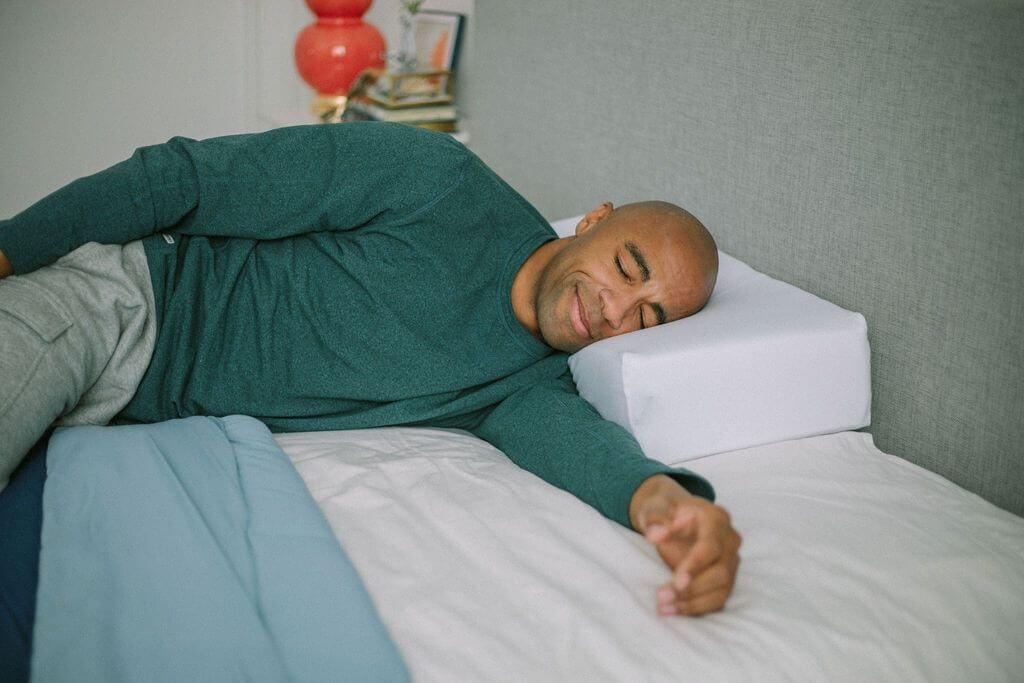
More than 60 percent of adults sleep on their side, making it the most common sleeping position worldwide. There are good reasons for its popularity. Side sleeping naturally supports spinal alignment when done correctly, keeps the airway relatively open, and offers flexibility for people of different body types and comfort preferences.
Benefits of Side Sleeping
Sleeping on your side with your knees slightly bent and a pillow between your legs is often recommended for people who experience lower back discomfort. This posture keeps the pelvis, hips, and spine in a neutral position, reducing rotational stress on the lumbar region. The pillow between the knees prevents the upper leg from pulling the spine out of alignment, which is a common issue for side sleepers who skip this simple adjustment.
Side sleeping also tends to keep the tongue and soft tissues of the throat from collapsing backward, which is why this position is frequently associated with reduced snoring. For people whose breathing is affected by their posture, side sleeping can make a noticeable difference in how restful the night feels.
Sleeping on the left side specifically is often recommended during pregnancy, particularly in the later stages, because it reduces pressure on major blood vessels and supports healthy circulation. This recommendation comes from the way the body’s anatomy positions the inferior vena cava relative to the uterus, making left-side sleep more favorable for blood flow to both parent and baby.
For people who experience heartburn or gastroesophageal reflux, sleeping on the left side may also be more comfortable. The anatomy of the stomach means that left-side sleeping makes it more difficult for stomach acid to flow upward into the esophagus, while right-side sleeping can have the opposite effect.
Considerations for Side Sleepers
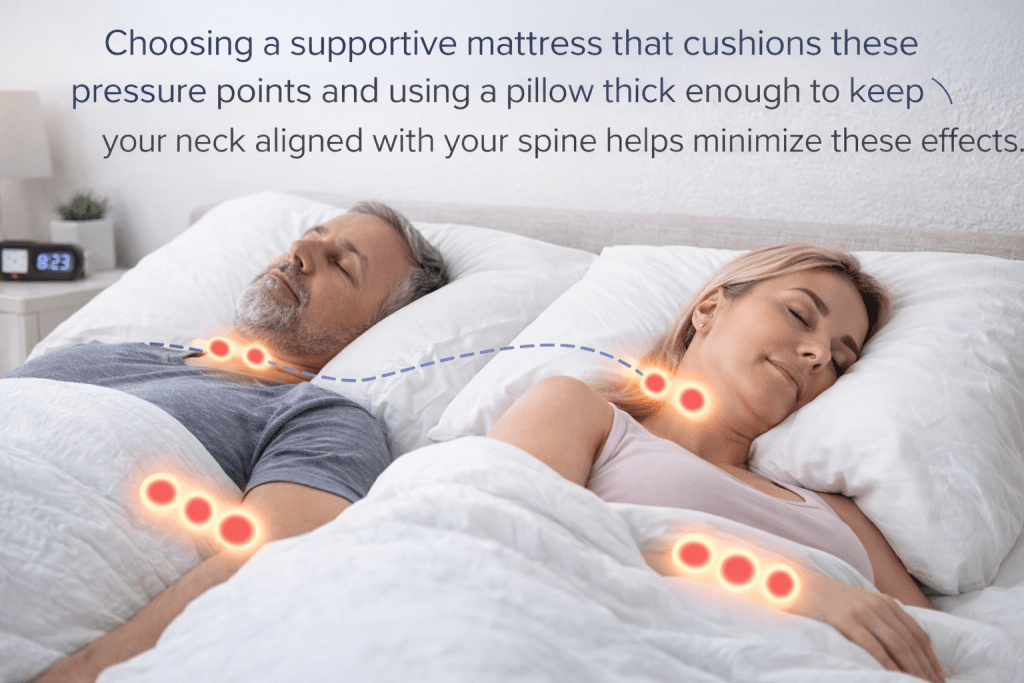
While side sleeping has many advantages, it does place more pressure on one side of the body, particularly the shoulder and hip that bear your weight. Over time, this can contribute to shoulder pain, hip discomfort, or numbness in the arm beneath you.
Choosing a supportive mattress that cushions these pressure points and using a pillow thick enough to keep your neck aligned with your spine helps minimize these effects.
Side sleepers who press their face into the pillow may also notice more facial creasing on the side they favor. While the connection between sleep position and permanent skin changes is still being studied, alternating sides throughout the night or using a smooth, low-friction pillowcase can help reduce this concern.
Back Sleeping: The Alignment Champion
Sleeping on your back distributes your body weight evenly across the widest surface area, reducing pressure points and allowing your spine, neck, and head to rest in a relatively neutral position. For people focused on maintaining good posture and minimizing strain on muscles and joints, back sleeping offers some clear advantages.
Benefits of Back Sleeping
When you lie on your back with a supportive pillow under your head and, optionally, a small pillow beneath your knees, your spine settles into its natural curvature. This is the position that distributes weight most evenly, and it avoids the one-sided pressure that side sleeping can create on shoulders and hips.
Back sleeping also keeps your face completely off the pillow, which eliminates facial compression and may help maintain a clear complexion. For people who experience neck discomfort, a contoured or cervical pillow can cradle the natural curve of the neck while lying face-up, providing targeted support without the rotation that comes with turning the head to one side.
Considerations for Back Sleepers
The most significant consideration for back sleepers relates to breathing. When you lie on your back, gravity pulls the tongue and soft tissues of the throat downward, which can narrow the airway. This positional effect is why snoring is often louder and more frequent in the supine position, and why back sleeping is generally considered less favorable for people whose breathing is affected by posture during sleep.
Research suggests that for people with positional breathing concerns, sleeping on the back may make those concerns more noticeable. If you or your bed partner notice loud snoring, gasping, or pauses in breathing while you sleep on your back, it may be worth discussing these observations with a sleep specialist.
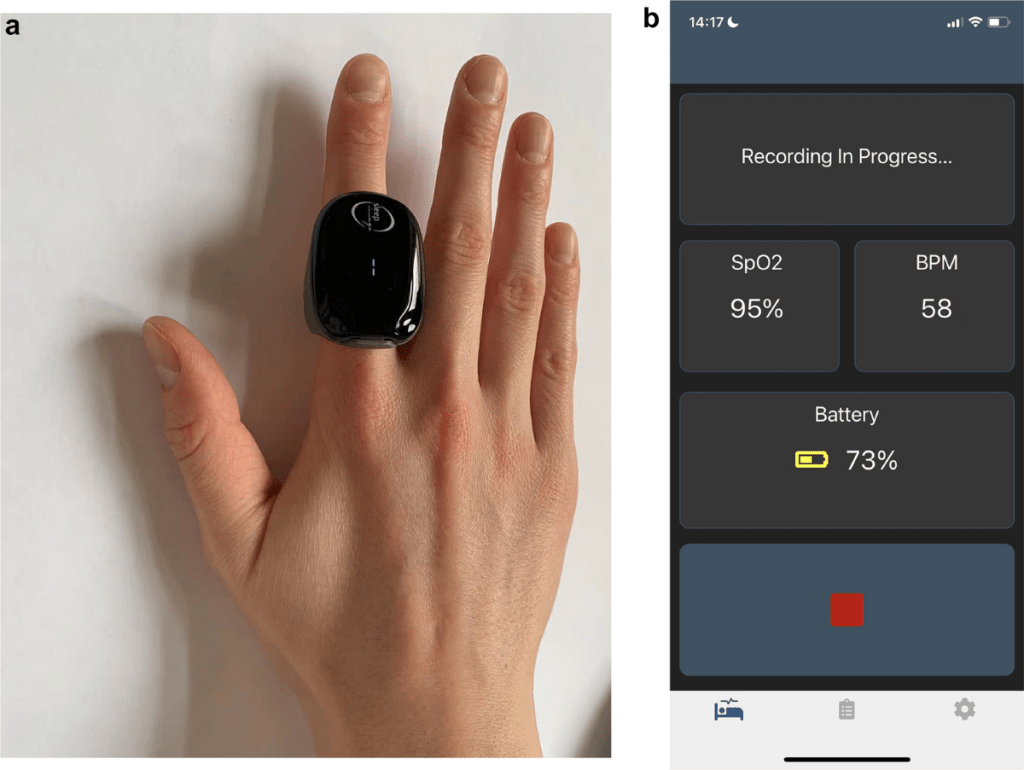
At-home monitoring and home sleep testing through SLIIIP can provide objective data about how your posture and breathing interact during the night.
Lower back discomfort is another potential issue for back sleepers. Some people find that lying flat without support under the knees allows the lower back to arch excessively, creating tension in the lumbar region. Placing a pillow under the knees restores the spine’s natural curve and typically resolves this issue.
Stomach Sleeping: The Least Recommended Position
Stomach sleeping, also called prone sleeping, is the least common position and the one most frequently flagged by health professionals as potentially problematic for spinal alignment. Only about seven percent of adults sleep primarily on their stomachs, and the position comes with some inherent biomechanical challenges.
Benefits of Stomach Sleeping
Stomach sleeping does have one notable advantage: it keeps the airway open by preventing the tongue from falling backward. For people whose snoring is primarily positional, sleeping face-down can reduce the noise and the associated breathing disruptions. Some stomach sleepers also report that they simply find the position comfortable and fall asleep faster in this posture than any other.
Considerations for Stomach Sleepers
The primary concern with stomach sleeping is neck rotation. Because you cannot breathe face-down into a standard pillow, your head must turn to one side, placing the cervical spine in a rotated position for hours at a time. This sustained rotation can lead to neck stiffness, tension headaches, and shoulder discomfort.
Stomach sleeping also tends to flatten the natural curve of the lower back, which can create or aggravate lumbar strain. The combination of a flat spine and a rotated neck makes this position the least ergonomic of the three major sleep postures.
If you prefer sleeping on your stomach and do not want to change positions, using a very flat pillow or no pillow at all can help reduce neck strain. A firmer mattress prevents your body from sinking too deeply, which would exaggerate the flattening of the lumbar curve. Some people also find that placing a thin pillow under the pelvis helps maintain a more neutral spinal alignment in this position.
How to Choose the Best Position for Your Body
The ideal sleeping position is personal. It depends on your body, your comfort preferences, and any specific health considerations you may have. Here are some general guidelines that can help you evaluate whether your current sleep posture is serving you well or working against you.
If You Wake Up with Back or Neck Stiffness
Experiment with different pillow heights and firmness levels before changing your sleep position entirely. Side sleepers need a thicker pillow to bridge the gap between the shoulder and head. Back sleepers need a thinner pillow that supports the neck without pushing the head forward. Stomach sleepers should use the flattest pillow possible, or try sleeping without one.
If pillow adjustments do not help, consider switching from stomach sleeping to side sleeping, which keeps the spine in a more natural alignment. Adding a pillow between the knees when side sleeping often makes a noticeable difference in how the lower back feels in the morning.
If Your Bed Partner Notices Loud Snoring
Snoring is typically louder when sleeping on the back because gravity pulls the tongue and soft tissues toward the airway. Switching to side sleeping is one of the simplest lifestyle adjustments that can reduce snoring volume. Positional aids, such as specialized pillows or wearable devices that gently discourage back sleeping, can help if you tend to roll onto your back during the night.
Persistent loud snoring, especially when accompanied by gasping, choking sounds, or excessive daytime tiredness, may warrant a conversation with a sleep professional.
Check out this audio of sleep apnea sounds in someone who is snoring. It could be you.
SLIIIP offers convenient telemedicine consultations with board-certified sleep specialists who can assess your situation from the comfort of your home.
If You Experience Heartburn at Night
Sleeping on the left side is generally the most comfortable position for people who deal with heartburn or acid reflux. Elevating the head of the bed by a few inches, using a wedge pillow, or simply propping up with an extra pillow can further reduce the likelihood of acid reaching the esophagus during the night.
Avoid eating large meals within two to three hours of bedtime, and notice whether certain foods consistently trigger nighttime discomfort. Combining dietary adjustments with left-side sleeping often produces meaningful improvement in nighttime comfort.
If You Are Pregnant
Left-side sleeping is widely recommended during the second and third trimesters of pregnancy. This position supports optimal blood flow and reduces pressure on the large vein that returns blood from the lower body to the heart. A pregnancy pillow or a standard pillow placed between the knees and under the belly can make side sleeping more comfortable as the body changes.
Practical Tips for Changing Your Sleep Position
If you decide that a different sleeping position might serve you better, keep in mind that changing a deeply ingrained habit takes time and patience. Your body has spent years defaulting to a particular posture, and it will take consistent effort to build a new habit.
Start by surrounding yourself with pillows that make your target position more comfortable and your old position less appealing. If you want to stop sleeping on your back, placing a pillow or rolled towel behind you can prevent you from rolling over during the night. If you want to train yourself to sleep on your side, a body pillow provides something to hold onto and helps stabilize the position.
Give yourself at least two to three weeks before evaluating whether the new position is working. Most people notice some disruption in sleep quality during the transition period, but this typically resolves as the body adjusts.
The Role of Pillows and Mattresses
No sleeping position works well without proper support from your pillow and mattress. The right pillow keeps your cervical spine aligned, whether you are on your side, back, or stomach. The right mattress supports your body weight without creating excessive pressure points or allowing your spine to sag.
Side sleepers generally need a firmer, thicker pillow. Back sleepers benefit from a medium-loft pillow with cervical support. Stomach sleepers need the thinnest, softest option. For mattress firmness, medium-firm is the most versatile choice for multiple sleep positions, though individual preference matters.
If you use CPAP therapy, your pillow choice becomes even more important because the pillow needs to accommodate your mask without breaking the seal or causing leaks. SLIIIP’s guide to sleep apnea pillows covers specific designs that work with different CPAP mask styles and sleeping positions.
When Sleep Position Alone Is Not Enough
Adjusting your sleeping position is a valuable, no-cost strategy for improving rest quality. But position is just one piece of the puzzle. Overall sleep hygiene, including a consistent bedtime schedule, a cool and dark sleeping environment, limited screen time before bed, and mindful eating and drinking habits, all contribute to the quality of your rest.
If you have made position adjustments, optimized your pillow and mattress, and still wake up feeling unrefreshed, it may be time to look deeper. Persistent fatigue, loud snoring, morning headaches, or waking up multiple times during the night can signal that something beyond posture is affecting your sleep. A conversation with a sleep specialist can help identify the root cause and guide you toward the right support.
SLIIIP provides a simple, insurance-friendly process for connecting with board-certified sleep doctors who can evaluate your sleep quality through telemedicine consultations and, if needed, at-home monitoring.
Frequently Asked Questions
What is the healthiest sleeping position?
There is no single healthiest position for everyone. Side sleeping is the most widely recommended for general wellness, as it supports spinal alignment, reduces snoring, and is comfortable for most body types. However, the best position depends on your individual comfort and any specific health considerations.
Is sleeping on your back bad for you?
Back sleeping is not inherently bad and offers excellent spinal alignment. However, it can worsen snoring and may not be ideal for people whose breathing is affected by posture during sleep. If you sleep on your back comfortably without snoring or restlessness, there is no reason to change.
Why do I snore more on my back?
When you lie on your back, gravity pulls the tongue and soft tissues of the throat toward the airway, partially narrowing it. This narrowing causes the tissues to vibrate as air passes through, producing the sound of snoring.
Is stomach sleeping bad for your spine?
Stomach sleeping requires turning the head to one side for extended periods and can flatten the natural curve of the lower back. Both of these factors can contribute to neck stiffness and lumbar discomfort, making it the least recommended position for spinal health.
What is the best sleeping position during pregnancy?
Left-side sleeping is widely recommended during the second and third trimesters. This position supports blood flow, reduces pressure on major blood vessels, and provides comfort as the body changes. A pillow between the knees and under the belly adds support.
How can I stop sleeping on my back?
Placing a pillow or rolled towel behind your back can prevent you from rolling into the supine position. Positional sleepwear with built-in bumpers is another option. Body pillows also encourage side sleeping by giving you something to hold onto.
Does sleeping position affect digestion?
Yes. Sleeping on the left side may help reduce acid reflux and heartburn because of the way the stomach is positioned relative to the esophagus. Right-side sleeping can make reflux symptoms worse for some people.
What pillow should side sleepers use?
Side sleepers need a thicker, firmer pillow that fills the gap between the shoulder and the head, keeping the neck aligned with the spine. A pillow between the knees is also recommended to maintain hip and pelvic alignment.
Can changing my sleep position reduce snoring?
For many people, switching from back sleeping to side sleeping significantly reduces snoring. Side sleeping keeps the airway more open by preventing the tongue from falling backward toward the throat.
What is the best sleeping position for lower back discomfort?
Side sleeping with a pillow between the knees is often the most comfortable option for the lower back. Back sleeping with a pillow under the knees is another good choice, as it maintains the natural curve of the lumbar spine.
Does sleep position affect skin and wrinkles?
Pressing your face into a pillow during side or stomach sleeping creates facial compression that can cause temporary creasing. Over time, some experts suggest this may contribute to skin changes, though research on the topic is still limited. Back sleeping avoids facial contact with the pillow entirely.
How long does it take to change your sleeping position?
Most people need two to three weeks of consistent effort to adjust to a new sleeping position. Using pillows to support the new posture and discourage the old one can accelerate the transition.
Is the fetal position good for sleep?
The fetal position, sleeping on your side with knees drawn toward the chest, is the most common sleep posture. It is generally considered comfortable and supportive, though curling too tightly can restrict breathing and create tension in the neck and back. A loose, relaxed fetal position is best.
What is the best sleeping position for neck discomfort?
Back sleeping with a contoured cervical pillow is often recommended for neck discomfort, as it supports the natural curve of the neck without rotation. Side sleeping with a properly sized pillow is also effective.
Should I sleep with or without a pillow?
Most people benefit from using a pillow to support the cervical spine. The exception is stomach sleepers, who may find that sleeping without a pillow or with a very thin pillow reduces neck strain.
Can sleeping position affect blood pressure?
Some research suggests that sleep position can influence blood pressure readings, though the clinical significance varies. Side sleeping, particularly on the left side, is sometimes recommended for people managing cardiovascular wellness, but this should be discussed with a healthcare professional.
What is positional sleep apnea?
Positional sleep apnea refers to breathing disruptions that occur primarily in one position, most commonly on the back. Some studies estimate that roughly half of people with obstructive breathing concerns during sleep experience them mainly in the supine position. Switching to side sleeping can make a significant difference for these individuals.
How does sleep position affect CPAP therapy?
Sleep position can affect CPAP mask fit and comfort. Side sleepers may need low-profile masks or CPAP-specific pillows to prevent mask displacement. Back sleepers can use any mask type comfortably. Matching your mask to your sleep position is essential for effective therapy. Learn more about choosing the right CPAP supplies for your sleep style.
Is it normal to change positions during the night?
Yes. Most people shift positions multiple times throughout the night. This is normal and healthy, as it prevents prolonged pressure on any single area of the body. The key is that your primary sleeping position, the one you spend the most time in, supports good alignment and comfort.
What sleeping position helps with congestion?
Sleeping with the head slightly elevated, either using an extra pillow or a wedge pillow, can help nasal passages drain and reduce congestion. Side sleeping also tends to be more comfortable than back sleeping when nasal passages are partially blocked.
Latest posts
-
Why Can’t I Wake Up Even After Getting Enough Sleep?
Last updated: October 2, 2026. Medically reviewed by Dr. Avinesh Bhar, Board-Certified Sleep Physician, SLIIIP.com. If you can’t wake up after enough sleep, the cause is usually not the number…
-
Why Does My Heart Rate Drop So Low While I Sleep?
Last updated: October 2, 2026. Medically reviewed by Dr. Avinesh Bhar, Board-Certified Sleep Physician, SLIIIP.com. Your heart rate drops low while sleeping mainly because your body needs less work from…
-
Why Are My Naps Never Refreshing?
Last updated: October 2, 2026. Medically reviewed by Dr. Avinesh Bhar, Board-Certified Sleep Physician, SLIIIP.com. Naps that leave you groggy usually come down to how long you sleep, when you…
Get updates
Spam-free subscription, we guarantee. This is just a friendly ping when new content is out.

