

Can Lack of Sleep Cause Depression?
You have been running on too little rest for weeks, maybe months. The exhaustion has settled into something deeper. It is not just tiredness anymore. The world feels grayer and you wonder, can lack of sleep cause depression?
The relationship between poor sleep and low mood is one of the most studied connections in modern wellness research. Dr. Avinesh Bhar has seen hundreds of patients who had severe depression and many had a sleep disorder like sleep apnea.
What If Your Depression Has a Physical Cause?
SLIIIP’s board-certified sleep physicians can evaluate whether breathing disruptions are triggering your depression. Virtual consultations in all 50 states. Home sleep tests shipped to your door.
What the Research Tells Us
A landmark genetic study from University College London, published in the journal Translational Psychiatry, analyzed data from more than 7,000 adults and found that people who consistently slept fewer than five hours per night were 2.5 times more likely to develop low mood symptoms over the following years. The researchers used genetic markers to help determine directionality and concluded that short sleep likely precedes mood changes, rather than the other way around.
This finding aligns with earlier research from Harvard Medical School, which found that people experiencing ongoing rest difficulties were five times more likely to develop persistent low mood and twenty times more likely to experience heightened anxiety, according to a widely cited report from the Harvard Division of Sleep Medicine.
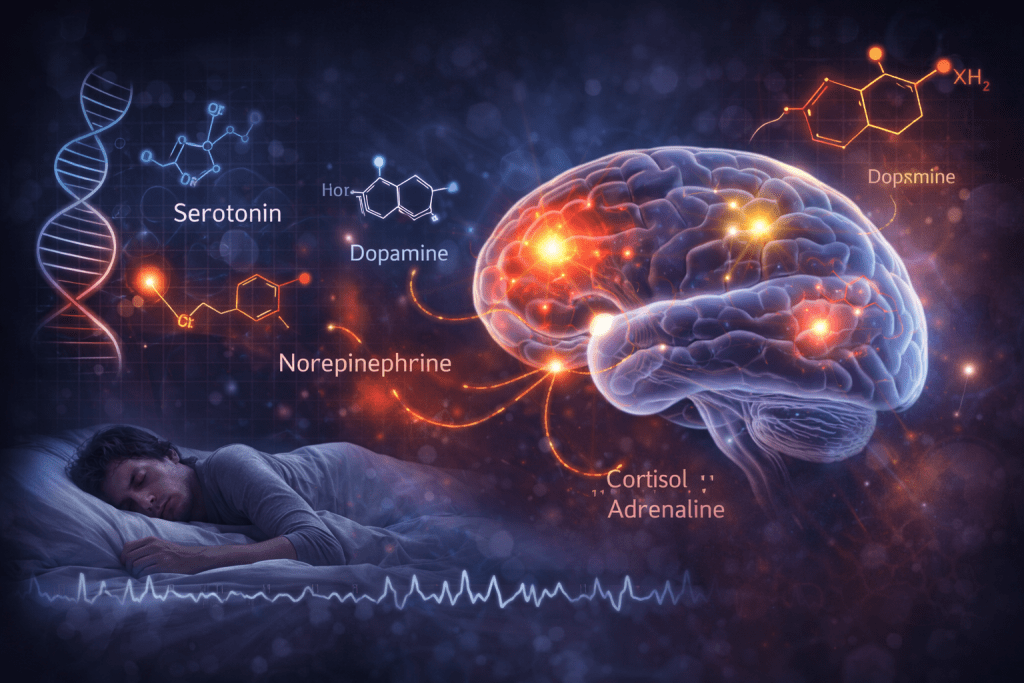
How Poor Sleep Changes Brain Chemistry
Your brain relies on sleep to regulate the neurochemicals that govern mood, motivation, and emotional resilience. Serotonin, dopamine, and norepinephrine all play critical roles in how you feel day to day. Animal research has shown that chronic sleep restriction produces changes in serotonin receptor systems and stress hormone pathways that closely resemble the neurochemical patterns seen in persistent mood difficulties.
During REM sleep, your brain processes emotional memories and recalibrates its stress response systems. When REM sleep is cut short or fragmented, this processing is incomplete. Research suggests that the consolidation of positive emotional content is particularly vulnerable to sleep disruption, which may explain why people who sleep poorly often experience a disproportionate increase in negative feelings and a flattening of positive emotions.
The Bidirectional Cycle
One of the most challenging aspects of this relationship is its cyclical nature. Poor sleep leads to emotional changes, which in turn make it harder to rest well. Worry, rumination, and emotional distress activate the body’s stress response, increasing cortisol and adrenaline at precisely the times when your body needs to wind down.
This cycle can escalate gradually. A few bad nights lead to daytime fatigue and emotional sensitivity, which leads to social withdrawal and reduced physical activity, which further disrupts sleep quality. Without intervention, this pattern can become deeply entrenched.
Recognizing this cycle early is critical. The importance of sleep extends far beyond physical recovery. It is a foundational pillar of emotional wellness.
Sleep Quality Matters as Much as Duration
It is possible to spend seven or eight hours in bed and still experience the emotional effects of poor rest. If your sleep is fragmented by frequent awakenings, shallow cycles, or breathing disruptions, your brain may never reach the deep, restorative stages it needs to maintain emotional equilibrium.
Many people who sleep a full night but still feel exhausted are surprised to learn that their rest is being interrupted dozens of times without their awareness. Understanding how much core sleep you actually need and whether you are getting it, is a valuable starting point.
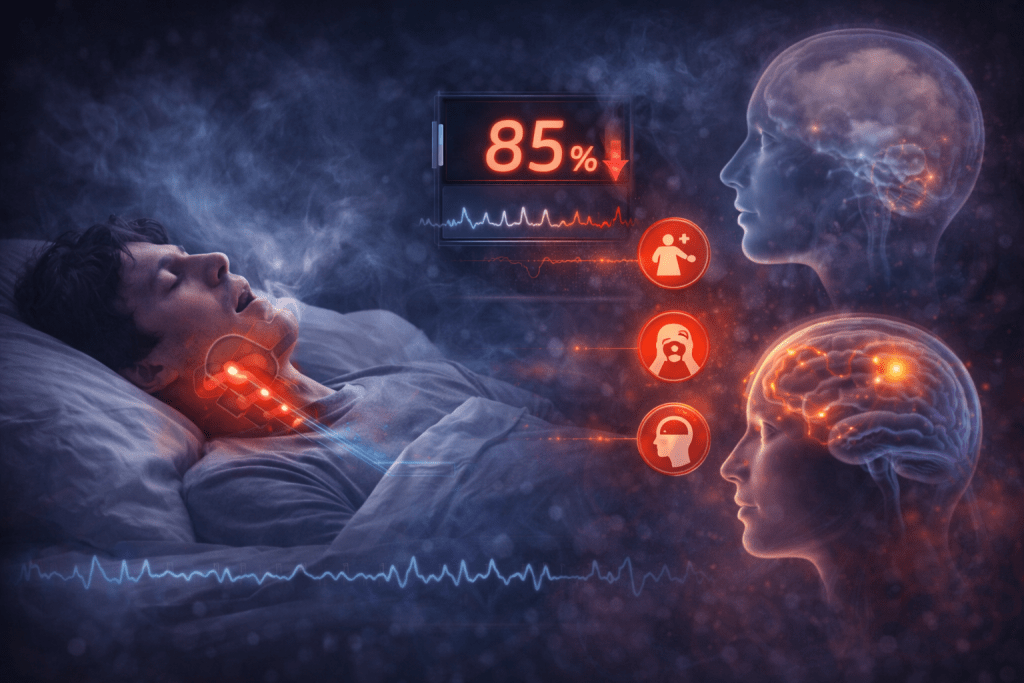
The Role of Breathing Disruptions
One commonly overlooked factor in the sleep-mood connection is nighttime breathing quality. When breathing is repeatedly interrupted during sleep, the resulting oxygen fluctuations and micro-awakenings fragment sleep architecture in ways that directly impact emotional processing.
Research from Johns Hopkins Medicine notes that individuals with undiagnosed breathing disruptions during sleep have a significantly elevated risk of experiencing persistent mood difficulties. The cognitive fog and emotional flatness that often accompany these disruptions can closely mimic the experience of mood-related concerns, making accurate identification especially important.
Learning the signs that your breathing may be affected during sleep is a practical first step. Loud snoring, waking up gasping, morning headaches, and persistent headaches after sleep are all signals worth paying attention to.
What You Can Do Today
The most empowering takeaway from the research is that improving sleep quality often leads to meaningful improvements in emotional wellbeing. This is not a vague promise. Multiple studies have documented measurable mood improvements following sleep interventions, with some participants reporting noticeable shifts within days.
Start by establishing a consistent sleep schedule. Going to bed and waking up at the same time each day, including weekends, is one of the most effective ways to stabilize your circadian rhythm. A comprehensive sleep routine guide can help you build a personalized plan.
Limit alcohol before bed, as it disrupts REM sleep, the stage most closely linked to emotional processing. Create a calming pre-sleep environment by dimming lights and stepping away from screens at least an hour before bed. Consider whether essential oils or weighted blankets might support a more restful transition to sleep.
When to Seek a Professional Evaluation
If you have been practicing good sleep habits and still experience persistent low mood, emotional flatness, or a sense of disconnection that lasts more than a few weeks, it is worth exploring whether something deeper is at play.
A home sleep test can help identify whether breathing disruptions or other factors are undermining your rest quality. The process is simple, comfortable, and can be completed in your own bed. Understanding how a home sleep test works can help you decide whether this step is right for you.

What If Your Depression Has a Physical Cause?
SLIIIP’s board-certified sleep physicians can evaluate whether breathing disruptions are triggering your depression. Virtual consultations in all 50 states. Home sleep tests shipped to your door.
Home sleep tests are often covered by insurance and at SLIIIP we accept Medicare, Tricare and these major insurances shown below.
You do not have to accept feeling emotionally drained as your new normal. Addressing the quality of your rest is one of the most powerful steps you can take toward feeling like yourself again.
Frequently Asked Questions
Can poor sleep actually lead to persistent low mood?
Yes. Research, including a major genetic study from University College London, suggests that chronic short sleep can precede and contribute to the development of persistent mood difficulties.
How does sleep affect brain chemistry related to mood?
Sleep helps regulate serotonin, dopamine, and norepinephrine, all of which play critical roles in emotional stability. Chronic sleep disruption can alter these systems in ways that mirror the neurochemical patterns of mood disorders.
Is the relationship between sleep and mood one-directional?
No. The relationship is bidirectional. Poor sleep can contribute to mood changes, and mood changes can disrupt sleep, creating a self-reinforcing cycle.
Can fixing my sleep improve how I feel emotionally?
Multiple studies show that sleep interventions lead to measurable improvements in emotional wellbeing. Some people notice changes within days of consistently better rest.
How many hours of sleep do I need to support emotional health?
Most adults need seven to nine hours, but the quality of those hours matters just as much. Fragmented or shallow sleep does not provide the same emotional benefits as uninterrupted, deep rest.
Can breathing problems at night affect my emotional state?
Absolutely. Breathing disruptions during sleep fragment the restorative cycles your brain needs for emotional processing, which can contribute to daytime sadness, irritability, and cognitive fog.
What is the role of REM sleep in emotional health?
REM sleep is when the brain processes emotional memories and recalibrates stress responses. Disrupted REM sleep is particularly harmful to emotional regulation and positive mood.
Does alcohol before bed affect mood the next day?
Yes. Alcohol suppresses REM sleep, which is essential for emotional processing. This is one reason people often feel emotionally fragile or down after drinking, even without a hangover.
Can chronic poor sleep mimic symptoms of a mood disorder?
Yes. Persistent poor sleep can produce sadness, emotional numbness, low motivation, and difficulty concentrating that closely resemble mood-related conditions. Improving sleep quality is an important step in clarifying the picture.
Should I see a doctor about sleep-related mood changes?
If improving sleep habits does not resolve persistent low mood after several weeks, or if you experience symptoms like loud snoring, gasping during sleep, or morning headaches, a professional evaluation is recommended.
Can sleep deprivation cause emotional numbness?
Yes. Research shows that sleep loss disproportionately reduces positive emotions, leading to a kind of emotional flattening where joy and contentment are significantly diminished.
Is there a genetic component to the sleep-mood connection?
Research suggests that genetic predisposition for short sleep is associated with a higher risk of developing mood difficulties, while genetic predisposition for mood difficulties does not significantly affect sleep duration.
How does the body’s stress response interact with poor sleep?
Poor sleep elevates cortisol levels, the body’s primary stress hormone, making you feel more anxious and reactive. This heightened stress response, in turn, makes it harder to fall and stay asleep.
Can improving sleep quality reduce my need for other support?
Better sleep often reduces the severity of emotional symptoms, but it is not a replacement for professional support when needed. It is best viewed as a powerful complement to other wellbeing strategies.
What kind of sleep test can help identify hidden problems?
A home sleep test monitors breathing patterns, oxygen levels, and sleep disruptions overnight. It can reveal issues like breathing interruptions that may be silently undermining your rest quality.
How does poor sleep affect relationships?
Sleep-deprived individuals are more irritable, less empathetic, and more likely to withdraw socially. This can strain relationships and reinforce the isolation that comes with low mood.
Is daytime sleepiness a sign that my mood issues are sleep-related?
It can be. Excessive daytime sleepiness, combined with mood changes, is a strong indicator that rest quality deserves attention.
Can children and teens experience mood changes from poor sleep?
Yes. Research from the NIH confirms that sleep-deficient children and teens may feel angry, impulsive, sad, or lacking in motivation. Sleep needs are even higher during development.
Does sleeping too much also affect mood?
Yes. The UCL study found that sleeping longer than nine hours was also associated with mood difficulties, though the link was not as strong as with short sleep. Quality matters more than quantity.
What is the most effective first step I can take?
Establishing a consistent sleep schedule, going to bed and waking at the same times daily, is one of the most impactful and accessible first steps for improving both sleep quality and emotional wellbeing.
Latest posts
-
Can Lack of Sleep Cause Depression?
You have been running on too little rest for weeks, maybe months. The exhaustion has settled into something deeper. It is not just tiredness anymore. The world feels grayer and…
·
-
Why Do I Feel Sad and Unmotivated When I Don’t Sleep?
You set the alarm early, planned your whole day, and still ended up lying on the couch by noon wondering what went wrong. Your to-do list sits untouched. You feel…
·
-
Is My Depression Actually a Sleep Problem?
You are exhausted all the time. You have lost interest in things you used to enjoy. Concentrating feels impossible. Your mood is flat, or worse. Your doctor diagnosed depression but…
Get updates
Spam-free subscription, we guarantee. This is just a friendly ping when new content is out.

