👉 Register for Free. How to Diagnose Sleep Apnea Faster in Primary Care – FREE Webinar by Dr. Audrey Wells. – Friday, April 24 at 12 PM ET


Can’t Tolerate CPAP? Every Proven Alternative Explained
CPAP works but many can’t tolerate CPAP. There’s no debate about that. But roughly half of all people prescribed a CPAP machine stop using it within a year, and the most common reason isn’t laziness; it’s that sleeping with a pressurized mask strapped to your face genuinely doesn’t work for a lot of people.
I get this issue. I am Dr. Avinesh Bhar and I also use a CPAP and understand the initial fright of having a mask on your face while trying to sleep.
If you’re looking for a CPAP alternative, you’re not alone, mask discomfort, claustrophobia, pressure intolerance, noise, and the sheer awkwardness of traveling with the machine are real, documented clinical problems, not character flaws.
At SLIIIP, our telehealth sleep medicine practice, patients ask about CPAP alternative options in nearly every first consultation.
SLIIIP’s board-certified sleep physicians can do sleep evaluations for sleep apnea. Virtual consultations in all 50 states. Home sleep tests shipped to your door.
The good news is that the alternatives aren’t workarounds or consolation prizes. Oral appliances, positional therapy, nerve stimulation, and other approaches are clinically validated treatments that sleep specialists use every day.
Why CPAP doesn’t work for everyone, and why that’s okay
Non-adherence to CPAP therapy is one of the best-documented problems in sleep medicine. Depending on the study population, 49% to 74% of patients are non-adherent at 12 months. For people with mild OSA, that non-adherence rate climbs even higher, with some studies showing only 26% still using the device a year after starting. The reasons are consistent across clinical research: mask leaks, nasal congestion, difficulty exhaling against the pressure, claustrophobia, and a lack of follow-up support when problems arise early.
The point is this: CPAP intolerance is a treatment-fit problem, not a willpower problem. Finding the right CPAP alternative starts with one key number, your apnea-hypopnea index, or AHI. Mild OSA sits between 5 and 14 events per hour, moderate between 15 and 29, and severe at 30 or above. Some alternatives are highly effective across all three ranges; others are specifically designed for patients on one end of the spectrum. Understanding where you fall determines which doors are open.
Top CPAP alternative: oral appliance therapy
A mandibular advancement device (MAD) is a custom-fitted mouthpiece that holds your lower jaw slightly forward during sleep. That forward position keeps soft tissue from collapsing into the airway, which is the mechanical root cause of obstructive sleep apnea. There’s no electricity, no tubing, no mask. You wear it like a sports guard and sleep normally.
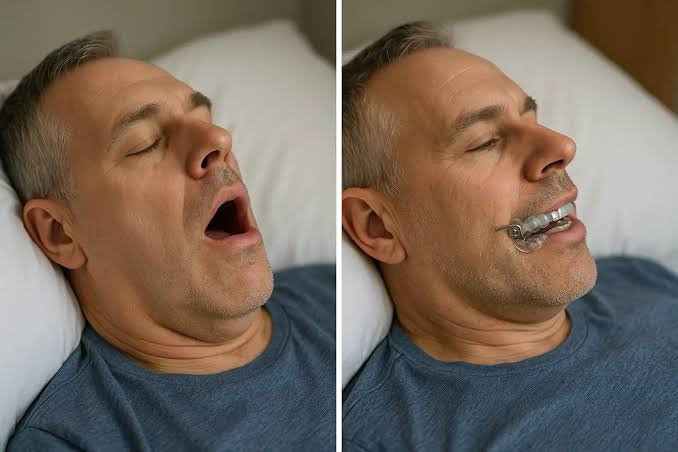
The evidence behind MADs is strong. Across all OSA severities, they reduce AHI by a mean of 55%. In moderate OSA specifically, 84% of MAD users achieve an AHI below 15, a clinically meaningful result.
Even in severe OSA, data shows 74% AHI reduction in well-selected patients, with 95% achieving at least a 50% reduction. CPAP does produce greater raw AHI reduction, but the real-world picture is more nuanced: patients use MADs an average of six hours per night versus four to five hours for CPAP. That adherence gap closes much of the efficacy gap in actual symptom relief and cardiovascular outcomes.
The ideal MAD candidate has mild to moderate OSA, though the device is also a legitimate CPAP alternative for severe OSA patients who genuinely cannot tolerate PAP therapy. Patients with significant TMJ dysfunction or insufficient teeth may not qualify. A sleep specialist, not a general dentist, should determine candidacy based on a formal sleep study.
A custom device runs $1,800 to $4,000 out of pocket. That sounds steep until you factor in that CPAP’s five-year total cost, including supplies, typically lands between $3,000 and $6,000. Medicare and most major private insurance plans cover oral appliances for mild and moderate OSA; for severe OSA, most insurers require documented CPAP failure first. If you want help comparing specific models, see our guide to the best oral appliances to understand features, pricing, and real-world performance.
Positional therapy and weight loss: the most underutilized CPAP alternative strategies
Approximately 50 to 60% of OSA patients have what’s called positional OSA (POSA), meaning their AHI is at least twice as high when sleeping on their back compared to sleeping on their side.
For these patients, the entire treatment problem may be a positioning problem. Vibrotactile devices, small wearables that sense when you roll onto your back and vibrate to prompt a position change, achieve a 54% AHI reduction in confirmed POSA patients.
Adherence tops 85% in most studies, and for this specific subgroup, outcomes are comparable to CPAP. A proper sleep study that captures positional data is required before recommending this approach, since not everyone with OSA has the positional variant.
Weight loss deserves mention as a genuine clinical treatment, not just lifestyle advice. Excess fat tissue around the neck and upper airway increases airway collapsibility, so in patients with obesity-driven mild to moderate OSA, clinically meaningful weight loss can produce substantial AHI reduction and sometimes full resolution.
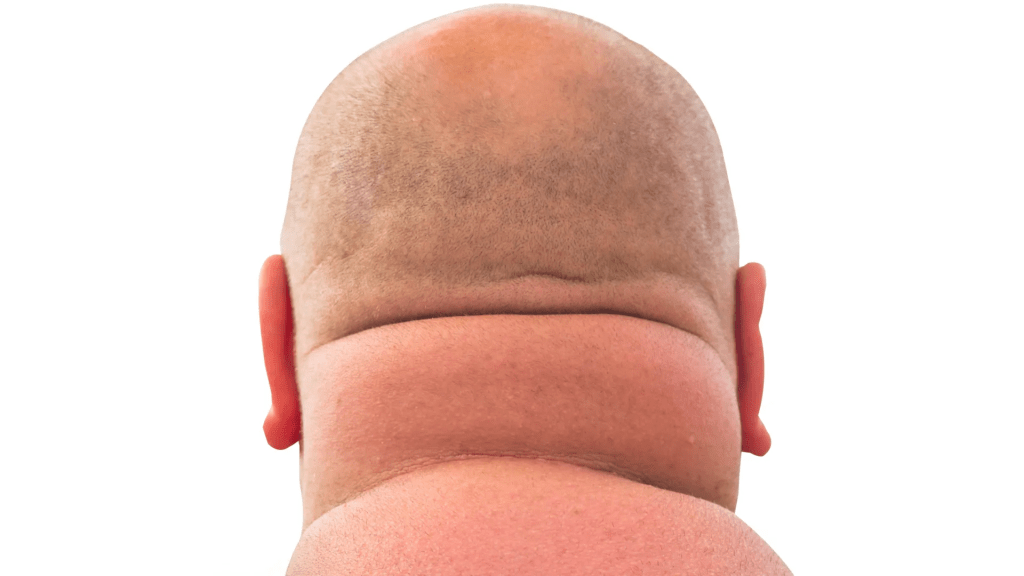
Research consistently shows OSA improvement tracks closely with the degree of sustained weight loss, rather than any direct modification to airway anatomy.
SLIIIP’s board-certified sleep physicians can do sleep evaluations for sleep apnea. Virtual consultations in all 50 states. Home sleep tests shipped to your door.
EPAP devices: simple, portable, and right for specific patients
EPAP, or expiratory positive airway pressure, works through a different mechanism than CPAP. Small nasal valve devices create resistance during exhalation, generating back-pressure that stabilizes the upper airway and reduces apnea events. No machine, no power cord, no mask. The Bongo Rx is the primary EPAP device currently on the market (the Provent device was discontinued in 2020).
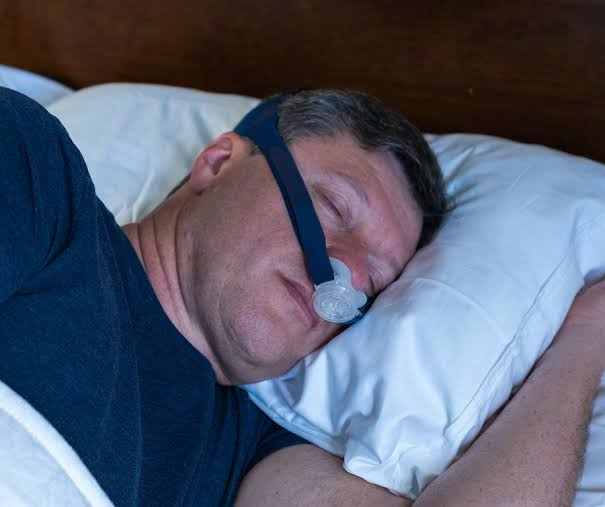
In clinical trials, roughly 51 to 62% of mild to moderate OSA patients achieve at least a 50% AHI reduction or a final AHI below 10 with EPAP therapy.
Adherence is notably high because the device is small, discreet, and portable. The main limitation is built into the mechanism: about 42% of users in clinical trials reported difficulty exhaling against the valve resistance. Other common side effects include nasal discomfort, dry mouth, and headache, most of which improve with adaptation over the first few weeks. EPAP is not appropriate for severe OSA, and insurance coverage is variable; most plans require documented CPAP intolerance and a mild-to-moderate diagnosis before approving coverage.
Inspire therapy and surgery: CPAP alternative options for severe OSA
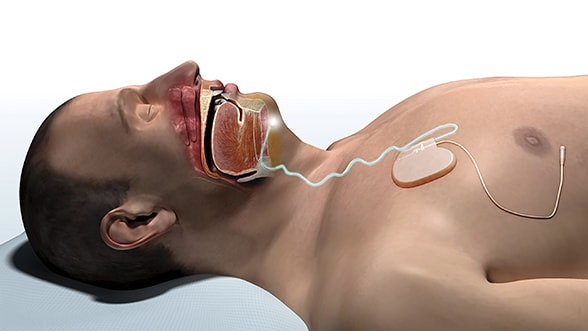
For patients with moderate to severe OSA who have tried and failed device-based approaches, hypoglossal nerve stimulation offers a fundamentally different solution. The Inspire system is a small implantable device that delivers mild electrical stimulation to the hypoglossal nerve during sleep, prompting the tongue to move forward and keep the airway open. The Nyxoah Genio system is a newer FDA-approved option with slightly different AHI and BMI thresholds. Both require a surgical implant procedure, but neither involves masks or machines.
SLIIIP’s board-certified sleep physicians can do sleep evaluations for sleep apnea. Virtual consultations in all 50 states. Home sleep tests shipped to your door.
Candidacy for Inspire requires an AHI between 15 and 100, a BMI typically at or below 40 (following the 2023 FDA expansion), documented PAP failure or intolerance, and the absence of complete concentric collapse at the soft palate, confirmed through a procedure called drug-induced sleep endoscopy (DISE).
Meta-analyses report a 50 to 57% mean AHI reduction, with about two-thirds of highly selected patients achieving major improvements. Benefits are maintained at five-year follow-up. Medicare, most commercial insurers, and the VA cover Inspire when candidacy criteria are met. The device landscape continues to evolve; the American Academy of Sleep Medicine has recently noted developments including the FDA approval of the next-generation Inspire V therapy system, which expands options for suitable candidates.
Surgical options round out the spectrum for patients who don’t meet Inspire criteria or prefer anatomical correction. UPPP, the most common OSA surgery, removes tissue from the soft palate and throat. Its success rate lands between 40 and 60% for mild to moderate OSA, but long-term satisfaction drops significantly; roughly 50% of patients report dissatisfaction after 20 years, and recovery takes two to four weeks with notable pain. Maxillomandibular advancement (MMA) is the most effective surgical option overall, with success rates of 75 to 87% for severe OSA, though it involves significant facial changes, a roughly 14% major complication rate, and an extensive recovery period.
All surgical approaches are considered only after device-based alternatives have been tried and failed. They are best understood as a last-resort CPAP alternative rather than a first-line choice.
How to find the right CPAP alternative for your specific diagnosis
Matching a patient to the right treatment requires more than reading a list. Your AHI, whether your OSA is positional, your jaw anatomy, your BMI, your comorbidities, and whether you’ve had a prior sleep study all shape which alternatives are medically appropriate. A patient with severe OSA self-selecting an oral appliance without medical guidance isn’t just making a suboptimal choice; they may be leaving dangerous events untreated while feeling reassured they’re doing something. These decisions belong in a conversation with a board-certified sleep physician. For a broader walkthrough of all available options, see our Sleep Apnea Treatment overview.
That conversation is exactly what SLIIIP is built for. As a telehealth sleep medicine practice, SLIIIP connects you directly with board-certified sleep doctors via video consultation, no referral required, no clinic visit needed. If you haven’t had a sleep study, SLIIIP mails a home sleep testing kit directly to your door. If you already have a diagnosis and your CPAP isn’t working, a follow-up consultation identifies which CPAP alternative fits your AHI, anatomy, and lifestyle. Early follow-up matters: prompt clinical contact after CPAP initiation significantly reduces long-term nonadherence, and our clinicians prioritize that early troubleshooting step when patients sign up. For more on the benefits of earlier follow-up to prevent CPAP nonadherence, see this review of follow-up strategies in clinical practice on preventing CPAP nonadherence with earlier follow-up. SLIIIP accepts most major insurance plans including Medicare and Tricare, with transparent cash-pay options at $150 for an initial visit and $125 for follow-ups. If you want a coordinated plan that looks beyond a single device, read more about our approach in Beyond CPAP: A Comprehensive Sleep Care Plan.
When you speak with a sleep specialist, bring these questions with you:
- What is my AHI, and does it change based on sleep position?
- Am I a candidate for a mandibular advancement device based on my jaw anatomy?
- Do I meet the clinical criteria for Inspire therapy?
- Has my OSA severity changed since my last sleep study, and do I need an updated test?
The right CPAP alternative exists for almost every OSA profile
CPAP is not the only path to treating obstructive sleep apnea, and it never was. Oral appliances cover the widest range, offering effective treatment for mild through severe OSA with adherence that often outperforms CPAP in real-world use. Positional therapy delivers outcomes comparable to CPAP for the 50 to 60% of patients whose OSA is position-dependent. EPAP devices give mild to moderate patients a simple, travel-friendly option. Inspire therapy and surgical approaches serve patients at the severe end who have exhausted other options.
Every effective CPAP alternative rests on the same foundation: proper diagnosis and specialist guidance. None of these treatments should be chosen by browsing alone. The right fit depends on your specific sleep study data, your anatomy, and your medical history. If you’re ready to have that conversation with a board-certified sleep doctor from your own home, SLIIIP is where to start. A two-minute symptom screener on our site can point you toward the right first step, or you can book a video consultation directly. No referral required, and no months-long wait for a clinic appointment.
SLIIIP’s board-certified sleep physicians can do sleep evaluations for sleep apnea. Virtual consultations in all 50 states. Home sleep tests shipped to your door.
Latest posts
-
Why Can’t I Wake Up Even After Getting Enough Sleep?
Last updated: October 2, 2026. Medically reviewed by Dr. Avinesh Bhar, Board-Certified Sleep Physician, SLIIIP.com. If you can’t wake up after enough sleep, the cause is usually not the number…
-
Why Does My Heart Rate Drop So Low While I Sleep?
Last updated: October 2, 2026. Medically reviewed by Dr. Avinesh Bhar, Board-Certified Sleep Physician, SLIIIP.com. Your heart rate drops low while sleeping mainly because your body needs less work from…
-
Why Are My Naps Never Refreshing?
Last updated: October 2, 2026. Medically reviewed by Dr. Avinesh Bhar, Board-Certified Sleep Physician, SLIIIP.com. Naps that leave you groggy usually come down to how long you sleep, when you…
Get updates
Spam-free subscription, we guarantee. This is just a friendly ping when new content is out.

