👉 Register for Free. How to Diagnose Sleep Apnea Faster in Primary Care – FREE Webinar by Dr. Audrey Wells. – Friday, April 24 at 12 PM ET


Sleep Apnea Treatment: All Options Explained by a Sleep Doctor
CPAP is the most well-studied treatment for sleep apnea, but it is one option among several. A Sliiip board-certified sleep physician explains every evidence-based treatment pathway, how to choose between them, and how treatment begins through telemedicine.
Reviewed by Dr. Avinesh Bhar, Board Certified Sleep Physician at Sliiip.com
More than 30 million Americans have sleep apnea. Fewer than 20% are being treated.
The gap is not a lack of options. It is a lack of evaluation.
According to the American Academy of Sleep Medicine, obstructive sleep apnea affects more than 30 million adults in the United States, yet fewer than 20% are currently receiving treatment.
SLIIIP’s board-certified sleep physicians can do sleep evaluations for sleep apnea. Virtual consultations in all 50 states. Home sleep tests shipped to your door.
Myth vs. Reality: What Patients Get Wrong About Sleep Apnea Treatment
Myth: CPAP is the only real treatment for sleep apnea.
Reality: CPAP is one option among several with a clinical evidence base. Oral appliance therapy, positional therapy, and behavioral approaches each have documented effectiveness. The right treatment depends on your specific sleep apnea type, severity, and anatomy.
Myth: If CPAP did not work for me, there is nothing else to do.
Reality: CPAP intolerance is common and well-recognized in sleep medicine. Oral appliance therapy is an established alternative with strong evidence, particularly for mild to moderate sleep apnea.
Myth: Treatment only matters if my sleep apnea is severe.
Reality: Even mild sleep apnea is associated with cardiovascular effects, metabolic disruption, and cognitive impairment when left untreated. The AASM recommends treatment evaluation at all severity levels.
CHECK YOUR SLEEP SYMPTOMS: TAKE THE 2 MINUTE QUIZ
TAKE THE QUIZ
Step One: Diagnosis Comes Before Treatment
No treatment decision is clinically valid without a confirmed diagnosis.
Sleep apnea is diagnosed through a sleep study. For most patients, a home sleep test is an appropriate and accurate first step that can be completed in your own bed.
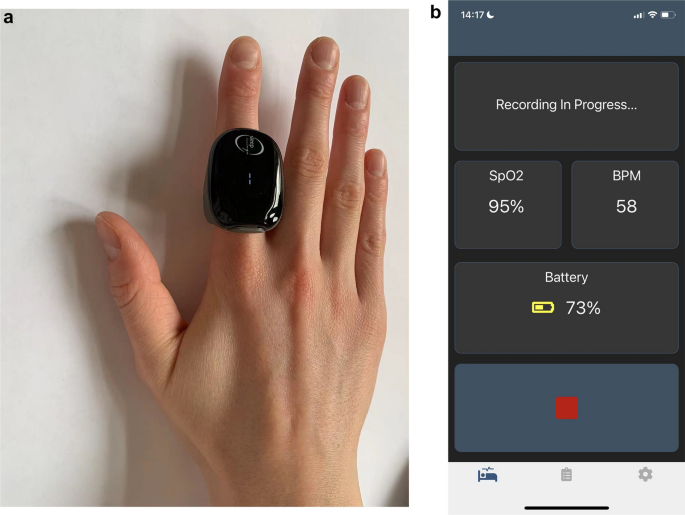
The sleep study generates an Apnea-Hypopnea Index, or AHI, which measures the number of breathing disruptions per hour of sleep. This number, combined with oxygen desaturation data and clinical history, determines sleep apnea severity and informs the treatment pathway.
CPAP: The Clinical Standard for Moderate to Severe Sleep Apnea
CPAP delivers a steady stream of pressurized air through a mask worn during sleep. This air pressure holds the airway open and prevents the collapses that produce apnea events.
CPAP is the most extensively studied sleep apnea treatment. Research from the AASM documents improvements in daytime alertness, cardiovascular markers, blood pressure, and cognitive function in patients who use CPAP consistently.
Consistency matters. CPAP is effective when used every night. For guidance on living with it, the common reasons patients struggle with CPAP and how to address them is a practical resource.
Expert Q&A
Q: How does a sleep physician decide between CPAP and other treatments?
Dr. Avinesh Bhar, Board Certified Sleep Physician, Sliiip.com: The decision starts with the severity and type of sleep apnea confirmed by the sleep study. Moderate to severe obstructive sleep apnea typically warrants CPAP as first-line because of the strength of evidence. For mild to moderate sleep apnea, oral appliance therapy is a well-supported alternative, particularly when CPAP is not tolerated. The clinical picture, anatomy, patient preference, and comorbidities all inform the recommendation.
Oral Appliance Therapy: The CPAP Alternative With Strong Evidence
Oral appliance therapy uses a custom-fitted device worn in the mouth during sleep. The device advances the lower jaw forward, repositioning the tongue and opening the posterior airway.
The AASM recognizes oral appliance therapy as an effective treatment for mild to moderate obstructive sleep apnea and as a recommended alternative for patients who cannot tolerate CPAP at any severity level.
For patients considering this path, understanding the difference between oral appliance therapy and CPAP and reviewing top-rated oral appliance options provides useful context.
Positional Therapy: When Sleep Position Is the Primary Driver
For some patients, the majority of apnea events occur specifically when sleeping on their back. When positional analysis confirms this pattern, positional therapy is a clinically appropriate component of the treatment plan.
Positional therapy is rarely sufficient as a standalone treatment for moderate to severe sleep apnea. But as a complement to oral appliance therapy or CPAP, it can meaningfully reduce the residual apnea burden.
Watch also our video: Sleep Apnea Treatment and Management by Dr. Avinesh Bhar (SLIIIP)
Expert Q&A
Q: What happens if someone cannot afford CPAP or their insurance does not cover it?
Dr. Avinesh Bhar, Board Certified Sleep Physician, Sliiip.com: Sleep apnea treatment is more accessible than many patients realize. Most major insurance plans, including Medicare and Tricare, cover home sleep testing and CPAP therapy when medically indicated. Oral appliance therapy is also covered by many plans. At Sliiip, we verify coverage before treatment begins. The insurance coverage for CPAP machines article details what most plans include.
Behavioral and Lifestyle Approaches
Evidence-based behavioral changes can reduce sleep apnea severity and improve treatment outcomes. They do not replace clinical treatment for moderate to severe sleep apnea. But they are a meaningful component of comprehensive care.
Weight management, where excess weight is a contributing factor, can reduce AHI. Research from the Sleep Heart Health Study found that a 10% reduction in body weight was associated with approximately a 26% reduction in AHI.
Alcohol avoidance within three hours of bedtime reduces airway muscle relaxation and decreases apnea event frequency.
Side-sleeping reduces the gravitational component of airway collapse for most patients and is one of the most accessible lifestyle modifications.
For patients managing sleep apnea without CPAP or alongside it, sleep apnea without CPAP and sleep apnea self-care strategies provide detailed, clinically grounded guidance.
CBT-I: When Insomnia Co-occurs With Sleep Apnea
Sleep apnea and insomnia co-occur in a significant proportion of patients. Treating the sleep apnea improves underlying sleep architecture, but conditioned insomnia often persists independently.
Cognitive behavioral therapy for insomnia, CBT-I, is the first-line treatment for chronic insomnia according to the AASM. It is more effective long-term than medication and can be delivered entirely through telemedicine. Sliiip offers CBT-I as part of comprehensive sleep care.
How Treatment Begins at Sliiip
The process begins with a telemedicine consultation. If a home sleep test is indicated, it is shipped directly to you. Results are reviewed by your physician within days. A treatment plan is established based on your confirmed diagnosis, anatomy, preferences, and comorbidities.
For insurance questions, home sleep study insurance coverage details what most plans include and how to verify your specific benefits.
Get a Treatment Plan Based on Your Actual Diagnosis
More than 10,000 consultations. No referral required. All 50 states. Major insurance accepted including Medicare and Tricare.

SLIIIP’s board-certified sleep physicians can do sleep evaluations for sleep apnea. Virtual consultations in all 50 states. Home sleep tests shipped to your door.
Frequently Asked Questions
What are the treatment options for sleep apnea?
The main evidence-based options are CPAP therapy, oral appliance therapy, positional therapy, and behavioral approaches including weight management and alcohol reduction. The appropriate treatment depends on sleep apnea type, severity, anatomy, and patient preference.
Is CPAP the only treatment for sleep apnea?
No. CPAP is first-line for moderate to severe obstructive sleep apnea. Oral appliance therapy is a recognized alternative, particularly for mild to moderate sleep apnea or for patients who cannot tolerate CPAP.
What is oral appliance therapy for sleep apnea?
Oral appliance therapy uses a custom-fitted device that advances the lower jaw forward during sleep, repositioning the tongue and opening the posterior airway. It is recognized by the AASM as an effective treatment for mild to moderate obstructive sleep apnea.
How do I know which sleep apnea treatment is right for me?
Treatment selection is based on your sleep study results, anatomy, severity level, and personal tolerance. A board-certified sleep physician reviews your diagnosis and makes a recommendation that accounts for your lifestyle, medical history, and insurance coverage.
Does insurance cover sleep apnea treatment?
Most major insurance plans, including Medicare and Tricare, cover home sleep testing and CPAP therapy when medically indicated. Oral appliance therapy is also covered by many plans. Sliiip verifies insurance benefits before treatment begins.
Can sleep apnea be treated without CPAP?
Yes. Oral appliance therapy, positional therapy, and behavioral modifications are clinically supported alternatives. The appropriate non-CPAP option depends on severity and anatomy. A physician evaluation determines whether a CPAP alternative is clinically sufficient.
What happens if I stop using CPAP?
Sleep apnea returns within days of stopping CPAP. The airway does not develop lasting changes from CPAP use, so apnea events resume when treatment is discontinued. If CPAP is difficult to tolerate, discuss alternatives with your sleep physician rather than stopping treatment.
How long does sleep apnea treatment take to work?
Many patients report improved alertness within the first week of consistent CPAP use. Cardiovascular and metabolic improvements accumulate over months of sustained treatment. Oral appliance therapy typically requires two to four weeks as the jaw accommodates the device.
Is sleep apnea treatment covered by Medicare?
Yes. Medicare covers home sleep testing and CPAP therapy for patients who meet diagnostic criteria. A board-certified sleep physician conducts the evaluation that establishes medical necessity.
What is the first step to getting sleep apnea treatment?
The first step is a sleep evaluation with a board-certified sleep physician. This can be done via telemedicine without a referral. If a home sleep test is indicated, it is ordered and shipped directly to you. Treatment is recommended once the diagnosis is confirmed.
Can sleep apnea be cured, or is treatment lifelong?
For most patients, sleep apnea is a chronic condition requiring ongoing management. Weight loss can reduce severity where weight is a primary driver. Regular monitoring and clinical follow-up are recommended even when symptoms improve.
What is CBT-I and does it help with sleep apnea?
CBT-I is cognitive behavioral therapy for insomnia, the first-line treatment for chronic insomnia according to the AASM. It does not treat sleep apnea directly but is highly effective for the insomnia that frequently co-occurs with it. Sliiip offers CBT-I as part of comprehensive telemedicine sleep care.
SLIIIP’s board-certified sleep physicians can do sleep evaluations for sleep apnea. Virtual consultations in all 50 states. Home sleep tests shipped to your door.
Latest posts
-
Why Are My Naps Never Refreshing?
Last updated: October 2, 2026. Medically reviewed by Dr. Avinesh Bhar, Board-Certified Sleep Physician, SLIIIP.com. Naps that leave you groggy usually come down to how long you sleep, when you…
-
Is Sleeping Too Much a Sleep Disorder?
Last updated: October 2, 2026. Medically reviewed by Dr. Avinesh Bhar, Board-Certified Sleep Physician, SLIIIP.com. Sleeping too much is not always a sleep disorder, but it can be a sign…
-
Why Does My Insomnia Get Worse After Stopping Sleep Medication?
Last updated: October 2, 2026. Medically reviewed by Dr. Avinesh Bhar, Board-Certified Sleep Physician, SLIIIP.com. Insomnia can get worse after stopping sleep medication for three main reasons. They are rebound…
Get updates
Spam-free subscription, we guarantee. This is just a friendly ping when new content is out.

