👉 Register for Free. How to Diagnose Sleep Apnea Faster in Primary Care – FREE Webinar by Dr. Audrey Wells. – Friday, April 24 at 12 PM ET

Can a Deviated Septum Cause Sleep Apnea?
Last updated: October 22, 2026. Medically reviewed by Dr. Avinesh Bhar, Board-Certified Sleep Physician, SLIIIP.com.
A deviated septum rarely causes sleep apnea on its own, but it can make breathing at night harder and snoring louder. Obstructive sleep apnea happens when the throat collapses during sleep, not inside the nose. Dr. Avinesh Bhar, Board-Certified Sleep Physician at SLIIIP.com, advises a sleep test before nasal surgery for one group. That group is adults with a blocked nose plus loud snoring or daytime sleepiness.
A crooked septum and sleep apnea often show up in the same person, so fixing the nose does not prove the airway is fine.
SLIIIP’s board-certified sleep physicians can do sleep evaluations for sleep apnea. Virtual consultations in all 50 states. Home sleep tests shipped to your door.
What Is a Deviated Septum?
The septum is the thin wall of bone and cartilage that splits your nose into two sides. When it leans to one side, doctors call it a deviated septum.
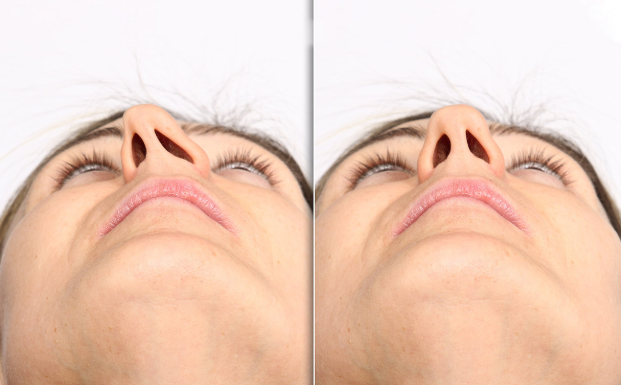
This is very common. According to Stanford Medicine’s sinus center, about 80% of people have a septum that is off-center to some degree. Most people with a slightly crooked septum never notice it, and only a small share ever seek care for it.
Some people are born with a bent septum. Others get one after a broken nose, a sports injury, or a fall. The bend can be mild, or it can block much of one nostril.
The most common symptom is trouble breathing through the nose, often worse on one side. Other signs include a stuffy nose that never fully clears, nosebleeds, and repeated sinus infections.
Can a Deviated Septum Cause Sleep Apnea?
A deviated septum is linked to worse snoring and harder nighttime breathing, but it is rarely the main cause of obstructive sleep apnea. The real collapse in sleep apnea happens lower down, in the soft tissue of the throat.
During sleep, the muscles in your throat relax. In people with obstructive sleep apnea, the airway narrows or closes again and again. Each pause lowers oxygen and pulls the brain toward waking up.
The nose still plays a role. When air cannot pass easily through the nose, you breathe harder to pull it in. That extra suction can make a floppy throat more likely to collapse.
A blocked nose also pushes many people into mouth breathing. When the mouth falls open, the jaw and tongue slide back. Mouth breathing during sleep is associated with more snoring and a narrower airway behind the tongue.
Watch: Do I have sleep apnea? Dr. Wells explains
Deviated Septum vs. Sleep Apnea: How to Tell Them Apart
The two problems can feel alike at night. Both can cause snoring, a dry mouth, and broken sleep. The clues that point to sleep apnea are different, though.
- Signs that point mostly to the nose: a blocked nostril during the day, one-sided stuffiness, nosebleeds, and sinus infections that keep coming back.
- Signs that point to sleep apnea: loud snoring with pauses, gasping or choking at night, morning headaches, and feeling sleepy during the day.
- Signs that can come from either: mouth breathing, dry mouth on waking, and light, restless sleep.
Daytime sleepiness is one of the strongest hints that the problem goes beyond the nose. A stuffy nose may make you uncomfortable, but it should not make you nod off while driving or reading.
A partner’s report also helps. If someone has seen you stop breathing, gasp, or snore in loud bursts, that pattern fits sleep apnea far better than a simple blocked nose.
Will Septoplasty Fix Sleep Apnea?
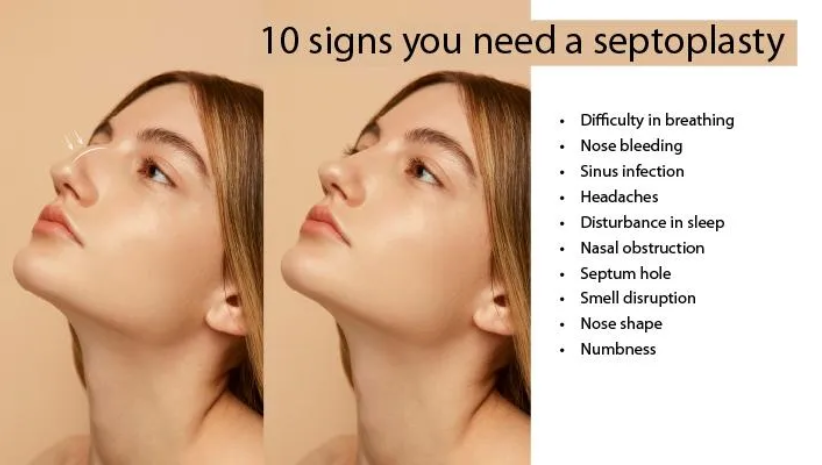
Septoplasty is surgery that straightens the septum to open the nasal passage. Septoplasty often improves nasal breathing, but it rarely makes obstructive sleep apnea go away on its own. That is because the main collapse sits in the throat.
Where nose surgery seems to help most is with CPAP comfort. A review of 18 studies, published in the journal Sleep and available through NIH’s PubMed Central, looked at people with sleep apnea and nasal blockage.
After nasal surgery, the CPAP pressure these patients needed dropped by about 2.7 units on average. In the same review, average nightly CPAP use rose from about 3 hours to about 5.5 hours in a small group of patients. The authors noted that most studies were small, so results vary from person to person.
In simple terms, a clearer nose may make it easier to wear CPAP all night. It does not replace CPAP or other sleep apnea care when the throat is the main problem.
Testing first also matters for safety. Sleep apnea can affect how your body handles anesthesia and pain medicine. Surgeons often want to know about it before any procedure.
Can You Use CPAP With a Deviated Septum?
Yes, most people with a deviated septum can still use CPAP, though the mask type may need to change. A blocked nostril can make nasal masks or nasal pillows feel tight or airless.
If you breathe through your mouth at night, a full face mask covers both the nose and mouth. Some people do well with a nasal mask plus a chin strap. Our CPAP mask types guide explains the main options.
A heated humidifier can also ease dryness and stuffiness in the nose. Treating allergies or swelling inside the nose may help too. Your doctor can tell you which steps fit your case.
Never change your CPAP pressure settings on your own. If the air feels too strong or too weak, talk with your sleep doctor first.
Other Nose Problems That Can Affect Sleep
A crooked septum is not the only thing that can block the nose at night. Several other problems can cause the same stuffy feeling.
- Swollen turbinates: the small ridges inside the nose can swell from allergies or irritation.
- Allergies and rhinitis: dust, pets, and pollen can inflame the lining of the nose.
- Nasal valve collapse: the side walls of the nose can pinch inward when you breathe in.
- Nasal polyps: soft growths inside the nose or sinuses can narrow the airway.
- Rebound congestion: using decongestant sprays for too long can make the stuffiness worse.
These problems can sit alongside a deviated septum. An ear, nose, and throat doctor can look inside the nose and find which ones are present.
Simple Steps That May Ease Nighttime Nasal Breathing
Some everyday habits may help air move through your nose more easily at night. They do not treat sleep apnea, but they may make sleep more comfortable.
- Rinse your nose with saline before bed.
- Keep your bedroom air from getting too dry.
- Ask your doctor about allergy care if your nose is often stuffy.
- Try sleeping on your side, since back sleeping is linked to more snoring.
- Avoid alcohol close to bedtime, which can relax the throat muscles.
If these steps help your nose but you still snore, gasp, or feel tired, the issue may not be your septum. That is a good time to consider a sleep test.
When to See a Doctor
See a doctor if your nose is blocked most nights and you also snore loudly, wake up gasping, or feel sleepy during the day. These signs together are worth checking.
Dr. Avinesh Bhar recommends a sleep test before nasal surgery for anyone with snoring plus daytime sleepiness. Testing first helps your care team know whether the nose, the throat, or both need attention.
For many adults, a home sleep test is a simple first step. You wear a small device for one or more nights in your own bed. Learn more in our guide on how to get a home sleep test.

See an ear, nose, and throat doctor for nose problems such as one-sided blockage, frequent nosebleeds, or sinus infections that keep returning. Seek urgent care for trouble breathing while awake, chest pain, or a high fever with facial swelling.
SLIIIP works with many major insurance plans. Check your coverage before your visit.

Check your insurance coverage in minutes, then schedule a virtual sleep evaluation with a board-certified sleep physician.
For cash payments, price for Initial Consultation is $150
Follow up appointments cost $125
Frequently Asked Questions
Can a deviated septum cause sleep apnea?
A deviated septum is rarely the main cause of sleep apnea. It can make nighttime breathing harder and snoring worse.
Can a deviated septum make sleep apnea worse?
It may. A blocked nose is linked to mouth breathing and more effort to breathe, which can add strain to a collapsing airway.
How common is a deviated septum?
It is very common. Stanford Medicine reports that about 80% of people have a septum that is off-center to some degree.
Does a deviated septum cause snoring?
It can add to snoring by forcing mouth breathing. Loud snoring with pauses or gasping points more toward sleep apnea.
Will septoplasty get rid of my sleep apnea?
Septoplasty rarely resolves obstructive sleep apnea on its own. It mainly improves airflow through the nose.
Can septoplasty help with CPAP?
Research links nasal surgery with lower CPAP pressure needs and longer nightly use in some patients.
Should I get a sleep test before nose surgery?
Yes, if you snore, gasp at night, or feel sleepy during the day. Sleep apnea can also matter for anesthesia safety.
Can I use CPAP with a deviated septum?
Most people can. A full face mask or a nasal mask with a chin strap may work better than nasal pillows.
What CPAP mask is best for a blocked nose?
A full face mask often works well for mouth breathers. Your sleep doctor can help you pick the right fit.
Is mouth breathing at night a sign of sleep apnea?
It can be, but it is not proof. A blocked nose can also cause mouth breathing.
How do I know if it is my nose or sleep apnea?
Daytime sleepiness, gasping, and witnessed breathing pauses point to sleep apnea. One-sided stuffiness and nosebleeds point to the nose.
Can allergies make sleep apnea symptoms worse?
Nasal congestion from allergies is linked to more mouth breathing and snoring. Treating allergies may make sleep more comfortable.
Does sleeping on my side help with a deviated septum?
Side sleeping is linked to less snoring for many people. It may help, but it does not fix a deviated septum.
Can nasal strips help with a deviated septum?
Nasal strips may open the front of the nose slightly. They do not treat sleep apnea.
Can a broken nose lead to a deviated septum?
Yes. An injury to the nose is one common cause of a bent septum.
Can thin people with a deviated septum have sleep apnea?
Yes. Jaw shape, tongue size, and airway structure can lead to sleep apnea at any weight.
Is a home sleep test accurate if I have a stuffy nose?
A home sleep test can still measure breathing during sleep. Your doctor will review the results and decide if more testing is needed.
Who treats a deviated septum?
An ear, nose, and throat doctor evaluates and treats septum problems. A sleep physician evaluates sleep apnea.
Can SLIIIP evaluate me for sleep apnea if I have a deviated septum?
Yes. SLIIIP's board-certified sleep physicians evaluate adults for sleep apnea through virtual visits and home sleep tests.
When should I see a doctor about my nose and sleep?
See a doctor if a blocked nose comes with loud snoring, gasping, or daytime sleepiness. These signs are worth testing.
SLIIIP's board-certified sleep physicians can do sleep evaluations for sleep apnea. Virtual consultations in all 50 states. Home sleep tests shipped to your door.
Latest posts
-
Sleepwalking in Adults: Causes, Risks, and When to Get Help
Last updated: October 23, 2026. Medically reviewed by Dr. Avinesh Bhar, Board-Certified Sleep Physician, SLIIIP.com. Sleepwalking in adults is a sleep disorder where a person gets up and moves around…
-
Nocturia and Sleep Apnea: Why You Wake Up to Pee at Night
Last updated: October 23, 2026. Medically reviewed by Dr. Avinesh Bhar, Board-Certified Sleep Physician, SLIIIP.com. Nocturia means waking up more than once a night to urinate. It is often blamed…
-
CPAP Side Effects: What’s Common and When to Call a Doctor
Last updated: October 21, 2026. Medically reviewed by Dr. Avinesh Bhar, Board-Certified Sleep Physician, SLIIIP.com. The most common CPAP side effects are dry mouth, a dry or stuffy nose, air…
·
Get updates
Spam-free subscription, we guarantee. This is just a friendly ping when new content is out.

