
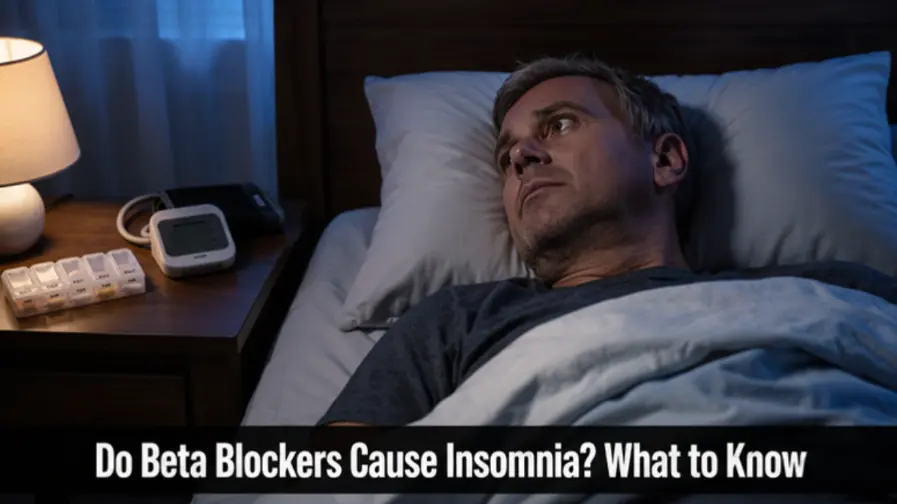
Do Beta Blockers Cause Insomnia? What to Know
Last updated: November 17, 2026. Medically reviewed by Dr. Avinesh Bhar, Board-Certified Sleep Physician, SLIIIP.com.
Beta blockers are linked to insomnia in some people. Some beta blockers lower nighttime melatonin, the hormone that signals sleep.
That drop is associated with trouble falling or staying asleep. Vivid dreams and nightmares are also reported with some of these medicines.
Dr. Avinesh Bhar, Board-Certified Sleep Physician at SLIIIP.com, often finds untreated sleep apnea in patients who blame poor sleep on their heart medicine.
Never stop a beta blocker on your own, and ask whether a sleep evaluation makes sense before assuming the pill is the only cause.
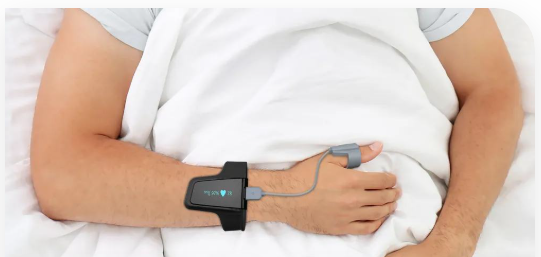
SLIIIP’s board-certified sleep physicians can do sleep evaluations for sleep apnea. Virtual consultations in all 50 states. Home sleep tests shipped to your door.
Do Beta Blockers Cause Insomnia?
They can contribute to it. Insomnia is a reported side effect of beta blockers, and researchers have linked it to lower melatonin at night.
In a randomized trial published in the journal Sleep, researchers described how beta blockers suppress nighttime melatonin secretion. They then tested melatonin in people with high blood pressure taking atenolol or metoprolol.
Not everyone on a beta blocker sleeps worse. Many people take these medicines for years with no sleep change at all.
The effect may depend on the specific drug, the dose and the person. Timing of the dose may matter too.
How Do Beta Blockers Affect Melatonin?
The pineal gland makes melatonin at night. Nerve signals that reach the pineal gland act on beta-1 receptors, and blocking those receptors is linked to less melatonin.
Less melatonin may make it harder for the body to know that night has started. That can show up as a longer time to fall asleep or more waking during the night.
Studies suggest not all beta blockers act the same way. Some research found that carvedilol, which blocks both alpha and beta receptors, did not lower melatonin in the same way.
This is one reason a doctor may consider a different medicine when sleep problems start after a beta blocker.
Could It Be Sleep Apnea Instead?
It is worth checking. People on beta blockers often have high blood pressure, rhythm problems or heart failure. Those conditions are associated with higher rates of sleep apnea.
Sleep apnea can cause frequent awakenings, gasping and unrefreshing sleep.
TAKE THE QUIZ
Can Beta Blockers Cause Nightmares or Vivid Dreams?
Yes, some people report them. Vivid dreams and nightmares are listed among the sleep-related effects reported with some beta blockers, especially those that enter the brain more easily.
Propranolol and metoprolol pass into the brain more readily than some other beta blockers. Reports of dream changes are more common with these types.
Nightmares can also come from sleep apnea, stress, alcohol and other medicines. Our guide on sleep apnea and vivid dreams explains that link.
If dreams change after starting a new medicine, note the timing and share it with your doctor.
Can Beta Blockers Make You Tired During the Day?
Yes. Tiredness is a common side effect listed for metoprolol on MedlinePlus, which advises telling your doctor if it is severe or does not go away
.
Beta blockers slow the heart rate. Some people feel less energy, especially in the first weeks.
Daytime tiredness can also come from poor sleep at night. When both happen together, it is hard to tell which one is driving the other.
Does Melatonin Help People Taking Beta Blockers?
It helped in one small trial. In the Sleep study of 16 adults taking atenolol or metoprolol, three weeks of nightly melatonin improved sleep compared with placebo.
That was a small study. It does not mean melatonin is right for everyone on a beta blocker.
Melatonin can affect blood pressure and interact with other medicines. Ask your doctor or pharmacist before adding it.
Our article on whether melatonin is safe every night covers dosing questions in more detail.
What Can You Do If a Beta Blocker Affects Your Sleep?
Start by talking with the doctor who prescribed it. Do not stop or reduce a beta blocker on your own. Stopping suddenly is linked to fast heart rate, chest pain and other serious problems.
- Ask whether the dose timing can change, such as taking it earlier in the day.
- Ask whether a different beta blocker or another drug class could work for you.
- Keep a two-week sleep diary to show when the problem started and how often it happens.
- Limit caffeine and alcohol, which can make sleep worse on their own.
- Ask about cognitive behavioral therapy for insomnia, a first-line non-drug option.
Our comparison of CBT-I and sleep medicines explains why therapy is often tried before adding more pills.
Which Beta Blockers Are Linked to More Sleep Problems?
There is no single ranking that applies to everyone. Beta blockers that cross into the brain more easily, such as propranolol and metoprolol, are more often linked to sleep complaints in reports.
Water-soluble beta blockers, such as atenolol, enter the brain less. Yet atenolol was still linked to lower melatonin in research.
Your doctor chooses a beta blocker for your heart, not your sleep. Any switch should balance both.
What Sleep Habits Help While You Take a Beta Blocker?
Simple habits support sleep whatever the cause. A steady wake time, morning light and a dark, cool bedroom help the body keep its own sleep signals strong.
Get outside light within an hour of waking. Dim screens and bright lights in the last hour before bed.
Avoid long naps late in the day. If you cannot sleep after about 20 minutes, get up and do something calm until you feel sleepy.
Watch: Dr. Wells explains what are the signs of insomnia
When to See a Doctor
See your doctor if trouble sleeping lasts more than a few weeks after starting or changing a beta blocker. Dr. Avinesh Bhar recommends a sleep evaluation when poor sleep comes with snoring, gasping or heavy daytime sleepiness. Those signs suggest more than a medicine side effect.
Get urgent care for chest pain, fainting, a very slow pulse or sudden shortness of breath. Do not stop your beta blocker without medical advice.
A sleep physician can work alongside your cardiologist. SLIIIP evaluates the sleep side of the problem while your heart care team manages your heart medicines.
Check Your Insurance Before You Book
SLIIIP works with many major insurance plans. Checking your benefits first takes a few minutes and helps you avoid surprises.

SLIIIP’s board-certified sleep physicians can do sleep evaluations for sleep apnea. Virtual consultations in all 50 states. Home sleep tests shipped to your door.
For cash payments, price for Initial Consultation is $150
Follow up appointments cost $125
Frequently Asked Questions
Do beta blockers cause insomnia?
They can contribute to it. Insomnia is a reported side effect linked to lower nighttime melatonin.
Why do beta blockers affect sleep?
Some beta blockers reduce melatonin, the hormone that helps signal sleep.
Do all beta blockers lower melatonin?
Not all equally. Research suggests carvedilol did not lower melatonin the same way.
Can beta blockers cause nightmares?
Some people report vivid dreams or nightmares, especially with brain-penetrating types.
Does metoprolol cause insomnia?
MedlinePlus lists tiredness as a common side effect. Insomnia has also been reported with beta blockers.
Does propranolol affect sleep?
Propranolol enters the brain easily and is often linked to sleep complaints.
Is atenolol better for sleep?
Atenolol enters the brain less, but it was still linked to lower melatonin in research.
Can I take melatonin with a beta blocker?
Ask your doctor first. A small trial found it improved sleep, but it can interact with other medicines.
Should I stop my beta blocker if I cannot sleep?
No. Stopping suddenly can be dangerous. Talk with your doctor first.
Can taking it in the morning help?
Sometimes. Ask your doctor whether changing dose timing is safe for you.
Can beta blockers make you tired?
Yes. Tiredness is a common side effect.
How long do sleep side effects last?
Some ease after a few weeks. Ongoing problems should be reviewed with your doctor.
Could my insomnia be sleep apnea?
It could. Snoring, gasping and morning headaches point toward sleep apnea.
Are heart patients more likely to have sleep apnea?
Yes. Sleep apnea is more common in people with high blood pressure and heart disease.
What is CBT-I?
Cognitive behavioral therapy for insomnia is a structured, non-drug program that is often recommended first.
Can caffeine make it worse?
Yes. Caffeine late in the day can add to sleep problems.
Is there a beta blocker that does not affect sleep?
Responses vary. Your doctor can review options that suit your heart condition.
Should I keep a sleep diary?
Yes. A two-week diary helps your doctor see patterns.
Can a sleep doctor help if my cardiologist prescribed the drug?
Yes. A sleep doctor can evaluate your sleep and coordinate with your cardiologist.
How can SLIIIP help?
SLIIIP's sleep physicians evaluate adult insomnia and sleep apnea through virtual visits and home sleep tests.
Latest posts
-
Can Statins Cause Insomnia? What the Research Shows
Last updated: November 17, 2026. Medically reviewed by Dr. Avinesh Bhar, Board-Certified Sleep Physician, SLIIIP.com. For most people, probably not. A meta-analysis of placebo-controlled sleep lab studies found that statins…
-
Do Beta Blockers Cause Insomnia? What to Know
Last updated: November 17, 2026. Medically reviewed by Dr. Avinesh Bhar, Board-Certified Sleep Physician, SLIIIP.com. Beta blockers are linked to insomnia in some people. Some beta blockers lower nighttime melatonin,…
-
Do I Need a Sleep Study to Get the Sleep Apnea Pill?
Last updated: November 17, 2026. Medically reviewed by Dr. Avinesh Bhar, Board-Certified Sleep Physician, SLIIIP.com. Yes, almost certainly. Any sleep apnea medicine, including the AD109 pill if it is approved,…
Get updates
Spam-free subscription, we guarantee. This is just a friendly ping when new content is out.

